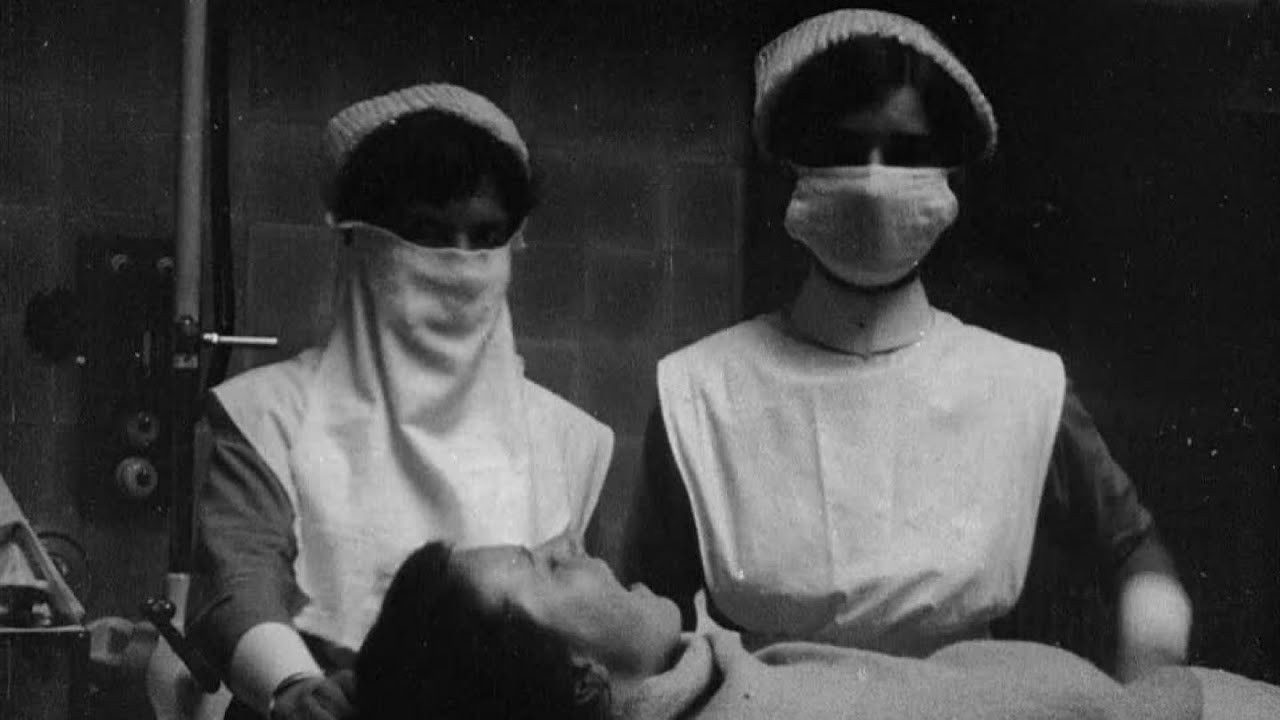
Dr. Wise on Influenza (1919)
A hard-hitting public information film made at the height of the Great Influenza 1918-18.
A hard-hitting public information film made at the height of the Great Influenza 1918-18.

A look at the rampant HIV epidemic rate in Swaziland.
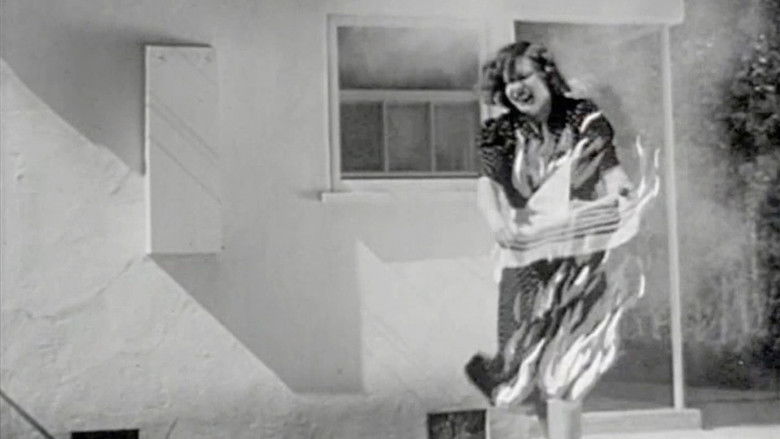
A short film warning the unaware housewife of the dangers of “dry cleaning” with gasoline at home.
Coast Guard film about the importance of life jackets. Stresses safety in boating and shows how boating accidents can happen.

From an infant who wound up in the ICU to a surfer who had to relearn to walk and talk after the parasite crept into his nervous system, the documentary gives an eye-opening look into the potentially catastrophic consequences of Rat Lungworm disease shared through several accounts from Hawaiʻi residents on their battles with the parasite.
This 1974 film is dedicated by the Chlorine Institute to the public interest. It is specifically intended to assist firefighters and other emergency services. The techniques demonstrated are appropriate for emergency use; different circumstances might require modified or additional procedure. The information is drawn from sources believed to be reliable. The Institute, its members any organizations cooperating in the development of this film, jointly or severally, cannot be responsible for how the information is used and must make this legal disclaimer. This is a 1960s era, color movie about Chlorine and emergency workers… specifically, firefighters. The film is intended to show firefighters what chlorine is, what a chlorine emergency might involve, how a company can plan ahead and how an emergency can be handled safely.
Intercuts scenes from Jack London's To build a fire with modern urban and rural winter scenes to point out the dangers of winter storms and low temperatures. Designed to stimulate discussion on civil preparedness for winter storms.
Portrays the challenges of creating a film about nuclear disaster amid public apathy. It captures behind-the-scenes moments as the crew discusses the gravity of nuclear threats, the importance of preparation, and the emotional impact of a nuclear attack. The narrative emphasizes the need for individuals to take responsibility for their safety and community in the event of an attack, blending factual information with a call to action.
A surrealistic look at the future if man does not learn to control pollution.
The film highlights the dangers of extreme heat and the importance of staying hydrated and cool. It portrays a conversation between two friends, one of whom insists on playing basketball despite the oppressive heat. The narrative emphasizes that heat-related illnesses can be avoided by recognizing the body's signals and taking necessary precautions, such as drinking water and staying indoors. The film concludes with a report of record-breaking temperatures, underscoring the seriousness of heat exposure.
This color educational film is a driver's safety film about city driving. There is no copyright at the beginning or end of the film so the date of the production appears to be the mid to late 1970s.
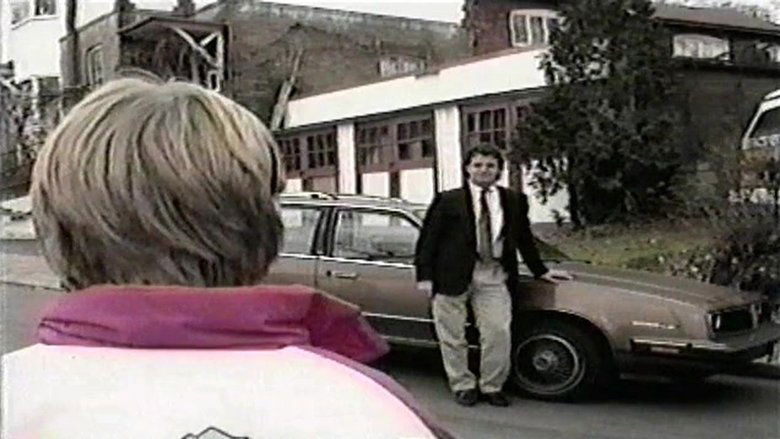
POLICE OFFICER JIM BYRNE, Canada's most honoured Safety Education Specialist brings you his famous TEN RULES, with which he has personally tested more than 25,000 students. Learn key strategies now taught in many schools and used by police working with the full NEVER BE A VICTIM Institutional Study Program. Develop your own personal streetproofing skills so you can train and test your family. Robert Gordon, who created this remarkable program in partnership with Metropolitan Police introduces this family video library against a backdrop of today's troubled society. TEACHING LIFE SKILLS FOR A SAFER COMMUNITY OFFICER JIM'S TEN RULES FOR STREETPROOFING • STRANGER MYTHS • ABDUCTION • BEING FOLLOWED • DANGEROUS PLACES • AVOIDING CARS AND VANS • GOOD TOUCHING-BAD TOUCHING
This short film looks at the importance of maintaining safe driving practices and heeding traffic rules. A traffic cop investigates a serious car crash and attempts to understand the cause.
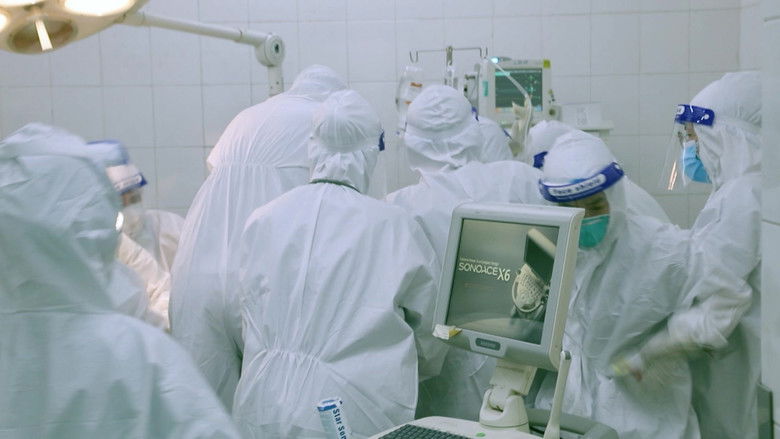
This critically acclaimed Vietnamese documentary portrays the claustrophobic struggles against COVID-19, led by a group of doctors and nurses, in an effort to save the lives of COVID infected pregnant women. Produced by national news channel VTV, "Ranh Giới", meaning "borderline", refers to the line between life and death.
Public warning film on road safety for children - 3 small children meet Death.
Emphasizes positive attitudes and constructive solutions to help individuals deal with problems related to sex, drugs, self-image and interpersonal relationships.
The comparison of two rural families to demonstrate the need for proper hygiene and the consequences of its neglect.
Shows the safety hazards three boys encounter when they leave school. Pictures how they learn proper safety procedures to cope with several situations.
Scott, a high school dropout, has no diploma, no job, no future and finally no girl. He is faced with the decision of continuing his education or continuing a life without hope or meaning.