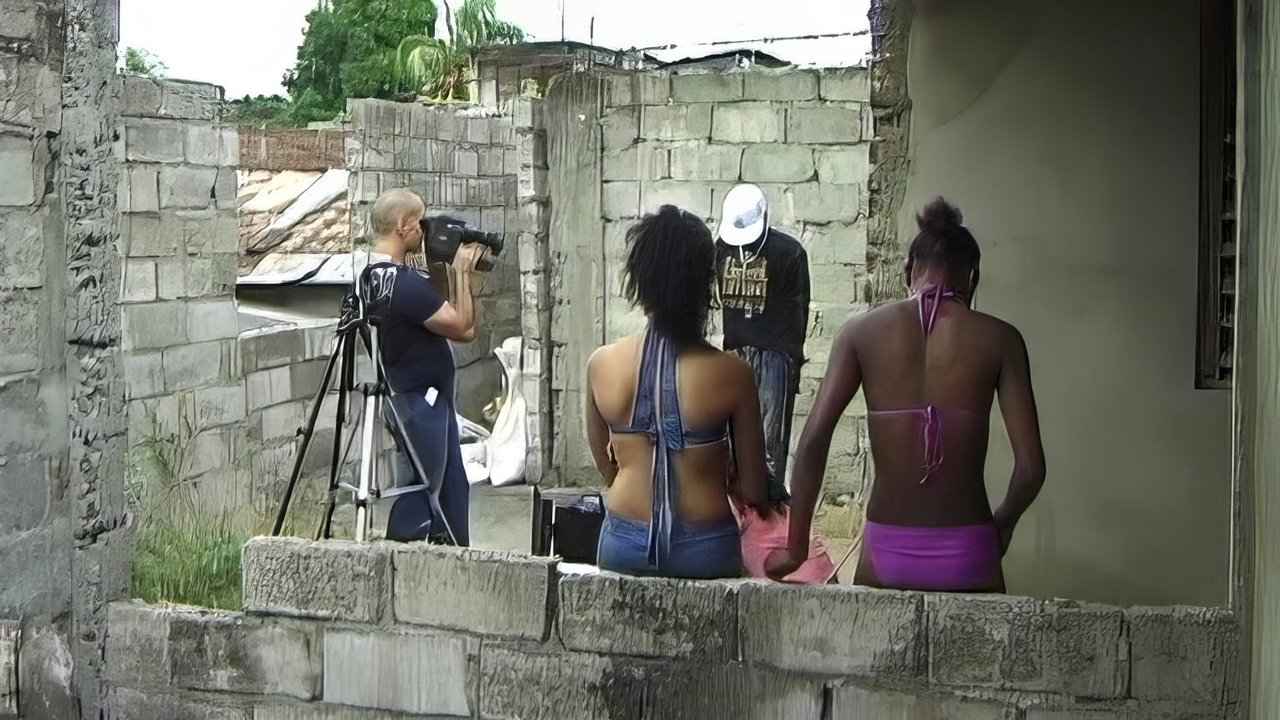
El Medico: The Cubaton Story (2012)
El Medico has to decide between doing his duty to the State, as a doctor fulfilling his mothers dream, or being an artist
El Medico has to decide between doing his duty to the State, as a doctor fulfilling his mothers dream, or being an artist
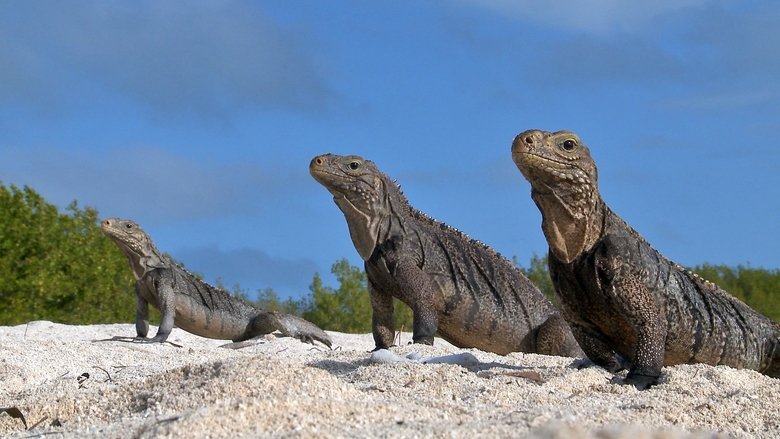
Cuba's enforced isolation has resulted in the unlikeliest of marine reserves: a huge, rambling archipelago known as Jardines de la Reina, or "Gardens of the Queen." Stretching around 140 miles along the southern coast of Cuba, it's one of the longest barrier reef systems in the world. Get an up-close look at Fidel Castro's diving playground, a forgotten ocean paradise unseen for half a century, and witness exotic species rarely seen elsewhere in the region. It's the lost jewel of the Caribbean, but how long can this pristine wilderness survive?

Cuban drummer Elvis García reflects on his journey from Havana to Miami, struggling to make his way in the American city as a professional musician.

Half blind and half deaf, ostraziced Cuban writer Rafael Alcides tries to finish his unpublished novels to discover that after several decades, the home made ink from the typewriter he used to write them has faded. The Cuban revolution as a love story and eventual deception is seen through the eyes of a man who is living an inner exile.
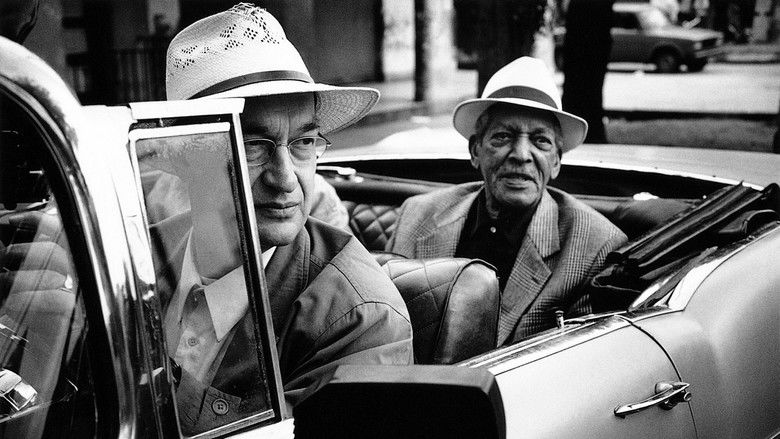
In this fascinating Oscar-nominated documentary, American guitarist Ry Cooder brings together a group of legendary Cuban folk musicians (some in their 90s) to record a Grammy-winning CD in their native city of Havana. The result is a spectacular compilation of concert footage from the group's gigs in Amsterdam and New York City's famed Carnegie Hall, with director Wim Wenders capturing not only the music -- but also the musicians' life stories.
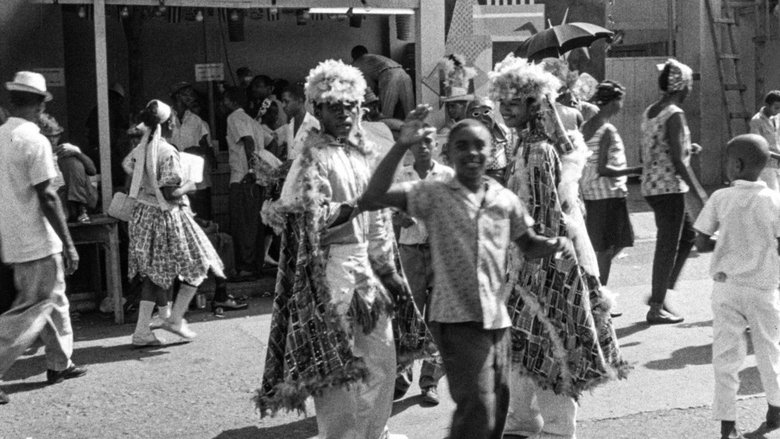
This black-and-white film is a loving portrait of Santiago de Cuba and its people. It provides a view of Cuba as a picturesque country, the product of an earthy mix of black and criollo cultures. The film uses historical images which portray the end of the eighteenth century when Haitian slave owners fled with their slaves to Cuba after the Haitian Revolution.
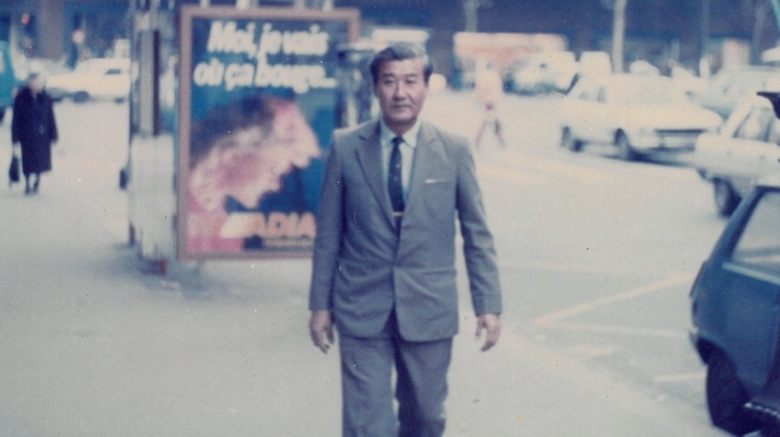
Born to Korean immigrant parents freed from indentured servitude in early twentieth century Mexico, Jerónimo Lim Kim joins the Cuban Revolution with his law school classmate Fidel Castro and becomes an accomplished government official in the Castro regime, until he rediscovers his ethnic roots and dedicates his later life to reconstructing his Korean Cuban identity. After Jerónimo's death, younger Korean Cubans recognize his legacy, but it is not until they are presented with the opportunity to visit South Korea that questions about their mixed identity resurface.
An intimate portrait of the lives of Delvys and Carlos, siblings who live alone with their elderly mother in a rural part of a small Cuban town. The film portrays a family engulfed in their inner worlds. Between the sacrifices they make out of love for those who are present, and their longing for things that are absent, they struggle to find meaning as they reflect, contemplate, and carry the weight of existence, trying together, to move forward.
A raw, unvarnished look at contemporary Cuba through the lens of its people, who are at once fiercely loyal to their country while being extremely dissatisfied after decades of neglect.
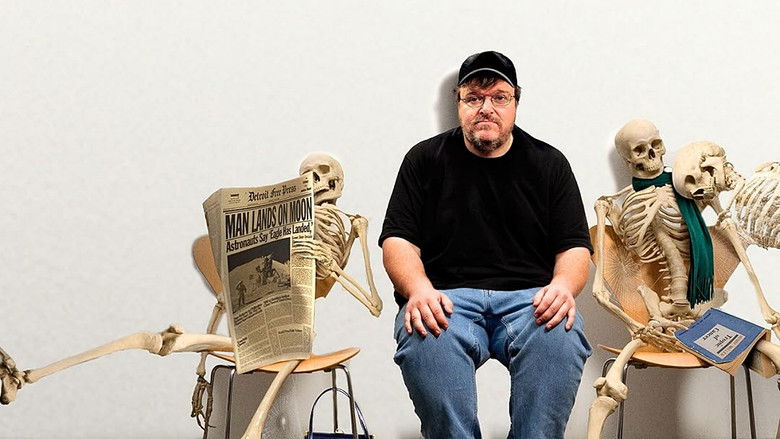
A documentary about the corrupt health care system in The United States whose main goal is to make profit even if it means losing people’s lives. "The more people you deny health insurance, the more money we make" is the business model for health care providers in America.
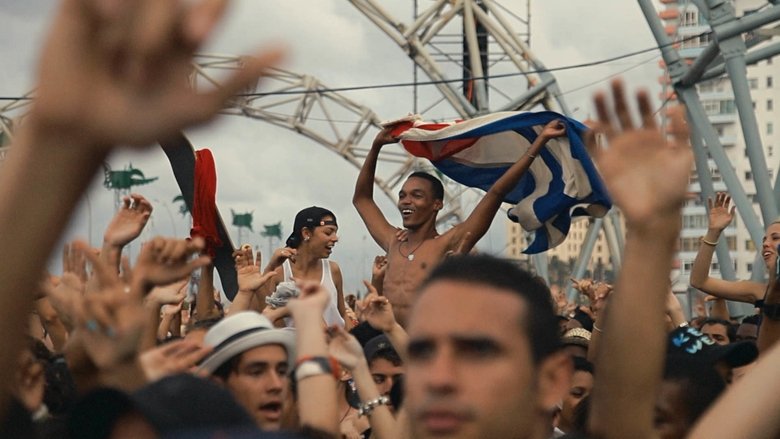
In the spring of 2016, global music sensation Major Lazer performed a free concert in Havana, Cuba—an unprecedented show that drew an audience of almost half a million. This concert documentary evolves into an exploration of youth culture in a country on the precipice of change.
When the U.S. trade embargo left Cuba isolated from medical resources, Cuban scientists were forced to get creative. Now they've developed lung cancer vaccines that show so much promise, some Americans are defying the embargo and traveling to Cuba for treatment. In an unprecedented move, Cuban researchers are working with U.S. partners to make the medicines more widely available.
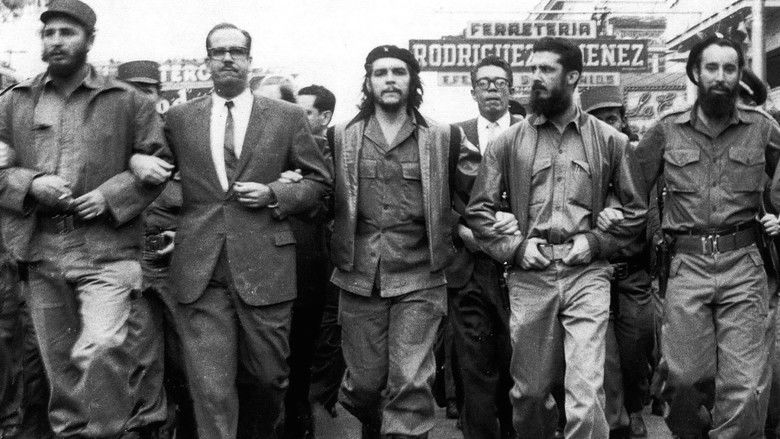
This program examines Cuban exile terrorists living in Miami. These terrorists were secretly trained and employed by the U.S. government in the early 1960s to fight Fidel Castro. Now, without U.S. support, terrorist activities continue in Miami and Latin America. The program reviews secret U.S. policies toward Cuba in the 1960s and includes interviews with Castro and former top CIA officials. Members of this group, formerly secretly trained and employed by U.S. Government until 1967, have been active in Watergate crimes and anti-Castro terrorism including bomb explosion on Cuban Airline killing seventy-three. Includes interviews with Castro, E. Howard Hunt, Bernard Barker, and Rolando Martinez.' - The Paley Center For Media
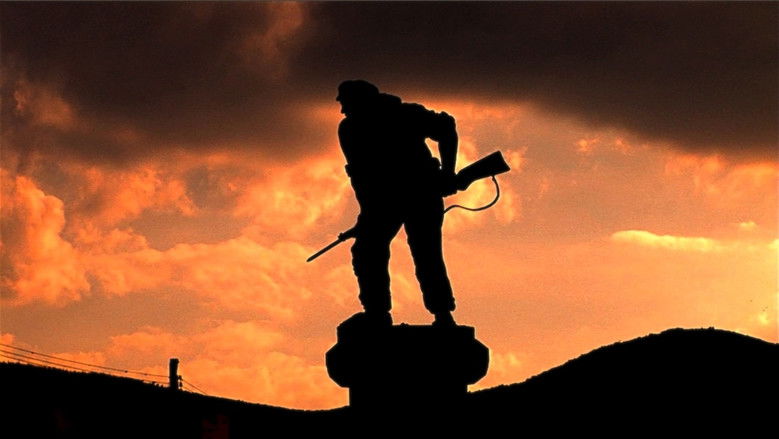
A documentary that explores the myth behind the truth. Different people around the globe reinterpret the legend of Che Guevara at will: from the rebel living in Hong Kong fighting Chinese domination, to the German neonazi preaching revolution and the Castro-hating Cuban. Their testimonies prove that the Argentinian revolutionary's historical impact reverberates still. But like with all legends, each sees what he will, in often contradictory perspectives.
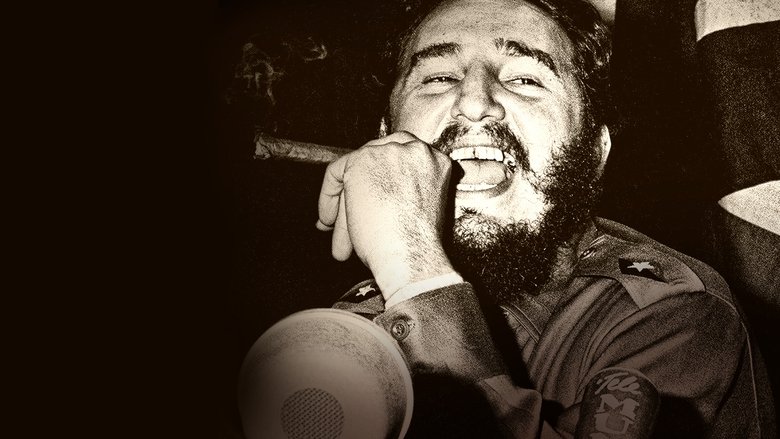
Fidel Castro employed a vast spy network that helped him remain in power.
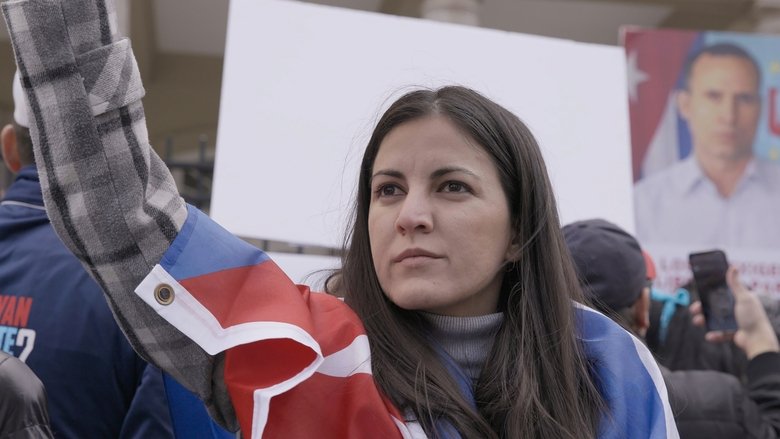
For seven years, award-winning Chinese-American filmmaker Nanfu Wang follows Rosa María Payá, daughter of the five time Nobel Peace Prize nominated activist, Oswaldo Payá, in Rosa's fight for democratic change in Cuba. Rosa's narrative is interwoven with Wang's poignant reflections on her Chinese upbringing and her observations of eroding democratic norms in the U.S., revealing unsettling similarities to the authoritarian system she left behind.
Documentary about the history of the bateyes, informal settlements surrounding the mills to house workers. Throughout the film, Sara Gómez recovers the political and cultural relevance of black migrants.
Three juxtaposing stories taking place in Portugal, Austria and Cuba create an intimate and poetic portrait of the daily lives and struggles of the elderly in an unstable world, seen through the eyes of their grandchildren.
The story of Cuban refugees who risked their lives in homemade rafts to reach the United States, and what life is like for those who succeed.