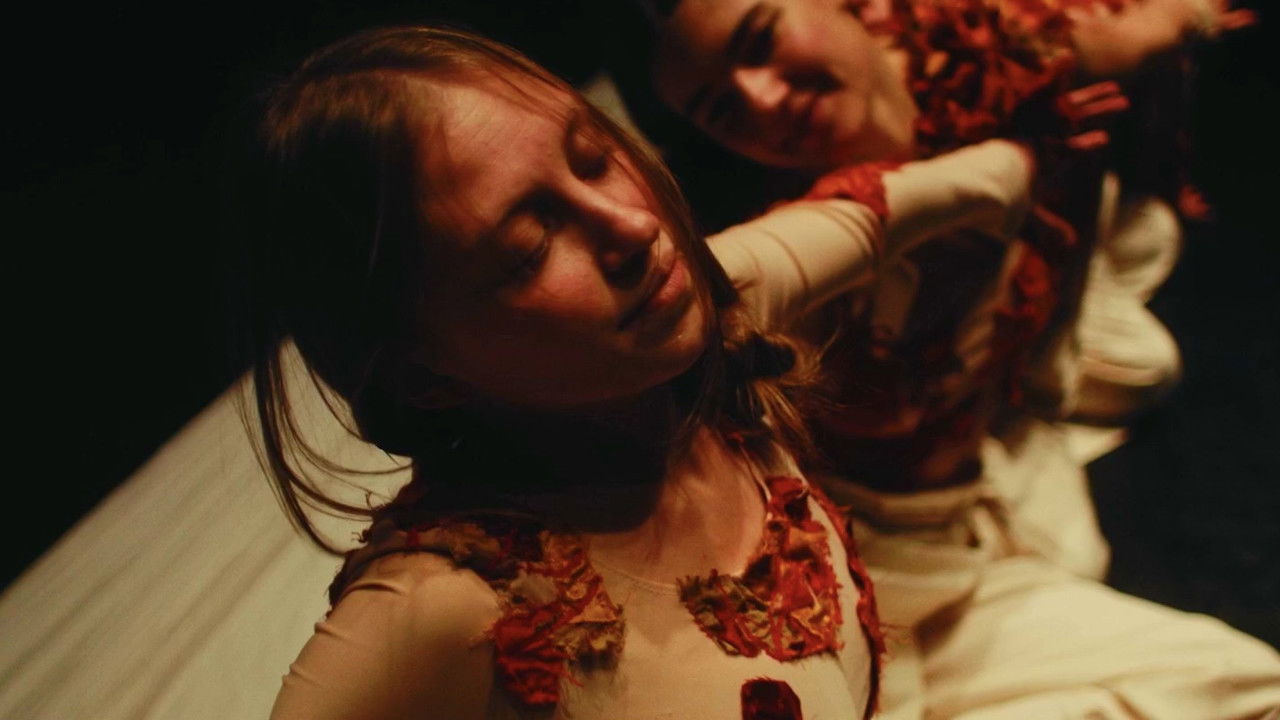
Match in a Haystack (2025)
When Russia invaded, the women of Ukraine's leading contemporary dance group struggled to find purpose in their work. A search for new forms of resistance ultimately led them back to dance.
When Russia invaded, the women of Ukraine's leading contemporary dance group struggled to find purpose in their work. A search for new forms of resistance ultimately led them back to dance.
 Gala PekhaSelfNadine KupetsSelfYuliia LupitaSelfKatia ByshevaSelfIuniia KupetsSelfKateryna KupetsSelfKatia KurmanSelfTanya RyabtsynSelfDasha SamoilovaSelfPolina BulatSelf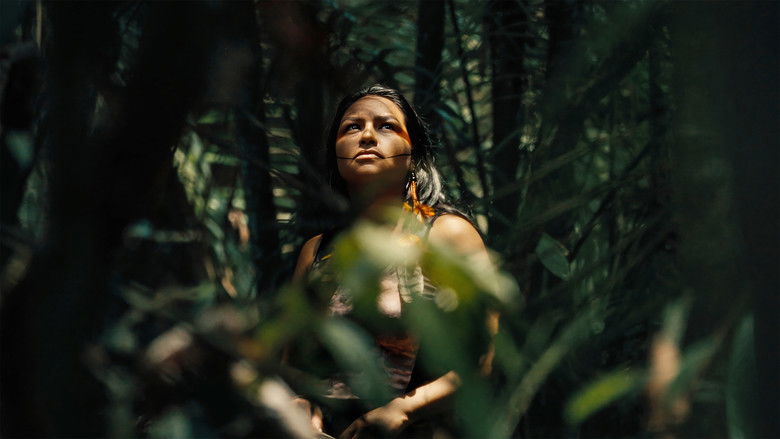
Indigenous chief Juma Xipaia fights to protect tribal lands despite assassination attempts. Her struggle intensifies after learning she's pregnant, while her husband, Special Forces ranger Hugo Loss, stands by her side.
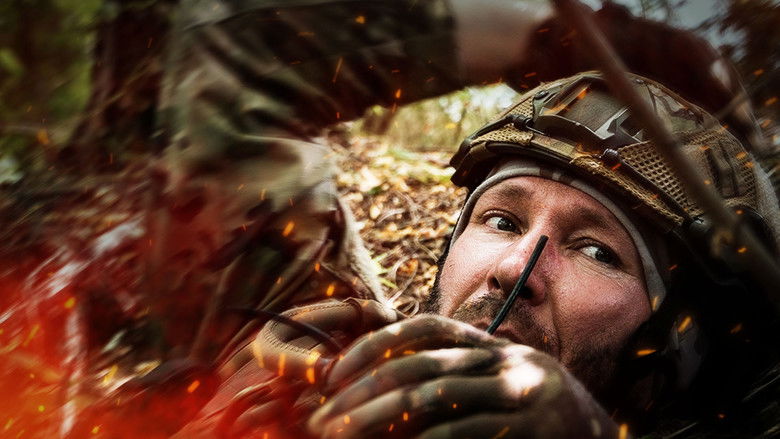
Filmmaker Olly Lambert spends two months on Ukraine’s southern frontline with volunteer special forces as they begin the push to capture Kherson. The film follows “Hummer”, an experienced military commander who now finds himself a chaperone to completely inexperienced forces on the frontline.
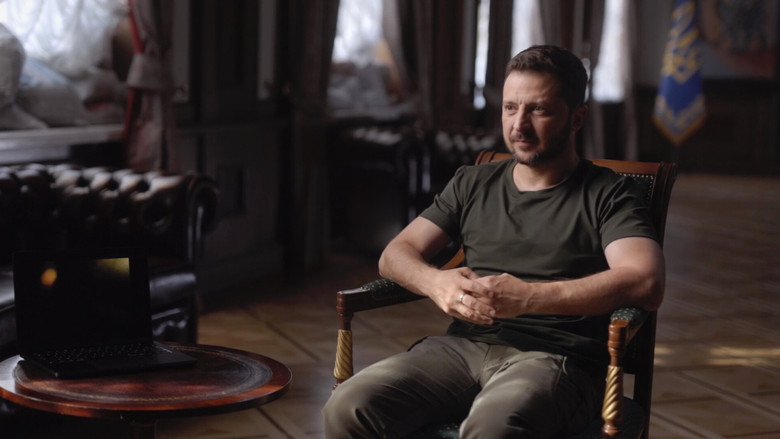
Ten years ago, Volodymyr Zelensky was just one of the many faces on Ukrainian television screens. He became a star thanks to the 2015 satirical series Servant of the People, in which he played a history teacher who becomes president. Four years later, what began as fiction became a reality. This French documentary follows the transformation of a popular TV comedian into a statesman on the front lines of the Russian invasion. Archival footage, family photos, television appearances, and interviews with Zelensky and those closest to him create a multi-layered portrait of a man who always longed for a large audience. At the same time, the film places his personal development in the broader context of post-Soviet Ukraine, which is also searching for its own identity.
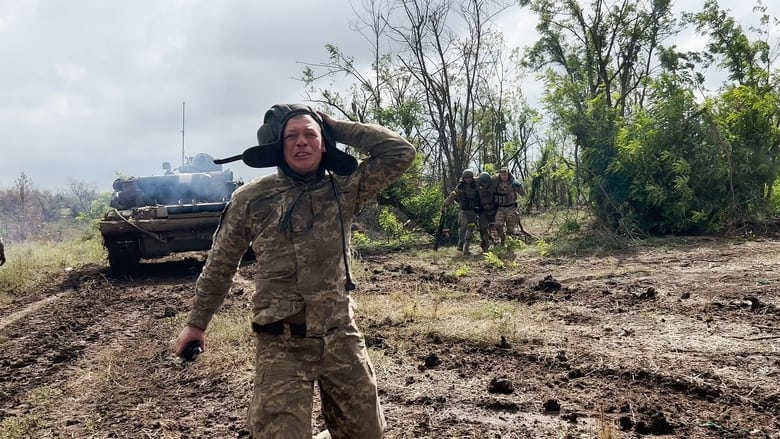
On February 24, 2022, Yevhen, together with his friends, volunteered to join the first aid squad on the front line. They provided life-saving support and evacuation of the wounded. This film reveals the experiences of these young men for six months full of drama, despair, fear, hatred, bitterness, love, and, most importantly, faith in victory.
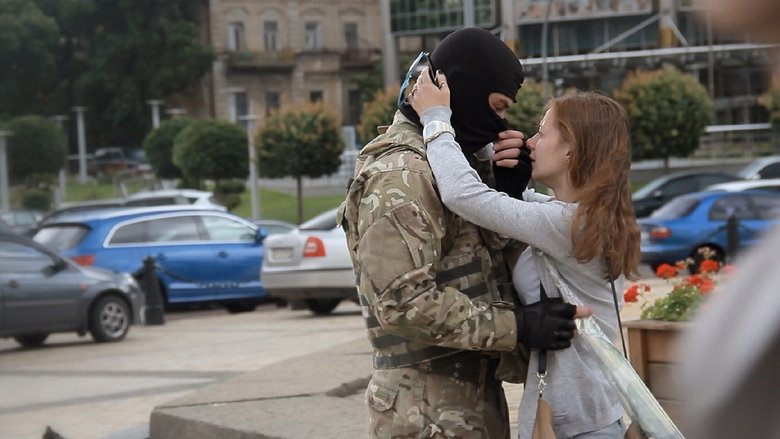
The story of war, love and death that was documented by the immediate participants of events. Off screen and later on it are the two - a boy and a girl. He volunteered for the front; she went to the place just after the battle. He got into Ilovaysk cauldron, lost his closest brother-soldiers. She, while travelling along the ruined towns, strives to understand the essence of war and love. Both tell openly one another about their feelings during the war, escaping the cauldron, a try to live together after, and a common trip to the frontline.
In 2014, the war begins. Immediately, a system of evacuation of the wounded and killed is being built, the outpost of which is the Dnieper - it is here that the first will be delivered, it is here that they are still received. Tatiana Guba has been coordinating the evacuation for 5 years. She is called "Mom Tanya". Thousands of people are grateful to her for her life. Serhiy Kryvorotchenko, director of the Dnipro Airport, has deployed a helicopter evacuation system since the beginning of the war. Eugene Titarenko, the film's director, in 2014-2015 was part of a volunteer medical battalion, communicates with the heroes of the film about the evacuation system. The viewer will see the whole way of saving lives, will be directly in the vortex of events and will understand how many people are involved in the process of saving one person.
Filmed throughout Ukraine just months before the full-scale Russian invasion, this vérité visual ethnography explores the overlaps of memory, hope, progress, and nostalgia at the scale of everyday life.
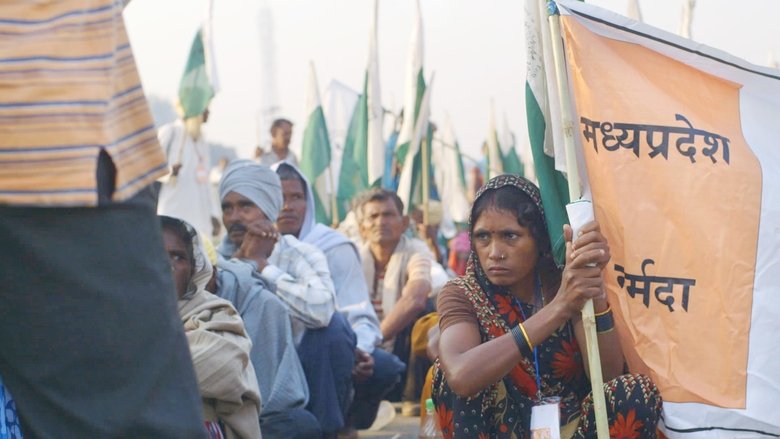
Hundreds of thousands of Indian men and women – indigenous inhabitants and landless farmers – demand their right to existence by making a 400 kilometre protest march from Gwalior to Delhi. How can one fight for one’s rights without using violence? With such an important contemporary question, the film spreads far beyond the borders of India. It shows the multiple facets of this imposing protest march and focuses as well on the daily realities of these proud people.
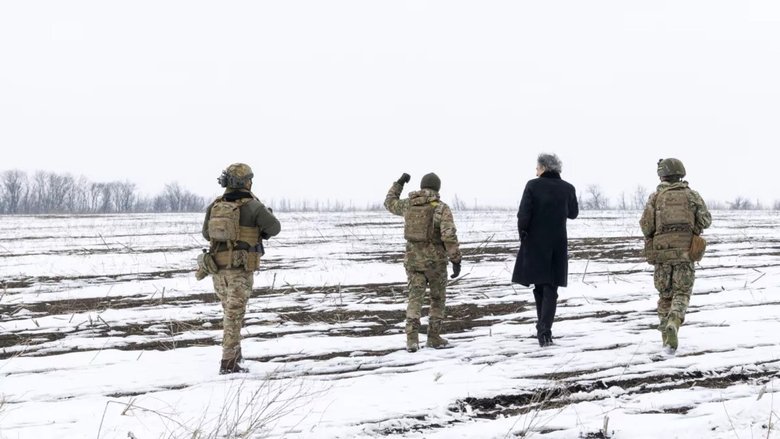
Between February and April 2025, filmmakers Bernard-Henri Lévy and Marc Roussel filmed the Pokrovsk and Soumy fronts in eastern Ukraine, following the fighters of the Anne de Kyiv Brigade, armed by France. They filmed the daily lives of the inhabitants, bombarded by Russian forces terrorizing civilians on the eve of possible negotiations. They interview President Zelenskyy, who is reluctant to travel to Washington, and then watch the rebroadcast of the meeting with Ukrainian soldiers in a bunker. For the real heroes are the anonymous fighters and civilians who hold their heads high in the face of adversity and suffering, and who are filmed on a daily basis. The final part of Lévy’s “Ukrainian Quartet”, Our War is a diary, peppered with flashbacks in which the author recalls the high points of this war that began in 2014.
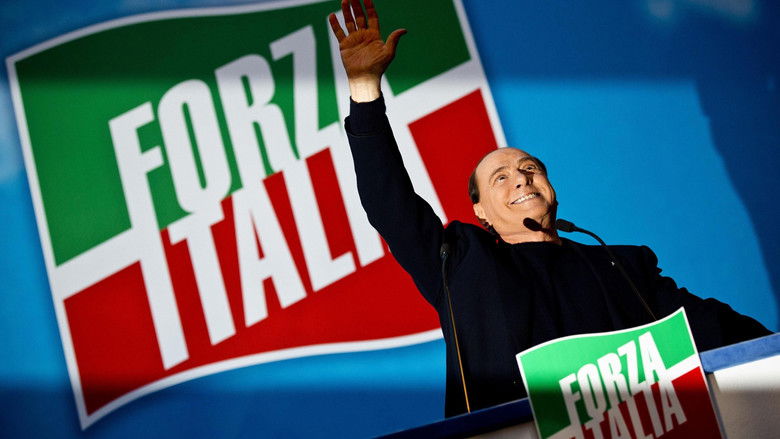
In a country where bella figura is a national pastime, Prime Minister Silvio Berlusconi is the maestro of media manipulation. Having risen to political primacy with the aid of his Mediaset empire, he now controls 90% of the bel paese’s television channels including the state-run RAI network. Quantity, it seems, does not equal quality. Fed on a diet of semi-naked dancing girls, inane competitions and rickety reality shows built around the most ridiculous of premises, is it any wonder that Italians are becoming a nation of fame-hungry wannabes?
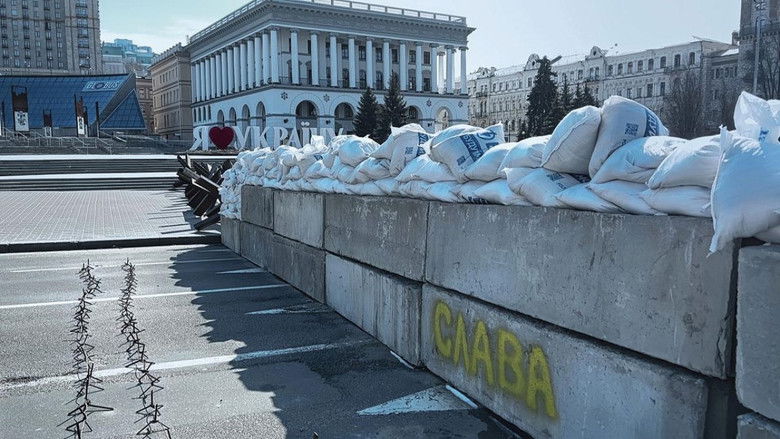
24 February 2022: Russia invades Ukraine. Romain Goupil leaves for Kyiv in a hurry. It was an imperative decision for him to go and support the Ukrainian resistance by filming to bear witness. He left without knowing if he would find a family ready to welcome him to share with them life day after day under the threat of bombing. Finally, the Kyiv circus welcomed him. Romain spent a month in this closed environment imposed by the war on men and animals.
Filmmaker Steve York explores the controversial 2004 Ukrainian presidential election, during which candidate Viktor Yushchenko suffered a near-fatal poisoning and his unpopular opponent, Viktor Yanukovych, was declared the winner. In the aftermath, more than a million people -- including the ailing Yushchenko -- took to the streets of Kiev, protesting the results that contradicted exit polls showing Yushchenko with an impressive lead.
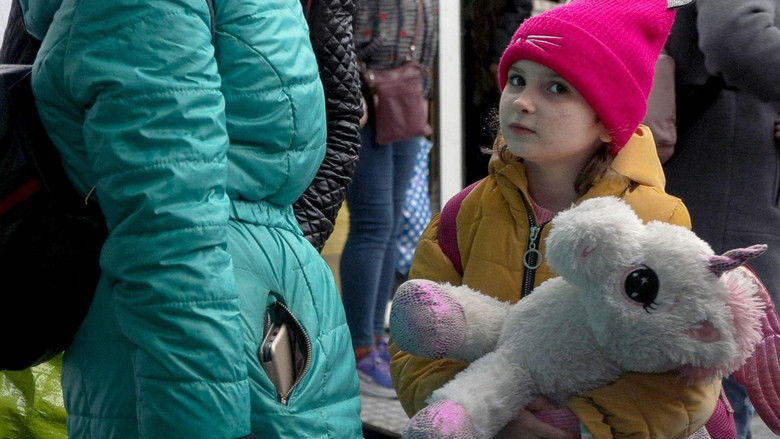
Since 24 February 2022, when the Russian invasion of Ukraine began, several million refugees have already been taken in by Poles. In the Lublin region, near the Bug River, which marks the border with Ukraine and Belarus, farmers, shopkeepers, a photographer, and a teacher tell how their daily lives have been transformed by the outbreak of this war.
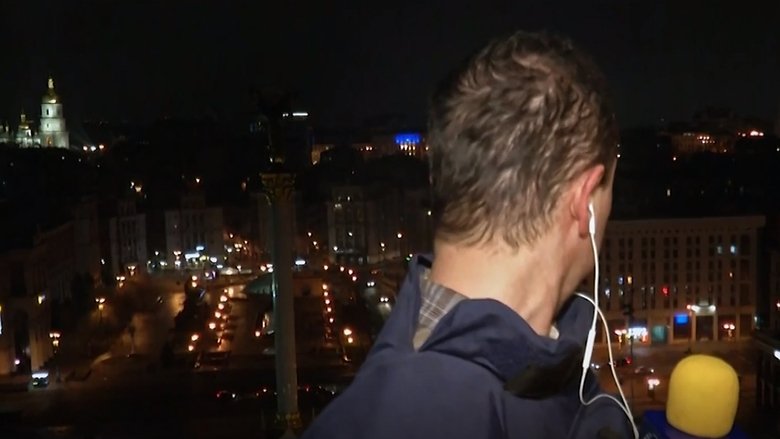
Four journalists talk about their experiences and share their testimonies of the Russian invasion of Ukraine.
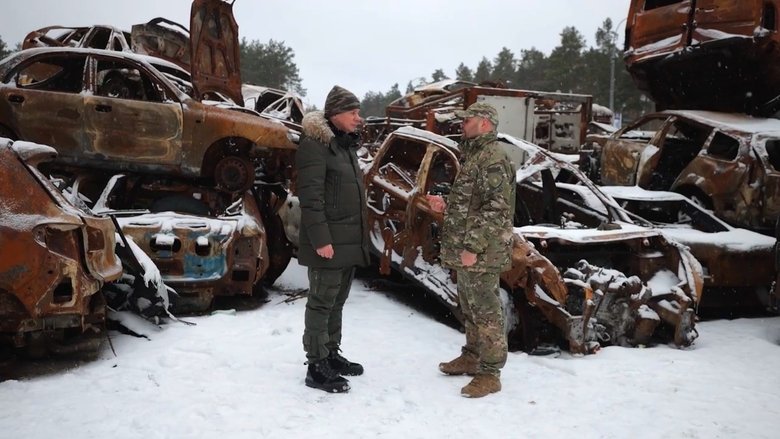
A documentary film-project by Dmytro Komarov. He was the first journalist to witness and film the horrors of the just-liberated towns of Bucha, Irpin and Hostomel. He saw the first emotions of people immediately after the de-occupation of Kyiv region, Kharkiv region, and Kherson region. The documentary is the author's view of the war from angles that you won't see in the news. Unique, rare, exclusive comments from those whose hands and minds are shaping our future victory. The main heroes of documentary are both ordinary Ukrainians who heroically show their strength and power every day for a year and high-ranking officials such as Minister of Defense of Ukraine Oleksiy Reznikov, Chief of the General Staff of the Armed Forces of Ukraine Kyrylo Budanov, Major General Oleksandr Syrskyi, Commander of the Air Force of the Armed Forces of Ukraine Lieutenant General Mykola Oleshchuk. Initially, "Year" was a series of journalistic reports, later they were edited into a two-part film.
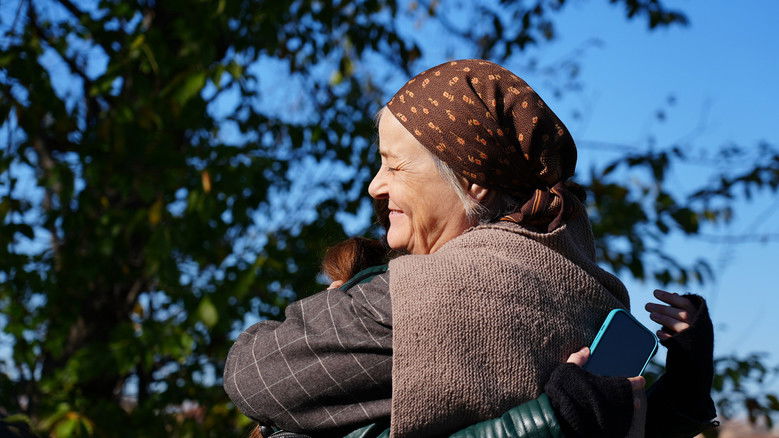
With no Forest left to hunt and no land to cultivate, the Maby-Guarani depend on the sale of their handcraft to survive. Three young Guarani filmmakers accompany the daily life of two comunities united by the same history, since the first contact with the Europeans until the intense coexistence with today’s White people.
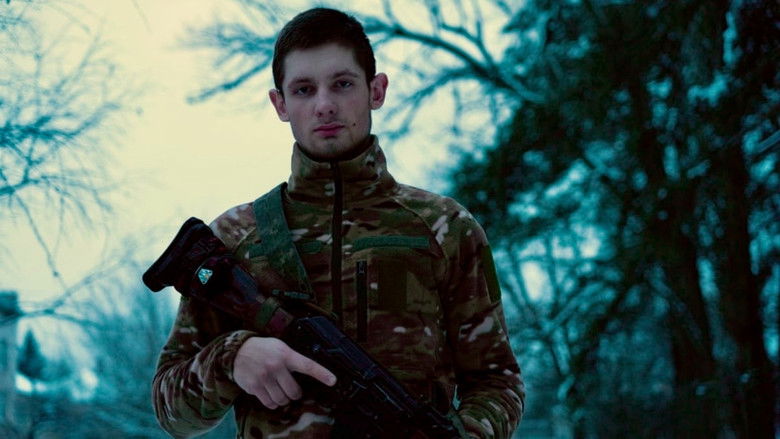
A revealing and moving portrait of lives compromised by war, filmed exclusively by Ukrainian soldiers with extraordinary access to a tightly-controlled frontline.
A key overview of twentieth-century American fascism and antifascism produced in 1991 by the John Brown Anti-Klan Committee.
Terpsichore is a captivating exploration of dance as an art form, illuminating the passion, discipline, and vulnerability that transform movement into poetry. The documentary follows three distinct yet interconnected artists: Cece Trapani, an Irish dancer; Aurora Maur, a burlesque performer; and the Dayton Contemporary Dance Company (DCDC), a renowned contemporary dance ensemble. Through their stories, Terpsichore reveals the universal language of dance—one that transcends genre and speaks to the depths of human emotion. Intimate interviews and behind-the-scenes rehearsal footage offer a raw, unfiltered look at the artistry behind each performance, capturing the essence of dance as both personal expression and a bridge between artist and audience. More than a showcase of technique, Terpsichore delves into the soul of movement, celebrating its power to connect, inspire, and reveal the unspoken truths of the human spirit.