
Jodie Promo (1995)
a chronological coming attractions overview of Jodie Foster’s career
a chronological coming attractions overview of Jodie Foster’s career
 Jodie Foster(Archival)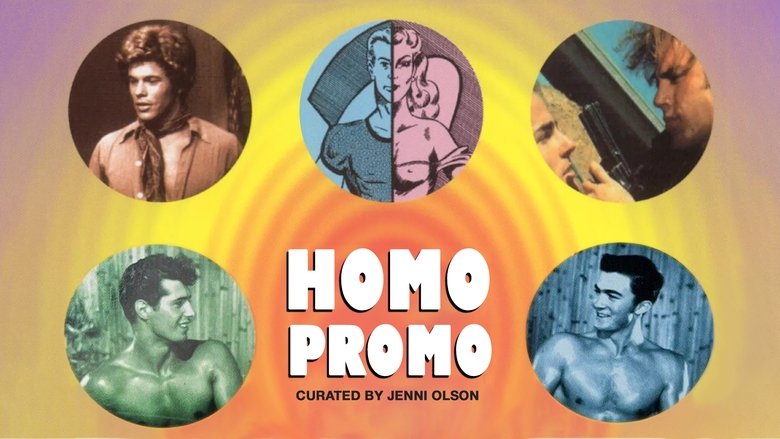
This spectacular showcase of vintage movie trailers offers a crash course in lesbian, gay, bi and transgender (LGBT) movie history and a colorful look at nearly every major mainstream queer-themed film produced between 1953 and 1977! Archivist Jenni Olson is one of the world’s leading experts on LGBT film history — curated from her private collection of rare original 35mm coming attractions trailers, Homo Promo has entertained audiences at LGBT film festivals around the world offering a campy cavalcade of coming attractions. Please note: The condition of these original 35mm archival prints varies — enjoy the wear and tear and rest assured that they have now all been donated to the Outfest/UCLA Legacy Project for LGBT Film Preservation where they are now being properly cared for.
A compilation of "coming attractions" from bad '50s melodrama through the greatest disaster movies of the '70s. Features a chain of your divas including Bette Davis in What Ever Happened to Baby Jane?, Jeanne Moreau in Mademoiselle, Elizabeth Taylor in Butterfield 8 and Boom, Kim Novak in The Legend of Lylah Clare, Susan Hayward in I'll Cry Tomorrow, and Judy Garland in I Could Go On Singing. One clips is a young Rock Hudson promoting Christmas Seals. Bride of Trailer Camp includes specimens of movie trailer artistry.
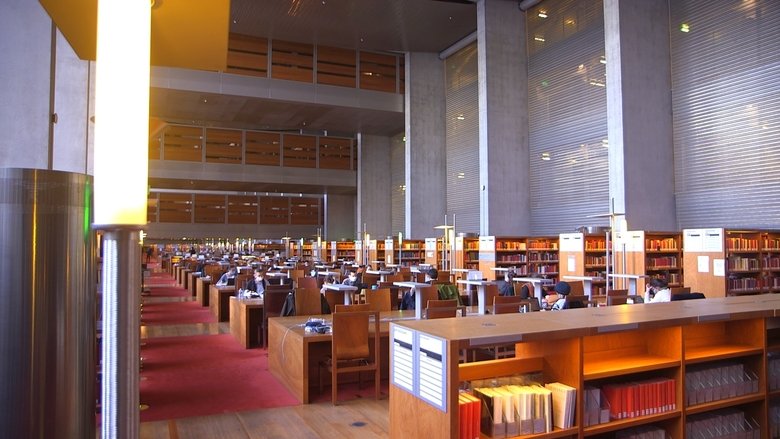
The National Library of France is the guardian of priceless treasures that tell our history, our illustrious thinkers, writers, scholars and artists. Telling the story of the exceptional treasures of the National Library of France is like opening a great history book rich in many twists and turns. Without the love of the kings of France for books and precious objects, this institution would never have seen the light of day. The story begins in the 14th century under the reign of a passionate writer, Charles V, who set up a library in his apartments in the Louvre. But it was not until the 17th century, and the reign of Louis XIV, a lover of the arts and letters, that the royal library took over its historic quarters in the rue Vivienne in Paris, which it still occupies.
$avy investigates the historical, cultural, and societal norms around women and money.
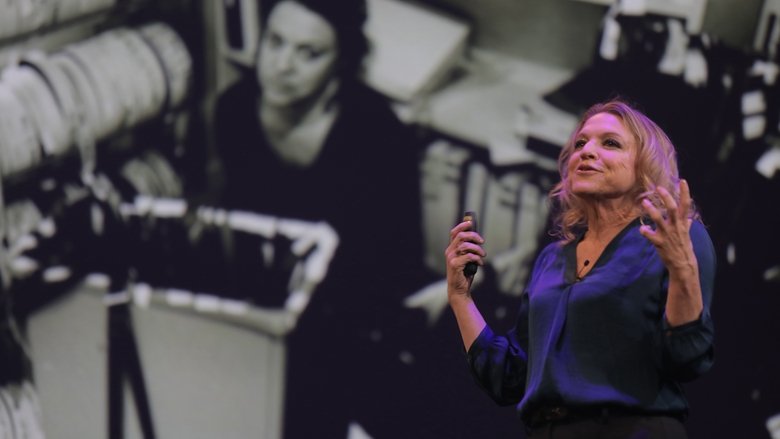
Investigates the politics of cinematic shot design, and how this meta-level of filmmaking intersects with the twin epidemics of sexual abuse/assault and employment discrimination against women, with over 80 movie clips from 1896 - 2020.
This short documentary sifts through the pages of a woman's diary who has recently begun to write her memoir. As she looks back at her life and some of her memories, the film explores the ordinary act of writing and the value and meaning it may hold in mundane everyday life.
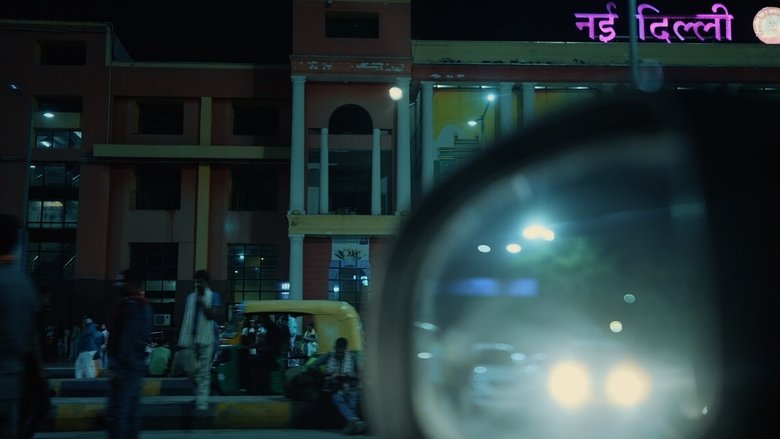
Three women share their experience of navigating the app-world in the metro city. The sharings reveal gendered battles as platform workers and the tiresome reality of gig-workers' identities against the absent bosses, masked behind their apps. Filmed in the streets of New Delhi, the protagonists share about their door-to-door gigs, the surveillance at their workplaces and the absence of accountability in the urban landscape.
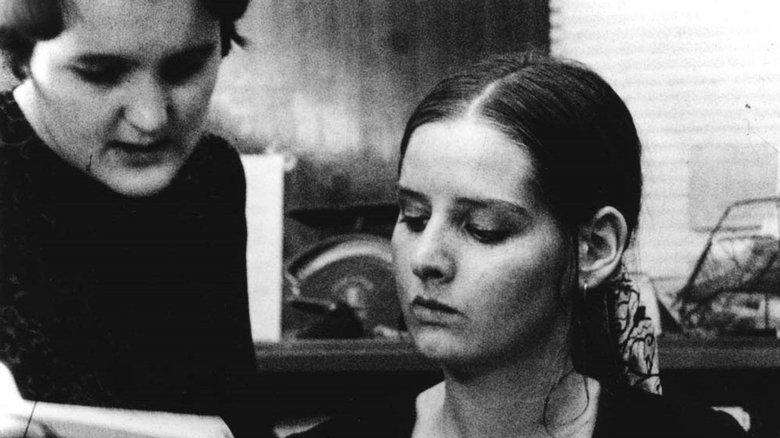
A docu-drama shot in 1970, but not completed until 1973, the film sought to encapsulate in an experimental form issues that were under discussion within the Women’s Liberation Movement at this time and to thus contribute to action for change. In its numerous community screenings, active debate was encouraged as part of the viewing experience.
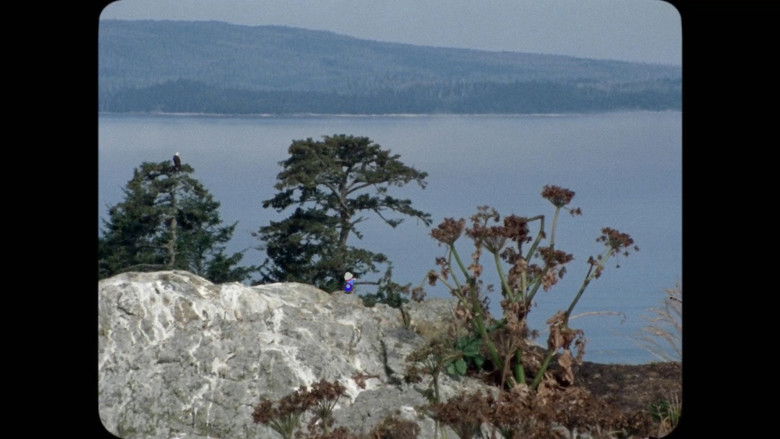
On a misty morning in the fall of 1985, a small group of Haida people blockaded a muddy dirt road on Lyell Island, demanding the government work with Indigenous people to find a way to protect the land and the future. In a riveting new feature documentary drawn from more than a hundred hours of archival footage and audio, award-winning director Christopher Auchter (Now Is the Time) recreates the critical moment when the Haida Nation’s resolute act of vision and conscience changed the world.
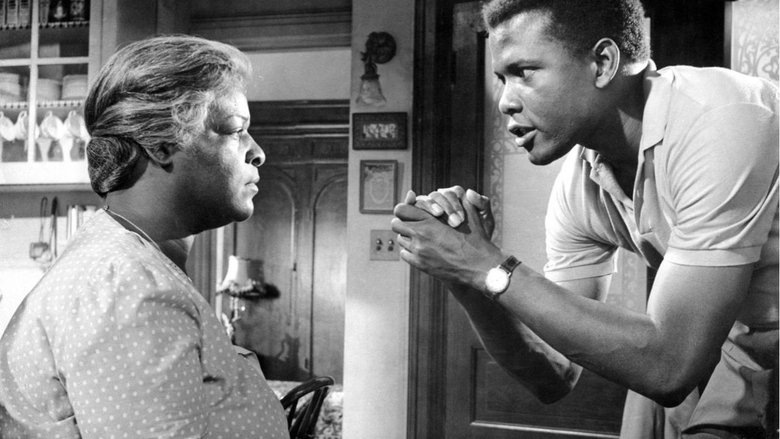
Co-curated by Jenni Olson and the late Black gay activist Karl Knapper, this entertaining showcase of vintage movie trailers traces the evolution of African American cinema through its most crucial period, 1952-1976. Filled with insights on race and social dynamics, this fascinating compendium of coming attractions explores an extensive range of stylistic approaches—Blaxploitation, Comedy, Music Bio, Plantation Drama and more—offering an outrageous joyride through motion picture history. Beyond mere camp, these marvelously condensed gems crystallize a range of African American identities and personalities, tracking the meteoric careers of Sidney Poitier, James Earl Jones, Billy Dee Williams, Richard Pryor, Pam Grier and others through their bold performances in movies both hugely popular and practically forgotten. Afro Promo provides a compact glimpse at the representation of African Americans through twenty-five dynamic years of American cinema history.
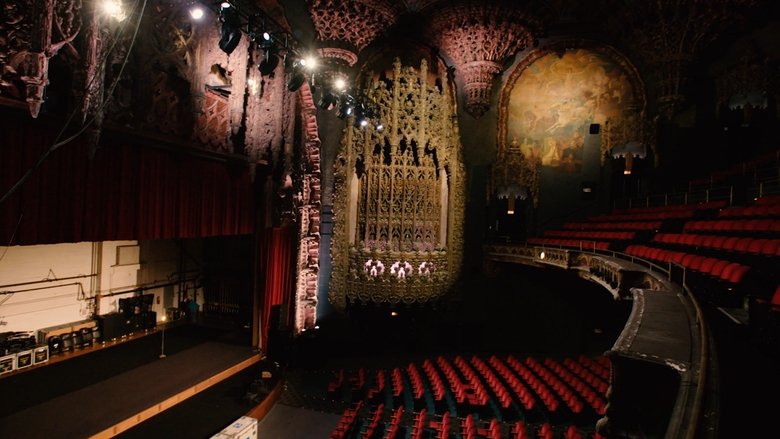
Celebrating the splendor and grandeur of the great cinemas of the United States, built when movies were the acme of entertainment and the stories were larger than life, as were the venues designed to show them. The film also tracks the eventual decline of the palaces, through to today’s current preservation efforts. A tribute to America’s great art form and the great monuments created for audiences to enjoy them in.
The open road presents a point of departure for director lori lozinski to process deep-seated grief. Revisiting the formative experiences that drove her ambition, lozinski examines the influence of her parents in the present light of day.
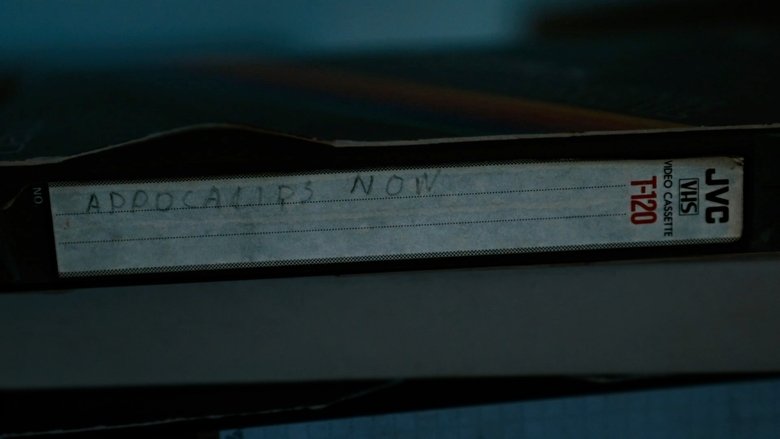
In 1975, soon after the end of the Vietnam War, Hoa Thi Le and Hue Nguyen Che fled the country on a small boat. After nine days at sea, they docked in the Philippines, where they were utilized as background extras for “Apocalypse Now.”
A short documentary about a trailer weighing over 300 tons that carries material for the construction of a dam toward Tokyo.
WINHANGANHA (Wiradjuri language: Remember, know, think) - is a lyrical journey of archival footage and sound, poetry and original composition. It is an examination of how archives and the legacies of collection affect First Nations people and wider Australia, told through the lens of acclaimed Wiradjuri artist, Jazz Money.
This glasnost-era documentary, which incorporates footage from films from the 1920s through the 1980s, looks at the history of women in Russian cinema through the eyes of Russian women directors, actors, and scriptwriters. The film’s title refers to a WWII slogan about women doing the work of absent men in the fields and at home. Featuring Kira Muratova, Natalia Ryazantseva, Inna Churikova, Nonna Mordyukova, and others.
A documentary reflecting on women in film and the entertainment industry through the ages led and hosted by some of its most beloved female icons.
Hot Splice is a semi-serious short documentary that highlights how destructive film repairs leave behind raw materials to experiment and play with. In a mixture of archival video, 16mm film scans, inexplicable French narration, and Atlanta trap history, this short takes bits and pieces collected during my time as an archival assistant to make something nouveau.
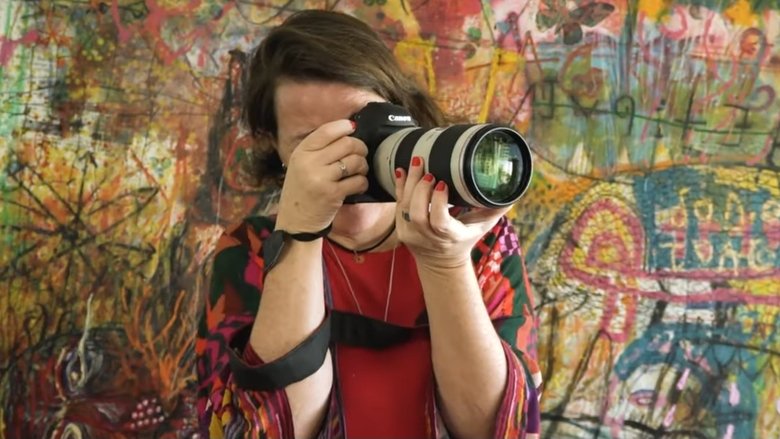
X-ray images were invented in 1895, the same year in which the Lumière brothers presented their respective invention in what today is considered to be the first cinema screening. Thus, both cinema and radiography fall within the scopic regime inaugurated by modernity. The use of X-rays on two sculptures from the Bilbao Fine Arts Museum generates images that reveal certain elements of them that would otherwise be invisible to our eyes. These images, despite being generally created for technical or scientific purposes, seem to produce a certain form of 'photogénie': they lend the radiographed objects a new appearance that lies somewhere between the material and the ethereal, endowing them with a vaporous and spectral quality. It is not by chance that physics and phantasmagoria share the term 'spectrum' in their vocabulary.