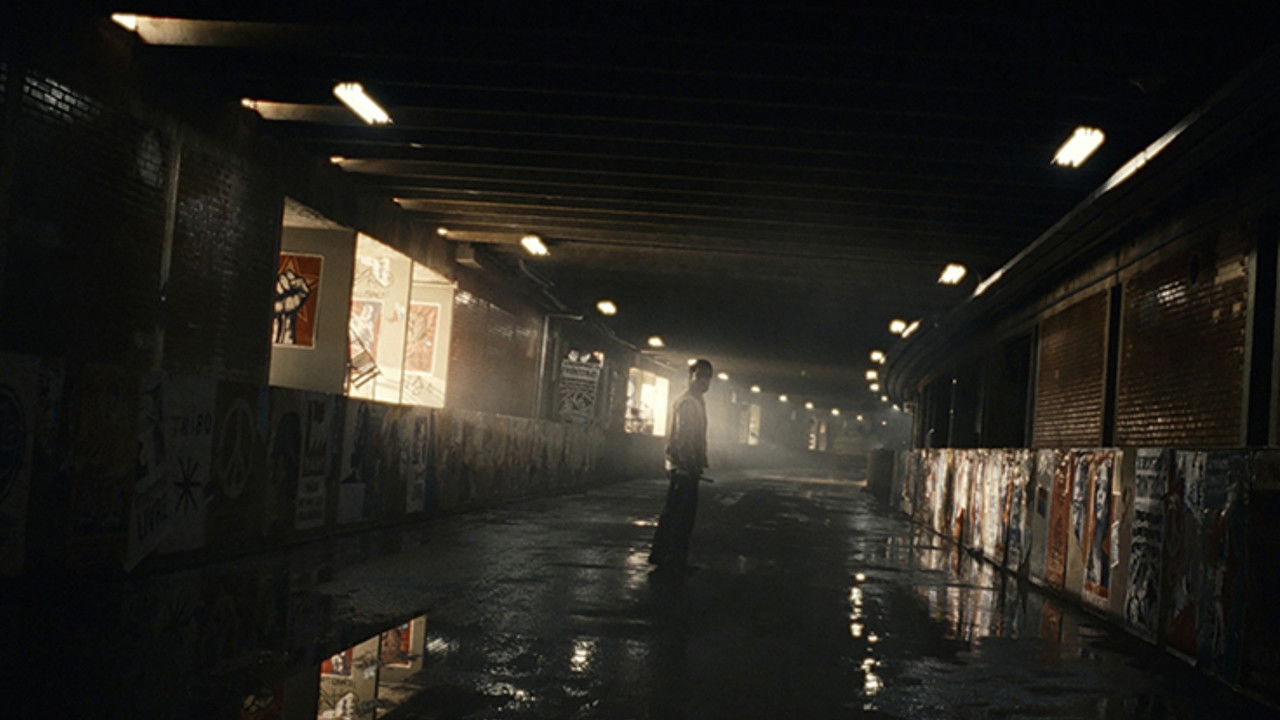
Honestino (2025)
Arrested five times for his activism, student leader Honestino Guimarães was kidnapped in 1973 at the age of 26 and is one of the hundreds of people who disappeared during the Brazilian military dictatorship.
Arrested five times for his activism, student leader Honestino Guimarães was kidnapped in 1973 at the age of 26 and is one of the hundreds of people who disappeared during the Brazilian military dictatorship.
 Bruno GagliassoHonestino Guimarães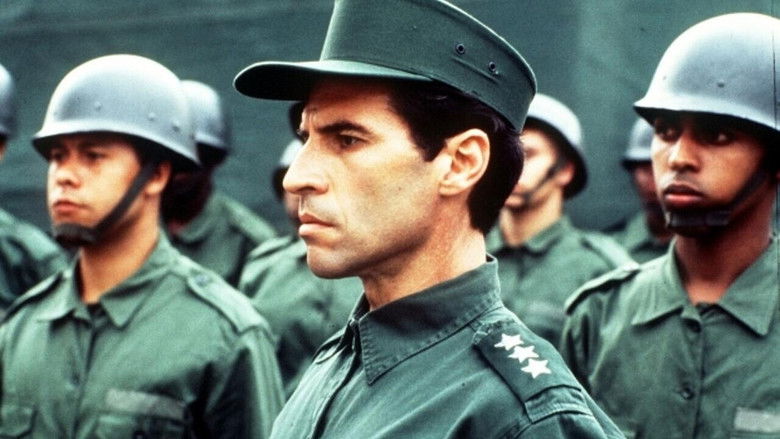
The real story of Carlos Lamarca, a captain who, during the military dictatorship in Brazil, deserted Brazilian Army and got involved in left-wing guerilla groups, becoming one of their most prominent leaders.
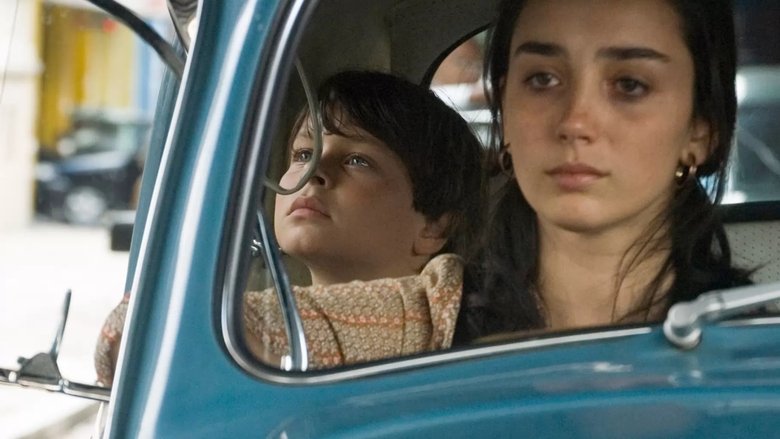
A boy is left alone in a Jewish neighborhood in the year of 1970, where both world cup and dictatorship happen in Brazil.
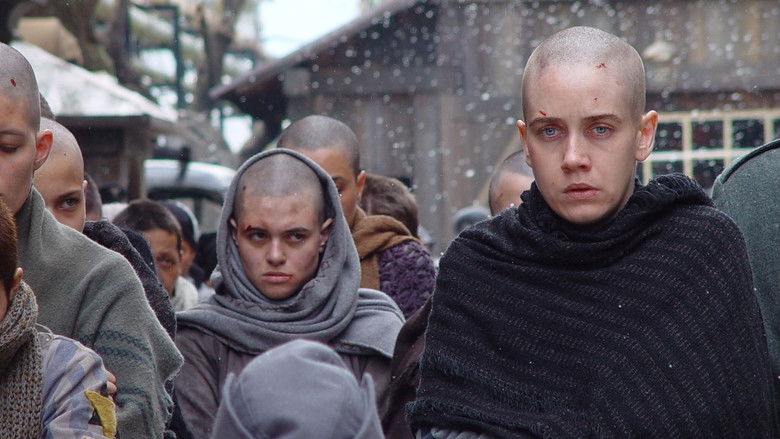
Based upon the true story of Olga Benário, the German-born wife of Brazilian communist leader Luís Carlos Prestes. During the dictatorship of Getúlio Vargas (1930-1945) she was arrested and sent to Nazi Germany, where she was put to death in a concentration camp. After World War II began, Vargas decided to uphold the Allies.
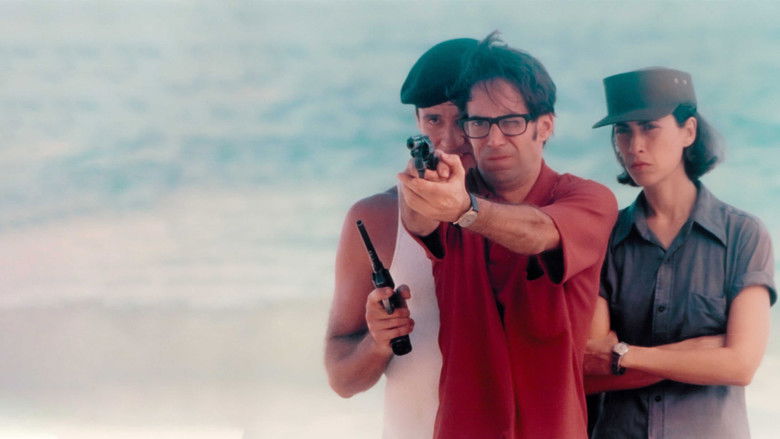
Fernando, a journalist, and his friend César join terrorist group MR8 in order to fight Brazilian dictatorial regime during the late sixties. César, however, is wounded and captured during a bank hold up. Fernando then decides to kidnap the American ambassador in Brazil and ask for the release of fifteen political prisoners in exchange for his life.

Through the testimony of the victims of the Brazilian dictatorship, and the re-creation of the practices to which they were subjected, the torture suffered by the Brazilian political detainees in their country is denounced. Restored version.
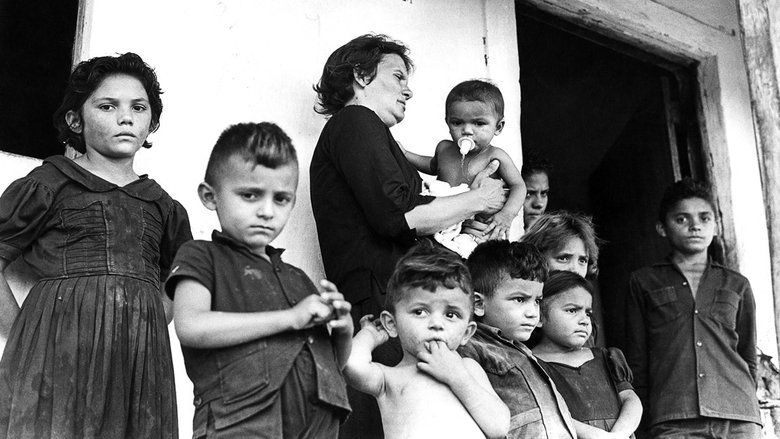
Eduardo Coutinho was filming a movie with the same name in the Northeast of Brazil, in 1964, when there came the military coup. He had to interrupt the project, and came back to it in 1981, looking for the same places and people, showing what had ocurred since then, and trying to gather a family whose patriarch, a political leader fighting for rights of country people, had been murdered.

A woman married to a former politician during the 1971 military dictatorship in Brazil is forced to reinvent herself and chart a new course for her family after a violent and arbitrary act.
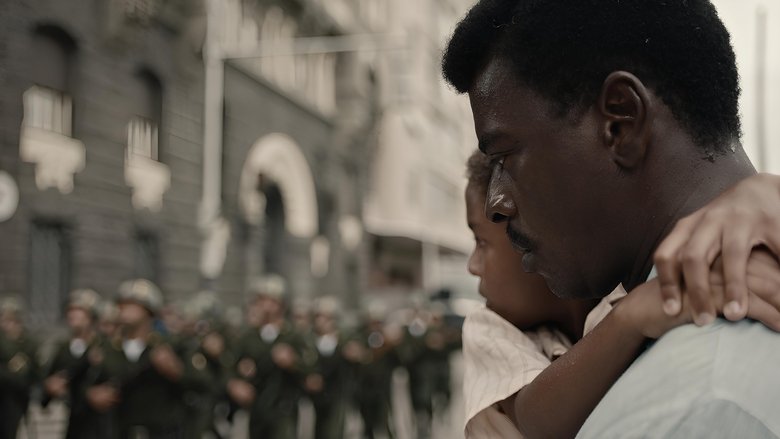
Afro-Brazilian poet and politician, the legendary Carlos Marighella. Driven to fight against the erosion of civil and human rights following the CIA-backed military coup of 1964 and the brutal, racist right-wing dictatorship that followed, the revolutionary leaves behind his wife and son to take up arms, becoming a notorious enemy to the power structure.
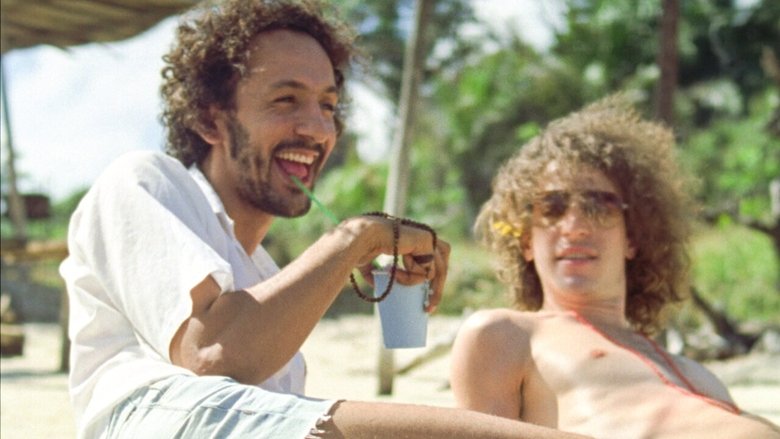
Paulete, the star of a daring theater group, is visited by his military brother-in-law, the young Fininha. A torrid relationship arises between the two, and now the soldier must deal with the prevailing repression during the Brazilian military dictatorship.
A Maxakali filmmaker brings out memories about the formation of the Indigenous Rural Guard (Grin) during the military dictatorship in Brazil, with reports of violence suffered by their relatives.

An ex-convict is tracked down by his estranged teenage son, and the pair try to build a relationship and life together in Seattle.
Because of her not-so-good looks, Wu Liang's career and love are negatively affected. She has used makeup to make herself look more beautiful. This "mask" slowly grows on to her face, making new troubles for her.
Various international presentions are featured through satellite uplink.

An anonymous artist reveals their true identity.
A farmer's son falls in love with a young peasant girl despised by the people of the village where she lives.