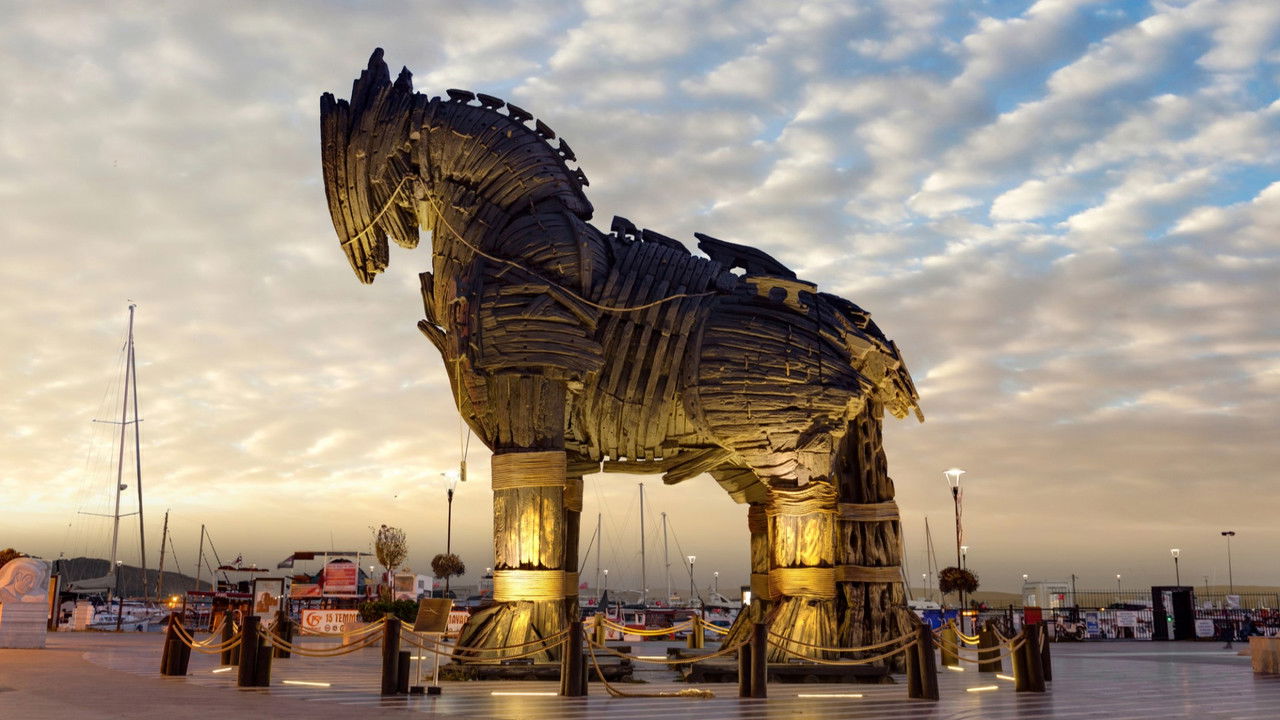
Troy Story (2025)
Explores the latest archaeology and science on one of history's most enduring mysteries - did the Trojan War really happen? In 1874 Heinrich Schliemann announced he had found the legendary city of Troy and caused a sensation.
Explores the latest archaeology and science on one of history's most enduring mysteries - did the Trojan War really happen? In 1874 Heinrich Schliemann announced he had found the legendary city of Troy and caused a sensation.
 Daisy Newton Dunn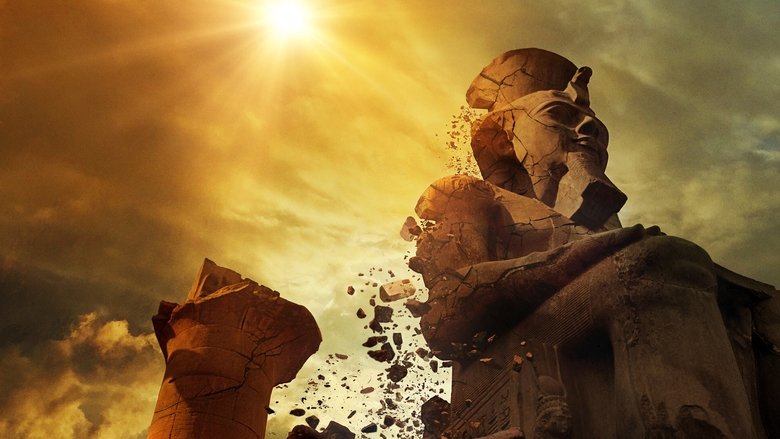
This explores the mysterious and catastrophic collapse of ancient civilizations during the late Bronze Age, from the Hittites to the Mycenaeans and the Egyptians, revealing the tumultuous events that brought an end to a thriving era of human history, and warns we may be facing similar threats today.

In Israel, a joint French-Israeli scientific mission is set to unearth the secrets of the hill of Kiryath-Jearim (or Kiryat Ya’arim), converted to the site of a Catholic convent, where, according to the Bible, the Ark of the Covenant was kept for at least twenty years before being brought to Jerusalem by King David, father of King Solomon, who would eventually build the Holy of Holies inside the First Temple to house it.
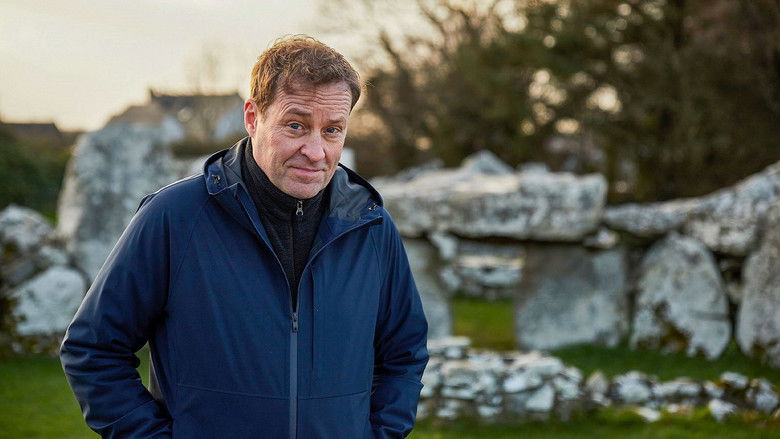
Ardal O’Hanlon explores a 1930s quest to find the first Irish men and women using archaeology, answering his deepest questions about what it means to be Irish.
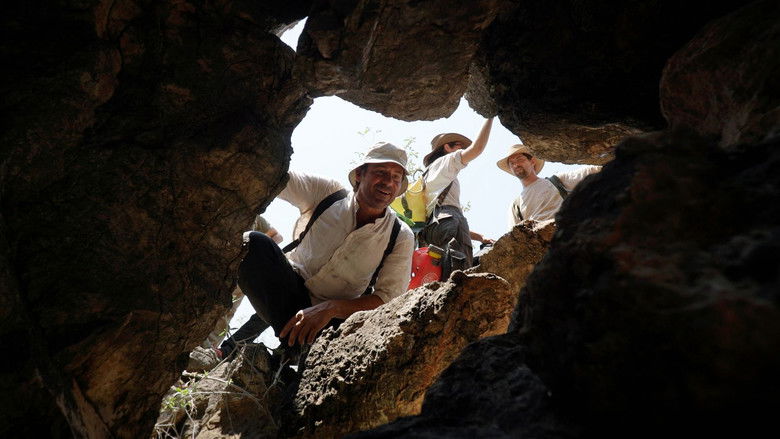
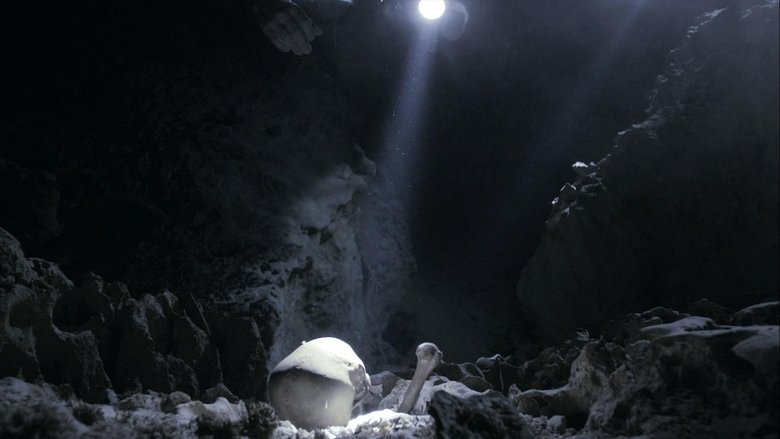
During risky expeditions in an underwater cave in Mexico, scientists unearth the skeleton of a 13,000-year-old prehistoric teenager to gain insight into the earliest known humans in America.
Paleolithic: a mysterious and enigmatic period. Hard to grasp from today's point of view. How did people live then, how did their communities function? What does the statue of the Venus of Willendorf tell us about them? ... The Venus of Willendorf, an ingeniously crafted 29,000-year-old statue of a woman, is a naked and sensual witness to the early Stone Age. Who does he represent? Is it a real depiction of a woman or an ideal? Is it a tribute to women mothers? Analysis of the famous statue and other archaeological finds from Austria and the Czech Republic shows that Paleolithic life was more diverse than previously thought, including the role of women, who very likely performed the same activities as men. They were hunters of big game and guardians of ancient knowledge. Take us back 29,000 years to people who were a lot more like us than we think.

Recent archaeological discoveries in Germany have changed the way we look at Celtic society and the major role played by women.
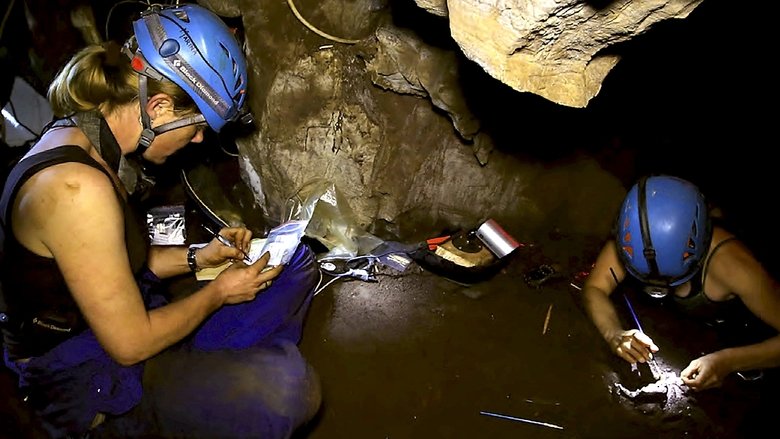
Nova and National Geographic present exclusive access to an astounding discovery of ancient fossil human ancestors.
Documentary following a team of technicians in Italy as they reconstruct a number of historic Middle Eastern artifacts that were vandalized at the hands of Islamic State.
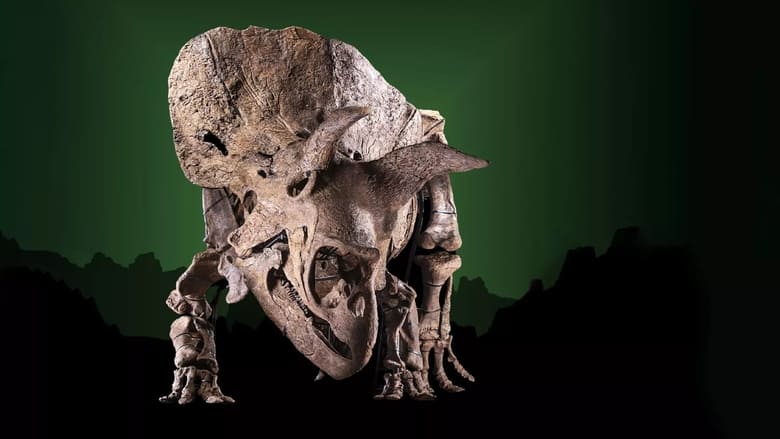
Jurassic Cash is a documentary on the new business of dinosaur fossils, an incredible speculation in the auction world… And on the footsteps of our past.
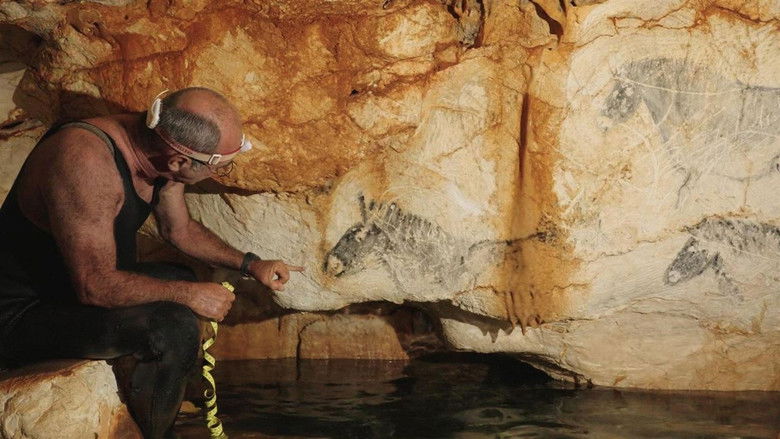
A short distance from Marseille, at Cape Morgiou, in the depths of the Calanques massif, lies the Cosquer cave, discovered only about thirty years ago by a diver, Henri Cosquer. With its bestiary of hundreds of paintings and engravings - horses, bison, jellyfish, penguins - the only underwater decorated cave in the world allows us to learn a little more about Mediterranean societies 30,000 years ago. Today, threatened by rising water levels accelerated by global warming, this jewel of the Upper Paleolithic is in danger of being swallowed up. To save the cave from disappearing, the Ministry of Culture has chosen to digitize it. From this virtual duplicate, a replica has been made on the surface to offer the public a reconstruction that allows them to admire these masterpieces.
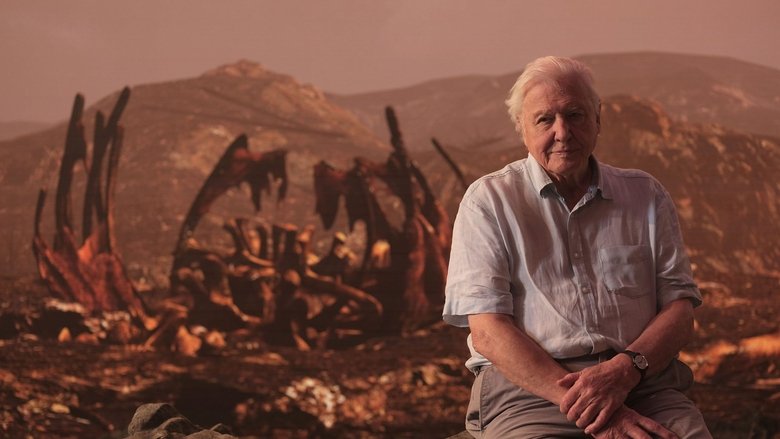
David Attenborough brings to life, in unprecedented detail, the last days of the dinosaurs. Palaeontologist Robert DePalma has made an incredible discovery in a prehistoric graveyard: fossilised creatures, astonishingly well preserved, that could help change our understanding of the last days of the dinosaurs. Evidence from his site records the day when an asteroid bigger than Mount Everest devastated our planet and caused the extinction of the dinosaurs. Based on brand new evidence, witness the catastrophic events of that day play out minute by minute.
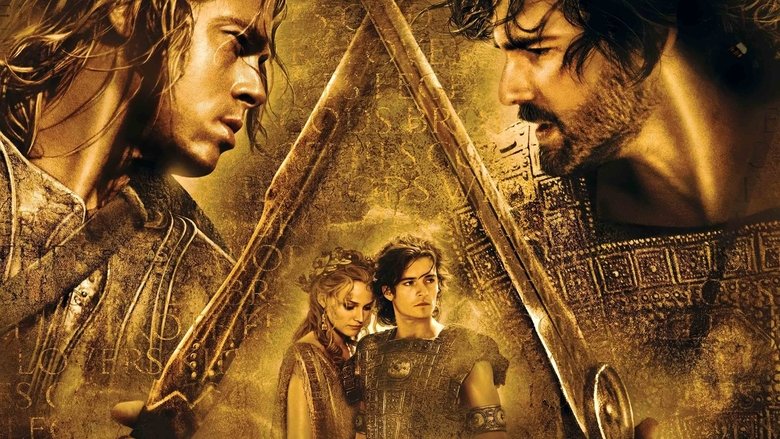
In year 1250 B.C. during the late Bronze age, two emerging nations begin to clash. Paris, the Trojan prince, convinces Helen, Queen of Sparta, to leave her husband Menelaus, and sail with him back to Troy. After Menelaus finds out that his wife was taken by the Trojans, he asks his brother Agamemnon to help him get her back. Agamemnon sees this as an opportunity for power. They set off with 1,000 ships holding 50,000 Greeks to Troy.
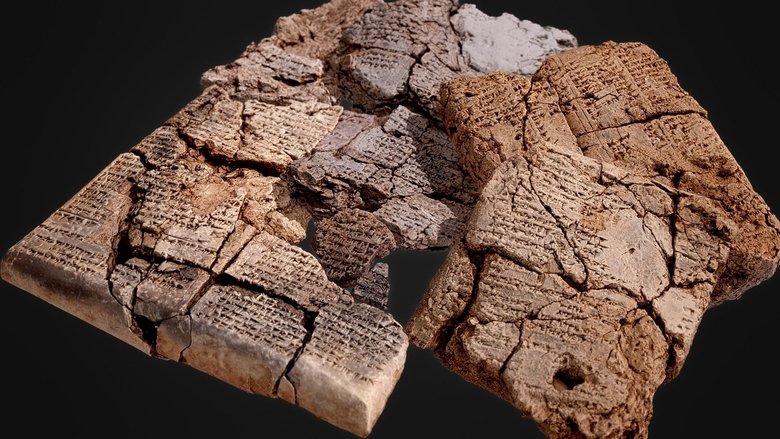
After decades of inaccessibility due to unrest and wars, teams of archaeologists from around the globe return to the greatest sites in Mesopotamia in a bid to save what can still be saved.
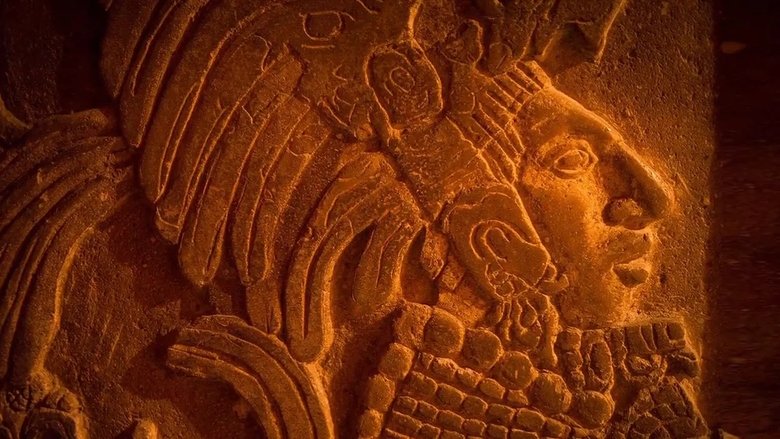
Filmed in IMAX, a young Mayan boy who lives close to the ruins becomes acquainted with an archaeologist (Guerra) and asks her to tell him about his ancestors. The crew travelled to over 15 locations in Mexico and Guatemala, including Tulum and Chichén Itzá.
In this special follow-up programme, the only television team with access to the dig and the scientific tests on the skeleton uses unseen footage and conducts two days of additional interviews to tell this extraordinary forensic detective story in even greater scientific and archaeological detail.
Shot in Southern England over the course of six weeks by a crew of three American filmmakers, CircleSpeak offers a nuanced look at the passions and beliefs of the people immersed in the crop circle phenomenon during the season of 2001. This feature-length documentary presents interviews with serious “researchers”, self-proclaimed “hoaxers”, local farmers and villagers who are all, in one way or another, involved in this strange and compelling summer spectacle taking place year after year.