
Which Side Are You On? (1985)
The documentary features the British miners and their family experiences told through songs, poems, pictures and words.
The documentary features the British miners and their family experiences told through songs, poems, pictures and words.
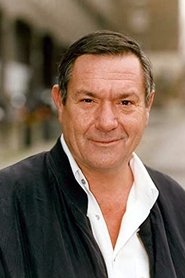 Michael ElphickNarrator (voice)
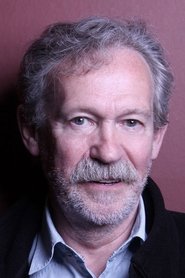 Paul CopleyNarrator (voice)Charles BoalSelf - ContributorEric BoothSelf - ContributorKeith BrookesSelf - ContributorAnn BurrellSelf - ContributorTed CawleySelf - ContributorLynne ColtonSelf - ContributorTommy CoulterSelf - ContributorPat DavisonSelf - Contributor
Since ancient times, the Green Man has been one of the most mysterious and menacing of mythical characters. He also has a familiar face as Robin Hood , Jack in the Green and on numerous pub signs. Across the arts from comic strips to classical opera, the Green Man is now making a comeback. Where is he taking us? Writer Sir Kingsley Amis , film director John Boorman , composer Sir Harrison Birtwistle and other leading artists offer their interpretations of the mystery in this Omnibus documentary film from 16th November, 1990.
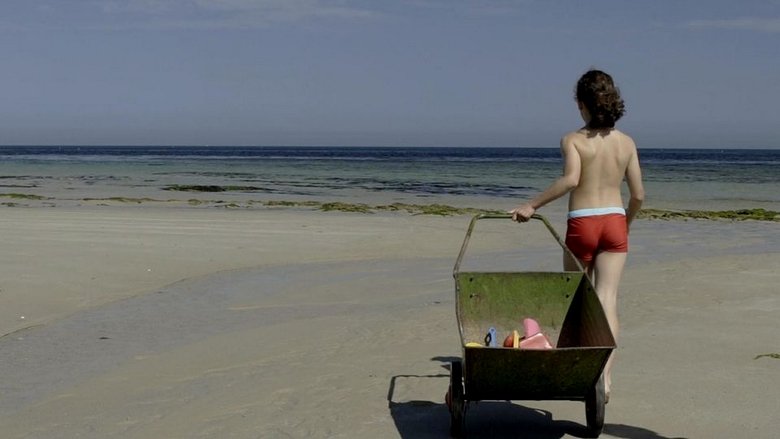
An account of the last two centuries of the Anthropocene, the Age of Man. How human beings have progressed so much in such a short time through war and the selfish interests of a few, belligerent politicians and captains of industry, damaging the welfare of the majority of mankind, impoverishing the weakest, greedily devouring the limited resources of the Earth.
At underground film of the 1st Popular Festival of Catalan Poetry filmed in the Proce Theater in Barcelona on May 25, 1970, in solidarity with political prisoners. The participating poets were: Agustí Bartra, Joan Oliver (Pere IV), Salvador Espriu, Joan Brossa, Francesc Vallverdú and Gabriel Ferrater.
A reflection on anarchism and labor, ANCIENT SUNSHINE marks a path through the struggles of climate activism and coal extractions in the American West.
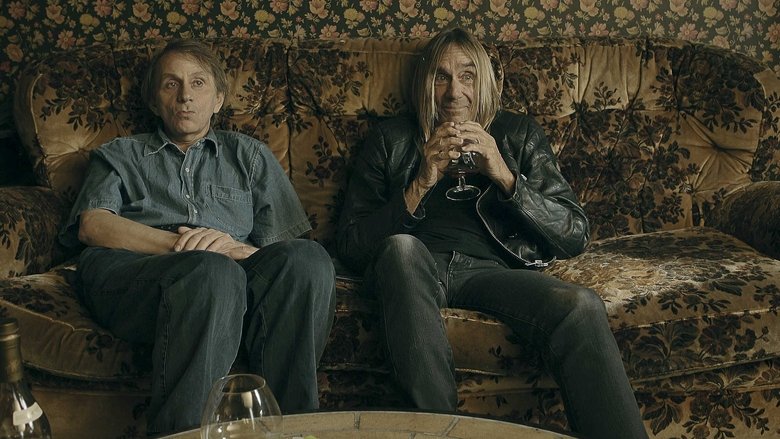
Iggy Pop reads and recites Michel Houellebecq’s manifesto. The documentary features real people from Houellebecq’s life with the text based on their life stories.

In September 2022, a 22-year-old Iranian woman, Mahsa Amini, died in police custody. She had been arrested by Iran’s religious police, accused of not wearing her hijab properly. The authorities said she had died of a heart attack, but rumors spread that she had been beaten on arrest. Citizens took to the streets in their thousands in fury. This is an extraordinary and shocking insight into what has been happening across Iran, revealing a regime under huge pressure and resorting to extreme cruelty to control its citizens.
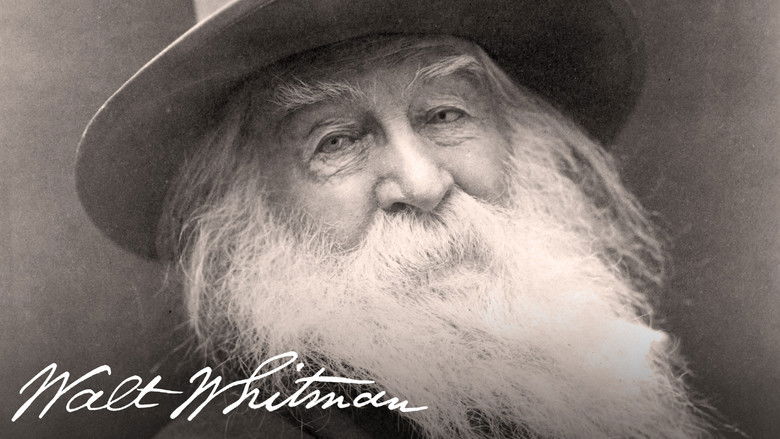
This American Experience tells Whitman's life story, from his working-class childhood in Long Island, to his years as a newspaper reporter in Brooklyn when he struggled to support his impoverished family, then to his reckless pursuit of the attention and affection he craved for his work, to his death in 1892.
An in-depth look at the early 2011 crisis for public sector unions in Wisconsin, and why it matters in Alberta.

The Big One is an investigative documentary from director Michael Moore who goes around the country asking why big American corporations produce their product abroad where labor is cheaper while so many Americans are unemployed, losing their jobs, and would happily be hired by such companies as Nike.

A young investigative journalist and his fiancée are brutally murdered in their home in Slovakia. Their deaths inspire the biggest protests in Slovakia since the fall of communism. The story takes an unexpected turn when a source leaks the secret murder case file to the murdered journalist’s colleagues. It includes the computers and encrypted communications of the assassination’s alleged mastermind, a businessman closely connected to the country’s ruling party. Trawling these encrypted messages, journalists discover that their country has been captured by corrupt oligarchs, judges, and law enforcement officials. A reckoning awaits.
Filmed in New York in the summer of 2006: a march across the Brooklyn Bridge in support of the Palestinian and Lebanese populations. Habibi means "beloved" in Arabic.
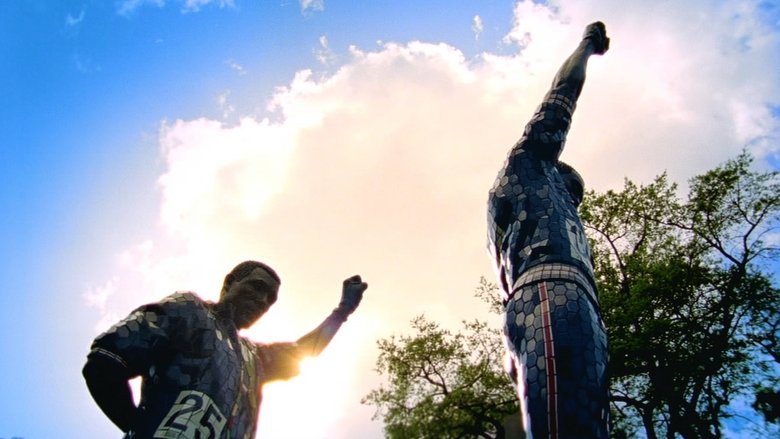
The moment where American sprinters Tommie Smith and John Carlos raised their gloved hands in defiance on the podium at the 1968 Mexico City Olympics is one of the most memorable images in sports history. But there is a third man in the photo, the white Australian who finished second to Smith and ahead of Carlos in the 200 meters. His name is Peter Norman, and he stands in quiet solidarity with them. Norman’s story is retold in this film with passion and perspective.
In the winter of 2002-'03, as the US was building its case to attack Iraq, people around the world responded with a series fo the largest peace protests in history. Shutdown: The Rise and Fall of Direct Action to Stop the War, is an action-packed documentary chronicling how DASW successfully organized to shut down a major US city and how they failed to effectively maintain the organization to fight the war machine and end the occupation of Iraq. Created by organizers involved with DASW, Shutdown combines detailed information on organizing for a mass action, critical interviews on organizing pitfalls, and the wisdom of hindsight. It is a must-see film for those engaged in the continuous struggle toward social justice.
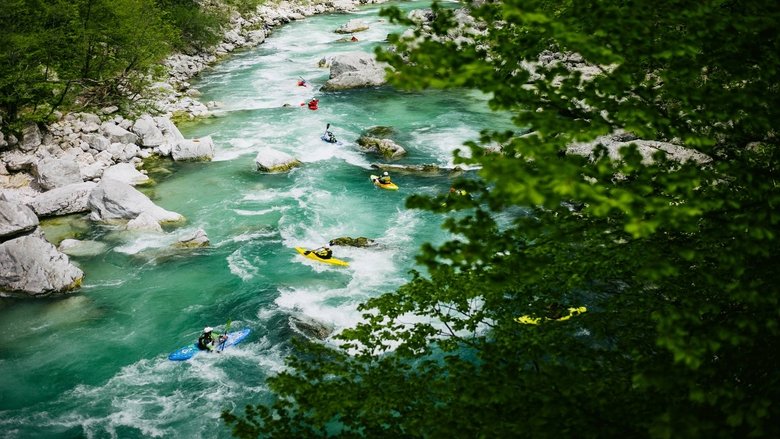
The Balkans cradles Europe's last wild rivers and supports abundant wildlife and healthy, intact ecosystems. These rivers are "The Undamaged" – clean, pristine, and undammed. With over 2,700 small and large hydro power plants planned or under construction in the Balkans, corruption and greed are destroying the last free-flowing rivers of Europe. Follow the Balkan Rivers Tour, a rowdy crew of whitewater kayakers, filmers, photographers and friends who decided to stand up for the rivers, travelling from Slovenia to Albania for 36 days, kayaking 23 rivers in 6 countries to protest the dams and show the world the secret wild rivers of the Balkans. The film honours everyday people and local activists who are fighting to defend rivers and aims to spread the word of the plight of these rivers, showing a new style of nature conservation that is fun, energetic and effective.
About the poet C.A.Conrad, an eccentric Elvis worshiping poet and tarot card reader, who confronts his violent past and the suspicious death of his boyfriend, Earth. The film attempts to unravel the mystery of Earth's death, while Conrad wrestles with his inner demons through a series of unconventional rituals and a tour of the deep South.
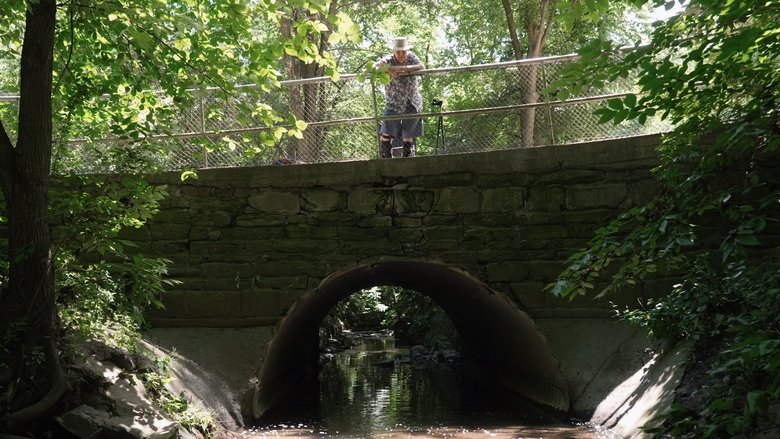
Reclaiming what was once stolen from him, a man journeys back to the place of his childhood nearly 80 years after his world came crashing down.
This documentary takes the viewer on a deeply personal journey into the everyday lives of families struggling to fight Goliath. From a family business owner in the Midwest to a preacher in California, from workers in Florida to a poet in Mexico, dozens of film crews on three continents bring the intensely personal stories of an assault on families and American values.
After World War II a group of young writers, outsiders and friends who were disillusioned by the pursuit of the American dream met in New York City. Associated through mutual friendships, these cultural dissidents looked for new ways and means to express themselves. Soon their writings found an audience and the American media took notice, dubbing them the Beat Generation. Members of this group included writers Jack Kerouac, William Burroughs, Allen Ginsberg. a trinity that would ultimately influence the works of others during that era, including the "hippie" movement of the '60s. In this 55-minute video narrated by Allen Ginsberg, members of the Beat Generation (including the aforementioned Burroughs, Anne Waldman, Peter Orlovsky, Amiri Baraka, Diane Di Prima, and Timothy Leary) are reunited at Naropa University in Boulder, CO during the late 1970's to share their works and influence a new generation of young American bohemians.
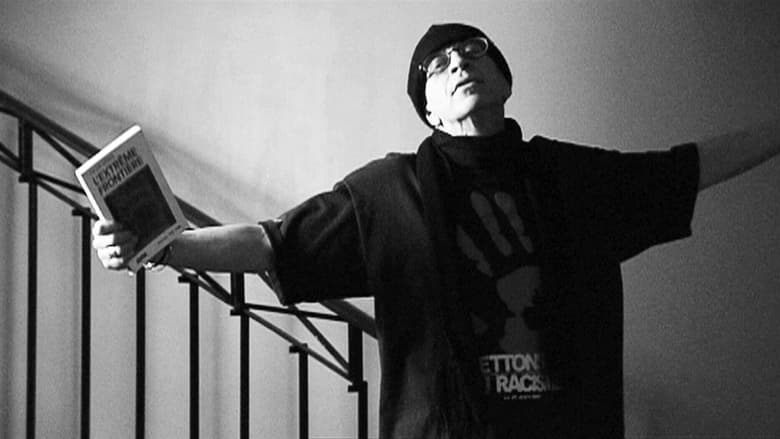
A child of the Beat Generation, Gérald Leblanc conjoined urban-ness and American-ness, wandering and belonging, far beyond the boundaries of taboo. In so doing, he helped propel Acadia into the modern era.
One of the most important Kentuckians of the 20th century, Harry Caudill brought the story of Appalachia to national attention when his book “Night Comes to the Cumberlands” was released in 1963. The nonfiction account of Eastern Kentucky’s coal region, part history and part polemic, eloquently recounted the exploitation of Appalachia’s land and its people by business and government interests, and made Caudill a national spokesperson for his homeland. Harry Caudill spent his life advocating for Eastern Kentucky, with the aim of helping the powerless as well as securing the region’s unmatched natural resources for future generations. His work led to lasting government reforms for Appalachia, and his legacy remains a touchstone for activists today.