
Twenty-Four Dollar Island (1927)
A visual celebration of Manhattan and its waterways on the 300th anniversary of purchase from the local Native Americans.
A visual celebration of Manhattan and its waterways on the 300th anniversary of purchase from the local Native Americans.
Adlon recounts the making of the sculpture, "Kugelkaryatide" the sphere that stood in the center of Tobin Plaza between the two towers of the World Trade Center. The film follows the sculpture from its creation as the largest bronze sculpture of recent times to the aftermath, where it now stands, heavily scarred, in Battery Park.
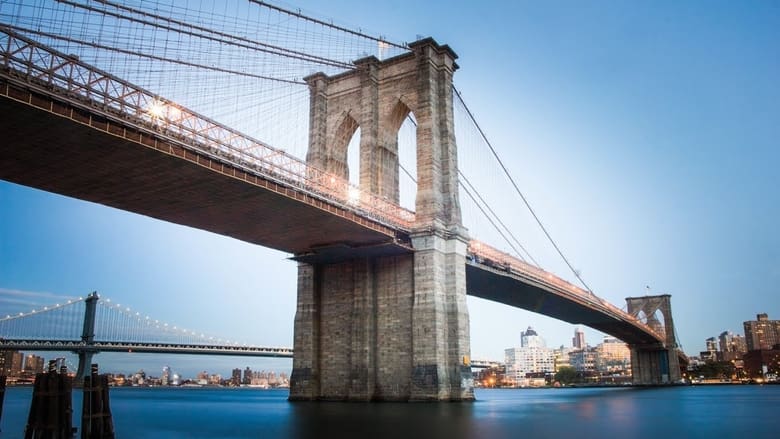
The Brooklyn Bridge spans the East River and connects Manhattan and Brooklyn, the two centers of the port city of New York. Its architect Johann Roebling was one of the great inventors and master builders of his time. The wire rope: his product. The suspension bridge: his dream. The film tells the amazing story of the Roebling family and the spectacular history of the Brooklyn Bridge.
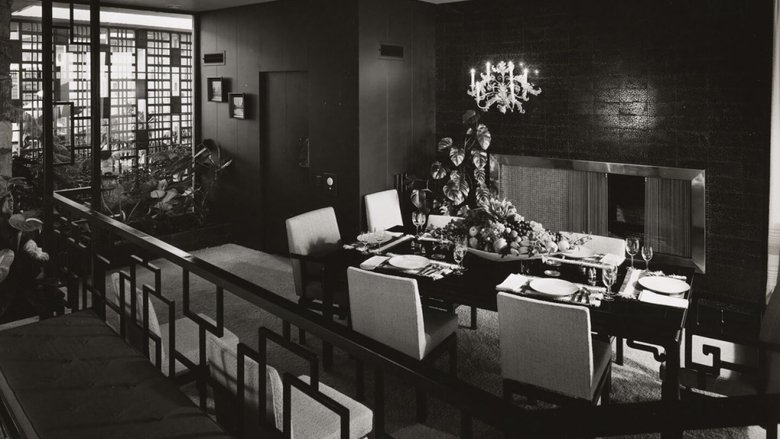
Nicknamed “Architect to the Stars,” African American architect Paul R. Williams had an incredible life. Orphaned at the age of four, Williams grew up to build mansions for movie stars and millionaires in Southern California. From the early 1920s until his retirement 50 years later, Williams was one of the most successful architects in the country. His clients included Frank Sinatra, Cary Grant, Barbara Stanwyck, William Holden, Lucille Ball and Desi Arnaz. His name is associated with icons like the Beverly Hills Hotel, the original MCA Headquarters Building and LAX Airport. But at the height of his career Paul Williams wasn’t always welcome in the restaurants and hotels he designed or the neighborhoods where he built homes, because of his race. “Hollywood’s Architect: The Paul R. Williams Story” tells the compelling, but little known story, of how he used talent and perseverance to beat the odds and create a body of work that can be found from coast to coast.
50 years ago, assemblyman George Michaels cast a single vote on New York's abortion bill that changed the course of American history but destroyed his political career in the process.
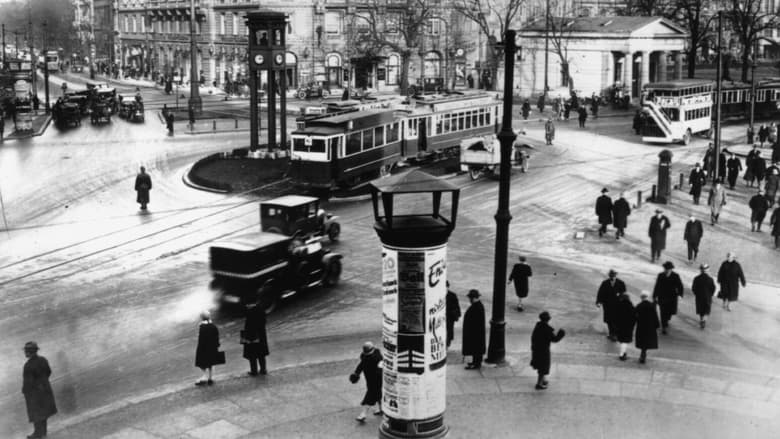
A day in the city of Berlin, which experienced an industrial boom in the 1920s, and still provides an insight into the living and working conditions at that time. Germany had just recovered a little from the worst consequences of the First World War, the great economic crisis was still a few years away and Hitler was not yet an issue at the time.
The construction of the Obelisco in Buenos Aires, Argentina.
A history of Bucharest, as seen in the light of the totalitarian architecture, having as leading idea the reality that the Power always exposes its purposes through architecture. After five decades of communism, the reality on thee Dark Ages is still waiting to be revealed, and architecture is one of the most obvious embodiments of the ideology to whom it was builtÉ It is not a movie about faults or about guilty peoples, but about official edifices of thee communist Romania and their story.
Profiles the culture, lifestyles, and rituals within the New York City subways.
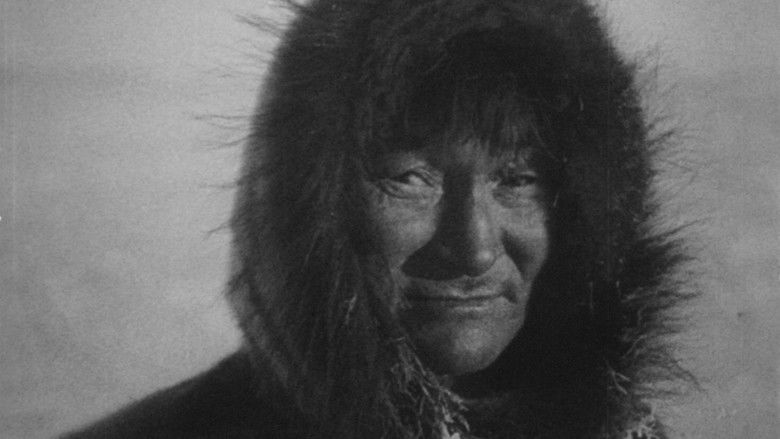
This pioneering documentary film depicts the lives of the indigenous Inuit people of Canada's northern Quebec region. Although the production contains some fictional elements, it vividly shows how its resourceful subjects survive in such a harsh climate, revealing how they construct their igloo homes and find food by hunting and fishing. The film also captures the beautiful, if unforgiving, frozen landscape of the Great White North, far removed from conventional civilization.
A silent succession of black-and-white photographs of the city of Montreal.
A feature length documentary that tells the story of nine young men and women constructing positive lives as they face the challenges of growing up poor in one of America's most famous African American communities.
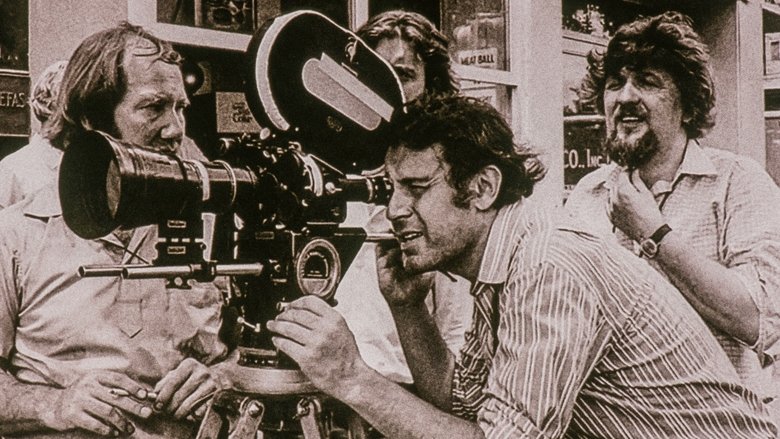
A moving account, in his own words, of the personal life and work of the brilliant Czech filmmaker Miloš Forman (1932-2018): his tragic childhood, his major contribution to the cultural movement known as the Czech New Wave, his exile in Paris, his troubled days in New York, his rise to stardom in Hollywood; a complete existence in the service of cinema.
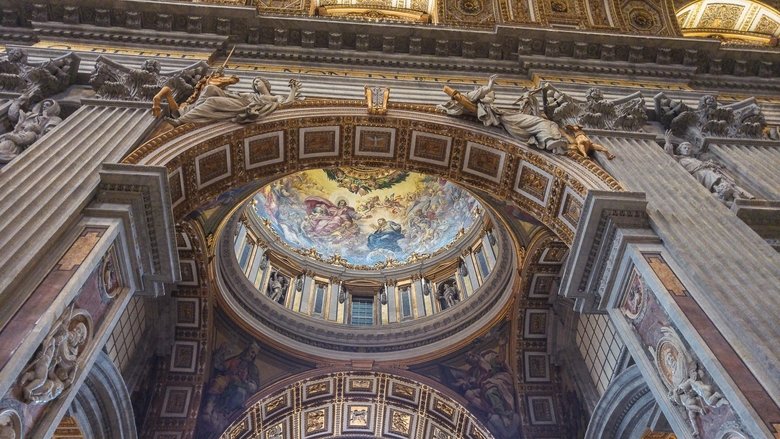
What started as a simple tomb became over a 2,000 years history the universal seat of Christendom and is today one of the most visited museum in the world with invaluable collections of Arts, Manuscripts, Maps. Using spectacular 3D modelisation and CGI to give viewers as never before a true understanding of the history of this architectural masterpiece and its extensions, the film will also use animation to tell relevant historical events. This heritage site reveals new untold secrets with the help of historians deciphering the Vatican’s rich archives and manuscripts collection and following the restorations at work (newly discovered frescoes by Raphael) and recent excavations. A story where Religion, Politics, Arts and Science meet to assert religious authority and serve as a spiritual benchmark.
In the same vein as Meri's other documentations, this one takes advantage of the glasnost policy to discuss the social and ecologic impact of the Russian oil industry on the natives and the lands they inhabit.
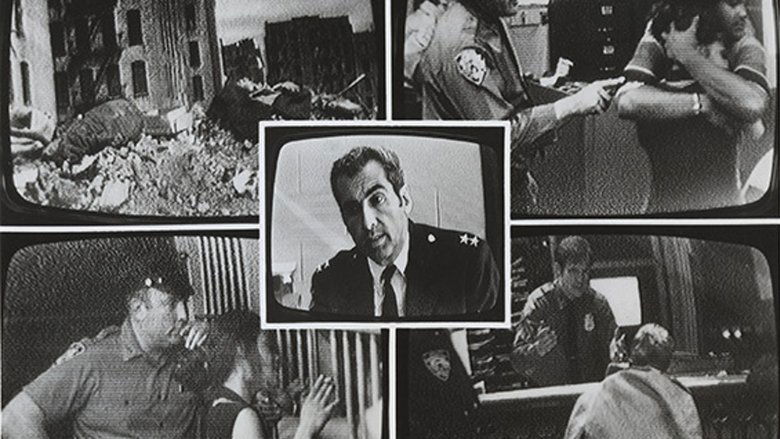
Filmmakers Alan and Susan Raymond spent three months in 1976 riding along with patrol officers in the 44th Precinct of the South Bronx, which had the highest crime rate in New York City at that time.
On February 26, 1920, Robert Wiene's world-famous film The Cabinet of Dr. Caligari premiered at the Marmorhaus in Berlin. To this day, it is considered a manifesto of German expressionism; a legend of cinema and a key work to understand the nature of the Weimar Republic and the constant political turmoil in which a divided society lived after the end of the First World War.
Sylvia Kristel – Paris is a portrait of Sylvia Kristel , best known for her role in the 1970’s erotic cult classic Emmanuelle, as well as a film about the impossibility of memory in relation to biography. Between November 2000 and June 2002 Manon de Boer recorded the stories and memories of Kristel. At each recording session she asked her to speak about a city where Kristel has lived: Paris, Los Angeles, Brussels or Amsterdam; over the two years she spoke on several occasions about the same city. At first glance the collection of stories appears to make up a sort of biography, but over time it shows the impossibility of biography: the impossibility of ‘plotting’ somebody’s life as a coherent narrative.
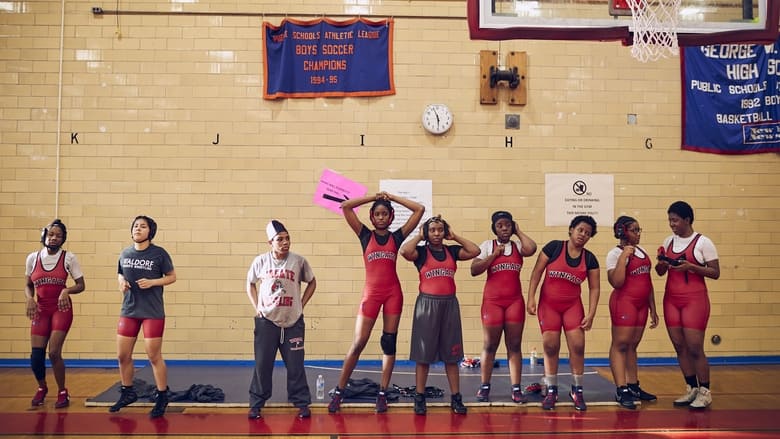
In this modern, coming of age documentary, Naomi, Jojo and Arham grapple with economic divides, gender roles, and family dynamics while competing in the fastest growing high school sport in the country: girl’s wrestling.
Seemayer Studios presents a new documentary about the American Hotel in downtown Los Angeles and the Arts District that surrounds it. Since 1979, the American Hotel has been the beating heart of a rich community of artists who began moving into the deserted factory buildings between Alameda and the Los Angeles River.
Vladimir 518, uncompromising rapper, artist, stage designer and activist, is a rare phenomenon, who not only writes books, but publishes them as well. Today also a respected authority primarily on pre-1989 architecture, he has written not only a major publication on the subject, but also the story for two audiovisual works treating the same theme, which were shot by Jan Zajíček, renowned director of music videos. In addition to the recent TV series we have the eagerly anticipated feature-length film which, through its fascinating and impressive exploration of Czech and Slovak architecture of the latter half of the 20th century, offers exclusive insight into extraordinary buildings and unique individuals living below the Tatra Mountains. Karel Och (kviff.com)