
American Bullfighter (2008)
The story of one American overcoming the demons of his past by entering the secretive world of Spanish bullfighting.
The story of one American overcoming the demons of his past by entering the secretive world of Spanish bullfighting.
Alex LeMayHimselfColeman CooneyHimselfYung JuneHerselfKelly BarnesHerselfDavid RankHimself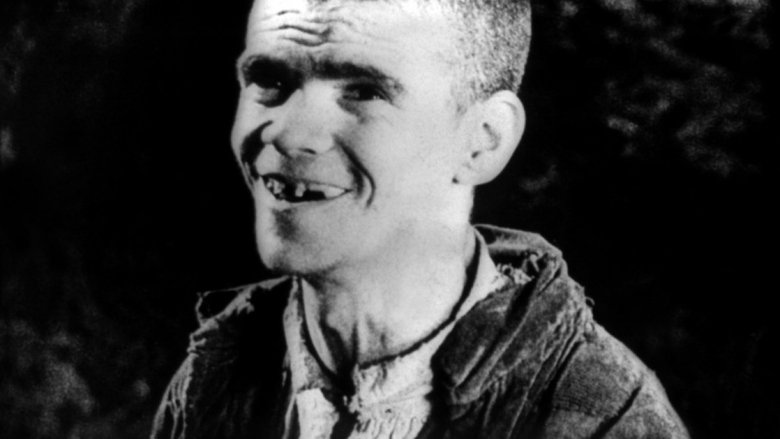
An exploration —manipulated and staged— of life in Las Hurdes, in the province of Cáceres, in Extremadura, Spain, as it was in 1932. Insalubrity, misery and lack of opportunities provoke the emigration of young people and the solitude of those who remain in the desolation of one of the poorest and least developed Spanish regions at that time.
On September 6, 2017, the Catalan regional government called an independence referendum. This propagandistic documentary by the Catalan government collects the experiences of an illegal referendum that led to the virtual independence of Spanish territory and the biggest constitutional crisis in Spain since 1981
Due to the increasing privatization of basic public services in Spain, companies such as BB Serveis are accused of misappropriating several million euros of public money intended to finance care for the elderly and other dependent persons.
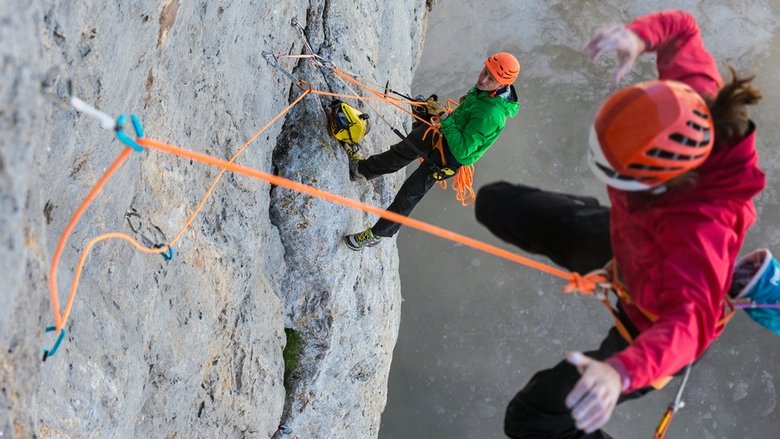
Nina Caprez and Cédric Lachat are passionate climbers. A passion they share and pushed them to become professionals. They travel around the world in search of walls and cliffs of exception. In Spring 2014 they set up camp beneath one of the most difficult multi-pitch routes in the world – Orbayu (2000 meters). Orbayu is a large limestone tooth which rises above the natural park of Picos de Europa in Spain. This huge wall is among the most beautiful in the world. It’s a mixture of extreme difficulty (8c). But the major problem with this type of wall lies in the fact that weather changes are very fast: rain, low temperatures, wind, etc… The ascent of such walls demand unusual experience. Nina and Cédric document joy, fear, danger, but also the beauty of climbing in Orbayu.
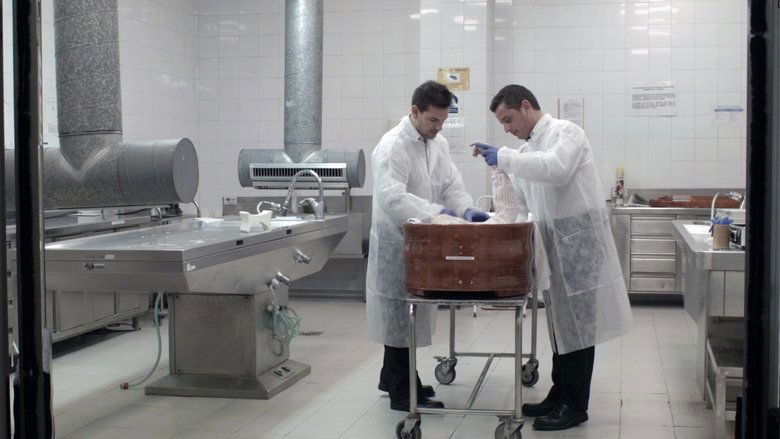
The human being feels generally as fascinated as fearful before death and the inevitable fact of dying. Workers at the cemetery of Palma de Mallorca, in Spain, face this harsh reality every day, so they have found a way to deal with it.
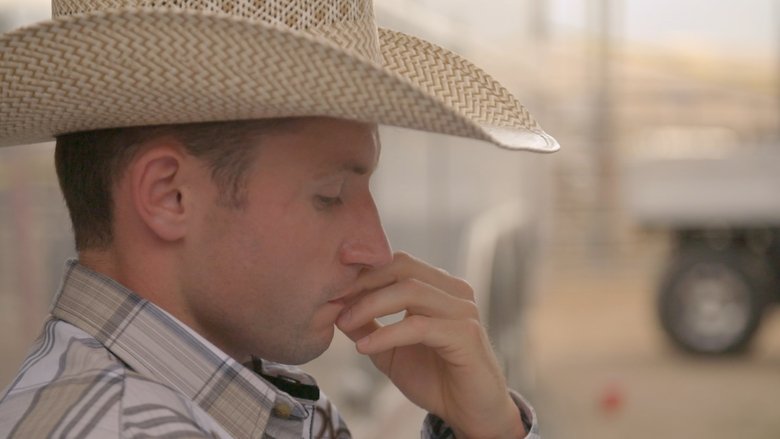
Little known on this side of the pond, “course landaise” consists of confronting a bull and dodging his powerful charge by way of acrobatic somersault. French athlete Emmanuel Lataste is the first to try to garner attention in North America for this extreme sport.
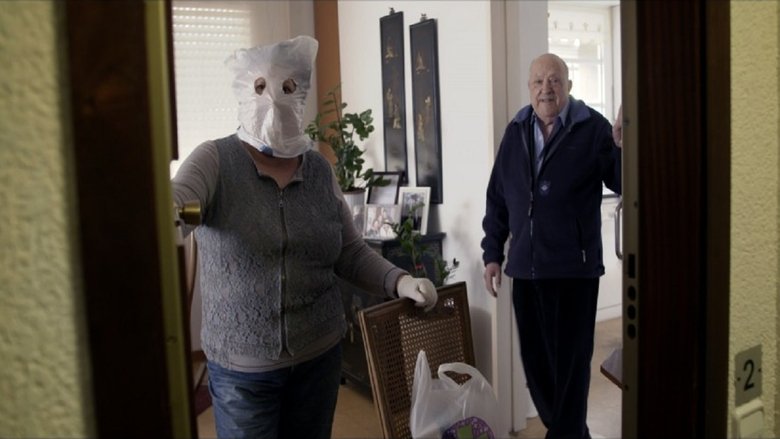
In Garcia Lorca's mother tongue, death is a woman: "la muerte". Daniel slips into the role of "death as a female" and speaks before a video camera on the life and death of the famous Spanish poet. Then the story begins.
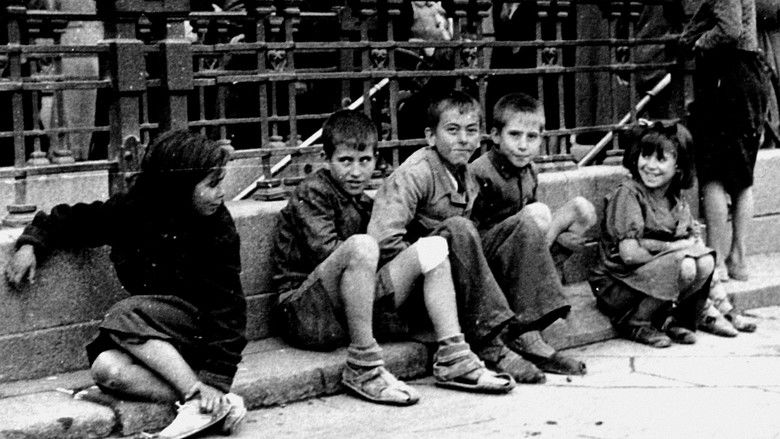
A particular reading of the hard years of famine, repression and censorship after the massacre of the Spanish Civil War (1936-39), through popular culture: songs, newspapers and magazines, movies and newsreels.
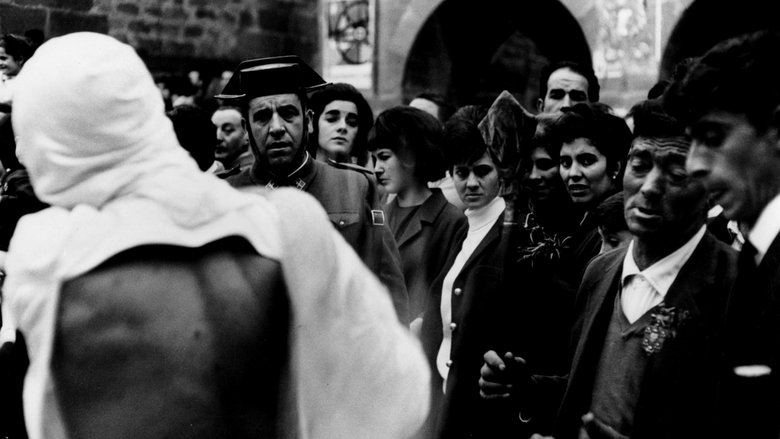
An unprejudiced portrait of Spanish folklore and a crude analysis in black and white of its intimate relationship with atavism and superstition, with violence and pain, with blood and death; a story of terror, a journey to the most sinister and ancestral Spain; the one that lived far from the most visited tourist destinations, from the economic miracle and unstoppable progress, relentlessly promoted by the Franco regime during the sixties.
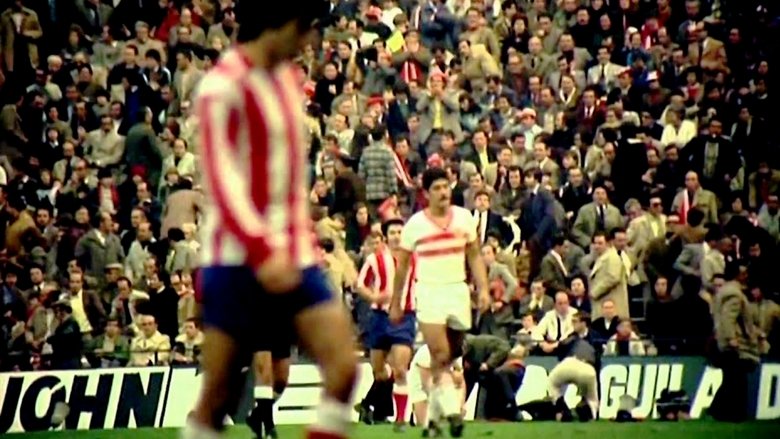
Any given Sunday of 1974 in Spain, soccer games in several stadiums, the sarcastic voice of commentators, the inevitable presence of advertising. Goal! The victors and the defeated.
The film evokes all the aspects of bullfighting - its history, the bulls, the toreros, the arena, the audience - and involves numerous matadors from the era.
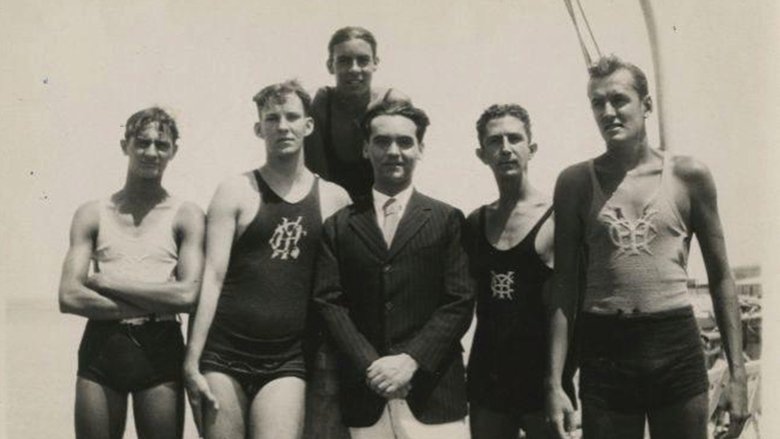
A history of the political and social repression carried out by the ruthless regime of Spanish dictator Francisco Franco between 1936 and 1975 that focuses on the lives of gays and lesbians during those dark years and the death of the Spanish gay poet Federico García Lorca.
Nazi propaganda film about the Condor Legion, a unit of German "volunteers" who fought in the Spanish Civil War on the side of eventual dictator Francisco Franco against the elected government of Spain.
OSO is a journey through the history of a pop icon told by its own protagonists, the Tous family, Spain's most famous jewelers.
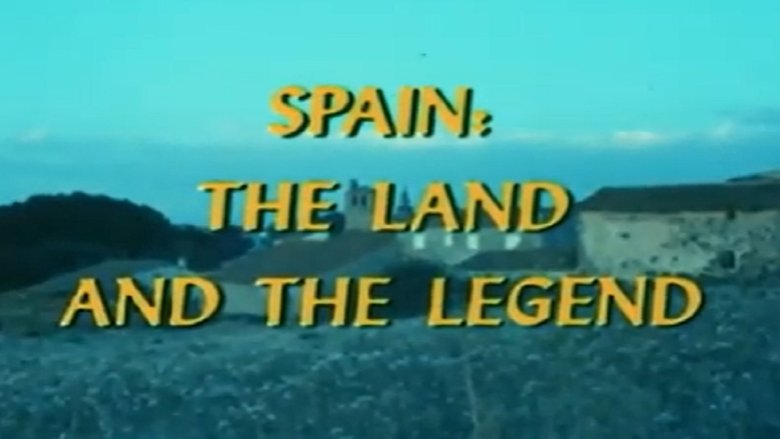
This film conveys a sense of the forces that have shaped Spain over the centuries, including Roman, Islamic, and Catholic influences, and gives James Michener's analysis of the history, art, folklore, and architecture of the country.
Writing a letter to Paul B. Preciado, trans philosopher and filmmaker, as one would write to a friend. Undertake a healing process as a queer child growing up in a Spanish evangelical family. From Lausanne to New York, Lézio Schiffke-Rodriguez follows in the footsteps of revolutions that invite us to redefine our vision of binary bodies.
SINOPSIS / SYNOPSIS Every year in Spain, some 16,000 Fiestas are organized, during which animals are used. Honoring the Holy Virgin and the Patron Saints, and with the blessing of religious and political authorities, entire towns -including children- are involved in celebrations of unbelievable cruelty. 60,000 animals are hence abused each year during these “Fiestas of Blood”.
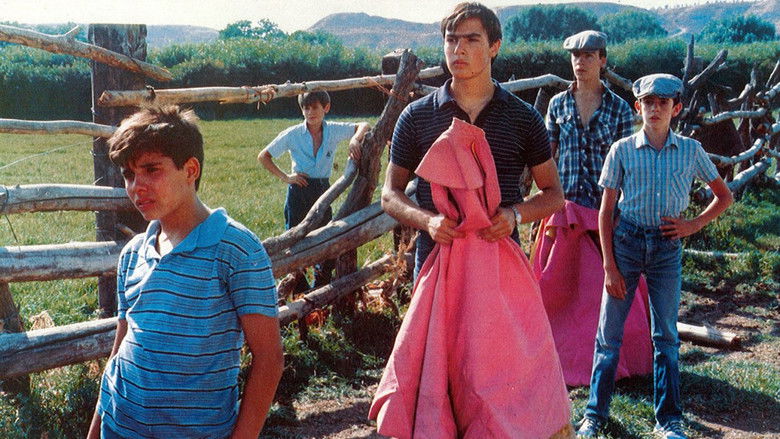
In their spare time, after their studies or their work, children and adolescents between the ages of eight and sixteen meet at the School of Bullfighting in Madrid to learn the Art of Cúchares: Torear. In their stomachs there is no hunger as in the past, their dreams do not lie in having a farmhouse and being famous. Their only dreams are to be in front of a bull, animal with which death goes, fact of which they are fully aware, as their teachers continually remind them. These, retired bullfighters, some by age, others by force and all with their bodies full of scars produced by the horns of a bull. The nude bullfighting scene is fascinating without being exploitive, and it serves as an analogy for the vulnerability these young bullfighters have when in the ring with the bulls.