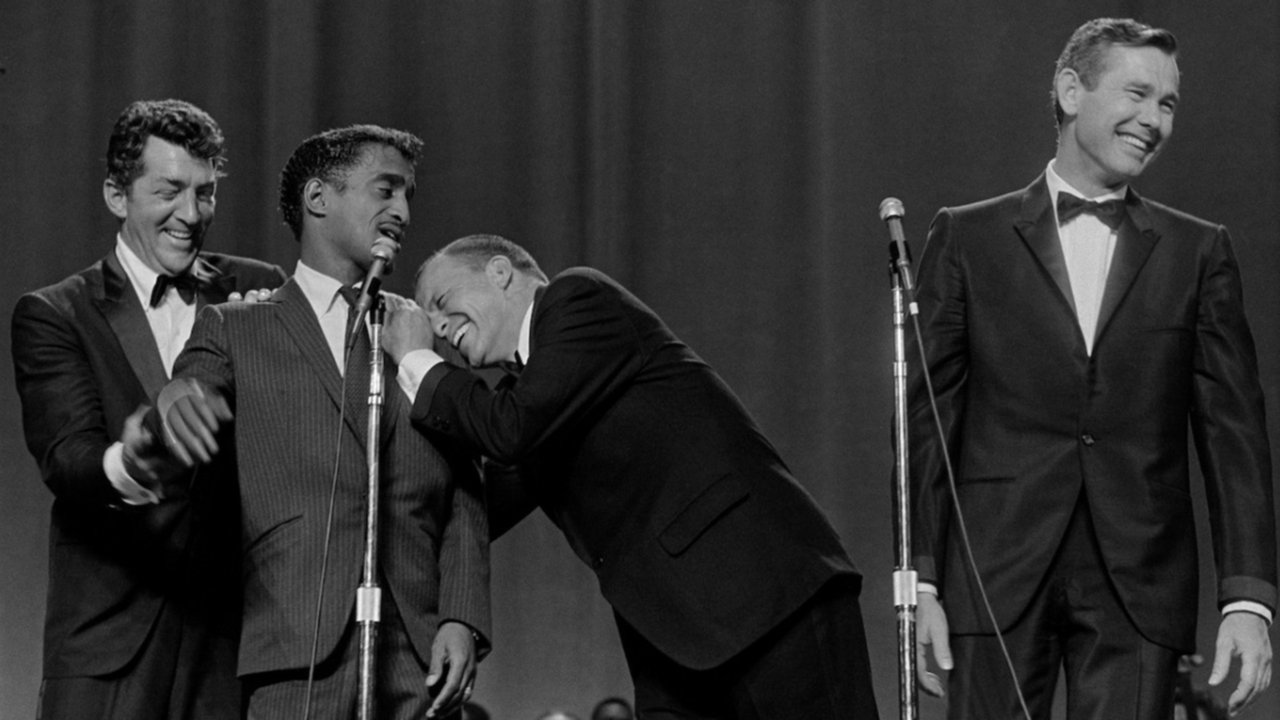
Live and Swingin': The Ultimate Rat Pack Collection (2003)
Collection of songs performed at the "Frank Sinatra Spectacular," a 1965 benefit by the various members of the Rat Pack.
Collection of songs performed at the "Frank Sinatra Spectacular," a 1965 benefit by the various members of the Rat Pack.
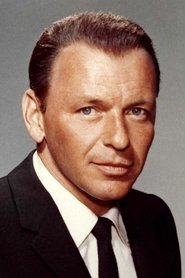 Frank SinatraSelf (archive footage)
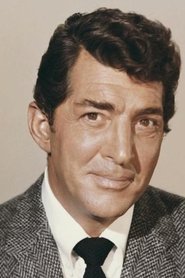 Dean MartinSelf (archive footage)
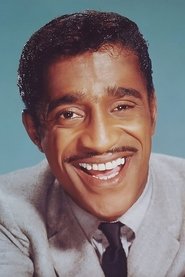 Sammy Davis Jr.Self (archive footage)
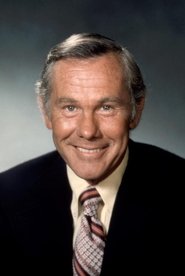 Johnny CarsonSelf (archive footage)
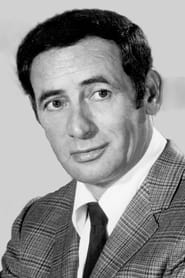 Joey BishopSelf (archive footage)
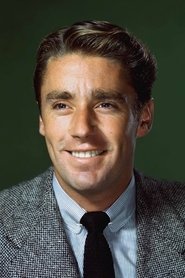 Peter LawfordSelf (archive footage)
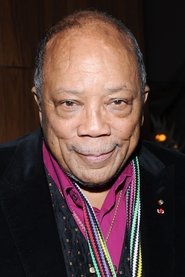 Quincy JonesSelf (archive footage)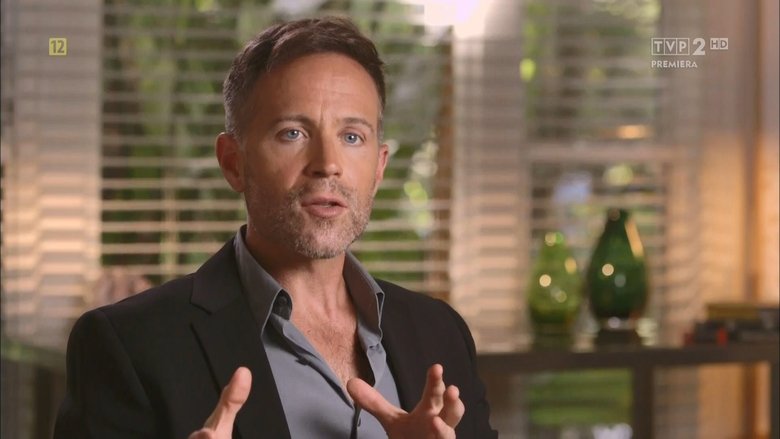
Biography on the famous writer-director, Billy Wilder.
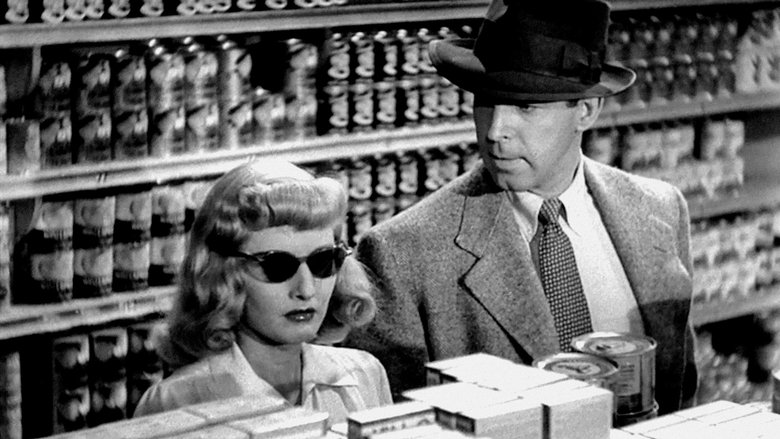
Actress Sally Field looks at the dramatic life and successful career of the superb actress Barbara Stanwyck (1907-90), a Hollywood legend.

Interviews with Maila Nurmi, who famously played the horror hostess Vampira
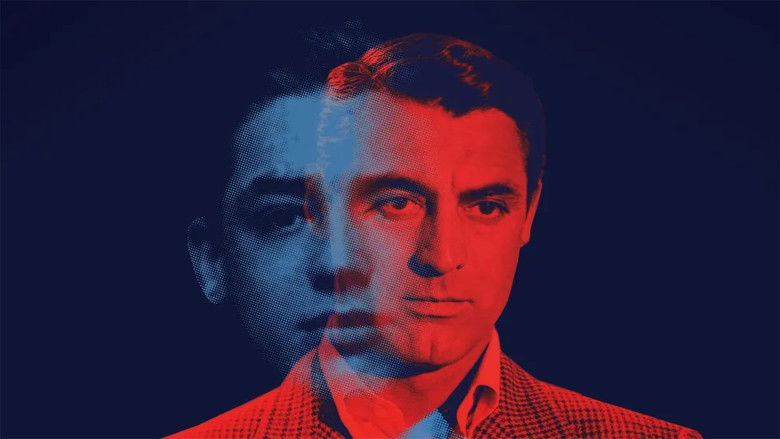
For the first time one of Hollywood's greatest stars tells his own story, in his own words. From a childhood of poverty to global fame, Cary Grant, the ultimate self-made star, explores his own screen image and what it took to create it.
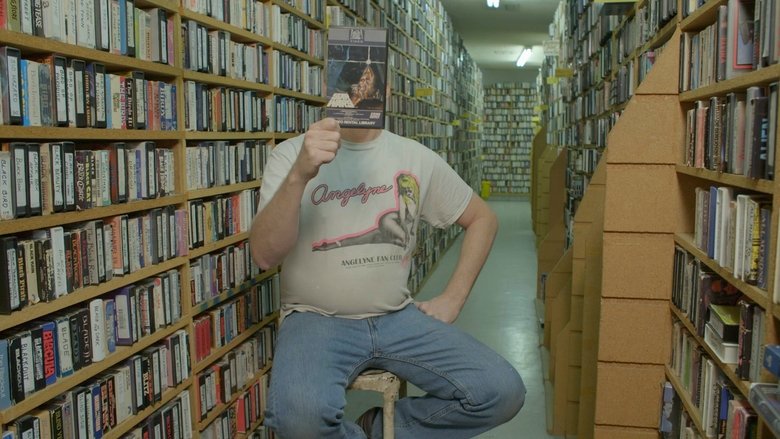
Using testimonies by pioneers and witnesses of the times, delve into the feverish visual culture the media generated – with far-fetched examples of canine television games, seduction manuals, aerobics class while holding a baby, among others.
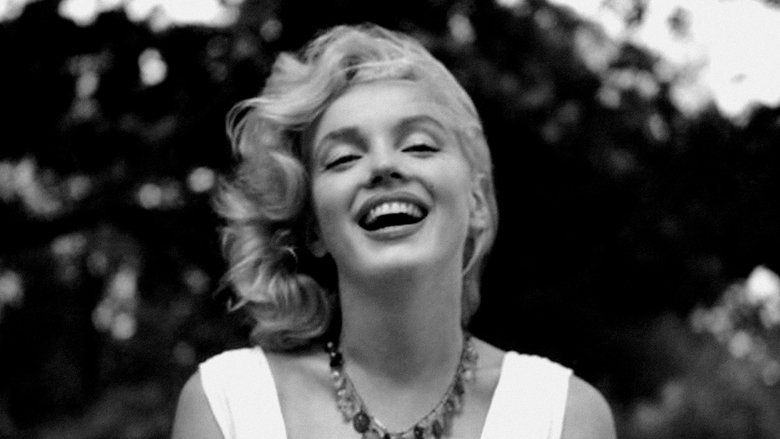
The story of how Norma Jeane Mortenson became Marilyn Monroe (1926-62), a lucid path of self-discovery, from anonymity to stardom: the painful birth of a myth.
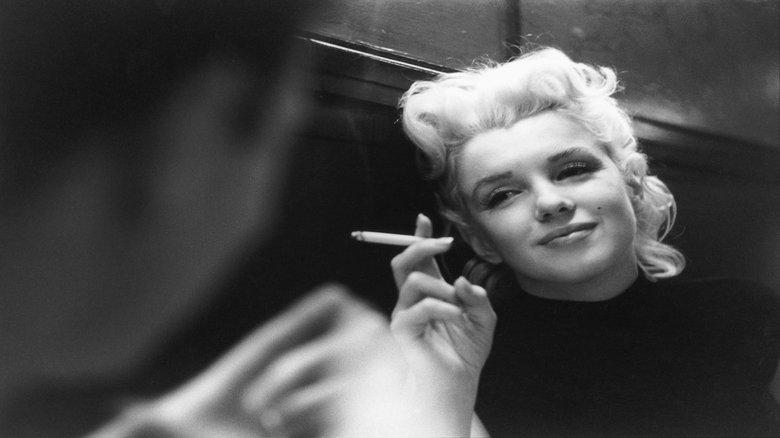
Declassified FBI and CIA documents help director Paul Davids unravel the puzzle of Marilyn Monroe's demise, which was officially ruled a "probable suicide," while providing detailed evidence supporting the conclusion that Marilyn was murdered.
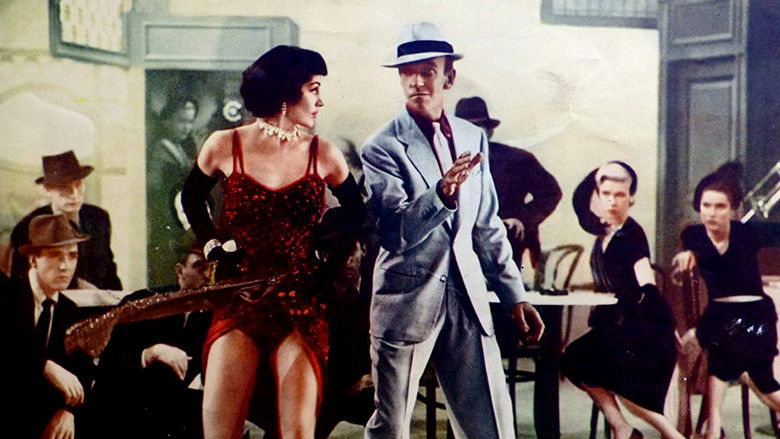
When the silent cinema learned to speak, the audience was surprised not only by the voices of the actors and the sound effects, but also by a new element, the music, which, combined with the dance and an unprejudiced imagination, gave rise to a new genre, as important to Hollywood cinema as the western was: the musical. A journey through the history of this genre, from its beginnings to the present day.
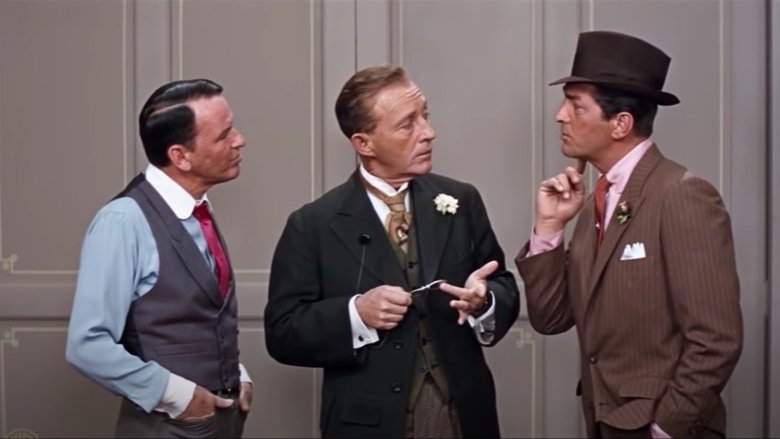
Set in Prohibition era Chicago, bootlegger Robbo and his cronies refuse to pay the greedy Guy Gisborne a cut of their profits after Guy shoots mob boss Big Jim and takes over. When Big Jim's daughter, Marian, gives Robbo a large sum, believing he has avenged her father's death, the gangster donates to an orphanage, cementing his reputation as a softhearted hood.
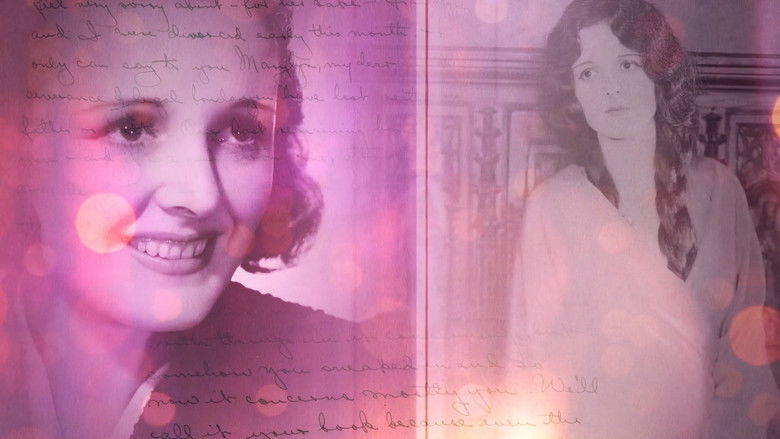
This documentary recounts the difficult choice actress Mary Astor had to make after learning her personal, very intimate, diaries had been stolen. The film tells the story of Astor's 1936 child custody case.
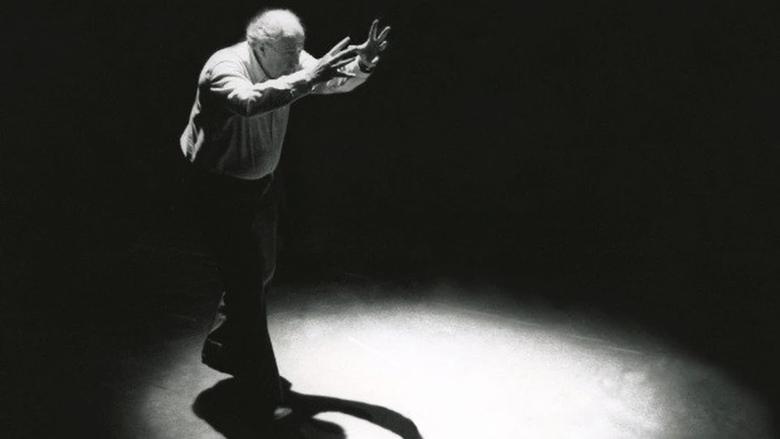
Robert Altman's life and career contained multitudes. This father of American independent cinema left an indelible mark, not merely on the evolution of his art form, but also on the western zeitgeist. With its use of rare interviews, representative film clips, archival images, and musings from his family and most recognizable collaborators, Altman is a dynamic and heartfelt mediation on an artist whose expression, passion and appetite knew few bounds.
Documentary about the Griffith Observatory, shown at their Leonard Nimoy Event Horizon Theater
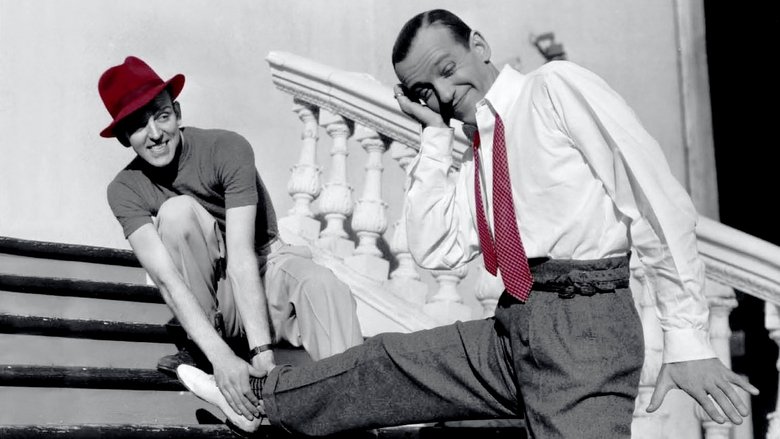
American dancer and choreographer Hermes Pan recalls his life and work as he relives the glorious history of the Hollywood musical.
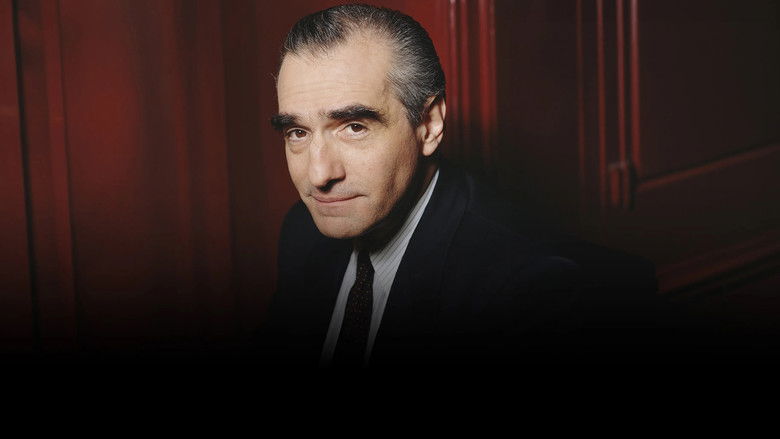
Martin Scorsese is the unchallenged master of the cinematic quest for Italian-American identity. He has etched the cinematic image of the Sicilian mafiosi and the reality of America with incredible actors like DiCaprio and De Niro.
An inventive remembrance of the impact of the Hollywood blacklist on two American classics, rendered as a visually mesmerizing dialogue between Carl Foreman and Elia Kazan.
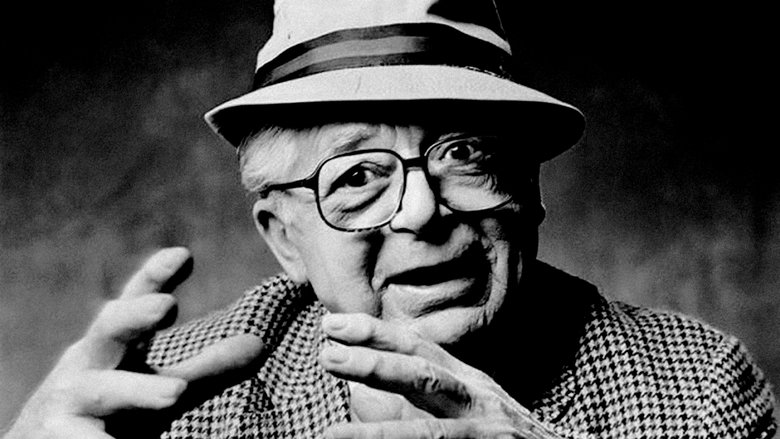
In 1988, German filmmaker Volker Schlöndorff sat down with legendary director Billy Wilder (1906-2002) at his office in Beverly Hills, California, and turned on his camera for a series of filmed interviews. (A recut of the 1992 TV miniseries Billy, How Did You Do It?)
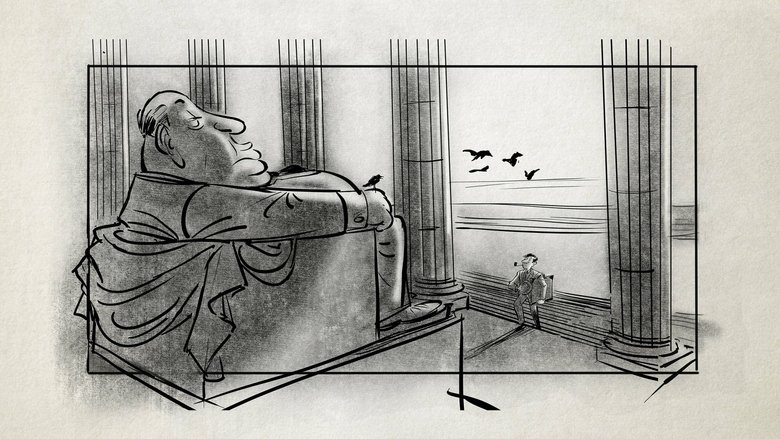
Working largely uncredited in the Hollywood system, storyboard artist Harold and film researcher Lillian left an indelible mark on classics by Alfred Hitchcock, Steven Spielberg, Mel Brooks, Stanley Kubrick, Roman Polanski and many more.
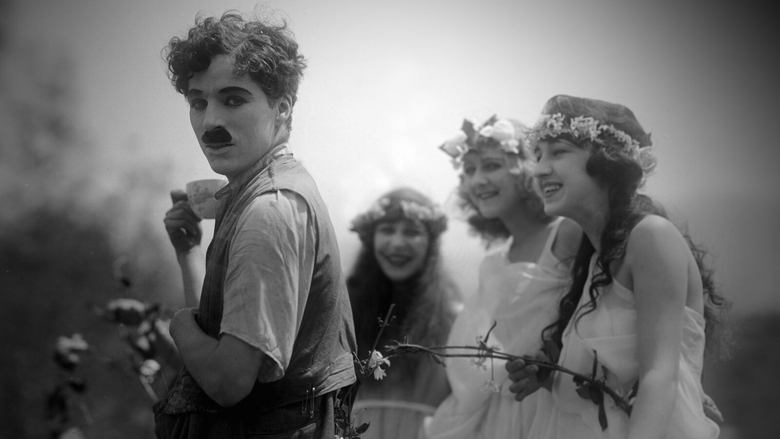
The whole world knows him. Burlesque comedy genius, popular actor, author, director, producer, composer, choreographer, Charlie Chaplin (1889-1977) used his talent to serve an ideal of justice and freedom. But his best scenario was his own destiny, a story written into the political and artistic history of the 20th century.
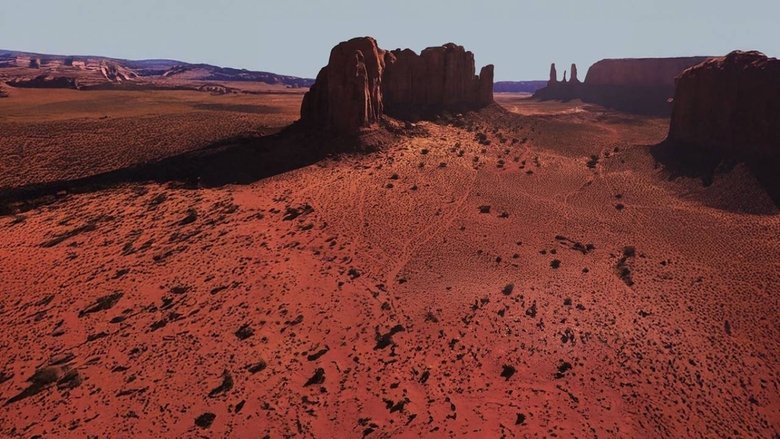
For over 100 years, Hollywood cinema has crafted the ultimate "villain"- the Indian, as they were labeled in early Westerns. Confined almost exclusively to this genre, the Western became a vehicle for American racism, obscuring the genocide upon which the United States was built. In this documentary, only Native Americans are given a voice to share their story, one that has been overshadowed by Hollywood's portrayal. Their narrative, part of the larger American story, highlights how cinema has long been used as a powerful propaganda tool, distorting history and perpetuating harmful stereotypes.

The definitive documentary on the history of nudity in feature films from the early silent days to the present, studying the changes in morality that led to the use of nudity in films while emphasizing the political, sociological and artistic changes that shaped that history. Skin will also study the gender inequality in presenting nude images in motion pictures and will follow the revolution that has created nude gender equality in feature films today.