
High Noon on the Waterfront (2022)
An inventive remembrance of the impact of the Hollywood blacklist on two American classics, rendered as a visually mesmerizing dialogue between Carl Foreman and Elia Kazan.
An inventive remembrance of the impact of the Hollywood blacklist on two American classics, rendered as a visually mesmerizing dialogue between Carl Foreman and Elia Kazan.
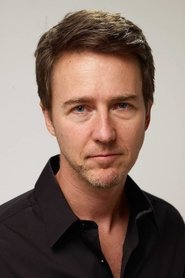 Edward NortonCarl Foreman (voice)
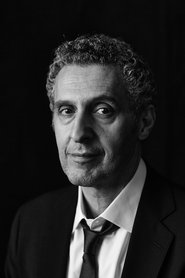 John TurturroElia Kazan (voice)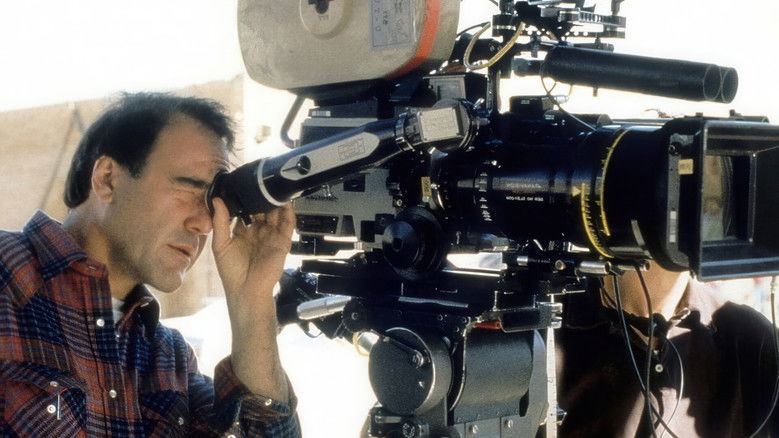
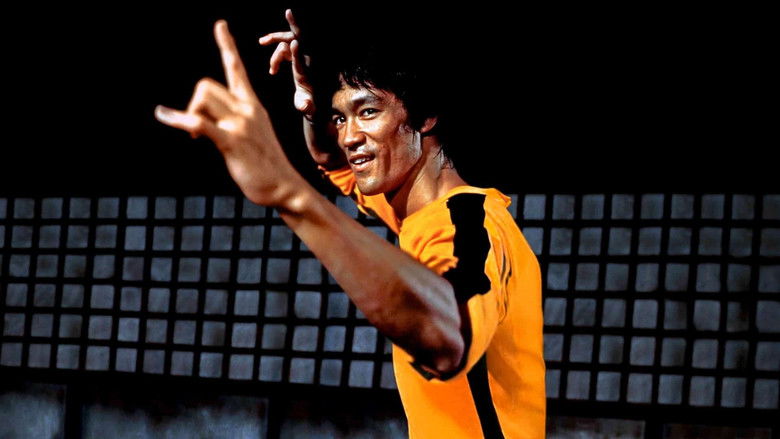
The fantastic story of how an ancient martial art, Chinese kung fu, conquered the world through the hundreds of films that were produced in Hong Kong over the decades, transformed Western action cinema and inspired the birth of cultural movements such as blaxploitation, hip hop music, parkour and Wakaliwood cinema.
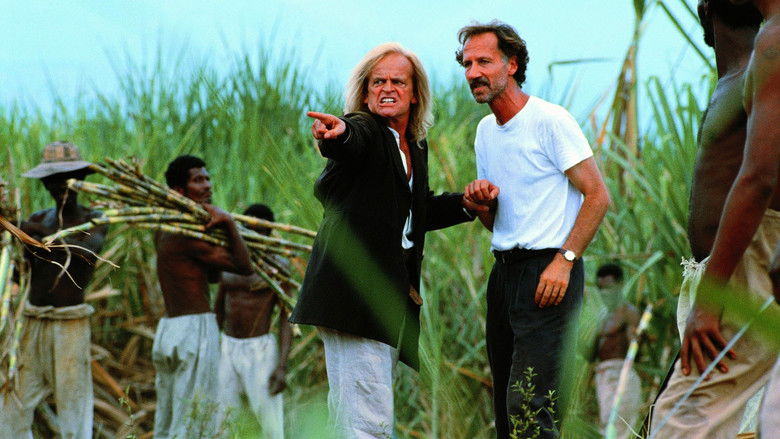
A film that describes the love-hate relationship between Werner Herzog and Klaus Kinski, the deep trust between the director and the actor, and their independently and simultaneously hatched plans to murder one another.
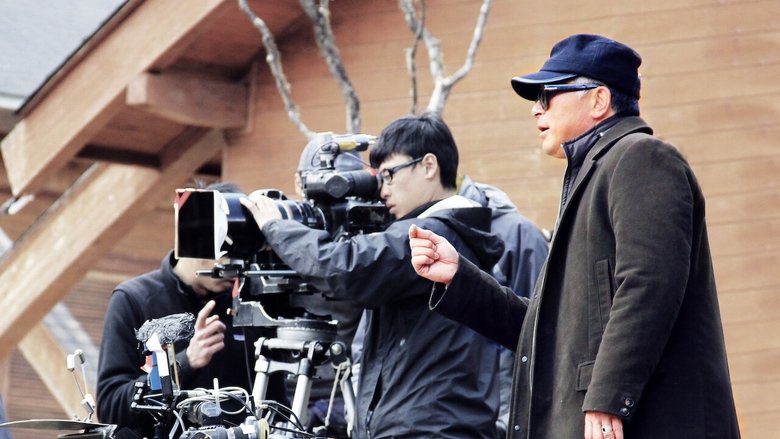
As Hong Kong's foremost filmmaker, Johnnie To himself becomes the protagonist of this painstaking documentary exploring him and his Boundless world of film. A film student from Beijing and avid Johnnie To fan, Ferris Lin boldly approached To with a proposal to document the master director for his graduation thesis. To agreed immediately and Lin's camera closely followed him for over two years, capturing the man behind the movies and the myths. The result is Boundless, a candid profile of one of Hong Kong's greatest directors and a heartfelt love letter to Hong Kong cinema.
Hour long documentary on the legendary director.
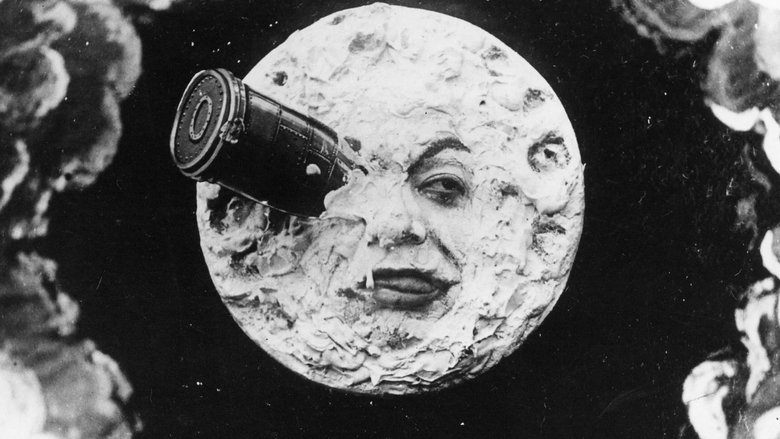
A documentary that details the process of restoring 270 of the 520 lost films of pioneering director Georges Méliès, all orchestrated by a Franco-American collaboration between Lobster Films, the National Film Center, and the Library of Congress.
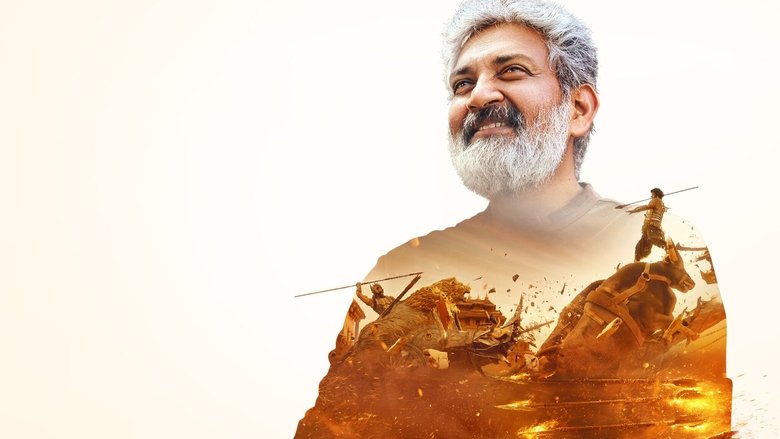
Highlights Rajamouli’s influence on Indian and international cinema, with interviews and behind-the-scenes footage.
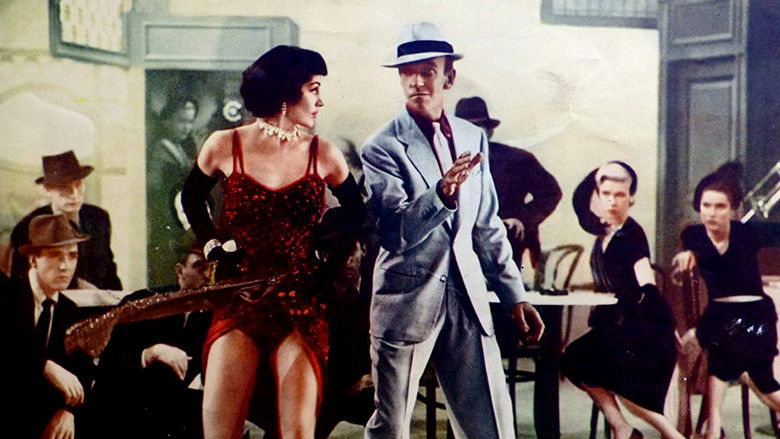
When the silent cinema learned to speak, the audience was surprised not only by the voices of the actors and the sound effects, but also by a new element, the music, which, combined with the dance and an unprejudiced imagination, gave rise to a new genre, as important to Hollywood cinema as the western was: the musical. A journey through the history of this genre, from its beginnings to the present day.
When World War II broke out, John Ford, in his forties, commissioned in the Naval Reserve, was put in charge of the Field Photographic Unit by Bill Donavan, director of the soon-to-be-OSS. During the war, Field Photo made at least 87 documentaries, many with Ford's signature attention to heroism and loss, and many from the point of view of the fighting soldier and sailor. Talking heads discuss Ford's life and personality, the ways that the war gave him fulfillment, and the ways that his war films embodied the same values and conflicts that his Hollywood films did. Among the films profiled are "Battle of Midway," "Torpedo Squadron," "Sexual Hygiene," and "December 7."

Nagisa Oshima interviews Akira Kurosawa, leading him to share his thoughts about filmmaking, his life and works, and numerous anecdotes relating to his films and his various film activities.
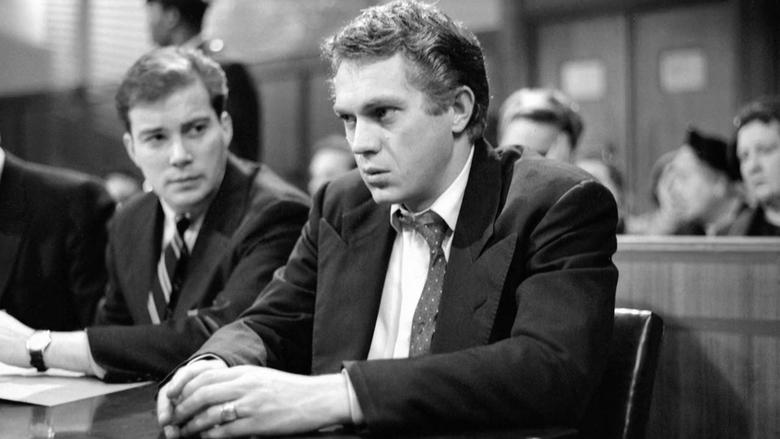
The story of the abandoned production of 'Day of the Champion', a movie about Formula 1 which was set to film in 1966.
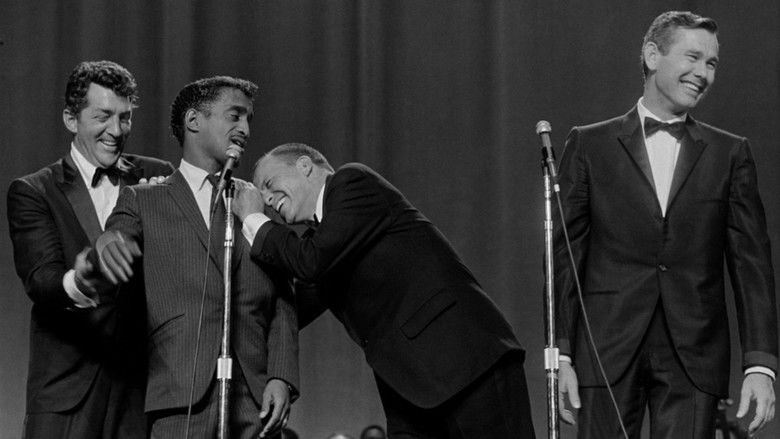
Collection of songs performed at the "Frank Sinatra Spectacular," a 1965 benefit by the various members of the Rat Pack.
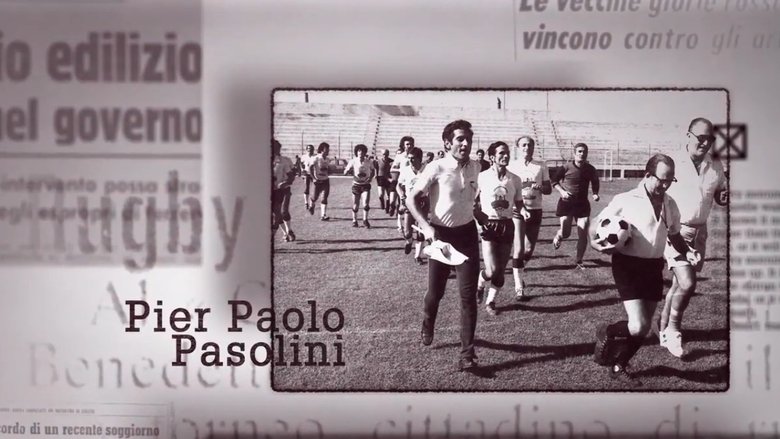
On September 14, 1975, Pier Paolo Pasolini played his last game of football, before his death, in San Benedetto del Tronto. “The last match of Pasolini” starts from a pretext of a football game, to tell a historical period that was fundamental for the whole of Italy, with its contradictions and tragedies, through an apparently playful vision of Pasolini, but that allows us to understand better the importance of the Italian poet and director.

The history of cinematic sound, told by legendary sound designers and visionary filmmakers.
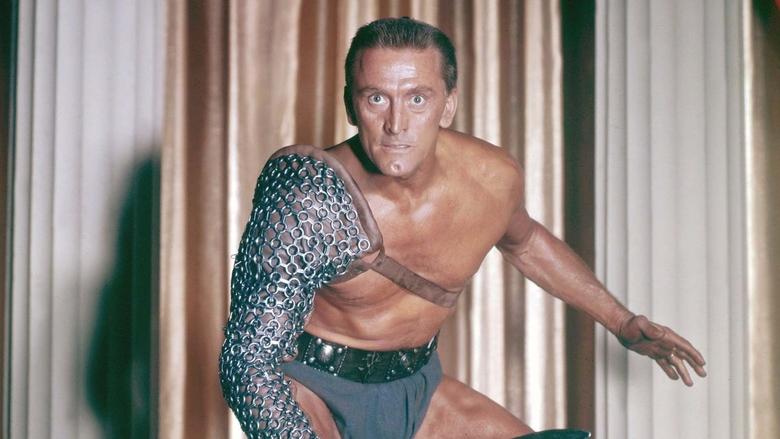
The history of the peplum genre, known as sword-and-sandal cinema, set in Antiquity, from the silent film era to the present day.
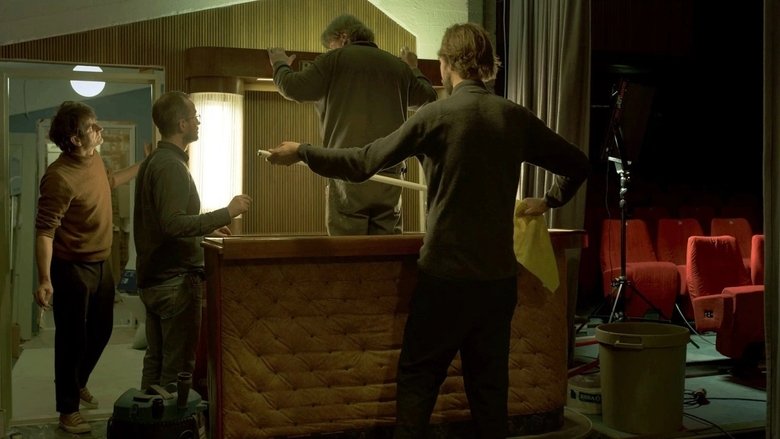
In the heart of the Finnish forest, the long-closed foundry of the little town of Karkkila has come back to life thanks to director Aki Kaurismäki and his creation of the town's first cinema. The peace and calm of the little town of Karkkila, nestled deep in the Finnish forest, is interrupted by unexpected sounds. In the abandoned foundry, noisy building work is taking place. Inside the building, Aki Kaurismäki is both builder and site manager of what is soon to become the Kino Laika cinema. The creation of the cinema is the talk of the town. In the factory still in activity, in a 1960s Cadillac, in a bikers' club, in the local pub, in the woods or in Aki Kaurismäki's former editing room, people start talking about cinema again.
Documentary by lifelong friend that supports the innocence of Alger Hiss (convicted in January 1950 on two counts of espionage-related perjury)
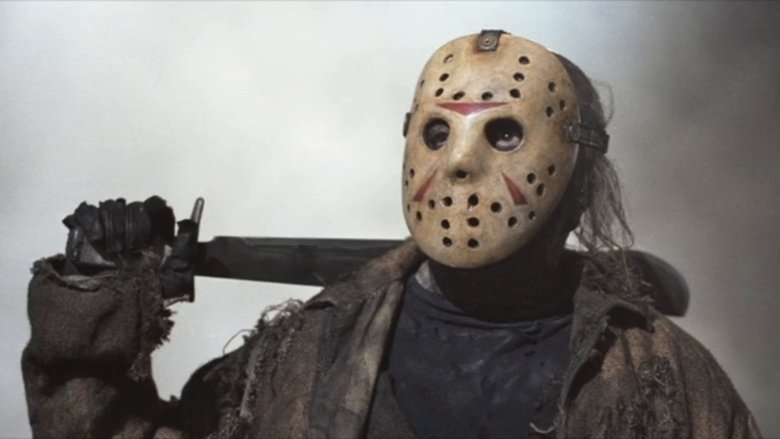
A retrospective documentary about the groundbreaking horror series, Friday the 13th, featuring interviews with cast and crew from the twelve films spanning 3 decades.
Made for German TV documentary about the early craze of Hong Kong Martial Arts Cinema. While critical on the subject and not too well informed, it nevertheless offers some interesting insights into the Hong Kong film industry of that days.