
Dearest Executioners (1977)
This documentary, filmed clandestinely, is based on several interviews with the executioners who worked in Spain during the early 1970s, as well as families of people executed by them.
This documentary, filmed clandestinely, is based on several interviews with the executioners who worked in Spain during the early 1970s, as well as families of people executed by them.
 Claudio RodríguezNarrador (voice)
 Vicente CopeteSelfAntonio LópezSelfBernardo SánchezSelfMarino VinuesaSelfAndrés Sánchez CascosSelfJosé Velasco-EscassiSelfAntonio Ferrer SamaSelfJesus Sanchez TelloSelf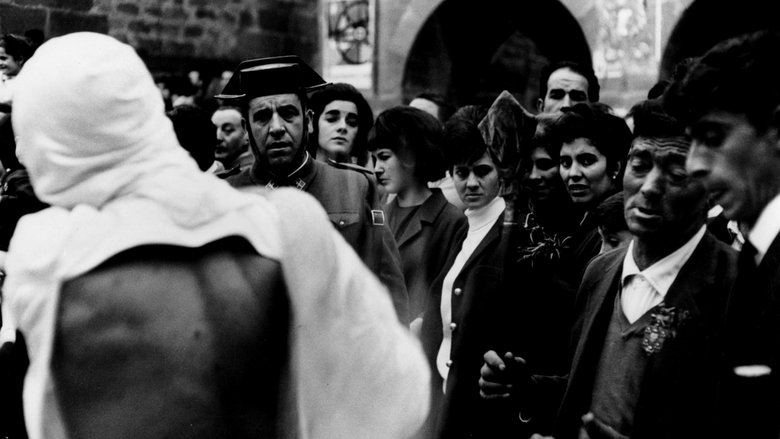
An unprejudiced portrait of Spanish folklore and a crude analysis in black and white of its intimate relationship with atavism and superstition, with violence and pain, with blood and death; a story of terror, a journey to the most sinister and ancestral Spain; the one that lived far from the most visited tourist destinations, from the economic miracle and unstoppable progress, relentlessly promoted by the Franco regime during the sixties.
Nazi propaganda film about the Condor Legion, a unit of German "volunteers" who fought in the Spanish Civil War on the side of eventual dictator Francisco Franco against the elected government of Spain.
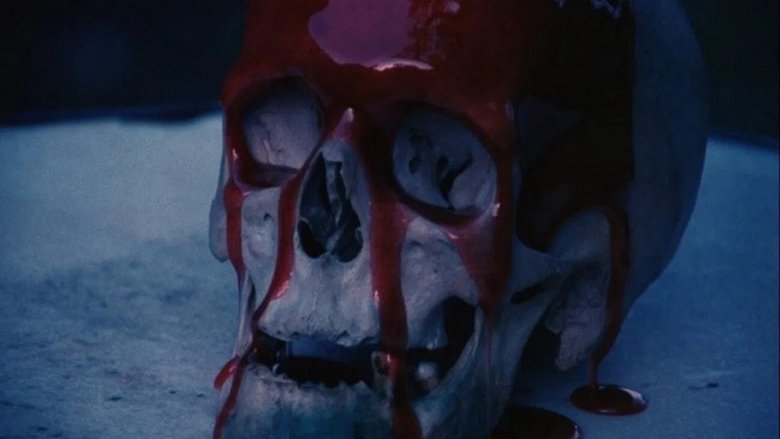
Spain, 1975. Franco's death opens the door to the possibility of uncensored cinema. After two years of relaxed censorship, it is abolished in 1977, and the “S” rating is created to protect viewers from films that may “offend their sensibilities.”
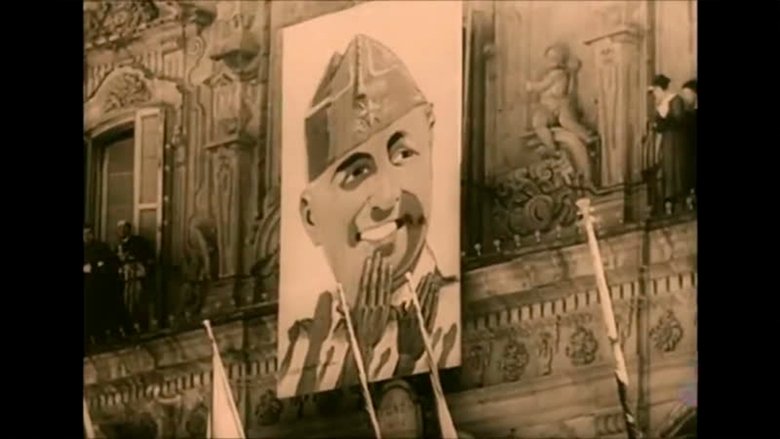
Caudillo is a documentary film by Spanish film director Basilio Martín Patino. It follows the military and political career of Francisco Franco and the most important moments of the Spanish Civil War. It uses footage from both sides of the war, music from the period and voice-over testimonies of various people.
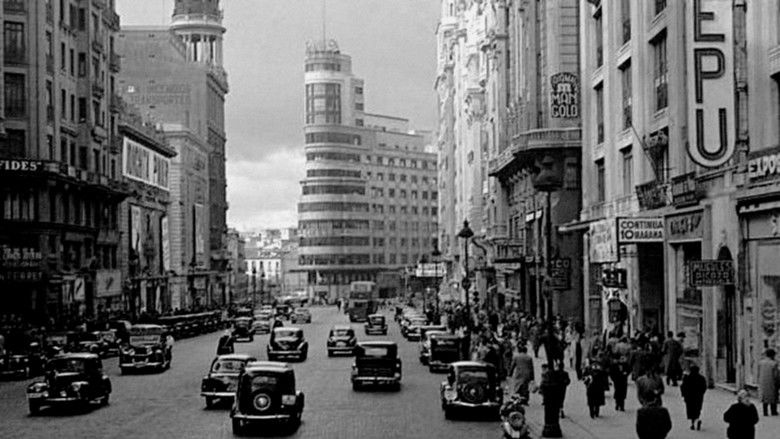
The city of Madrid as it appears in the Spanish films of the 1950s. A small tribute to all those who filmed and portrayed Madrid despite the dictatorship, censorship and the critical situation of industry and society.
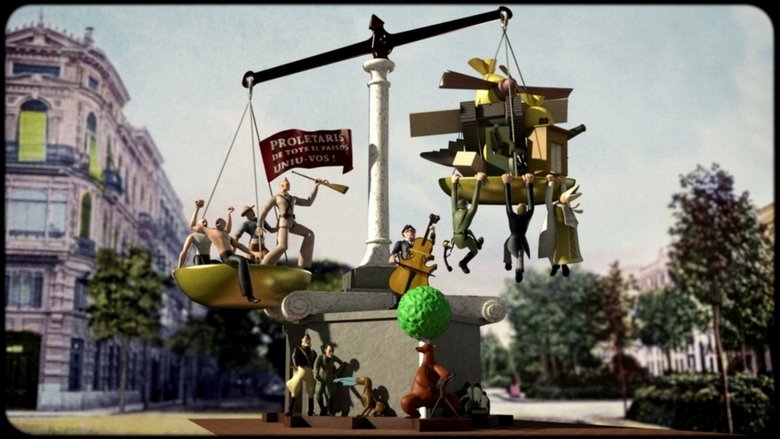
In November 1936, a few months since the beginning of the Spanish Civil War, the government of the Second Republic moves to Valencia. In this situation, several Valencian artists and intellectuals decide to build four fallas — satirical plasterboard sculptures created to be burnt — to mock fascism.

The story of a group of actresses who, in the Spain of the seventies, and in the midst of the democratic Transition, decided to appear nude in the films of that time of radical political change, defying the rigid and deeply rooted social rules.
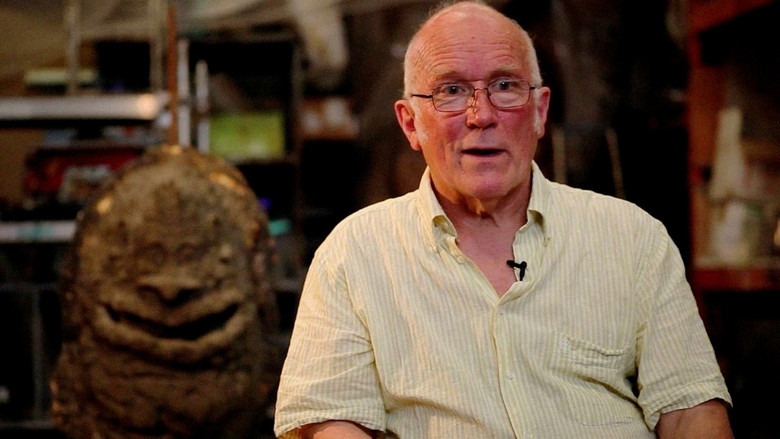
In the late sixties, Spanish cinema began to produce a huge amount of horror genre films: international markets were opened, the production was continuous, a small star-system was created, as well as a solid group of specialized directors. Although foreign trends were imitated, Spanish horror offered a particular approach to sex, blood and violence. It was an extremely unusual artistic movement in Franco's Spain.
Documentary produced by Falange and edited in Berlin, in response to the international success of the Republican production "Spain 1936" (Le Chanois, 1937).
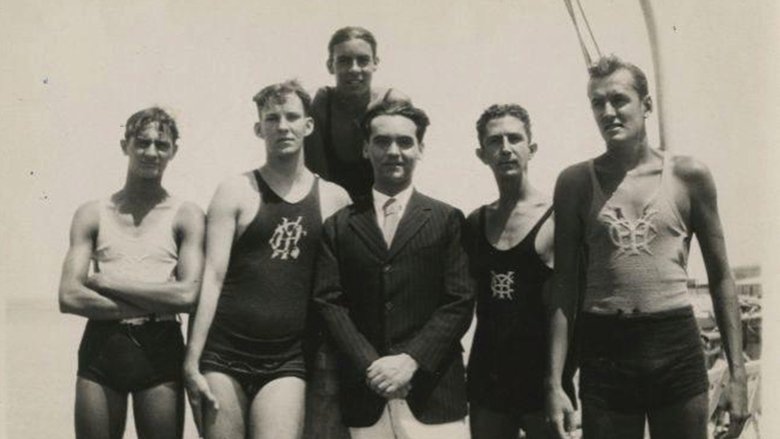
A history of the political and social repression carried out by the ruthless regime of Spanish dictator Francisco Franco between 1936 and 1975 that focuses on the lives of gays and lesbians during those dark years and the death of the Spanish gay poet Federico García Lorca.
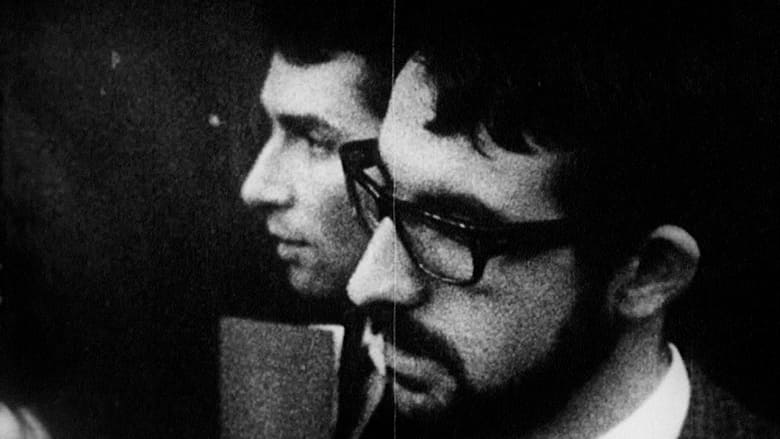
Spain, 1968. An analysis of the political and social situation of the country, suffocated by the boot of General Franco's tyrannical regime. (Filmed clandestinely in Madrid and Barcelona during the spring of 1968.)
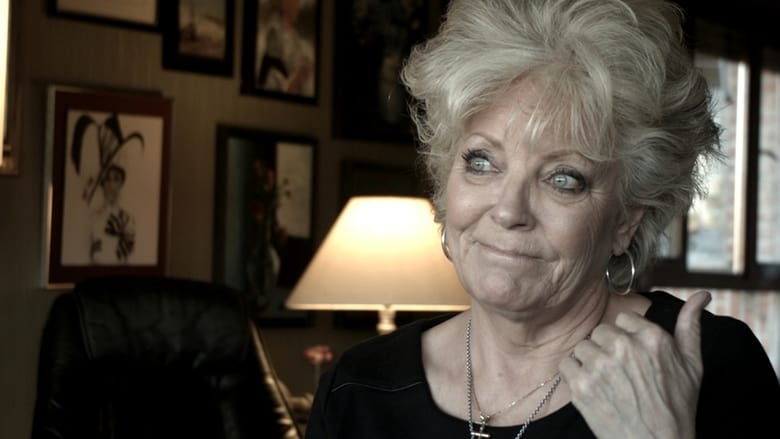
A walk through the golden age of Spanish exploitation cinema, from the sixties to the eighties; a low-budget cinema and great popular acceptance that exploited cinematographic fashions: westerns, horror movies, erotic comedies and thrillers about petty criminals.
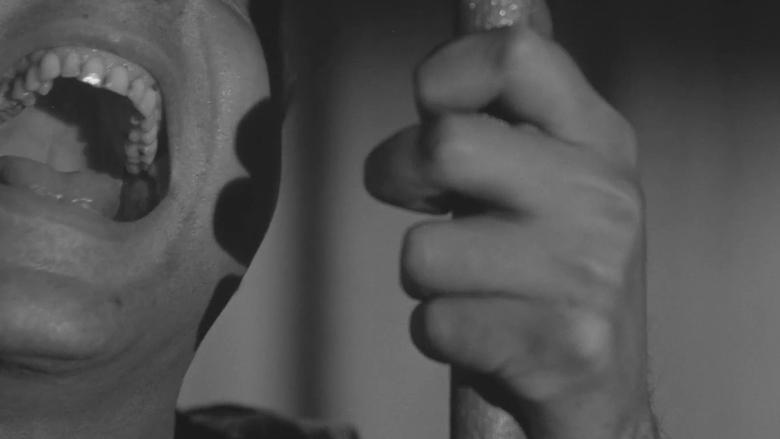
In Spain, a poor country ruined by the recent Civil War (1936-39), and in the midst of Franco's dictatorship, a film school was created in Madrid in 1947, which became, almost unintentionally, a space of freedom and pure experimentation until its closure in 1976.
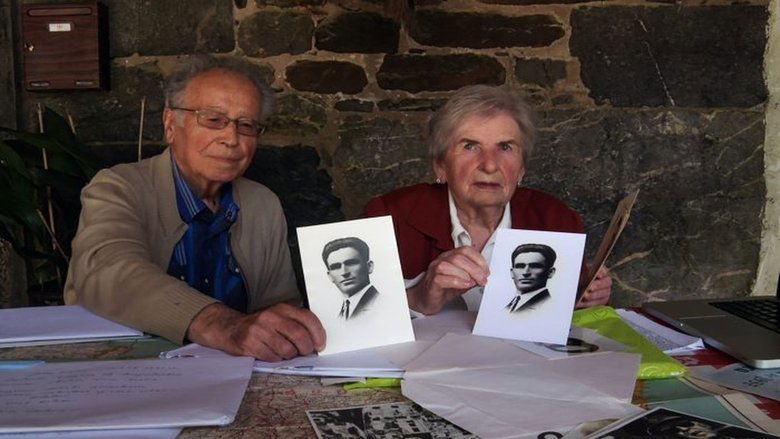
Franco on Trial is the new film by Dietmar Post and Lucía Palacios. After the success of Franco's Settlers, their first encounter with Franco's dictatorship, they are now setting their sights on one of the darkest chapters of European history: the presumed organized extermination that took place during the coup, the war, and the subsequent dictatorship led by Franco, as well as Argentina's current effort, by invoking the principle of universal jurisdiction, to prosecute Francoists accused of committing crimes against humanity. The film is also a sore reminder of an issue that still stands today: the clear-cut accountability held by Germany, Italy, and Portugal. The film accomplishes to give both sides a voice - those against whom the killing has been directed; and the side of the perpetrators.
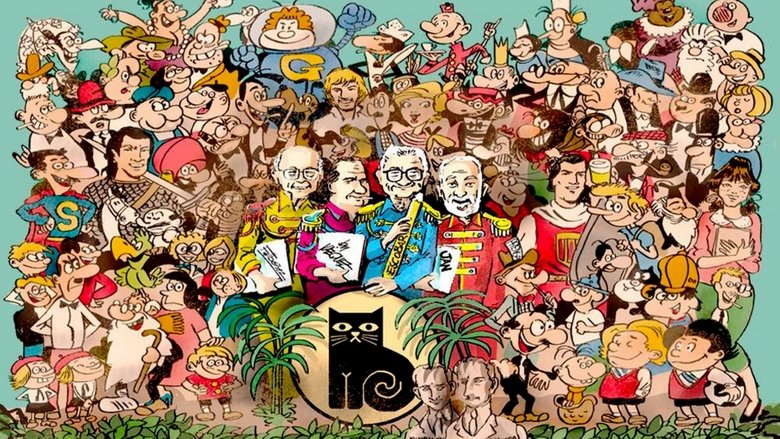
The history of Bruguera, the most important comic publisher in Spain between the 1940s and the 1980s. How the characters created by great writers and pencilers became Spanish archetypes and how their strips persist nowadays as a portrait of Spain and its people. The daily life of the creators and the founding family, the Brugueras. The world in which hundreds of vivid colorful paper beings lived and still live, in the memory of millions, in the smile of everyone.
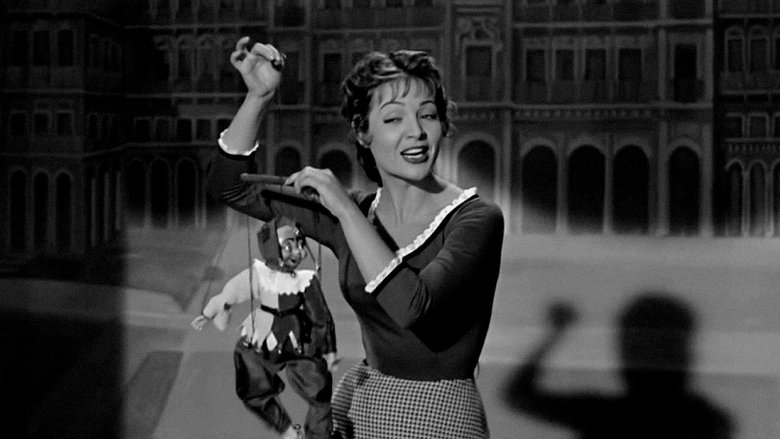
Born in Campo de Criptana, a small village in the Spanish region of La Mancha, Sara Montiel (1928-2013) conquered Mexico, Hollywood, and the hearts of people. The recognition of an unparalleled professional career, an intimate dialogue with a tireless worker who took the stage at the age of twelve and never got off. A movie star who seduced millions of viewers around the world, a singer who reinvented a musical genre, a woman who broke the mold…
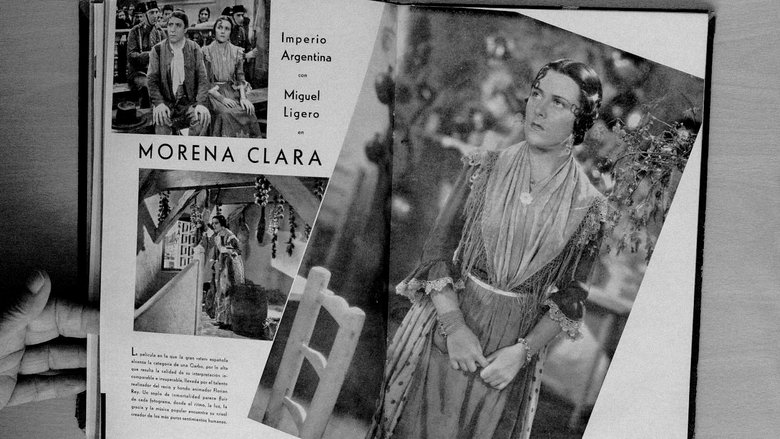
The amazing story of Cifesa, a mythical film production company founded in Valencia by the Casanova family that managed to dominate the box office during the turbulent times of the Second Spanish Republic, the carnage of the Civil War and the hardships of the long post-war period and Franco's dictatorship — and survive until the sixties, when Spain was timidly beginning to change.
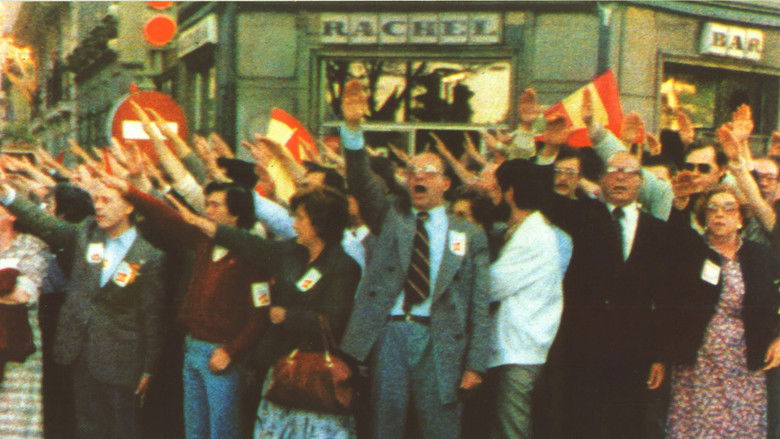
A history of the Spanish Transition told in first person by the main protagonists: on the one hand, the politicians, idealistic or merely opportunistic, who brought it to a successful conclusion in the tribunes and offices; on the other hand, the citizens who, in the streets, supported it sincerely or fought it with ferocity.
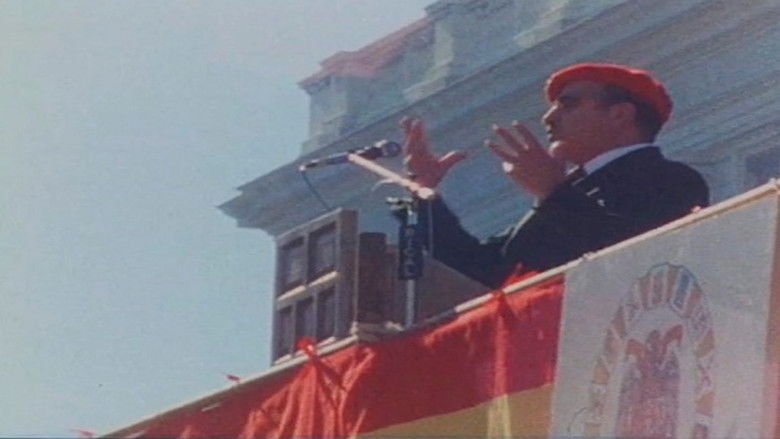
A history of the Spanish Transition told in first person by the main protagonists: on the one hand, the politicians, idealistic or merely opportunistic, who brought it to a successful conclusion in the tribunes and offices; on the other hand, the citizens who, in the streets, supported it sincerely or fought it with ferocity.