
Pir Sultan Abdal (1973)
The film tells the story of Pir Sultan Abdal, a famous folk poet in Turkey, who criticized some Ottoman governors, Hizir Pasha in particular and as a result was hung by him.
The film tells the story of Pir Sultan Abdal, a famous folk poet in Turkey, who criticized some Ottoman governors, Hizir Pasha in particular and as a result was hung by him.
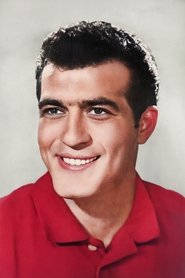 Fikret HakanPir Sultan Abdal
 Nilgün AtılganAşık Ihsani
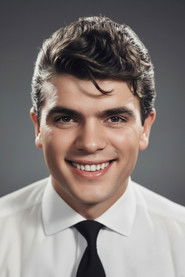 Samim Meriç
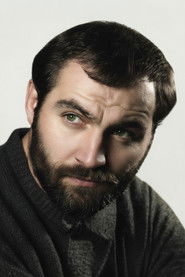 Tuncer Necmioğlu
 Mine Sun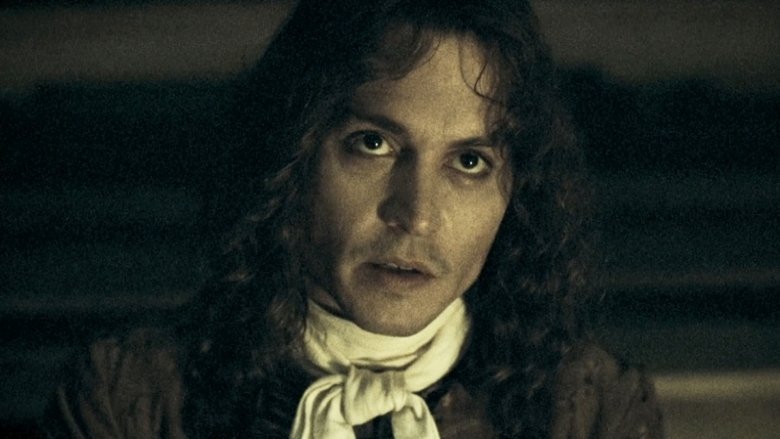
The story of John Wilmot, a.k.a. the Earl of Rochester, a 17th century poet who famously drank and debauched his way to an early grave, only to earn posthumous critical acclaim for his life's work.
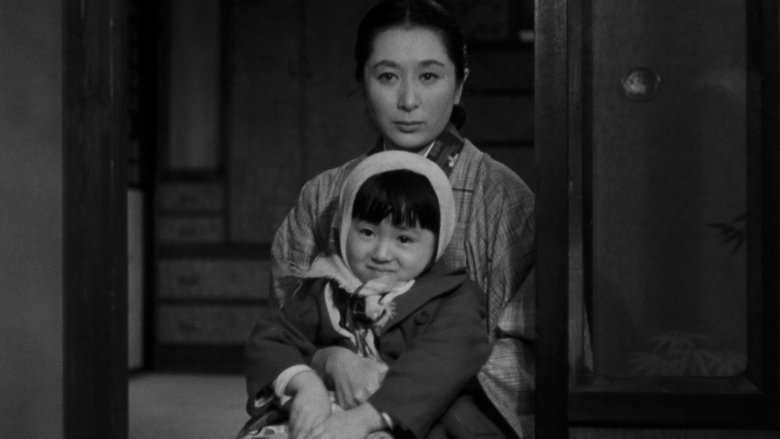
Fumiko, mother of two children and wife of an unfaithful man, shares her family life with her budding vocation as a poet. The beginning of her successful literary career coincides with her divorce and her breast cancer diagnosis. In the last stage of her life, she meets a young journalist from Tokyo who wants to write a story on her life.
The film narrates a tormented love story between one of the most famous poets of Serbian literature, Laza Kostic, renowned for his sublime poetic puns and word coining and an enchanting young girl by the name of Lenka Dundjerski, an educated and refined daughter of a landowner Lazar Dundjerski. Standing in the way of their love is the insurmountable age gap between the two, as Kostic is 29 years older than his beloved one. The affair inspired one of the most sophisticated and tender love poems of the time, an utmost expression of yearning, in which the poet's unflinching devotion is linked to his admiration for a Venice basilisk by the name of Santa Maria della Salute.
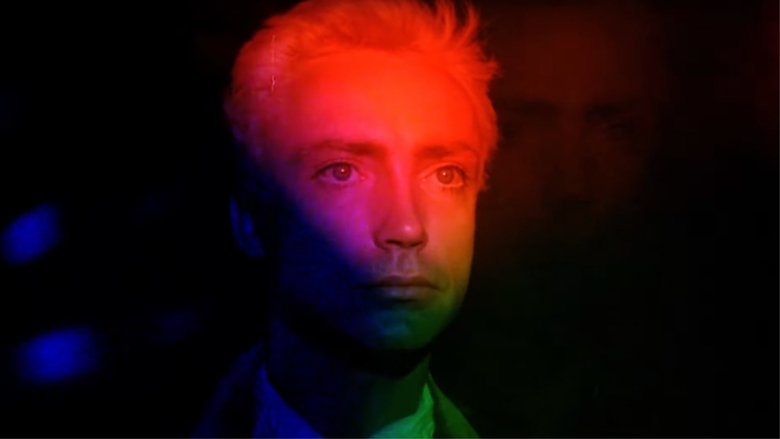
Narcisus and Psyche is based on a novel by Sandor Weores which was adapted by Vilmos Csaplar and director Gabor Body for a feature-length film. Borrowing the character of Psyche from mythology and placing her in Europe in the 19th century, the authors give her a "modern" life. She is an attractive young woman - and remains so throughout the film, in spite of one hardship after another. Psyche is libidinous, and her prurient interests shock her staid contemporaries.
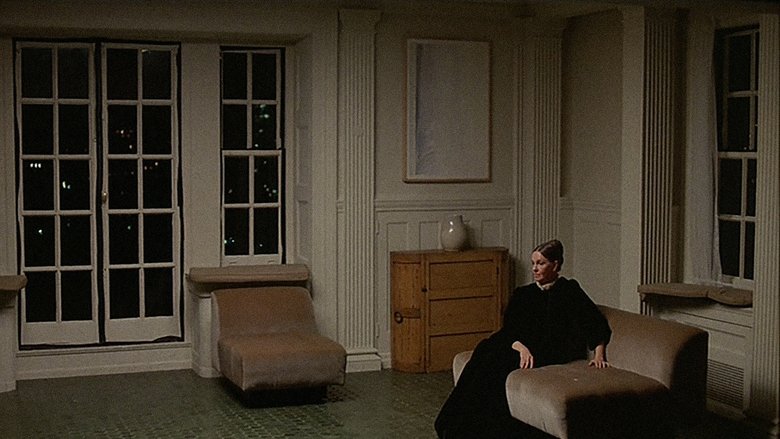
When Eve, an interior designer, is deserted by her husband of many years, Arthur, the emotionally glacial relationships of the three grown-up daughters are laid bare. Twisted by jealousy, insecurity and resentment, Renata, a successful writer; Joey, a woman crippled by indecision; and Flyn, a budding actress; struggle to communicate for the sake of their shattered mother. But when their father unexpectedly falls for another woman, his decision to remarry sets in motion a terrible twist of fate…
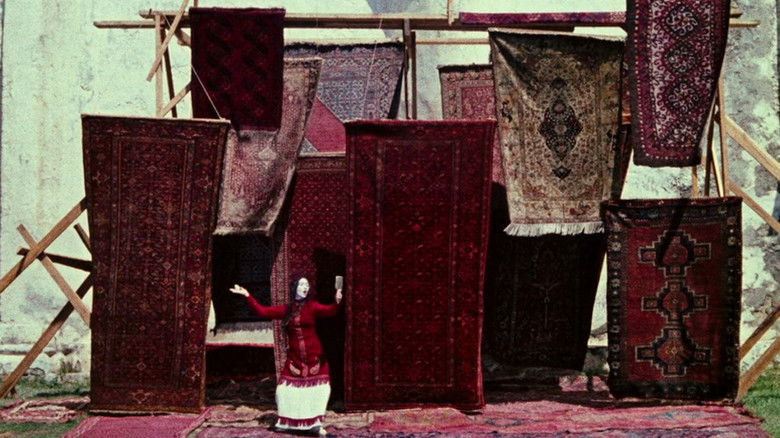
The life of the revered 18th-century Armenian poet and musician Sayat-Nova. Portraying events in the life of the artist from childhood up to his death, the movie addresses in particular his relationships with women, including his muse. The production tells Sayat-Nova's dramatic story by using both his poems and largely still camerawork, creating a work hailed as revolutionary by Mikhail Vartanov.
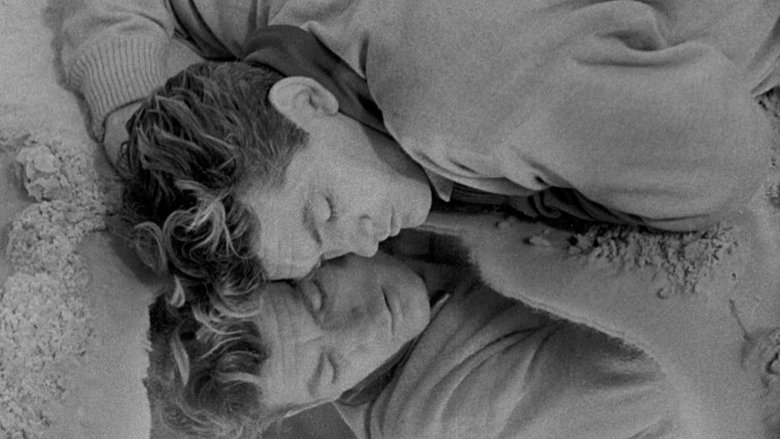
A famous poet in postwar Paris, scorned by the Left Bank youth, is in love with both his wife Eurydice and a mysterious princess. Seeking inspiration, the poet becomes obsessed and follows the princess from the world of the living to the land of the dead.
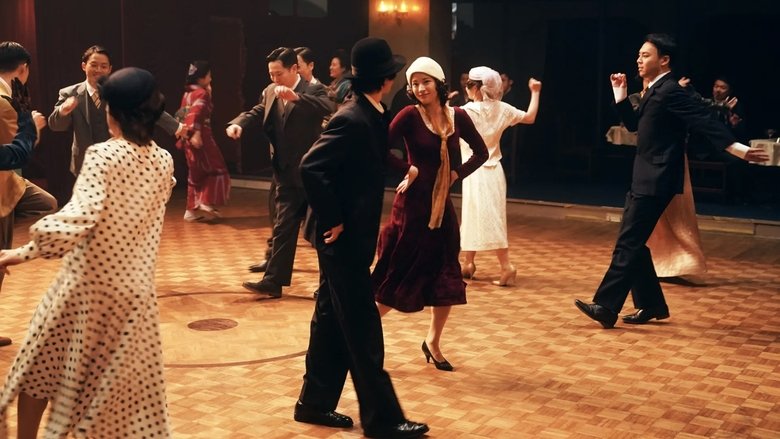
In the early 1920s, Yasuko, a budding actress, crosses paths with Chūya Nakahara, a young poet destined to be revered as a genius. Drawn to each other by their shared pretentiousness, they begin living together and quickly fall into a complex relationship. Their lives take a dramatic turn when they move to Tokyo and are visited by Hideo Kobayashi, a friend of Chūya’s who would later emerge as one of Japan's foremost literary critics. This seemingly chance encounter not only alters Yasuko's fate but also entwines the three of them in an intense and inescapable destiny.
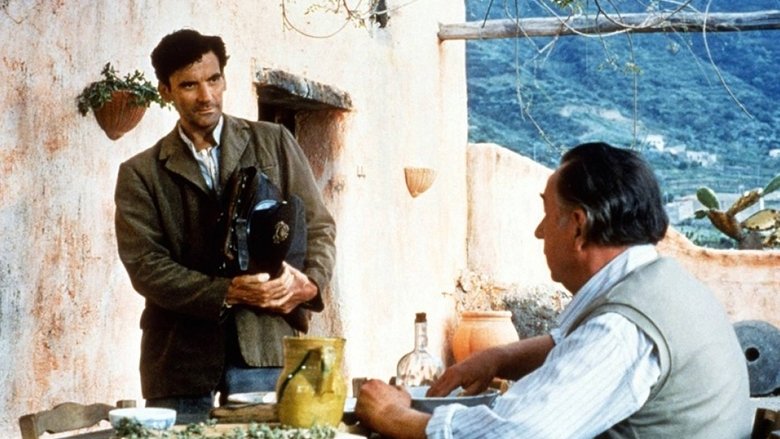
Simple Italian postman learns to love poetry while delivering mail to a famous poet; he uses this to woo local beauty Beatrice.
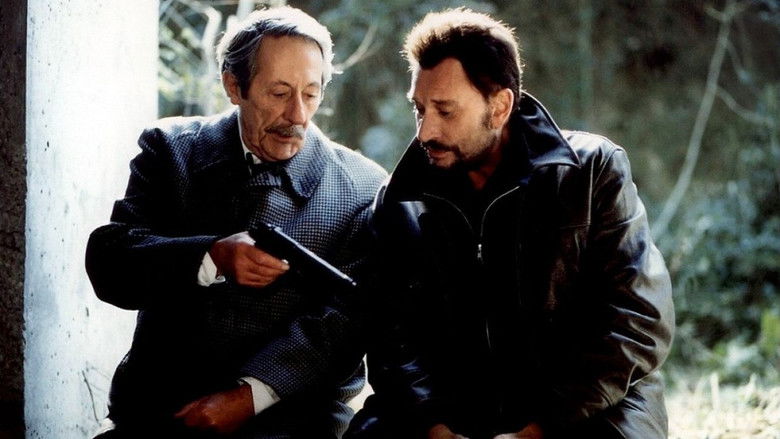
A man, Milan steps off a train, into a small French village. As he waits for the day when he will rob the town bank, he runs into an old retired poetry teacher named M. Manesquier. The two men strike up a strange friendship and explore the road not taken, each wanting to live the other's life.
Ralph Ellison was an African-American writer and essayist, who's only novel Invisible Man (1953) gained a wide critical success. Ellison's ambitious journey from a childhood of hardship and poverty to celebrated African American writer is chronicled in this inspiring program through exclusive interviews and personal recollection.
The 'Farmer Poet' Robert Burns, after a bad romance, pens "Auld Lang Syne" to much fanfare and courts high society at the expense of his blossoming relationship with beautiful Jean Armour. Soon a marriage is arranged for Jean, and Robby must race to her side before she is married off.
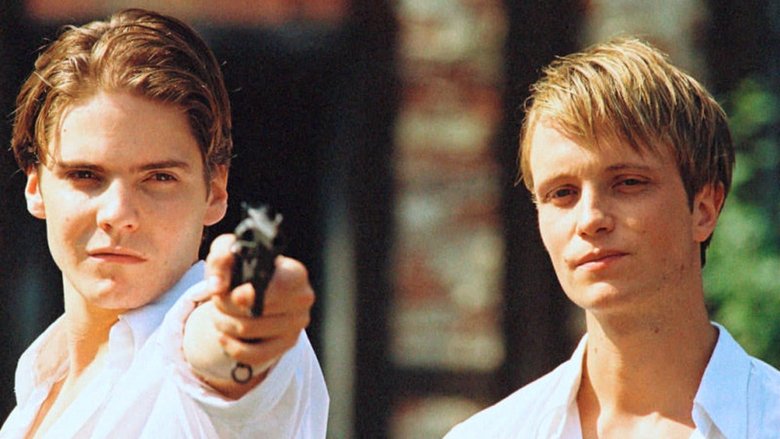
A posthumous look at the last days of Guenther's life as he, his best friend, and his sister let loose on a four-day binge of alcohol, drugs, and sex.
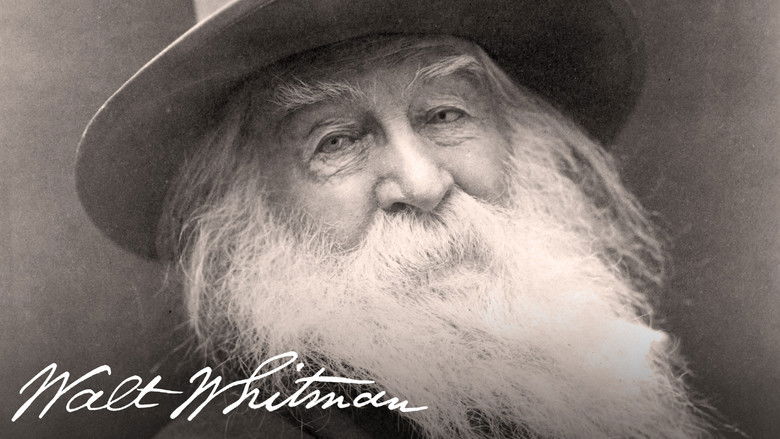
This American Experience tells Whitman's life story, from his working-class childhood in Long Island, to his years as a newspaper reporter in Brooklyn when he struggled to support his impoverished family, then to his reckless pursuit of the attention and affection he craved for his work, to his death in 1892.

The young Friedrich Schiller begins his life as a poet with a dramatic escape. After the sensational success of his first drama "The Robbers", he deserts from the Duke's army. At the Mannheim Court and National Theatre, he initially receives a friendly reception, but his new play "Fiesko" is not well received by the artistic director Dalberg. In the successful actor and author August Wilhelm Iffland, Schiller finds a strong competitor for the position of in-house playwright and vies with him for the love of the same woman. The young poet's situation becomes increasingly precarious; he has no money, suffers from hunger and falls seriously ill. Nevertheless, he works feverishly for recognition and success with no regard for his own health.
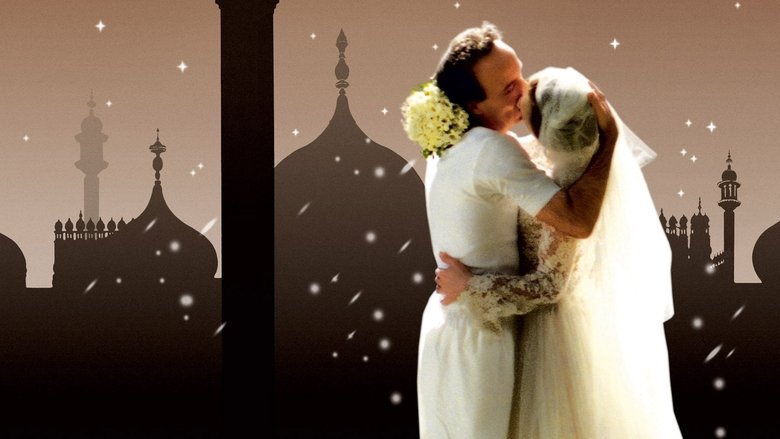
Love and injury in time of war. Attilio de Giovanni teaches poetry in Italy. He has a romantic soul, and women love him. But he is in love with Vittoria, and the love is unrequited. Every night he dreams of marrying her, in his boxer shorts and t-shirt, as Tom Waits sings. Vittoria travels to Iraq with her friend, Fuad, a poet; they are there with the second Gulf War breaks out. Vittoria is injured. Attilio must get to her side, and then, as war rages around him, he must find her the medical care she needs. In war, does love conquer all?
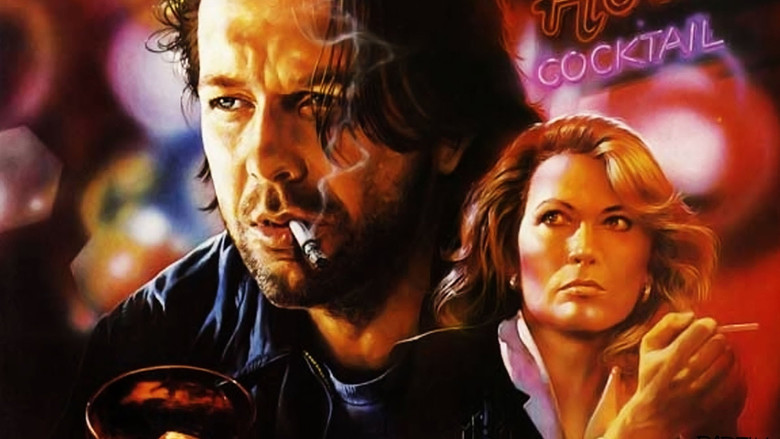
Downtrodden writer Henry and distressed goddess Wanda aren't exactly husband and wife: they're wedded to their bar stools. But, they like each other's company—and Barfly captures their giddy, gin-soaked attempts to make a go of life on the skids.
A dramatic recreation of Dylan Thomas' last tour of America, starring actor Bob Kingdom as the Welsh poet. Originally a successful stage production, the show was adapted for this recorded version by renowned actor Anthony Hopkins (in his directorial debut). Dylan Thomas was one of the twentieth century's greatest poets. He was born in the Uplands district of Swansea in 1914 and died in New York in 1953 at the age of 39. Towards the end of his life, Dylan Thomas toured America, performing his works before sell out audiences across the country. The film features the poems "Fern Hill"; "Do Not Go Gently into that Good Night"; "A Poem in October"; "And Death Shall Have No Dominion"; "A Story (The Outing)" and "Return Journey" .
A journey into the BBC archives unearthing glorious performances and candid interviews from some of Britain's greatest poets.
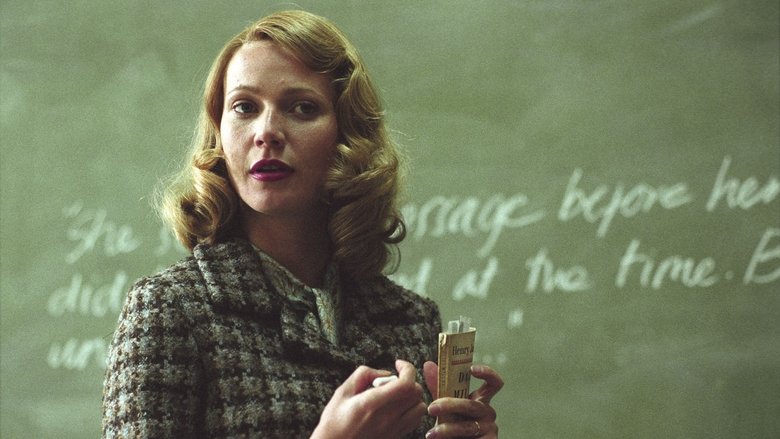
Story of the relationship between the poets Ted Hughes and Sylvia Plath.