
Great Poets: In Their Own Words (2014)
A journey into the BBC archives unearthing glorious performances and candid interviews from some of Britain's greatest poets.
A journey into the BBC archives unearthing glorious performances and candid interviews from some of Britain's greatest poets.
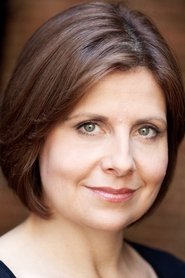 Rebecca FrontNarrator (voice)
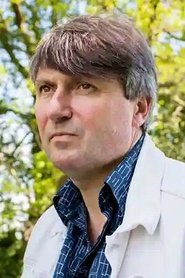 Simon ArmitageSelf
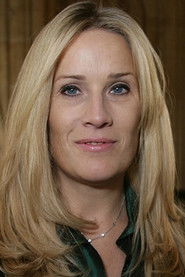 Sarah ChurchwellSelf
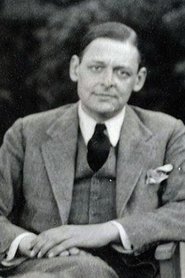 T. S. EliotSelf
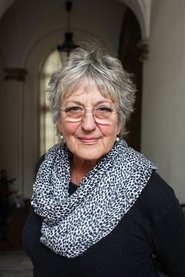 Germaine GreerSelfLiz LochheadSelfBlake MorrisonSelfEzra PoundSelfEdith SitwellSelf
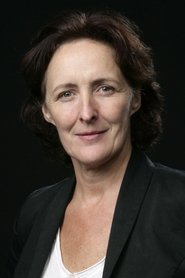 Fiona ShawSelf
Since ancient times, the Green Man has been one of the most mysterious and menacing of mythical characters. He also has a familiar face as Robin Hood , Jack in the Green and on numerous pub signs. Across the arts from comic strips to classical opera, the Green Man is now making a comeback. Where is he taking us? Writer Sir Kingsley Amis , film director John Boorman , composer Sir Harrison Birtwistle and other leading artists offer their interpretations of the mystery in this Omnibus documentary film from 16th November, 1990.
Karl Edward Wagner was one of the most accomplished dark fantasy and horror writers in the world during the 1970’s and 1980’s, but very few outside of his devoted cult of fans even know his name. Creator of the immortal antihero warrior Kane and the author of several cerebral tales of psychological horror, Karl gave his characters and settings a unique and chilling perspective. A rugged and imposing figure who resembled his red-bearded swordsman Kane, Karl’s life ultimately ended tragically in 1994 due to the ravages of alcohol, cutting short the career of a writer who should be considered a legend in the field of weird fiction. This feature-length documentary features Karl’s family, friends, and contemporaries like Ramsey Campbell, Peter Straub, and Dennis Etchison as they explore the life of the Last Wolf, a dark genius from a bygone era who, like Kane, remains immortal through his words.
At underground film of the 1st Popular Festival of Catalan Poetry filmed in the Proce Theater in Barcelona on May 25, 1970, in solidarity with political prisoners. The participating poets were: Agustí Bartra, Joan Oliver (Pere IV), Salvador Espriu, Joan Brossa, Francesc Vallverdú and Gabriel Ferrater.
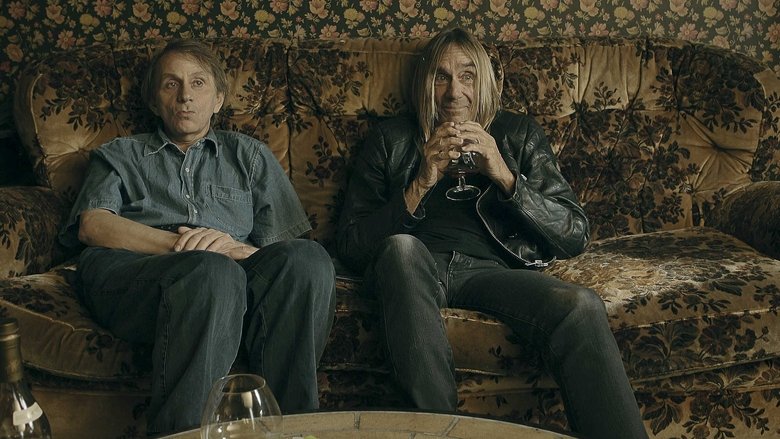
Iggy Pop reads and recites Michel Houellebecq’s manifesto. The documentary features real people from Houellebecq’s life with the text based on their life stories.
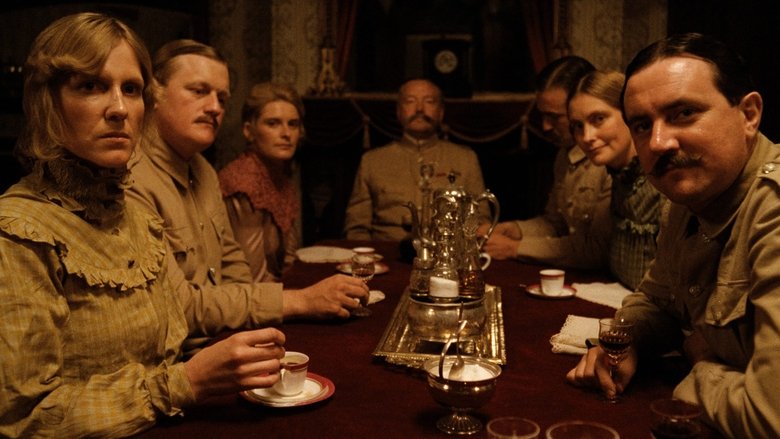
During the Boer War, three Australian lieutenants are on trial for shooting Boer prisoners. Though they acted under orders, they are being used as scapegoats by the General Staff, who hopes to distance themselves from the irregular practices of the war. The trial does not progress as smoothly as expected by the General Staff, as the defence puts up a strong fight in the courtroom.
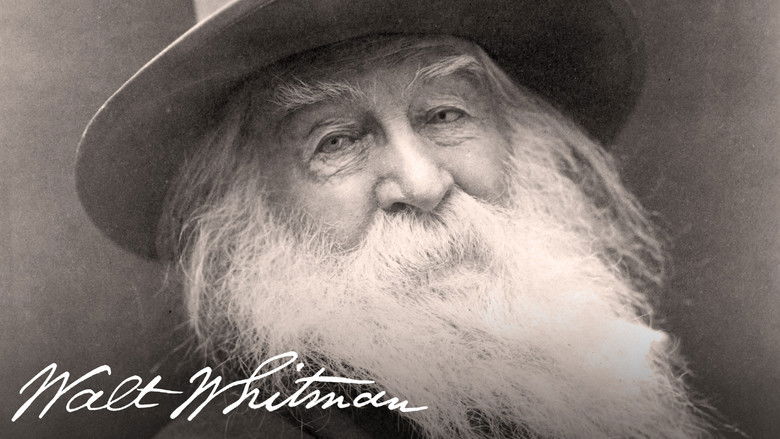
This American Experience tells Whitman's life story, from his working-class childhood in Long Island, to his years as a newspaper reporter in Brooklyn when he struggled to support his impoverished family, then to his reckless pursuit of the attention and affection he craved for his work, to his death in 1892.
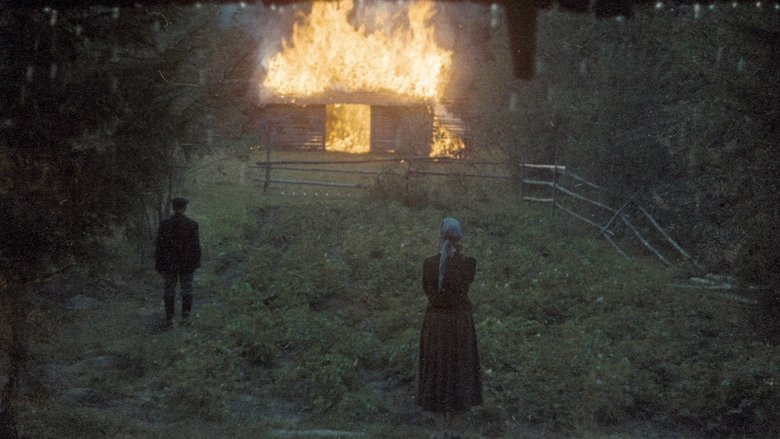
A dying man in his forties recalls his childhood, his mother, the war and personal moments that tell of and juxtapose pivotal moments in Soviet history with daily life.

Jean-Dominique Bauby, editor-in-chief of French fashion bible Elle magazine, has a devastating stroke at age 43. The damage to his brain stem results in locked-in syndrome, with which he is almost completely paralyzed and only able to communicate by blinking an eye. Bauby painstakingly dictates his memoir via the only means of expression left to him.
Stephen Fry discusses Oscar Wilde in relation to Wilde (1997) the biopic in which he starred as Wilde, released that same year.
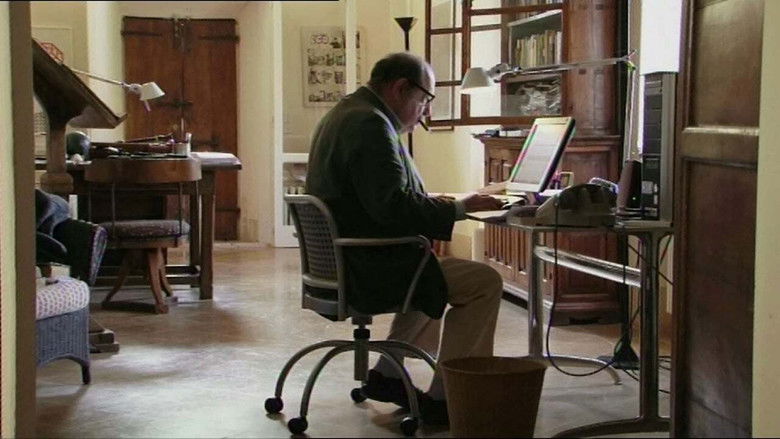
Umberto Eco, the author of best-selling novels who passed away in February 2016, unveils the secrets behind his undertakings and novels.
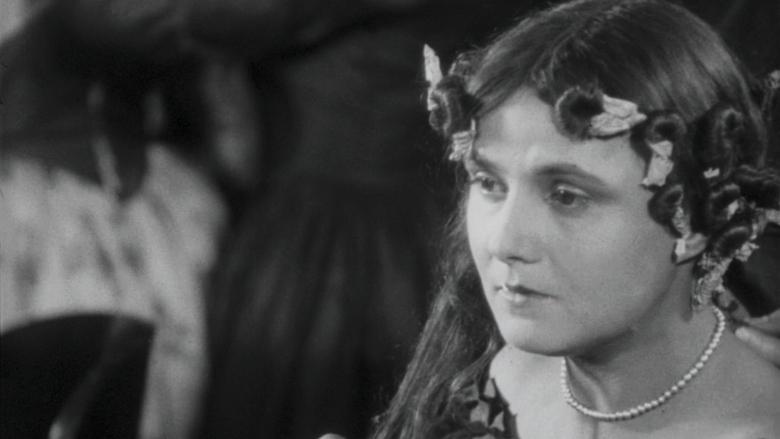
A young man, Ivan, is forcefully mobilised and sent to fight in the Caucasian War as a soldier of the Russian Empire by his landlord, leaving his wife behind. In the Caucasus, Ivas experiences the fierce local resistance to the Russian military, and returns home to launch an uprising against the Russian government.
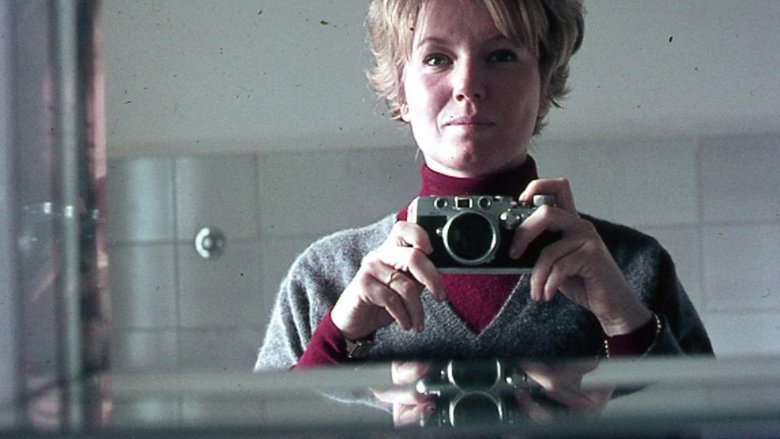
A journey back through Dacia Maraini's and her trips around the world with her close friends cinema director Pier Paolo Pasolini and opera singer Maria Callas. An in-depth story of this fascinating woman's life. Maraini's memories come alive through personal photographs taken on the road as well as her own Super 8 films shot almost thirty years ago.
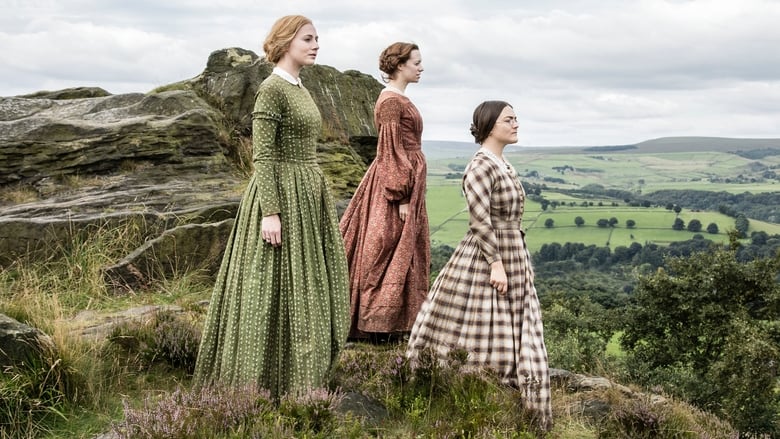
To Walk Invisible takes a new look at the extraordinary Brontë family, telling the story of these remarkable women who, despite the obstacles they faced, came from obscurity to produce some of the greatest novels in the English language.
Ralph Ellison was an African-American writer and essayist, who's only novel Invisible Man (1953) gained a wide critical success. Ellison's ambitious journey from a childhood of hardship and poverty to celebrated African American writer is chronicled in this inspiring program through exclusive interviews and personal recollection.
Bosnian Croat writer Miljenko Jergović and Serbian writer Marko Vidojković replace one another by the steering wheel of Yugo, a symbol of their common past while driving on the Brotherhood and Unity Highway that stretched across five of six republics of Yugoslavia.
A poetic look at the life and legacy of legendary author Philip K. Dick (1928-1982), who wrote over a hundred short stories and 44 novels of mind-bending sci-fi, exploring themes of authority, drugs, theology, mental illness and much more.
A documentary about calligraphy.
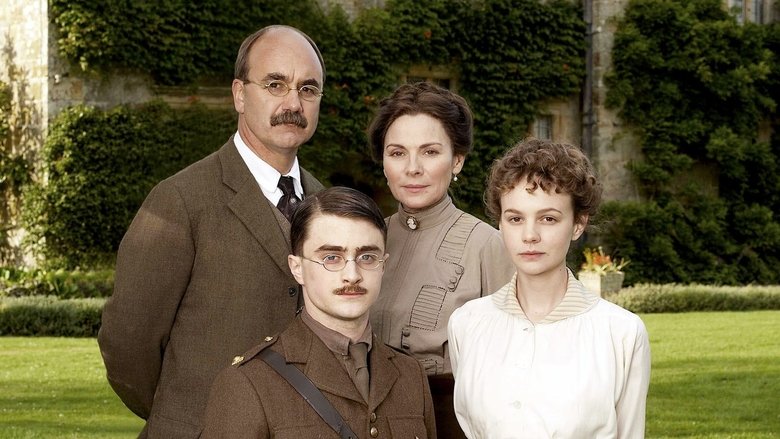
Author Rudyard Kipling and his wife search for their 17-year-old son after he goes missing during WWI.
The film tells the story of Pir Sultan Abdal, a famous folk poet in Turkey, who criticized some Ottoman governors, Hizir Pasha in particular and as a result was hung by him.
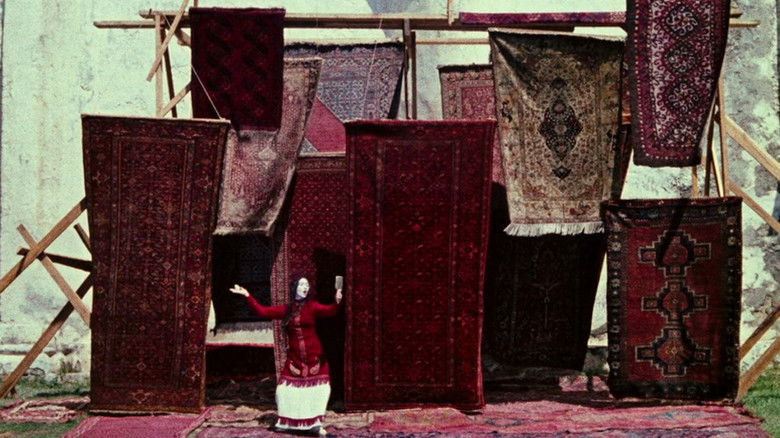
The life of the revered 18th-century Armenian poet and musician Sayat-Nova. Portraying events in the life of the artist from childhood up to his death, the movie addresses in particular his relationships with women, including his muse. The production tells Sayat-Nova's dramatic story by using both his poems and largely still camerawork, creating a work hailed as revolutionary by Mikhail Vartanov.