
Lagniappe (2006)
A film created by Les Blank and Maureen Gosling from footage that was cut from the documentary "Always for Pleasure" (1978) about Mardi Gras in New Orleans.
A film created by Les Blank and Maureen Gosling from footage that was cut from the documentary "Always for Pleasure" (1978) about Mardi Gras in New Orleans.
Professor LonghairSelf (archive footage)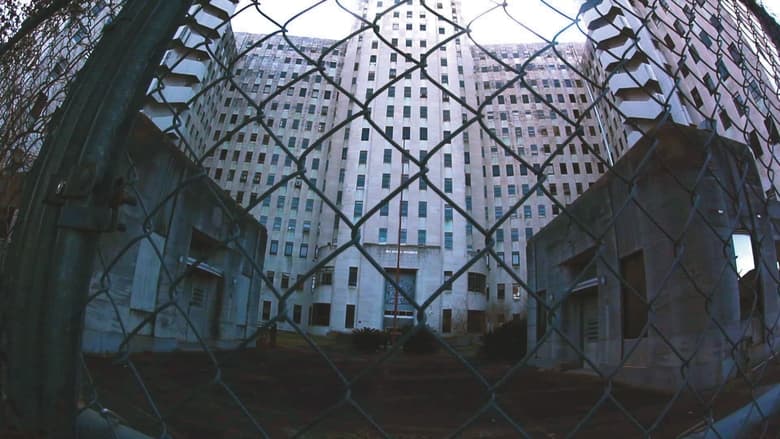
This documentary film includes never-before-seen footage and exclusive interviews to tell the story of Charity Hospital, from its roots to its controversial closing in the wake of Hurricane Katrina. From the firsthand accounts of healthcare providers and hospital employees who withstood the storm inside the hospital, to interviews with key players involved in the closing of Charity and the opening of New Orleans’ newest hospital, “Big Charity” shares the untold, true story around its closure and sheds new light on the sacrifices made for the sake of progress.
The Naked Dance is the first documentary about America's legendary legal red-light district that thrived in New Orleans from 1898 until World War I. Storyville got its name when Alderman Sidney Story attempted to clear up the New Orleans waterfront by restricting prostitution to a specific neighborhood. To his chagrin, the area was dubbed "Storyville," and it was so known until the U.S. Navy closed it for good in 1917.
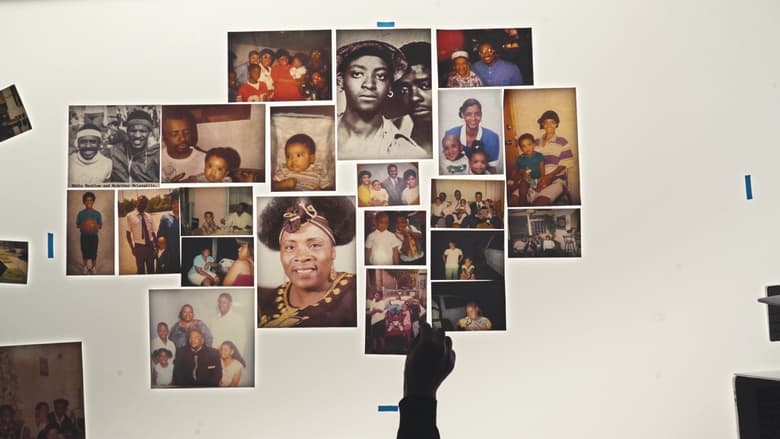
A first-person account of the short-term and long-term devastation wrought by Hurricane Katrina, as told by young people who were between the ages of 3 and 19 when the levees broke.

One of comedian Richard Pryor's later stand-up performances. As foul-mouthed as ever, Pryor touches on most of the same topics as in his previous live shows. Filmed at the Saenger Theatre in New Orleans.
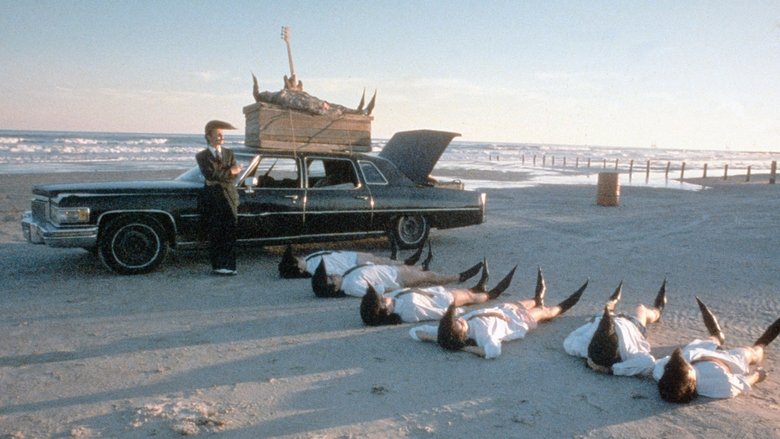
The Leningrad Cowboys, a group of Siberian musicians, and their manager, travel to America seeking fame and fortune. As they cross the country, trying to get to a wedding in Mexico, they are followed by the village idiot, who wishes to join the band.
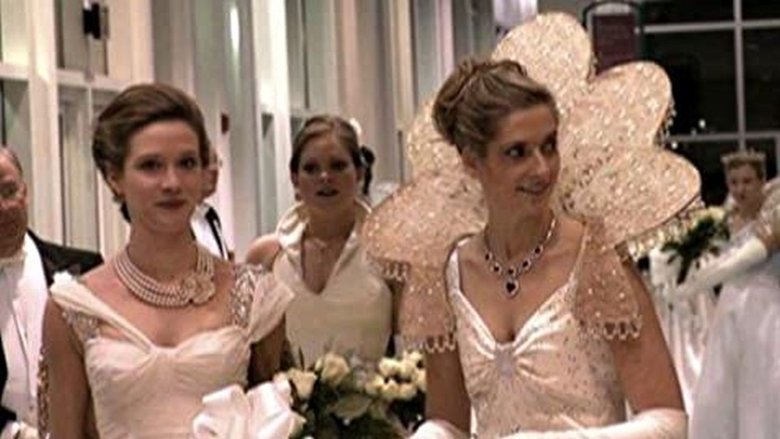
In 2007 Mobile, Alabama, Mardi Gras is celebrated... and complicated. Following a cast of characters, parades, and parties across an enduring color line, we see that beneath the surface of pageantry lies something else altogether.
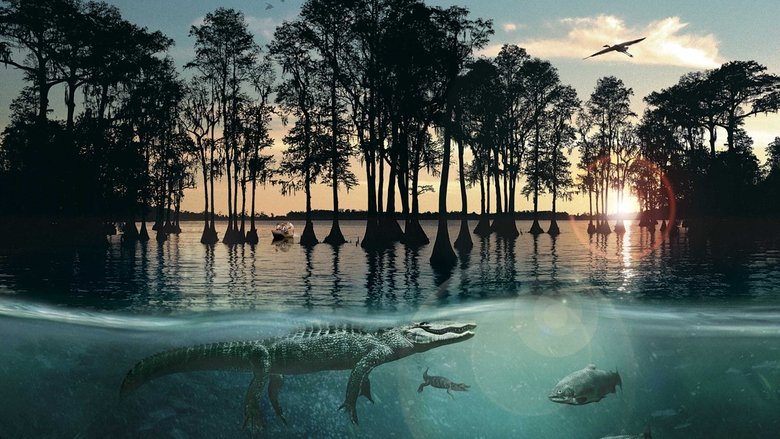
The film "Hurricane on the Bayou" is about the wetlands of Louisiana before and after Hurricane Katrina.
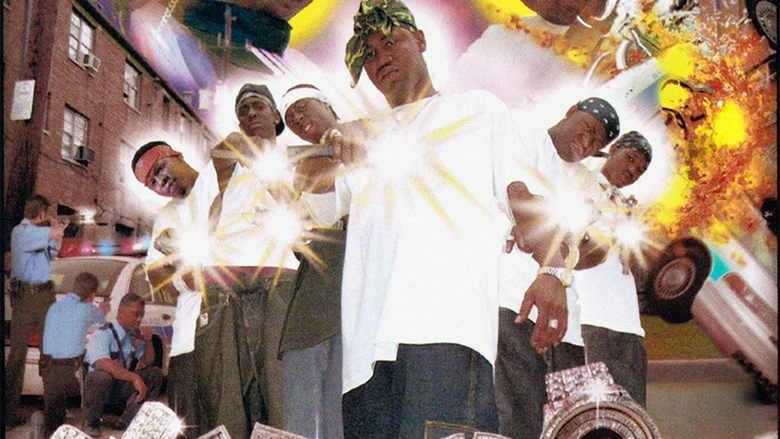
A flashback to the early life of the narrator/ protagonist 'Tanuk' (Juvenile) shows life in the Magnolia projects in New Orleans. He bears witness to his father's demise at the hands of local gangster Garr over a debt of $2000. Fast forward to the year 2000. Beatrice (Birdman aka Baby or #1 stunna) along with Tanuk, Chopper (B.G) and Teke (Turk) meet with representatives of a drug cartel and purchase a large batch of cocaine. We then see scenes of everyday business in Magnolia with Iceberg Shorty (Lil Wayne) selling some drugs.
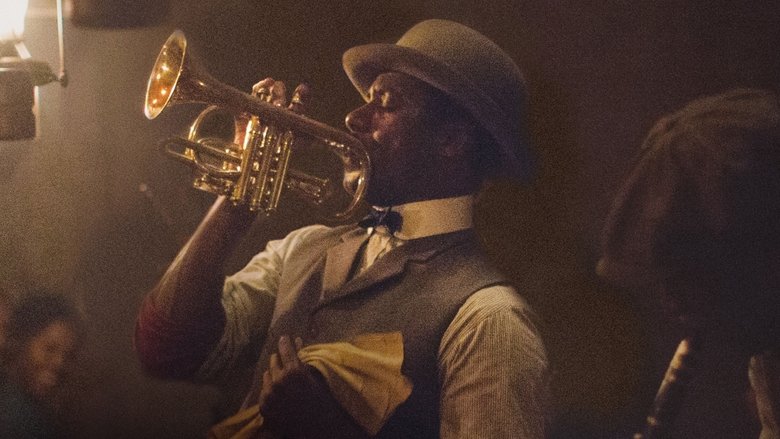
A mythical account of the life of Buddy Bolden, the first Cornet King of New Orleans.
From the first movie nickelodeon on Canal Street in New Orleans at the turn of the century to the mega-plex theatres in the suburbs of the city, this film traces their history. With interviews from the people that were working in silent movie theatres to the visionaries that knew that "if you built them they will come", this is fascinating look at a history in a city that is a joy in everyone's memory.

In order to avoid a prearranged marriage, a rebellious French princess sheds her identity and escapes to colonial New Orleans, where she finds an unlikely true love.
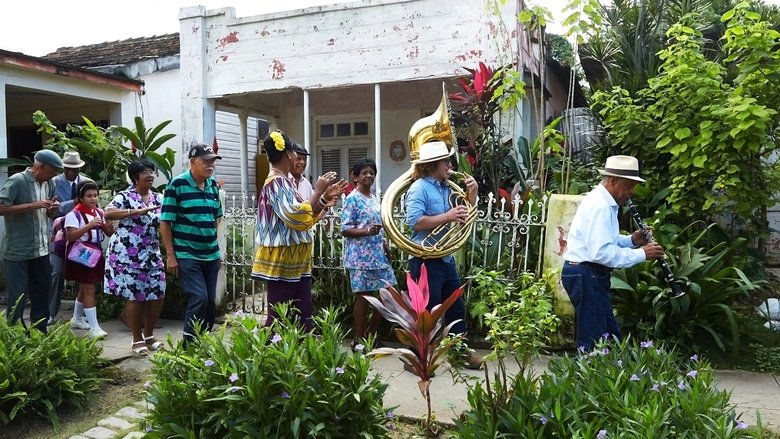
A son seeking to fulfill his late father’s dream takes his band from the storied city of New Orleans to the shores of Cuba, where — through the universal language of music — dark and ancient connections between their peoples reveal the roots of jazz.
A look back 20 years ago, on the challenges Coast Guard air crews and rescue swimmers had to overcome in New Orleans, to successfully rescue thousands of people in need following Hurricane Katrina in 2005.
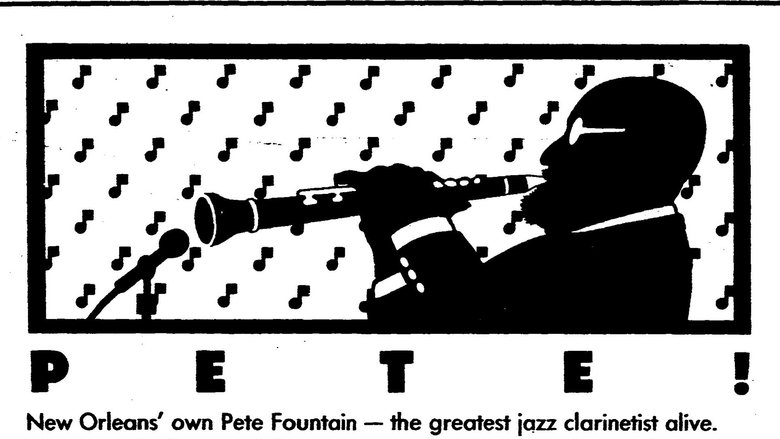
Narrated by Phil Harris, a longtime friend of Fountain's, "Pete!" uses performance film, interviews, behind-the-scenes footage and a home videos to offer an intimate portrait of Fountain, the walking, talking embodiment of his hometown. Produced and directed by by John Beyer, the film originally aired on PBS stations nationwide. When it aired locally as part of a PBS membership drive, "Pete!" was credited with raising "more than had ever been raised by a single program in the history of WYES," according to a story published in The Times-Picayune in August 1980.

Jeff grows up near Basin Street in New Orleans, playing his clarinet with the dock workers. He puts together a band, the Basin Street Hot-Shots, which includes a cornet player, Memphis. They struggle to get their jazz music accepted by the cafe society of the city. Betty Lou joins their band as a singer and gets Louie to show her how to do scat singing. Memphis and Jeff both fall in love with Betty Lou.
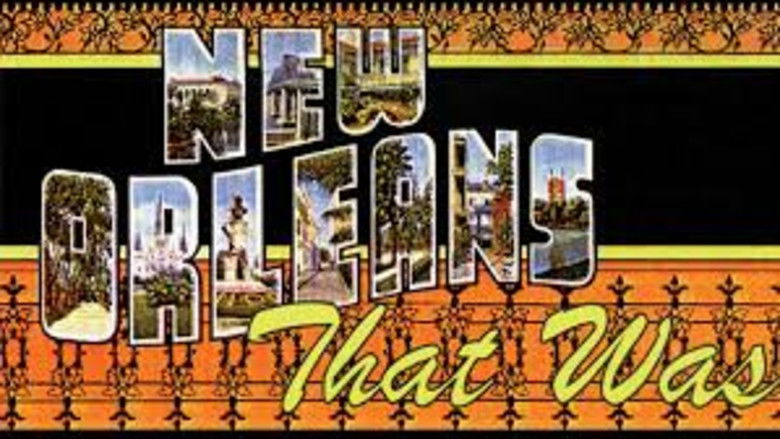
A ride on the Zephyr at Pontchartrain Beach, a ride on the Canal Street streetcar, a journey along the New Basin Canal, exploring Lincoln Beach, watching the New Orleans Pelicans play ball, seeing the Mardi Gras Indians on tree-lined North Claiborne Avenue or just going to the neighborhood movie theatres. Visit some of the special places from New Orleans’ recent past.
The life story of Pulitzer Prize winning author John Kennedy Toole as told by friends and colleagues. Legacy format production, representational photography and an original music score combine to bring the author's life into focus. His personal triumphs, his untimely death and the publication of the novel, 'A Confederacy of Dunces,' years after his suicide are all explored in this darkly beautiful first person narrative.
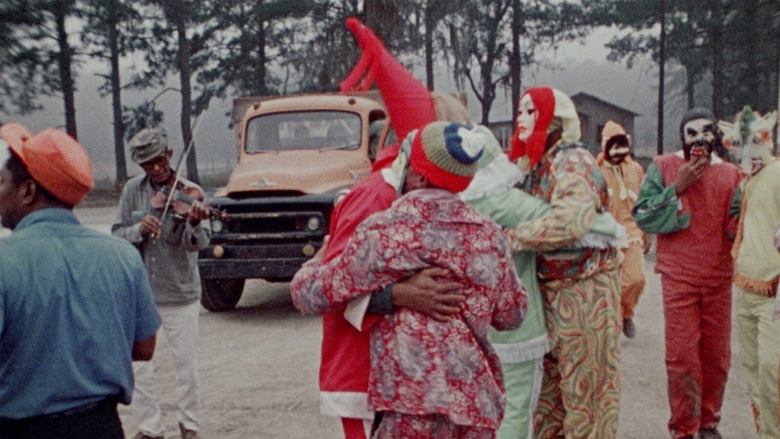
An intense insider's portrait of New Orleans' street celebrations and unique cultural gumbo: Second-line parades, Mardi Gras, Jazz Fest. Features live music from Professor Longhair, the Wild Tchoupitoulas, the Neville Brothers and more. This glorious, soul-satisfying film is among Blank's special masterworks. Preserved by the Academy Film Archive in 1999.
Documentary where rich social history frames a spirited debate on the development of water infrastructure throughout the USA.
Mardi Gras, drag balls and politics – where else could these elements come together but in New Orleans? Interweaving archival footage and contemporary interviews, The Sons of Tennessee Williams charts the evolution of the gay Mardi Gras krewe scene over the decades, illuminating the ways in which its emergence was a seminal factor in the cause of gay liberation in the South.