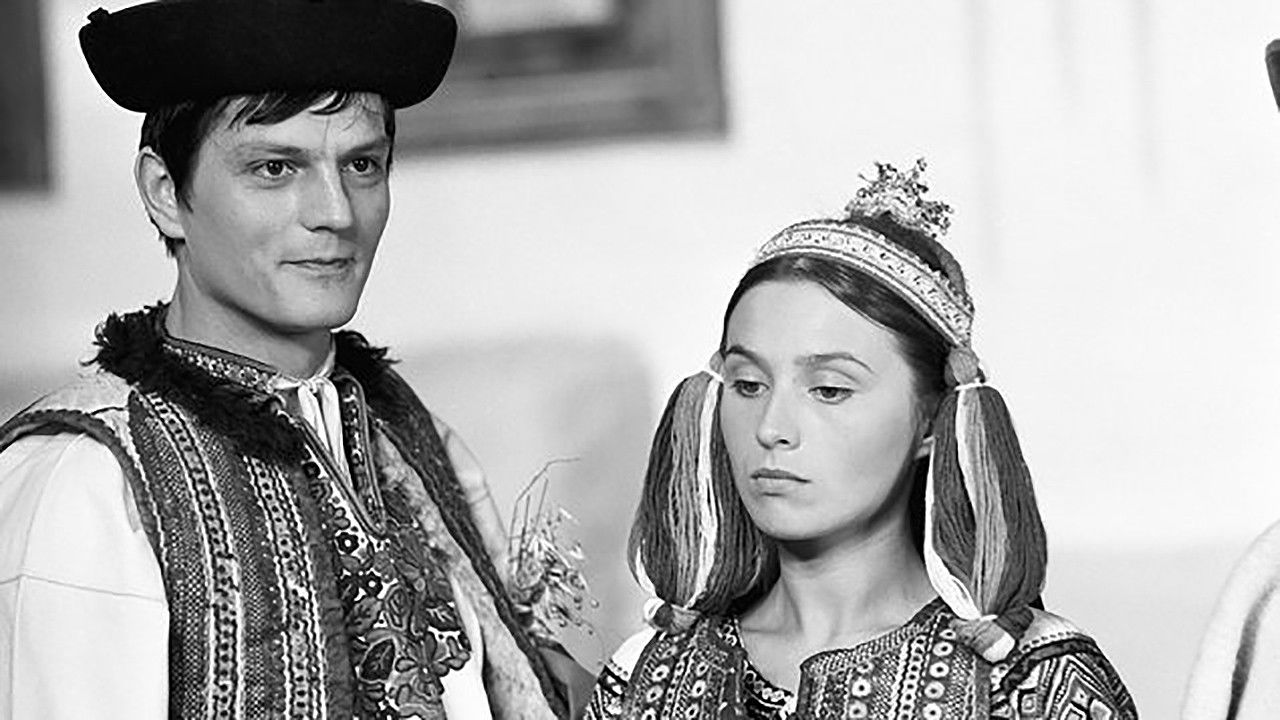
Rok na dedine (1968)
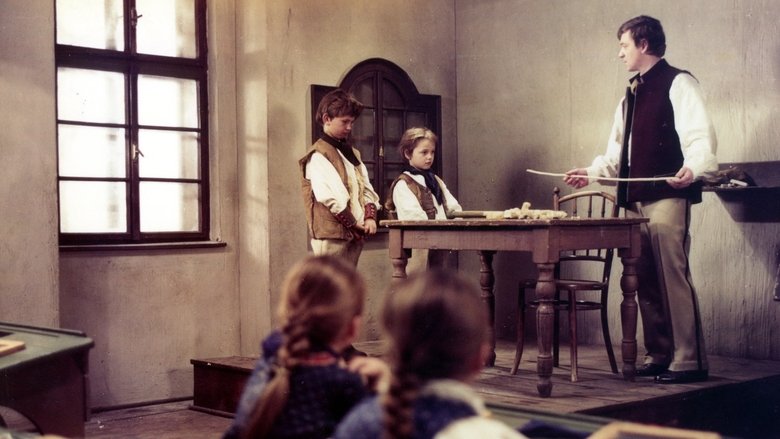
The film presents a parade of customs, music, songs and dances of the Slovak people in four seasons, based on a theatre play by I. Teren and K.L. Zachar from the first years after the liberation.
The film presents a parade of customs, music, songs and dances of the Slovak people in four seasons, based on a theatre play by I. Teren and K.L. Zachar from the first years after the liberation.
 Karol L. ZacharTutura
 Adam MatejkaTrúbel'ka
 Emília VášáryováHanka
 Jozef AdamovičMartin
 Hana MeličkováZ. Svoreňová
 Alžbeta PoničanováTrúbel'ková
 Viliam ZáborskýM. Chvojka
 Ivan RajniakSmrčina
 Viliam PolónyiOcielka
 Jozef Majerčíkvalach
Chan Kwai-sheung visits the brothel with So Tung-bo while his wife, Lau Yuk-ngo, is sleeping. As this is the first time Sheung did this, Ngo wants him to suffer and so makes him wear a lamp on his head. During the Lantern Festival, the Emperor has fun with his officials. After a few drinks, Bo says that Ngo has lost the virtues of a woman. Ngo immediately appeals to the Emperor. All the women there, including the Empress, say that Bo should be punished. Bo is unhappy and invites his cousin, Kam Cho, seduce Sheung to make Ngo unhappy. Sheung, a philanderer, schemes to take Cho as his concubine. Ngo finds out and beats him. Bo urges Sheung to divorce Ngo. Ngo is furious and lodges a complaint with the imperial court. The Emperor allows Sheung to have a concubine. Ngo pleads that she would rather drink poison than let Sheung take a concubine. Feeling remorseful, Sheung drinks the poison after his wife. Fortunately, the queen has switched the poison with vinegar. The couple reconciles.

A folklore professor becomes unwittingly possessed by the ancient Japanese demons of Thunder and Lightning. But when The Bureau of Paranormal Research & Defense dispatches a team of agents to investigate, a cursed samurai sword sends Hellboy to a supernatural dimension of ghosts, monsters, and feudal mayhem. Now while pyrokinetic Liz Sherman and fishboy Abe Sapien battle one very pissed-off dragon, a lost and cranky Hellboy must find his way home.

What would your family reminiscences about dad sound like if he had been an early supporter of Hitler’s, a leader of the notorious SA and the Third Reich’s minister in charge of Slovakia, including its Final Solution? Executed as a war criminal in 1947, Hanns Ludin left behind a grieving widow and six young children, the youngest of whom became a filmmaker. It's a fascinating, maddening, sometimes even humorous look at what the director calls "a typical German story." (Film Forum)
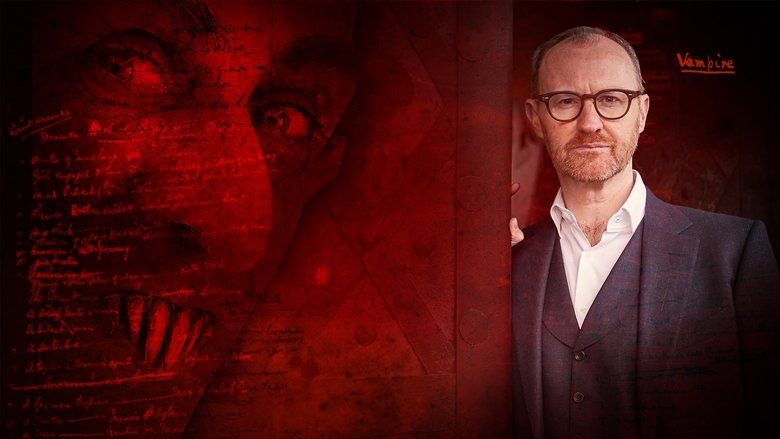
Mark Gatiss explores and celebrates Dracula, an icon of popular culture, asking just why we keep coming back to the count.

Stephen Fry embarks on a journey to discover the stories behind some of the world's most fantastic beasts that have inspired myths and legends in history, story-telling and film.
No one could spin a yarn to make a sale like Ray Lum. Twenty years after their initial meeting, Bill Ferris returned home to Mississippi in the early ‘70s with a camera. The result reveals a look back at the colorful rhythms of Ray’s life—at home, at the auction, joking with strangers outside country stores— and provides a glimpse at Southern manhood, friendship and loss. Now nearly Ray’s age when they first filmed, Ferris has become a Grammy Award winning documentarian and renowned folklorist. Using never before seen 16mm footage and new animations, OKAY, MR. RAY is a short documentary film about how even the tallest tales help us keep the memory alive of the ones we love.
For the 'Are'are people of the Solomon Islands, the most valued music is that of the four types of panpipe ensembles. With the exception of slit drums, all musical instruments are made of bamboo; therefore the general word for instruments and the music performed with them is "bamboo" ('au). This film shows the making of panpipes, from the cutting the bamboo in the forest to the making of the final bindings. The most important part of the work consists in shaping each tube to its necessary length. Most 'Are'are panpipe makers measure the length of old instruments before they shape new tubes. Master musician 'Irisipau, surprisingly, takes the measure using his body, and adjusts the final tuning by ear. For the first time we can see here how the instruments and their artificial equiheptatonic scale-seven equidistant degrees in an octave-are practically tuned.
Since ancient times, the Green Man has been one of the most mysterious and menacing of mythical characters. He also has a familiar face as Robin Hood , Jack in the Green and on numerous pub signs. Across the arts from comic strips to classical opera, the Green Man is now making a comeback. Where is he taking us? Writer Sir Kingsley Amis , film director John Boorman , composer Sir Harrison Birtwistle and other leading artists offer their interpretations of the mystery in this Omnibus documentary film from 16th November, 1990.
Lovely overview of traditional Slovak Christmas.
In Africa there is a fable that explains the creation of the tides. When a hyaena challenged a mudskipper to a drinking contest to decide who should own the shore, the god Mungu tilted the earth so the sea flowed inland, and neither could win.
This documentary takes a look at gargoyles, the stone or cement creatures that adorn the lofty tops of buildings. Thought by some to contain the trapped souls of the condemned and believed by others to ward off evil, these adornments are sources of curiosity even today.
A powerful cultural documentary about a Caribbean father and son who return to Grenada to reclaim ancestral stories. Blending folklore, myth, and underwater visuals, the film preserves Black heritage and reframes the feared Jab Jab as a symbol of resistance and identity.