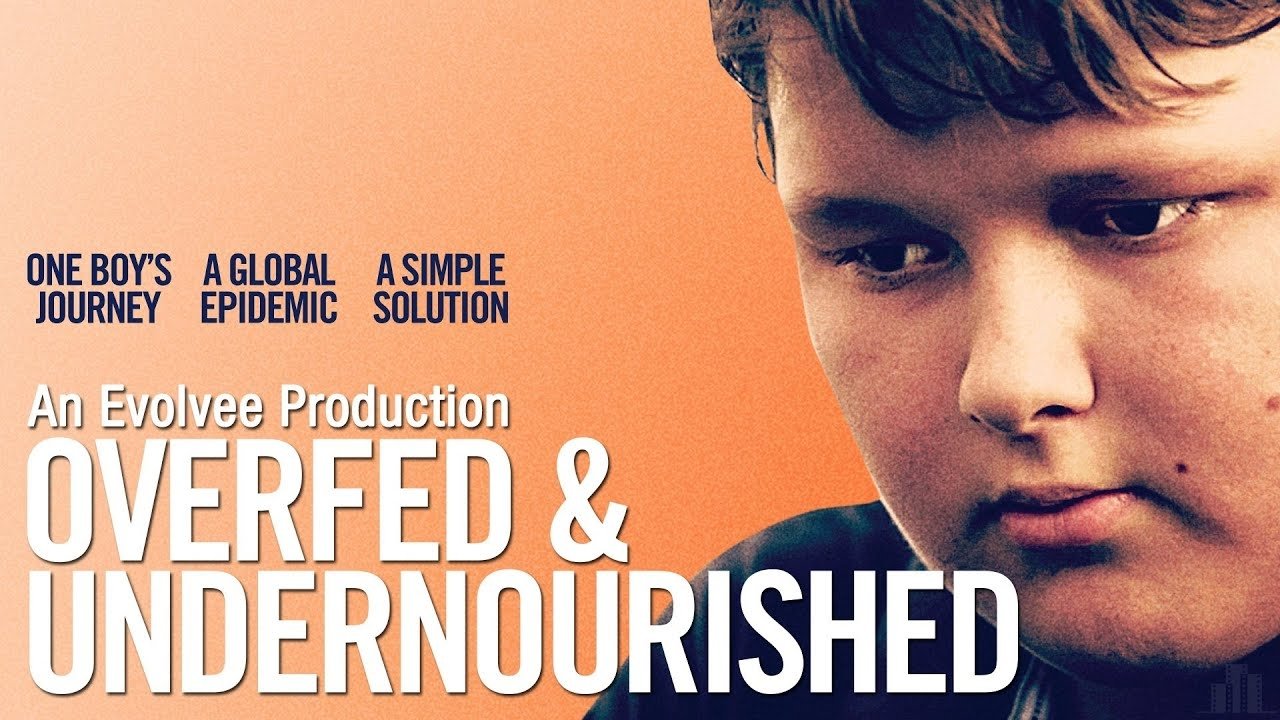
Overfed & Undernourished (2014)
Overfed and Undernourished examines a global epidemic and our modern lifestyles through one boy's inspiring and personal journey to regain his health from the inside out.
Overfed and Undernourished examines a global epidemic and our modern lifestyles through one boy's inspiring and personal journey to regain his health from the inside out.
 Joe CrossHimselfDon TolmanHimselfJohn DemartiniHimselfArne RubinsteinHimselfAnthony GolléHimself
Five million Americans suffer from Alzheimer's disease and dementia—many of them alone in nursing homes. A man with a simple idea discovers that songs embedded deep in memory can ease pain and awaken these fading minds. Joy and life are resuscitated, and our cultural fears over aging are confronted.
Fed Up blows the lid off everything we thought we knew about food and weight loss, revealing a 30-year campaign by the food industry, aided by the U.S. government, to mislead and confuse the American public, resulting in one of the largest health epidemics in history.
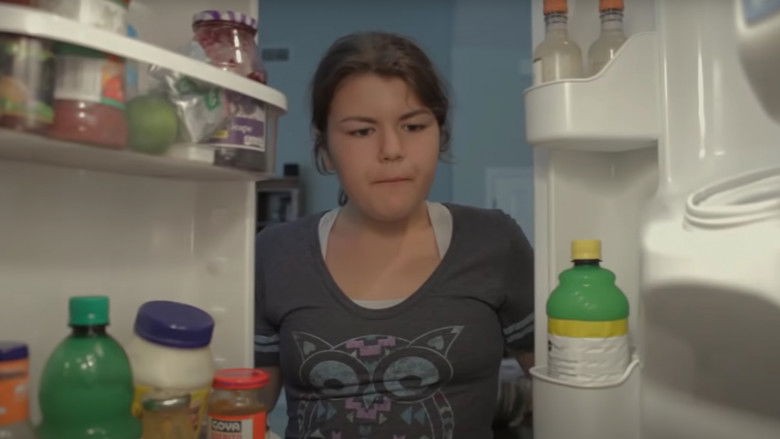
"Bite Size" follows the year long journey of four children struggling with obesity.
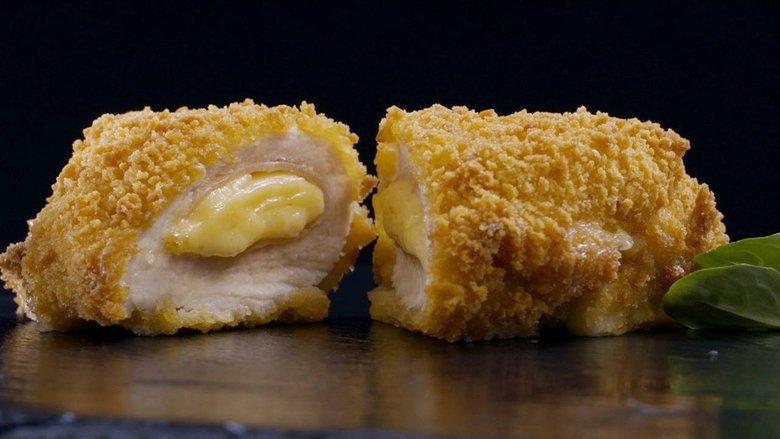
Industrial food production has provided the public with an abundance of food at very low prices. But with obesity and diabetes at record levels in Europe, there is clearly a problem with the food we eat. This documentary puts the spotlight on the agri-food industry and reveals how low-cost ultra-processed foods are really made.
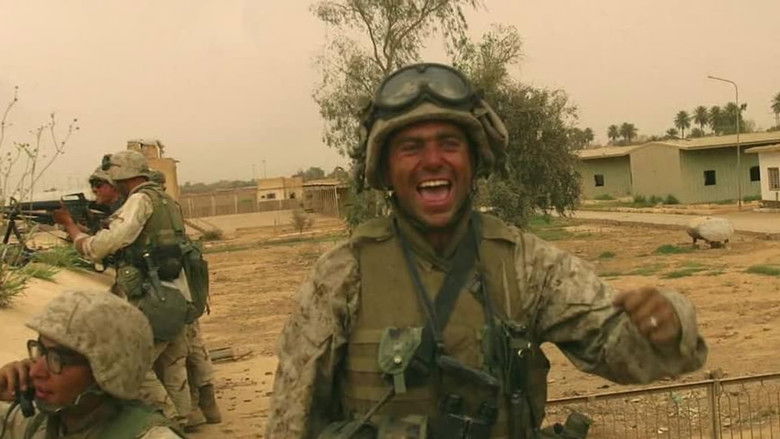
Narrated by Academy Award winners Sissy Spacek and Herbie Hancock, River of Gold is the disturbing account of a clandestine journey into Peru's Amazon rainforest to uncover the savage unraveling of pristine jungle. What will be the fate of this critical region of priceless biodiversity as these extraordinarily beautiful forests are turned into a hellish wasteland?
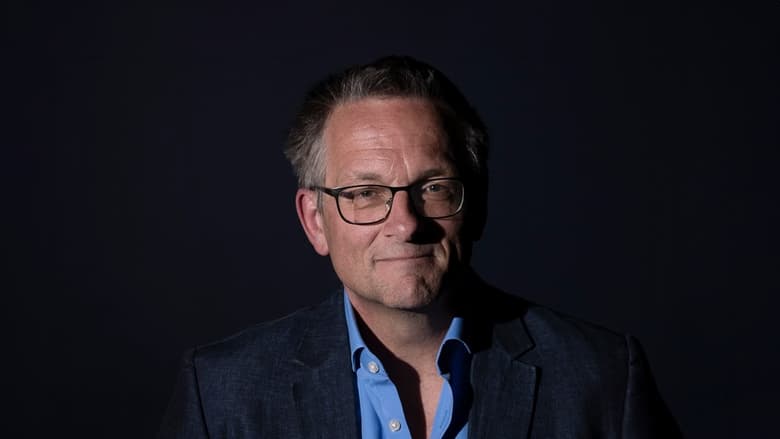
Michael Mosley transformed the lives of millions of people. In this programme, we look back at an extraordinary broadcasting career which spanned almost 40 years. Fronting series such as Trust Me I’m a Doctor and the hit podcast Just One Thing, Michael used his warm, often funny approach to deliver important, life-changing health messages. He started behind the scenes as an award-winning science journalist and producer, before becoming a much-loved presenter. His programmes have made a lasting impact on the nation’s health habits, from intermittent fasting to the benefits of a cold shower. Michael also shared his own struggles with audiences worldwide. As a chronic insomniac, he made programmes about sleep and, ever curious, he would also go to extremes in the pursuit of science, even infecting himself with a tapeworm. Celebrating Michael’s career, this programme marks the enormous impact he made, touching the lives of so many
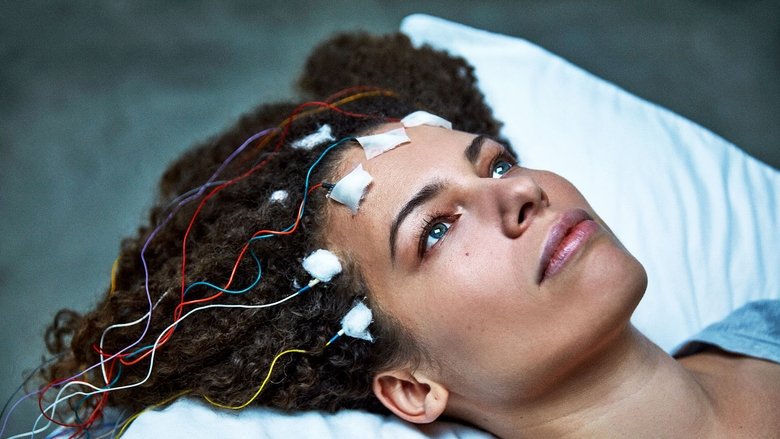
When Harvard PhD student Jennifer Brea is struck down at 28 by a fever that leaves her bedridden, doctors tell her it’s "all in her head." Determined to live, she sets out on a virtual journey to document her story—and four other families' stories—fighting a disease medicine forgot.
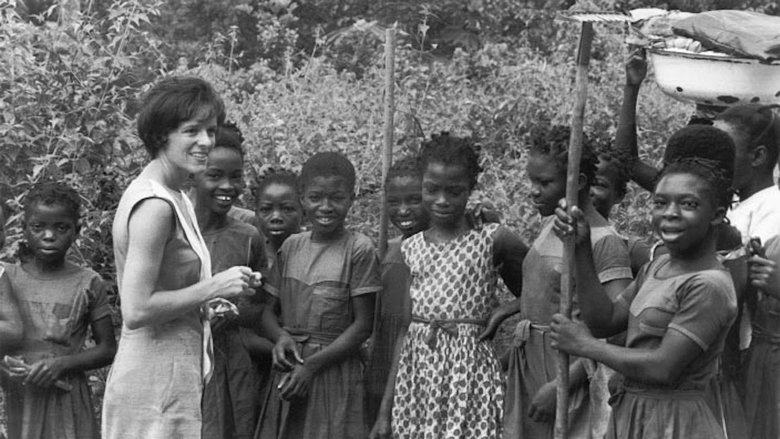
In Nigeria, a young Canadian doctor serves in a local mission hospital and learns much from the experience. Stationed abroad under the Canadian University Service Overseas Plan, Dr. Alex McMahon and his schoolteacher wife find every day a fresh challenge. An interesting study of intercultural help.
With nutritionally-depleted foods, chemical additives and our tendency to rely upon pharmaceutical drugs to treat what's wrong with our malnourished bodies, it's no wonder that modern society is getting sicker. Food Matters sets about uncovering the trillion dollar worldwide sickness industry and gives people some scientifically verifiable solutions for curing disease naturally.
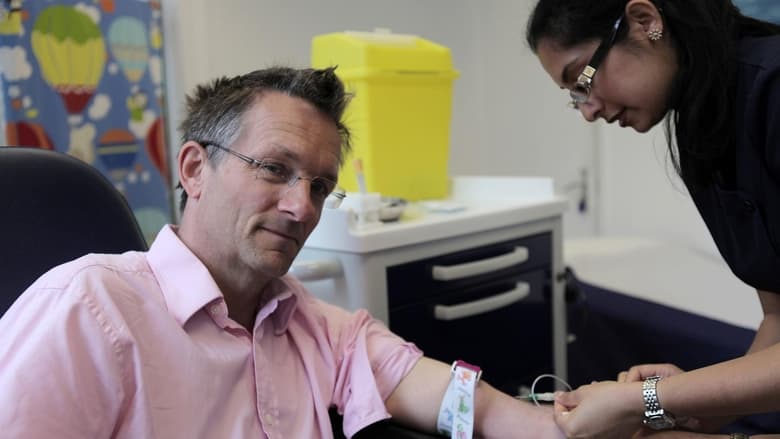
British journalist and physician Michael Mosley sets an ambitious goal: to become healthier and lose weight while making as few changes as possible to his life. In working toward these goals, Mosley discovers a powerful new science behind the old idea of fasting, a program that still allows him to enjoy his favorite foods. He takes a road trip across the U.S. to investigate how a little hunger can turn on the body’s “repair genes” and, of course, tries the new science himself. Mosley learns that a diet based on feast and famine has powerful effects on the body, reducing the risks of heart disease, diabetes and some cancers. The diet seems to pack the anti-aging clout of calorie restriction while still allowing for a taste of the good life. And it turns out to be not only good for the body; it may also be good for the brain.
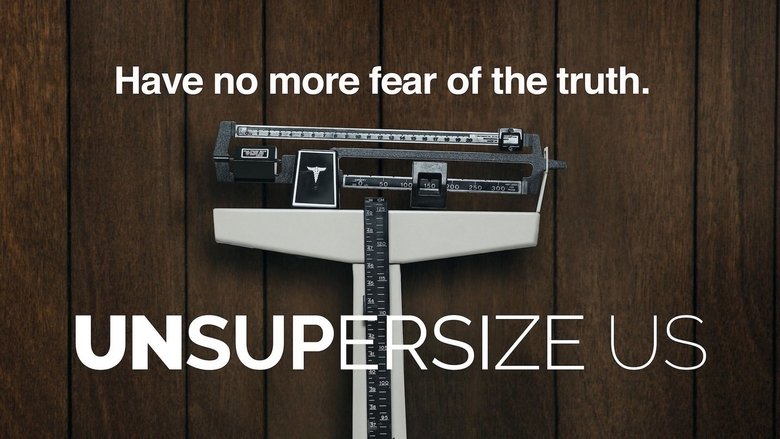
Unsupersize Us is the follow up to the award-winning film Unsupersize Me. Director Juan-Carlos Asse takes five subjects from his hometown that all suffer from common health issues and puts them on regimen of a plant based diet and exercise for six weeks. The results are impressive as the five people quickly turn their health around in the six-week period. Asse tests the 5 subjects with many exciting physical challenges throughout the film. The film showcases cooking skills, healthy shopping, eating healthy on the road, and mental fortitude. An interesting twist occurs when Asse reveals his own trials and tribulations including a seven-year federal prison sentence... leading him to true freedom.
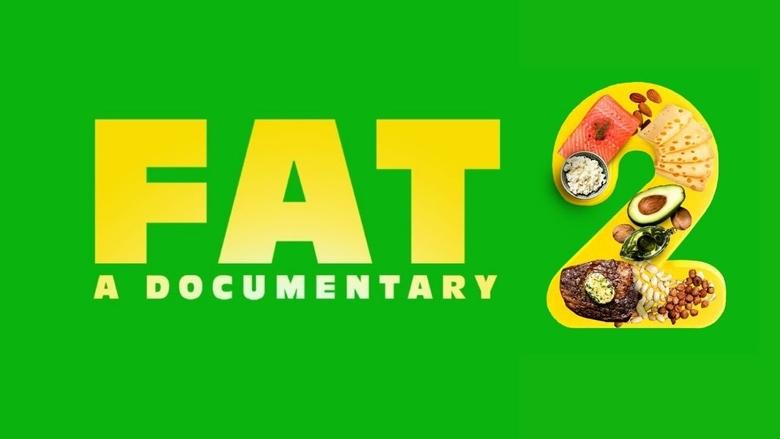
FAT: A Documentary 2 is the sequel to the international sensation that delves deeper into the lies and myths surrounding the age old question: "What should I be eating?"
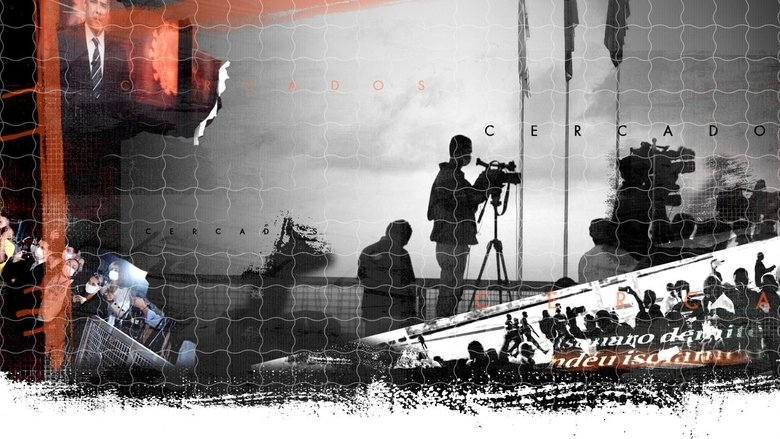
Behind the scenes of news coverage during the pandemic. Follow the work of the professional press in a fight against denialism.
While the debate continues about GMOs, Roundup and other toxic pesticides, this powerful film shares remarkable stories of people who regain their health after discovering the secret ingredients in their food and making a bold commitment to avoid them.
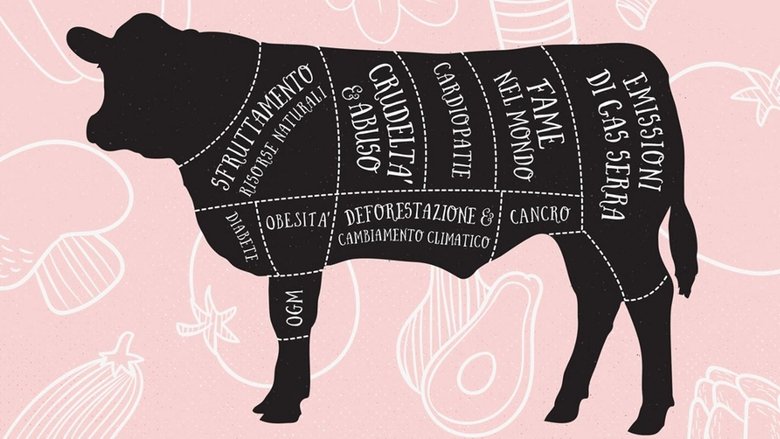
“Food Relovution: What We Eat Can Make A Difference” is an eye-opening and compelling feature documentary that examines the consequences of the meat culture as concerns grow about health, world hunger, animal welfare and the environmental cost of livestock production. It aims to show how these global issues affect everyone and are interrelated, and how making our food choices with a sense of awareness, knowing what we are buying and what we are eating is the first fundamental step towards a better world.

A documentary film that takes us on a scientific and spiritual journey where we discover that by changing one's perceptions, the human body can heal itself from any disease.
Eating, 2nd Edition: Introducing The RAVE Diet presents graphic evidence of how animal foods are not meant for human consumption, and how the suffering and death of the animals "takes revenge" on the humans who eat them by causing most of our chronic diseases, and how the switch to a all whole-food plant based diet can begin to reverse many of these diseases in as little as three weeks.

Obesity rates in the United States have reached epidemic proportions in recent years. Killer at Large shows how little is being done and more importantly, what can be done to reverse it. Killer at Large also explores the human element of the problem with portions of the film that follow a 12-year old girl who has a controversial liposuction procedure to fix her weight gain and a number of others suffering from obesity, including filmmaker Neil Labute.
Initially airing on HBO's "America Undercover" series, this riveting documentary focuses on three families shattered by the psychiatric disorder of schizophrenia. Subjects "Bob," "Missy" and "Steven" have lived for over a decade with schizophrenia. The film documents the difficult day-to-day existence of both those afflicted with this order and the families searching for answers to their loved ones' suffering. This film also shows the varied and variably successful treatment methods for each of the subjects—one is placed in a group home, one is placed in an institution, and one is cared for at home. The documentary was critically acclaimed for its compassionate treatment of mental illness.
Why are so many people wheat-intolerant or sensitive to wheat? And why is wheat linked to so many modern-day health problems, when it has been a staple of the human diet for thousands of years? In this documentary, a nutritionist interviews 14 experts, to understand how wheat has changed since it was first cultivated, how these changes could be affecting human health, and how people can break a dietary cycle that could be making them sick.