
Barluschke (1998)
The documentary relates how in the second half of the 20th century the agent Berthold Barluschke was first a henchman of the State Security Service of the GDR and then of the West German Federal Intelligence Service.
The documentary relates how in the second half of the 20th century the agent Berthold Barluschke was first a henchman of the State Security Service of the GDR and then of the West German Federal Intelligence Service.
Berthold BarluschkehimselfJoanna HaasherselfAnna Barluschkeherself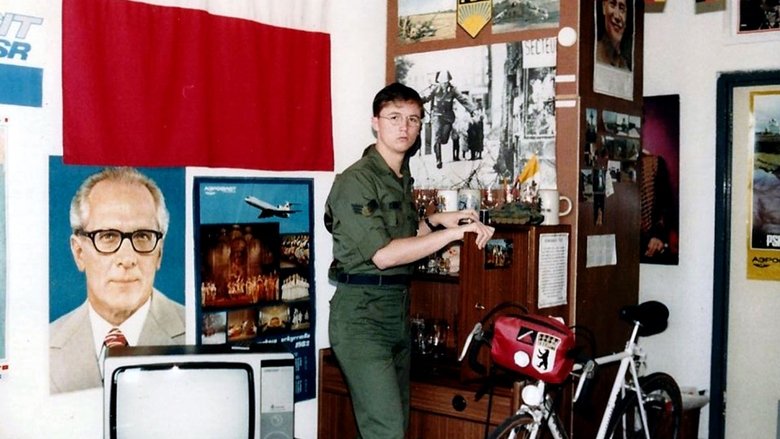
In 1983, in Berlin, an American member of the secret service puts himself at the service of the GDR. This fascinating documentary tells the story of his life as a "passer-murailles". In 1983, American soldier Jeffrey M. Carney betrayed his country and defected to the East. At the time, he was working in Berlin for the NSA (National Security Agency), which intercepts Soviet airspace communications. But his patriotism and fervor for Reagan had waned: he felt underestimated by his colleagues and had discovered his homosexuality, for which he could be expelled from the army. One night of drinking, the young man crosses the demarcation line at Checkpoint Charlie with the aim of never returning...
When Werner Herzog was still a child, his father was beaten to death before his eyes. His mother was overwhelmed with his upbringing and thereupon shipped him off to one of the toughest youth welfare institutions in Freistatt. This was followed by a career as a bouncer in the city's most notorious music club and an attempt to start a family. Today, the 77-year-old from Bielefeld lives with his dog Lucky in a lonely house in the country. Despite adverse living conditions, he has survived in his own unique and inimitable way.
Documentary about three Berlin cleaning ladies, their lives and their shattered dreams. The directors succeed in gaining deep insights into German reality, which the three women candidly reveal. Bourgeoisie, orderliness and an addiction to harmony come to the fore as well as a touching kindness and everyday wisdom.
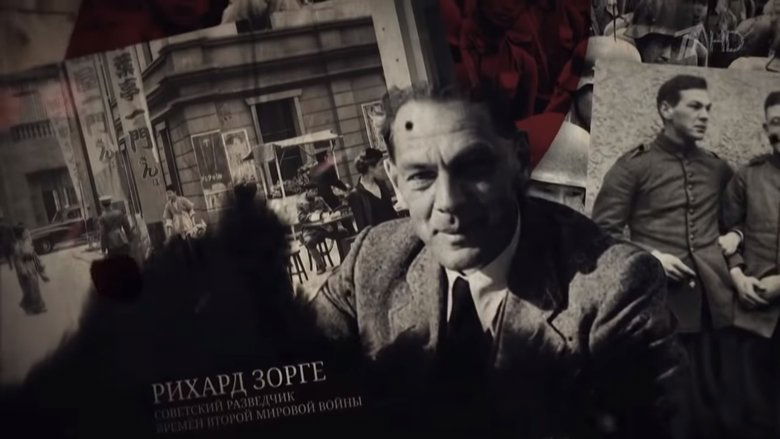
The legendary spy obtained as much secret information as no one else could. For this, he paid with his own life.
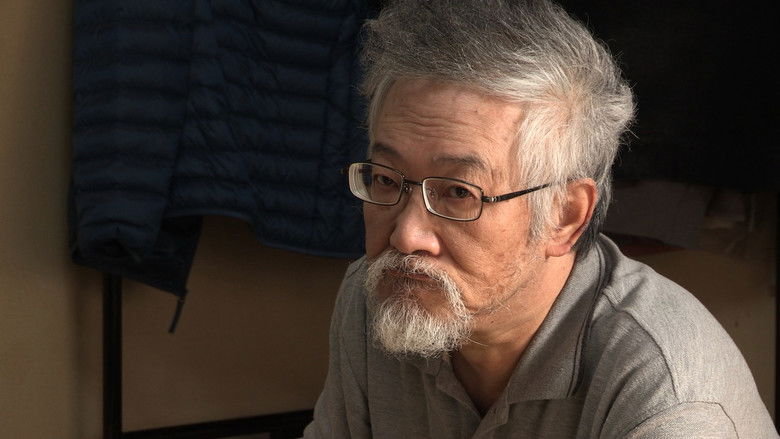
YU Wooseong who had been working as a civil servant is on trial for espionage following his sibling’s confession. A reporter who has been laid off begins following the traces of a spy story manipulated by a government agency. The clues lead to a confession and false evidence that society and the press have turned their back on.
Sylvia Kristel – Paris is a portrait of Sylvia Kristel , best known for her role in the 1970’s erotic cult classic Emmanuelle, as well as a film about the impossibility of memory in relation to biography. Between November 2000 and June 2002 Manon de Boer recorded the stories and memories of Kristel. At each recording session she asked her to speak about a city where Kristel has lived: Paris, Los Angeles, Brussels or Amsterdam; over the two years she spoke on several occasions about the same city. At first glance the collection of stories appears to make up a sort of biography, but over time it shows the impossibility of biography: the impossibility of ‘plotting’ somebody’s life as a coherent narrative.
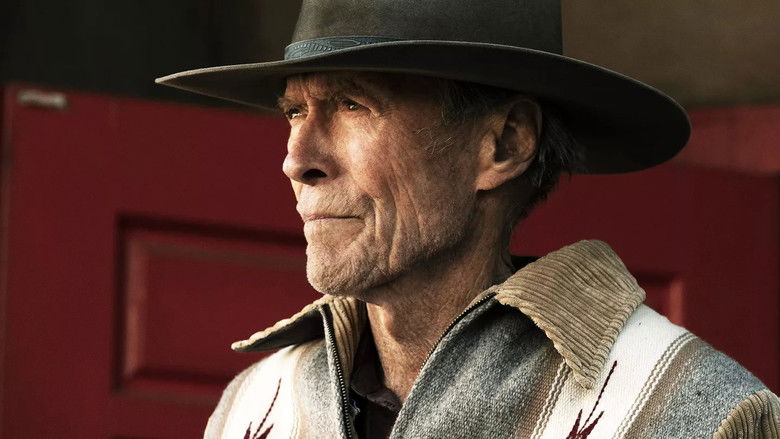
Clint Eastwood made his mark on cinema by abandoning violent action films to turn his attention, behind the camera, to more substantial productions that were praised by critics.
This film tells the story of Markus Anatol Weisse, who, astonishingly enough, became an artist, in spite of being only very partially sighted. Markus also builds strange machine-like beings and wishes that he himself were a biological robot, or cyborg.
A video letter to Nancy Holt, made in homage to a shared interest in terminal lakes, framed views, monuments and time. Filmed on and around the Great Salt Lake, Mono Lake and Meteor Crater.
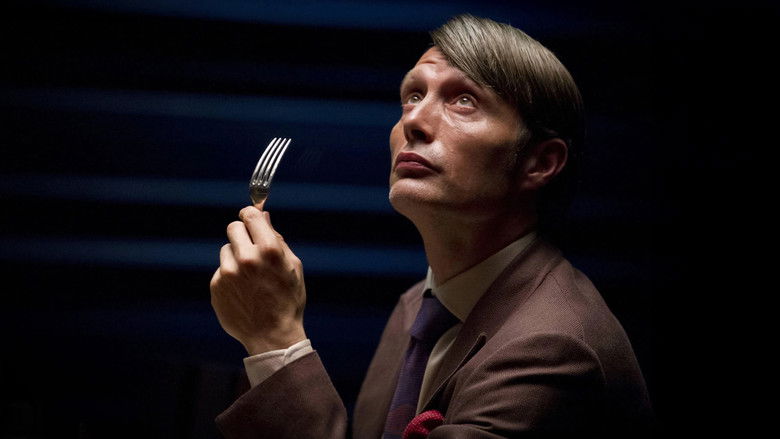
Impassivity and silence are Mads Mikkelsen's trademarks, and roles without reply his specialty. His sculptural allure is such that his mere presence takes on a dramatic dimension. For him, everything starts with the body. It's his main working tool, which he shapes and engages for each film. For the majority of world audiences, the Danish actor remains associated with his "villain" characters in Hollywood blockbusters - Casino Royale, Doctor Strange, Hannibal, Fantastic Beasts... Yet he finds with uncommon ease a balance between major American film franchises and more modest, confidential independent films. If the actor manages to move from one universe to another without being stereotyped, it's because he has a very physical - thanks to his former career as a gymnast - and pragmatic approach to his art.
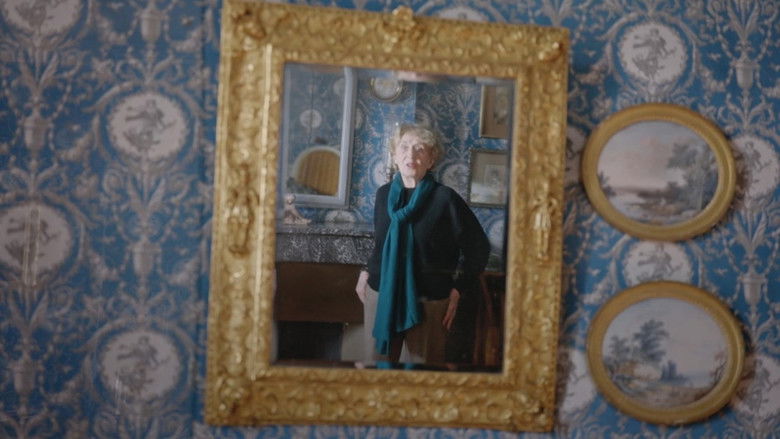
In her often pioneering work, historian Michelle Perrot has continually questioned the fate of those on the margins of our society, giving them a voice to break the silence of history. In her Histoire de chambres (History of Bedrooms), published in 2009, Michelle Perrot speaks in the first person for the first time. She explores the social and intimate role of bedrooms throughout history. Inspired by these reflections, Teri Wehn Damisch paints a "bedroom" portrait of the historian: we enter with Michelle Perrot into the bedrooms of the house in Nohant, where the rebel George Sand, her first heroine, lived. The defining events of her childhood, the awakening of her political consciousness, her daring research, her decisive encounters, her view of feminism: Michelle Perrot immerses us in the episodes that shaped her life as a free woman and placed her among the most influential intellectual figures of our time.
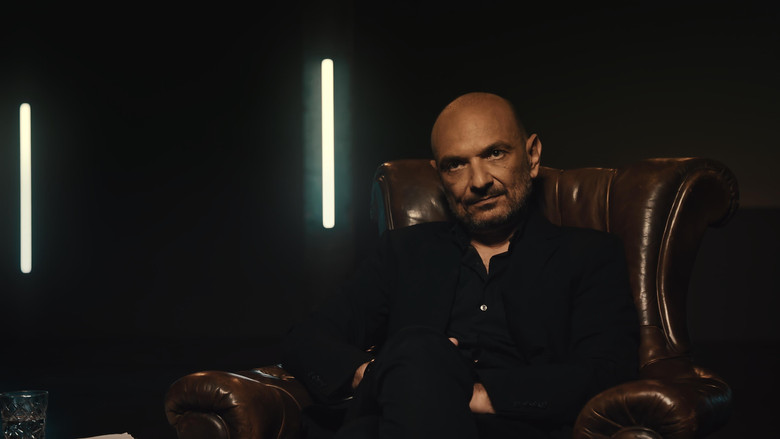
This short documentary is the portrait of an 88-year-old woman who lives alone in a log cabin without running water or electricity in the Williams Lake area of British Columbia. The daughter of a Shuswap chief, Augusta lost her Indian status as the result of a marriage to a white man. She recalls past times, but lives very much in the present. Self-sufficient, dedicated to her people, she spreads warmth wherever she moves, with her songs and her harmonica.
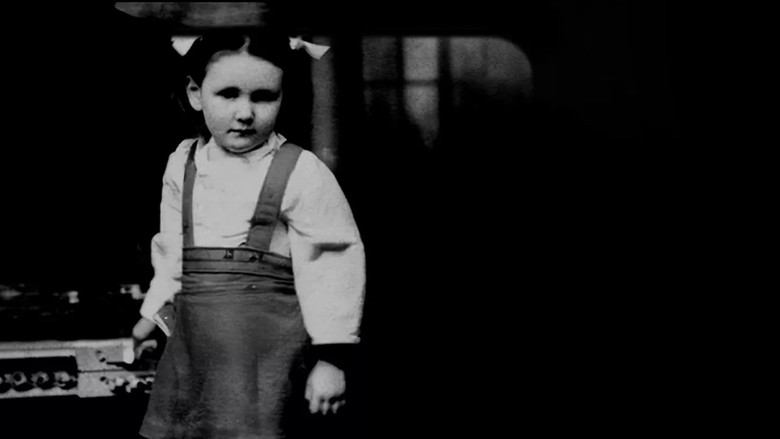
A woman who has become part of literary heritage, the only French writer to be awarded the Nobel Prize in 2022, she has made her life the basis for her work since the publication of her first novel in 1974... What can be said that her books haven't already said? On the occasion of her grand return to her hometown in Normandy, as she explores the places of her early childhood, this icon of several generations looks back on her youth and what made her the committed woman and writer she has become. Through a geographical and narrative journey covering her first 25 years, which resonated throughout the following 60 years, the film—the only one she has agreed to participate in since winning the Nobel Prize—offers a "different" portrait of Annie Ernaux, interweaving her personal memories, her writings, and the history of the 20th century.
An experimental project made up of 10 minute silent portraits with 60+ participants.
Mike Tyson escaped a life of poverty and petty crime to make a name for himself, becoming the youngest Heavyweight Champion of the World and a household name—but his rise was followed by a very public fall. In this remarkably candid portrait, the boxer addresses his controversial past, including the rape charge that sent him to prison and his struggles with substance abuse, while also detailing his ultimate recovery and comeback.
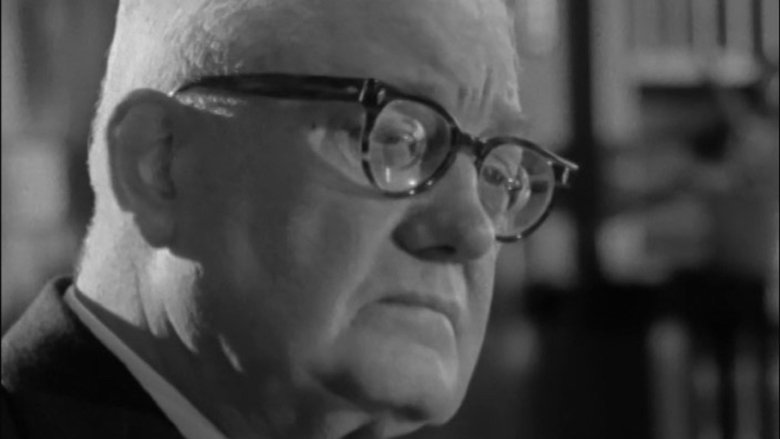
This feature documentary is a profile of Canadian press tycoon Roy Thomson, whose single-minded attention to business brought him riches, power, and even a baronetcy in England. A native of Timmins, Ontario, Thomson had a tremendous career as publisher, television magnate, financier, and owner of many newspapers, including leading London dailies. The film is a frank study of an equally frank man.
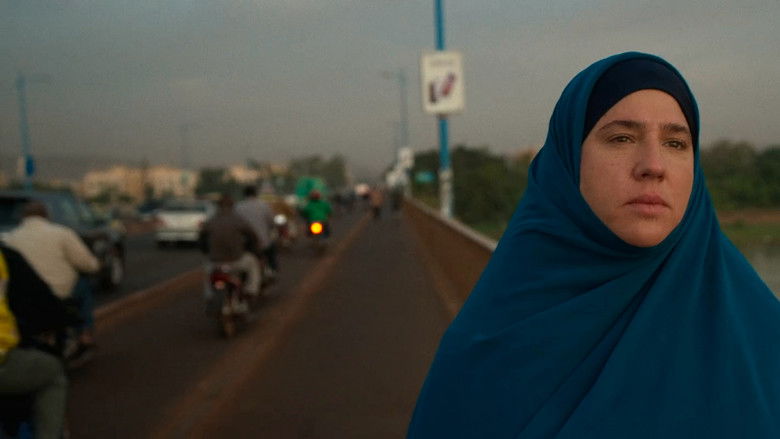
In the French music world, the beginning of the 2000s was marked by the arrival of a young rapper, Diam's. Over the course of three albums, she has become a phenomenon in France, as well as in many countries around the world. Diam's has won some of the most prestigious awards in French music, graced the covers of countless magazines, and sold millions of records. However, in 2010, at the height of her fame, Diam's made a life choice that shocked the French: she converted to Islam. How did a tortured and suicidal artist find her way to peace? For the first time Diam's, known to her family as Mélanie, tells us the real story.
When the lights dim and the stage is revealed, Meschke channels life through the strings of his puppets, triggering the spiritual connection between the creator and his alter-egos: the charismatic Don Quixote, the loving Penelope, the inquisitive Baptiste, or the mysterious Antigone. THE MAN WHO MADE ANGELS FLY is a poetic story about a master of his craft that has inspired audiences to reflect upon common issues of suffering and the mortal coil. Visionary and un-biographic, imaginary tribute to the puppeteer.