
The 10 Minute Project (2017)
An experimental project made up of 10 minute silent portraits with 60+ participants.
An experimental project made up of 10 minute silent portraits with 60+ participants.
Jon NixSelfJamie OverstreetSelfB.J. ColangeloSelfR. Zachary ShildwachterSelfWes AllenSelfLillian BucklinSelfJosh MillerSelf Haley MadisonSelf
The Lacosse family goes on a roadtrip to Rockglen, SK.
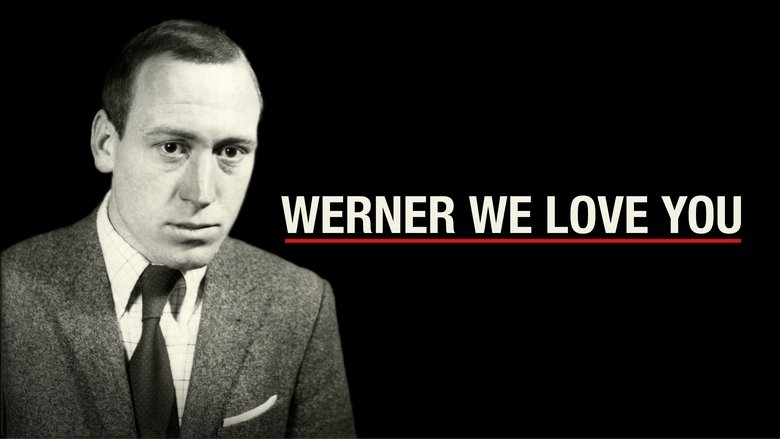
When Werner Herzog was still a child, his father was beaten to death before his eyes. His mother was overwhelmed with his upbringing and thereupon shipped him off to one of the toughest youth welfare institutions in Freistatt. This was followed by a career as a bouncer in the city's most notorious music club and an attempt to start a family. Today, the 77-year-old from Bielefeld lives with his dog Lucky in a lonely house in the country. Despite adverse living conditions, he has survived in his own unique and inimitable way.
A video letter to Nancy Holt, made in homage to a shared interest in terminal lakes, framed views, monuments and time. Filmed on and around the Great Salt Lake, Mono Lake and Meteor Crater.
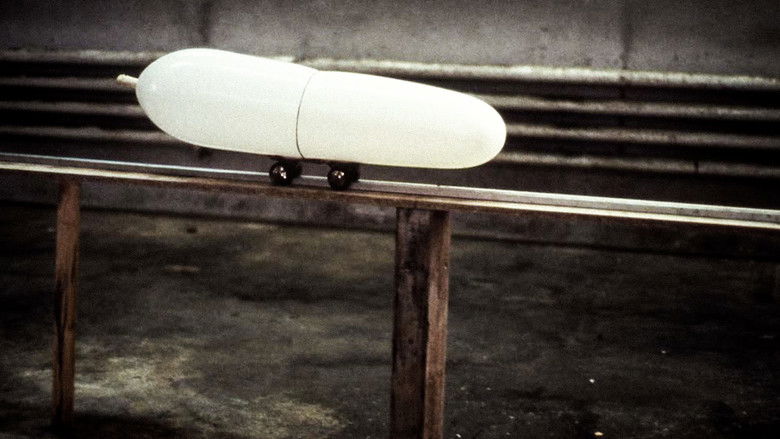
Artists Peter Fischli and David Weiss create the ultimate Rube Goldberg machine. The pair used found objects to construct a complex, interdependent contraption in an empty warehouse. When set in motion, a domino-like chain reaction ripples through the complex of imaginative devices. Fire, water, the laws of gravity, and chemistry determine the life-cycle of the objects. The process reveals a story concerning cause and effect, mechanism and art, and improbability and precision, in an extended science project that will mesmerize the mind.
The documentary relates how in the second half of the 20th century the agent Berthold Barluschke was first a henchman of the State Security Service of the GDR and then of the West German Federal Intelligence Service.
This film tells the story of Markus Anatol Weisse, who, astonishingly enough, became an artist, in spite of being only very partially sighted. Markus also builds strange machine-like beings and wishes that he himself were a biological robot, or cyborg.

Morgan Spurlock subjects himself to a diet based only on McDonald's fast food three times a day for thirty days without exercising to try to prove why so many Americans are fat or obese. He submits himself to a complete check-up by three doctors, comparing his weight along the way, resulting in a scary conclusion.
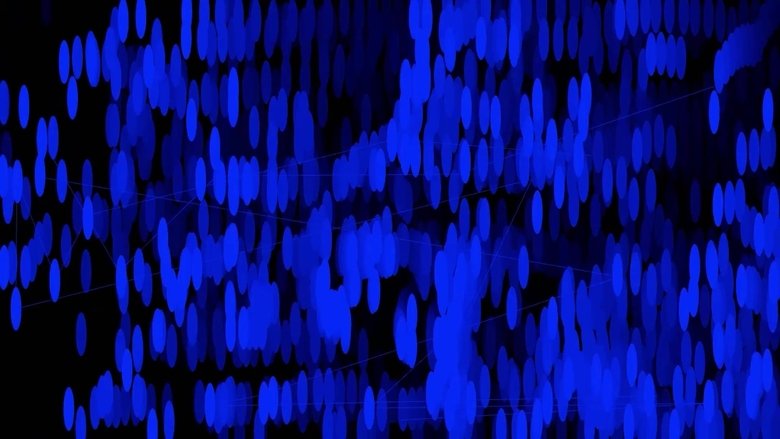
Inside a computer a space-time is revealed in which image and sound become numbers and motion manifests as rhythm, flow and chaos. This tracking and integration experiment removes the superficial identity of video to detect kinetic disturbances in everyday environment.
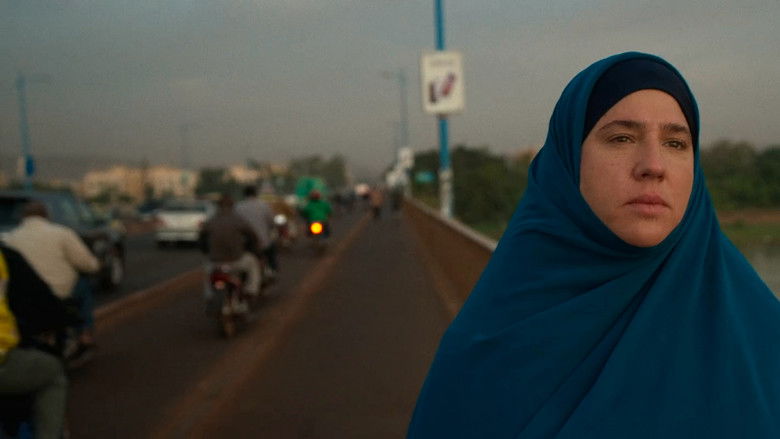
In the French music world, the beginning of the 2000s was marked by the arrival of a young rapper, Diam's. Over the course of three albums, she has become a phenomenon in France, as well as in many countries around the world. Diam's has won some of the most prestigious awards in French music, graced the covers of countless magazines, and sold millions of records. However, in 2010, at the height of her fame, Diam's made a life choice that shocked the French: she converted to Islam. How did a tortured and suicidal artist find her way to peace? For the first time Diam's, known to her family as Mélanie, tells us the real story.
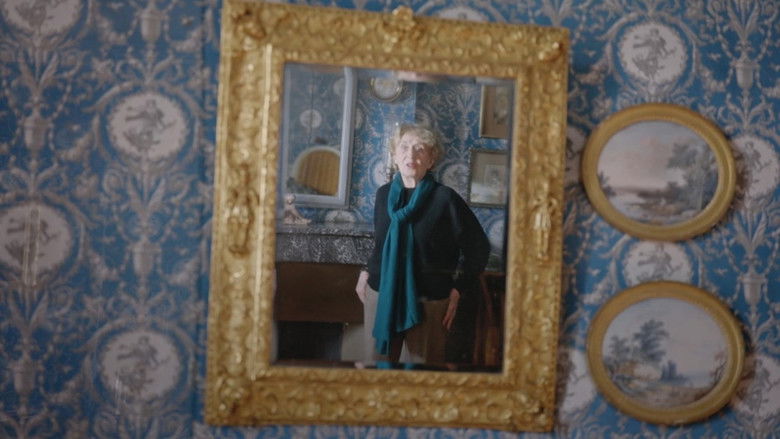
In her often pioneering work, historian Michelle Perrot has continually questioned the fate of those on the margins of our society, giving them a voice to break the silence of history. In her Histoire de chambres (History of Bedrooms), published in 2009, Michelle Perrot speaks in the first person for the first time. She explores the social and intimate role of bedrooms throughout history. Inspired by these reflections, Teri Wehn Damisch paints a "bedroom" portrait of the historian: we enter with Michelle Perrot into the bedrooms of the house in Nohant, where the rebel George Sand, her first heroine, lived. The defining events of her childhood, the awakening of her political consciousness, her daring research, her decisive encounters, her view of feminism: Michelle Perrot immerses us in the episodes that shaped her life as a free woman and placed her among the most influential intellectual figures of our time.
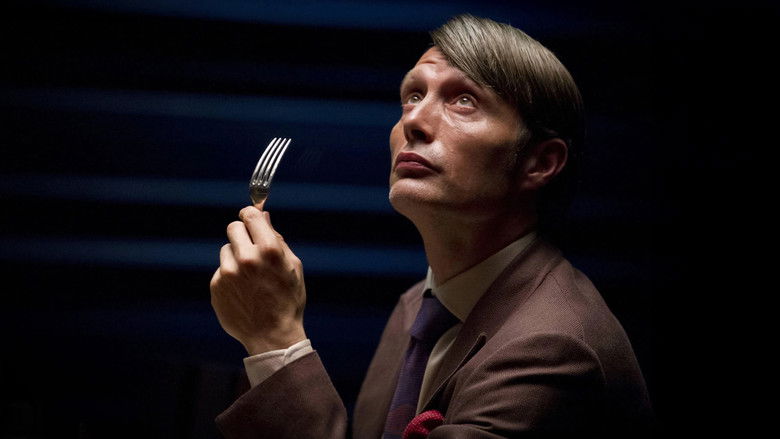
Impassivity and silence are Mads Mikkelsen's trademarks, and roles without reply his specialty. His sculptural allure is such that his mere presence takes on a dramatic dimension. For him, everything starts with the body. It's his main working tool, which he shapes and engages for each film. For the majority of world audiences, the Danish actor remains associated with his "villain" characters in Hollywood blockbusters - Casino Royale, Doctor Strange, Hannibal, Fantastic Beasts... Yet he finds with uncommon ease a balance between major American film franchises and more modest, confidential independent films. If the actor manages to move from one universe to another without being stereotyped, it's because he has a very physical - thanks to his former career as a gymnast - and pragmatic approach to his art.
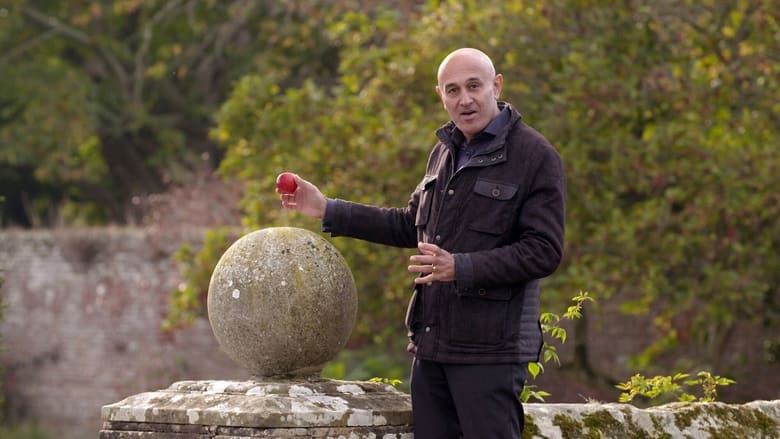
Professor Jim Al-Khalili investigates the amazing science of gravity. As well sculpting our universe, gravity also affects our weight, height and even the rate at which we age.
The Stanford prison experiment was a landmark psychological study of the human response to captivity, in particular, to the real world circumstances of prison life, and the effects of imposed social roles on behaviour. It was conducted in 1971 by a team of researchers led by Philip Zimbardo of Stanford University.
Stop for Bud is Jørgen Leth's first film and the first in his long collaboration with Ole John. […] they wanted to "blow up cinematic conventions and invent cinematic language from scratch". The jazz pianist Bud Powell moves around Copenhagen -- through King's Garden, along the quay at Kalkbrænderihavnen, across a waste dump. […] Bud is alone, accompanied only by his music. […] Image and sound are two different things -- that's Leth's and John's principle. Dexter Gordon, the narrator, tells stories about Powell's famous left hand. In an obituary for Powell, dated 3 August 1966, Leth wrote: "He quite willingly, or better still, unresistingly, mechanically, let himself be directed. The film attempts to depict his strange duality about his surroundings. His touch on the keys was like he was burning his fingers -- that's what it looked like, and that's how it sounded. But outside his playing, and often right in the middle of it, too, he was simply gone, not there."
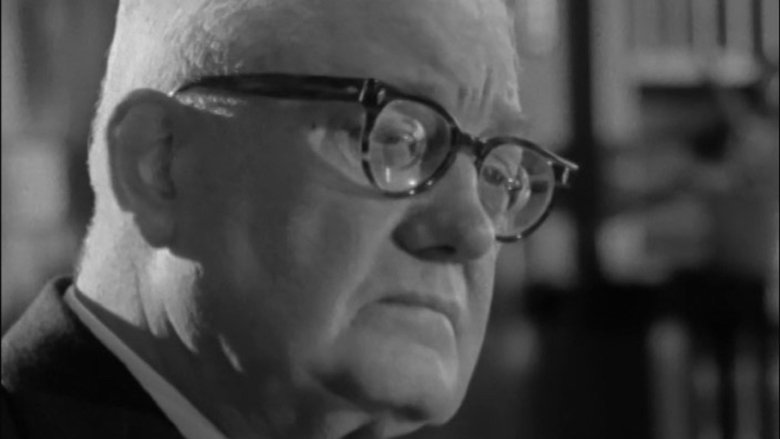
This feature documentary is a profile of Canadian press tycoon Roy Thomson, whose single-minded attention to business brought him riches, power, and even a baronetcy in England. A native of Timmins, Ontario, Thomson had a tremendous career as publisher, television magnate, financier, and owner of many newspapers, including leading London dailies. The film is a frank study of an equally frank man.
AquaBurn is an award-winning documentary film by director Bill Breithaupt showcasing "The Floating World" theme of the 2002 Burning Man Festival. AquaBurn features many of the incredible Burning Man art installations, the imagination and originality that went into their creation, and the artists who conceived them. Unlike conventional documentaries on the Burning Man Festival, AquaBurn captures the true feeling and excitement of the event itself, transporting the viewer to a hot, dusty wonderland without ever leaving home.
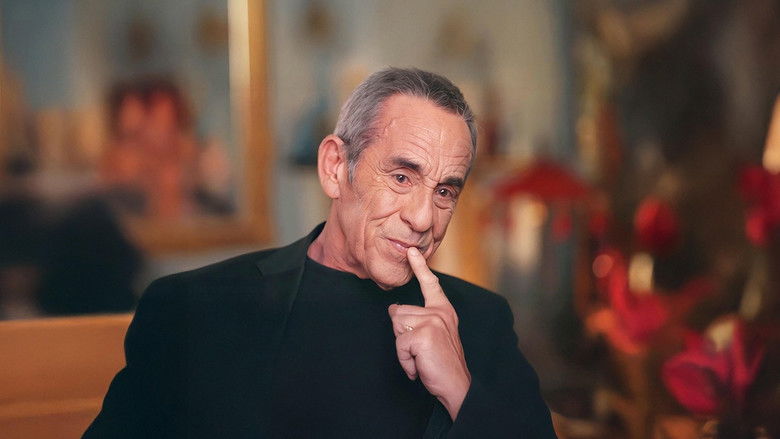
You've seen him interview Mikhail Gorbachev, Angelina Jolie, Robbie Williams, Mariah Carey, Brad Pitt, Jane Fonda, Robert De Niro... You know him, but you don't really know him. Everyone has talked about Ardisson without ever getting close to the truth about him. My ambition: to reveal the man behind the costume of "The Man in Black." I thought to myself: if anyone can figure him out, it's me, a journalist and portraitist who has lived with him for 15 years. Who is the private Thierry behind the spectacular Ardisson? What we discover is how much Ardisson's personal history reflects the eras he has lived through, their contradictions, their utopias, their excesses, their violence. Like so many facets of a man and of society at the turn of the century.
A film featuring architect, sculptor, and musician Nobuo Kubota in a sound-sculpture performance. From within a cage-like structure filled with traditional musical instruments and sound-making devices fashioned from ordinary objects and toys, Kubota creates an aural/visual montage of musical notes and noises. Praised by music educators as a valuable tool for teaching creativity in sound exploration and musical innovation, the film reveals the infinite percussion possibilities of simple objects and presents a portrait of a versatile performer whose imagination has led him far beyond the confines of conventional music. Directed by Jonny Silver - 1982 | 20 min