
Rhythm (1934)
A comfortable rhythm composed of light and shadow. Director Ogino-style absolute movie which freely manipulates geometric figures.
A comfortable rhythm composed of light and shadow. Director Ogino-style absolute movie which freely manipulates geometric figures.
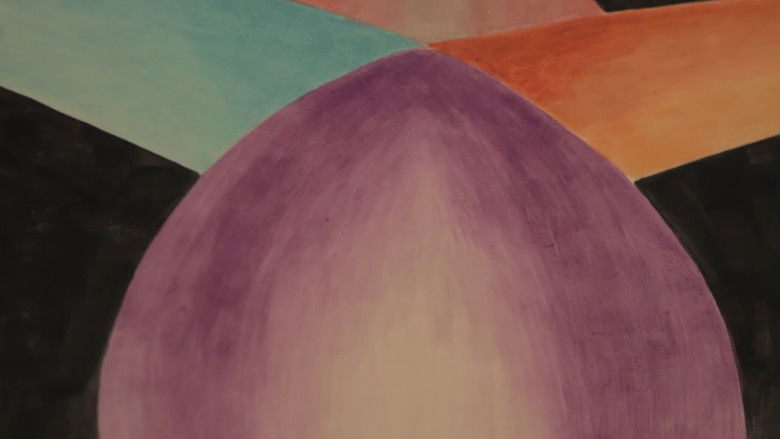
A film unmade-- That is, Survage's film was never realized in the traditional sense-- At the time, such a project was beyond technological possibility. His pioneering efforts to combine luminous, expressive painting and the moving picture were further curtailed by the outbreak of WWI. Some have taken it upon themselves to 'animate' his watercolor plates in attempts to set his dream into motion.
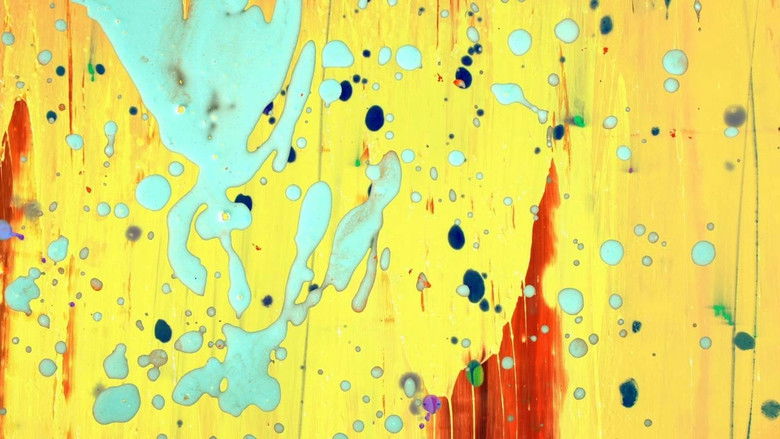
Cosmos of paint unleash a storm of color.
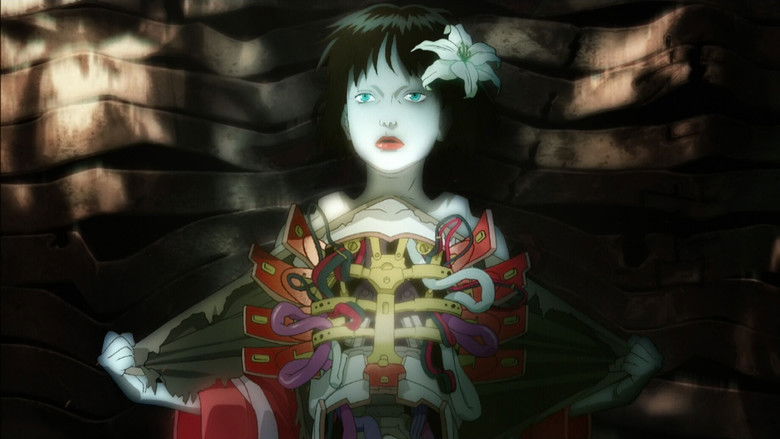
Cyborg detective Batou is assigned to investigate a series of murders committed by gynoids—doll-like cyborgs, which all malfunctioned, killed, then self-destructed afterwards. The brains of the gynoids initialize in order to protect their manufacturer's software, but in one gynoid, which Batou himself neutralized, one file remains: a voice speaking the phrase "Help me."
A cat trying to nap.
The motif in this animation is the memories of my dog which lived 17 years.
Toby and his human are enjoying a peaceful afternoon, but a fleeting flash of light outside the window breaks the harmony. Something has changed.
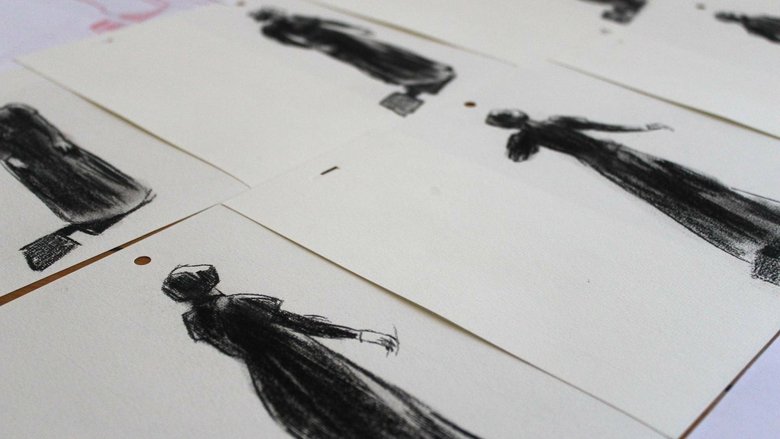
A journey to the origins of cinema, starting with its forgotten fathers: the pioneers who achieved moving images before 1895, the official year of the Lumière cinematograph. Through five studies by Frédéric Chopin, 'Impromptu' is also a tribute to the end of the 19th century, to its immortal muses, and to the fascination with movement itself.
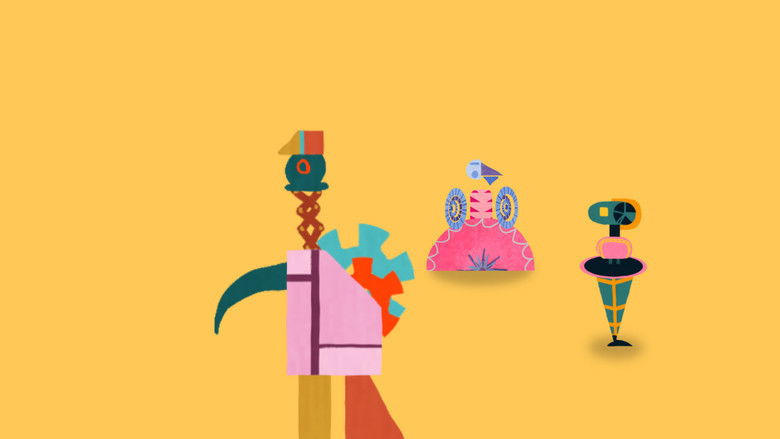
A synthesis of sound and movement; colourful characters dance and move in repetitive patterns to percussive and melodic elements. A combination of motion and music that is hypnotic and beautiful. At first it feels structured and orderly but as more elements are added becomes quixotically expressive.
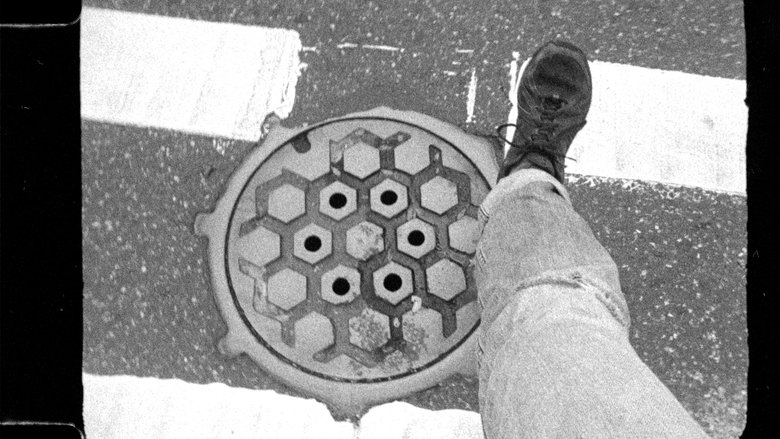
Shot on 16mm film in New York and composed in Berlin, the work explores polarizing themes of the metropolis. Audibly and visually, the viewer is put in a flicker between serenity and intensity; harrowing ambience cut with sharp beeps, vulnerable steps mashed in high velocity.
Direct animation on 35mm.
X-ray images were invented in 1895, the same year in which the Lumière brothers presented their respective invention in what today is considered to be the first cinema screening. Thus, both cinema and radiography fall within the scopic regime inaugurated by modernity. The use of X-rays on two sculptures from the Bilbao Fine Arts Museum generates images that reveal certain elements of them that would otherwise be invisible to our eyes. These images, despite being generally created for technical or scientific purposes, seem to produce a certain form of 'photogénie': they lend the radiographed objects a new appearance that lies somewhere between the material and the ethereal, endowing them with a vaporous and spectral quality. It is not by chance that physics and phantasmagoria share the term 'spectrum' in their vocabulary.
A mathematical play on one repeated movement. It imparts a sense of possibilities: that something simple can produce complex and unexpected patterns. As with an atom, the variety of possibilities from a base movement is potentially infinite.
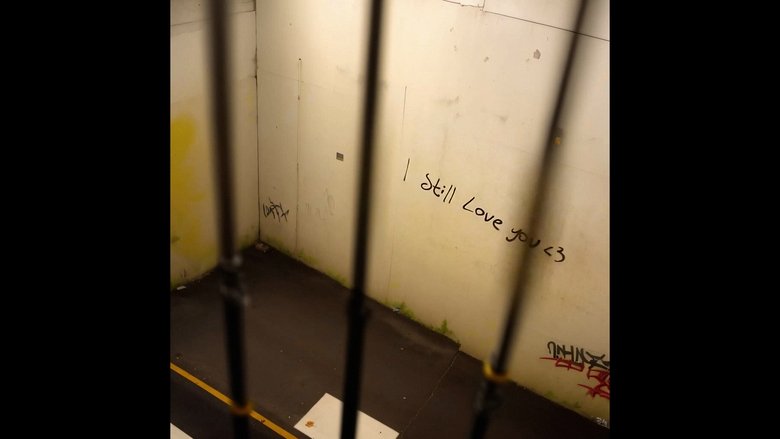
In an indeterminate future, forbidden memories challenge a database containing all human memories. An experimental cinematic search between past and future, fiction and fact, Prishtina and Tirana. The future, a glitch.
High Voltage is constructed from footage James Whitney contributed to Belson for use in one of his Vortex concerts.
Utilizing super 8mm and an economical shooting method of quick, short shots building idiosyncratic rhythms via rapid editing techniques, time, nature, and even the body folds in on itself. Everybody Dies (2020) is a poetic journey into the desert. It’s a reflection on the nature of death as something not to be feared, but embraced as a part of a personal and universal human experience. Super 8mm.
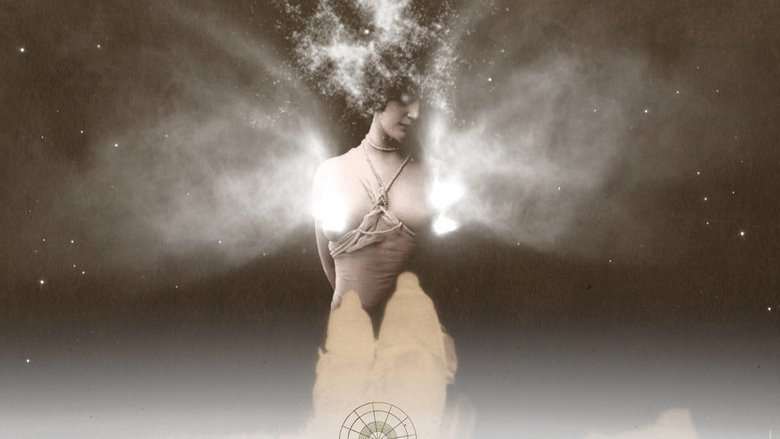
The second essay about still dominant dark aspects of our modern society. It is conceived as a surreal anti-patriarchal thought experiment and raises important questions about gender, power, and social change, prompting us to reflect on how historical patterns of discrimination and oppression might be either repeated or overcome in a reversed gendered world. It challenges the viewer to confront their own assumptions and biases, and to consider the possibilities of a more equitable society.
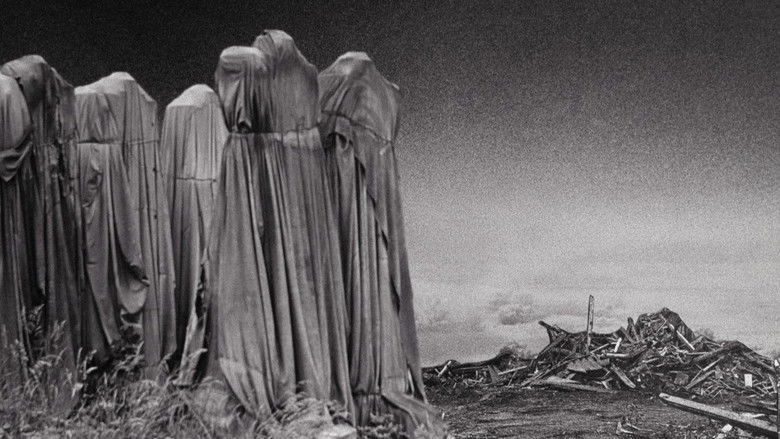
The film creates a vision of the destruction of the world and warns against its realization.
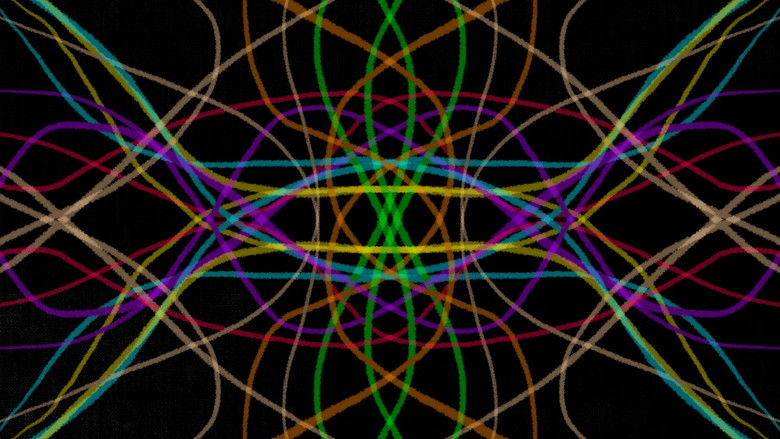
A lost traveler encounters a talking clown puppet that won’t stop looking at a mysterious orange light.
A man goes on a walk.