
Reflexiones de un salvaje (1978)
Argentine filmmaker Gerardo Vallejo, exiled in Spain, visits the Salamanca village of Cespedosa de Tormes, where his grandfather was born, and reconstructs the memories of his time with the locals.
Argentine filmmaker Gerardo Vallejo, exiled in Spain, visits the Salamanca village of Cespedosa de Tormes, where his grandfather was born, and reconstructs the memories of his time with the locals.
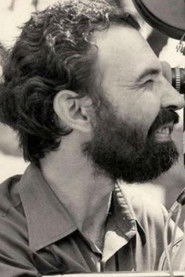 Gerardo VallejoElena Gil MateosAngel Tío Sánchez
The meaty saga of Burger Baron, a rogue fast-food chain with mysterious origins and a cult following, run by a loose network of fiercely independent Arab Canadian immigrants.
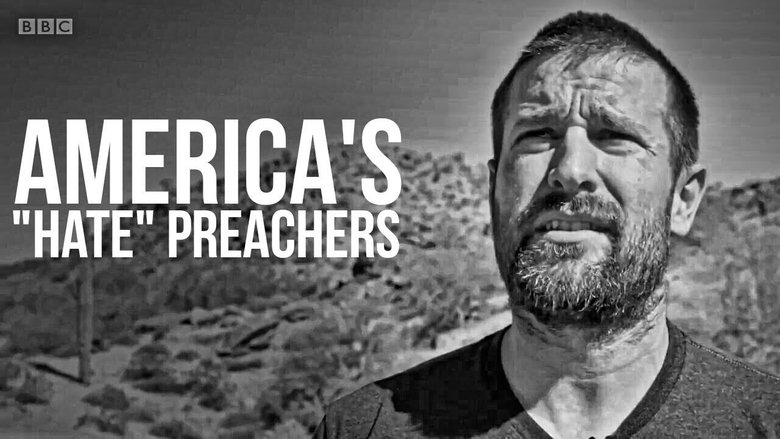
Director Hannah Livingston spends 6 months tracking two of America's most radical Christian hate groups - a notorious pastor from Arizona and a network of extremist preachers.
The documentary tells the story of Uschi, a farmer living free and recluded in the bavarian alps. Shot in epic black and white pictures, Still follows Uschi's life over a ten year period. From an untroubled summer of making cheese through pregnancy and the uncertain future of the parental farm, Matti Bauer portrays Uschi's struggle to keep alive the dream of a way of life that has become rather untypical in this day and age.

Takes us to locations all around the US and shows us the heavy toll that modern technology is having on humans and the earth. The visual tone poem contains neither dialogue nor a vocalized narration: its tone is set by the juxtaposition of images and the exceptional music by Philip Glass.
A group of educators led by Fernand Deligny are working to create contact with autistic children in a hamlet of the Cevennes.
Edeltraut Hertel - a midwife caught between two worlds. She has been working as a midwife in a small village near Chemnitz for almost 20 years, supporting expectant mothers before, during and after the birth of their offspring. However, working as a midwife brings with it social problems such as a decline in birth rates and migration from the provinces. Competition for babies between birthing centers has become fierce, particularly in financial terms. Obstetrics in Tanzania, Africa, Edeltraud's second place of work, is completely different. Here, the midwife not only delivers babies, she also trains successors, carries out educational and development work and struggles with the country's cultural and social problems.
A partnership between the Government of Mali and an American agricultural investor may see 200-square kilometers of Malian land transformed into a large-scale sugar cane plantation. Land Rush documents the hopes, fears, wishes, and demands of small-scale subsistence farmers in the region who look to benefit, or lose out, from the deal.
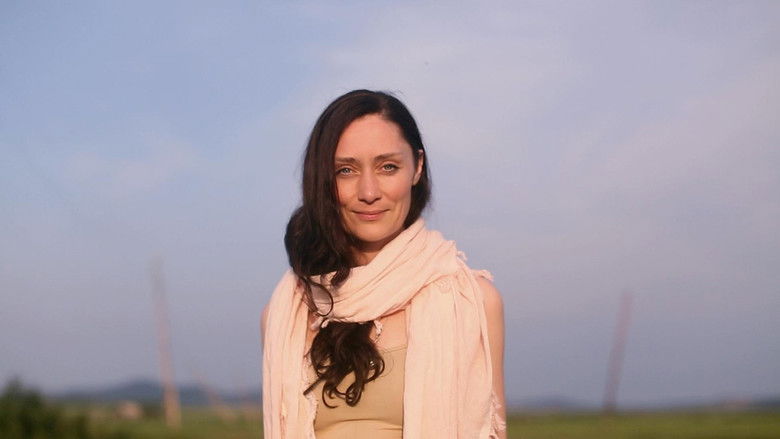
After 20 years of living in Berlin, the director Olga Delane goes back to her roots in a small Siberian village, where she is confronted with traditional views of relationships, life and love. The man is the master in the home; the woman’s task is to beget children and take care of the household (and everything else, too). Siberian Love provides unrivaled insights into the (love) life of a Siberian village and seeks the truth around the universal value of traditional relationships.
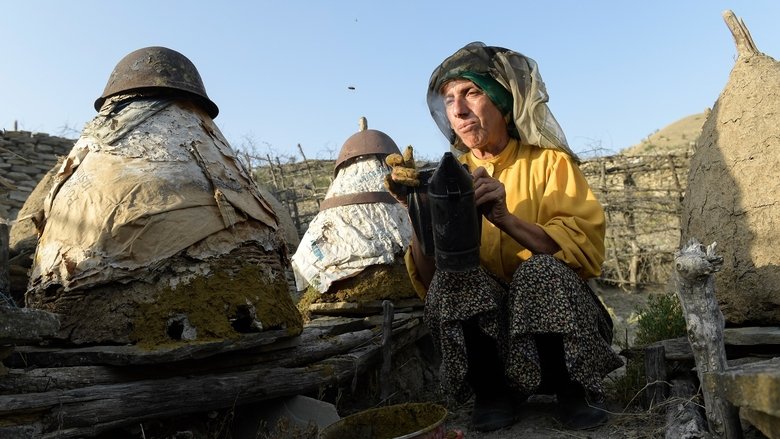
When nomadic beekeepers break Honeyland’s basic rule (take half of the honey, but leave half to the bees), the last female beehunter in Europe must save the bees and restore natural balance.
The film is not constructed as a lineal story, instead, each scene works as a painter’s brush freely tracing a distinctive shape; the lifestyle of the Raramuri people, the particular way in which they relate within the family, the community and their surrounding nature. Nararachi’s warm, intimate and profoundly human insight of the indigenous lifestyle and culture is so powerful that it enables the viewer to expand her horizon.

When Werner Herzog was still a child, his father was beaten to death before his eyes. His mother was overwhelmed with his upbringing and thereupon shipped him off to one of the toughest youth welfare institutions in Freistatt. This was followed by a career as a bouncer in the city's most notorious music club and an attempt to start a family. Today, the 77-year-old from Bielefeld lives with his dog Lucky in a lonely house in the country. Despite adverse living conditions, he has survived in his own unique and inimitable way.
In Turkey far too many women are still unable to read and write, and all they see in their life span is being forced into early marriage and relegation to the home, where they look after extended families and more children than they can feed. The girls are portrayed in their homes, together with the strongest supporters of their emancipation through education: their mothers. Girls of Hope portrays five girls who struggle for their education and, despite all the difficulties, try to hold on to their hope for a better future.
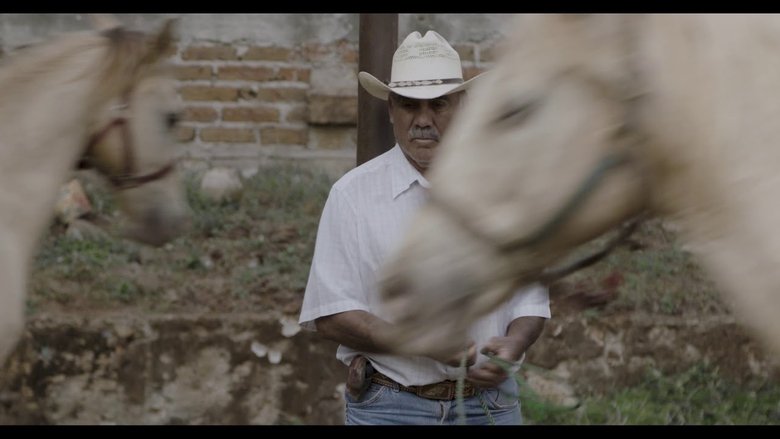
Nando, a young horse wrangler in a rural Mexican village, has taken his own life following a disagreement with his father. Caballerango shows the boy’s family members and townspeople as they reckon with the new realities borne out of this inexplicable tragedy. Each account of Nando’s story reveals a different aspect of this rural town, which is deeply affected by modernization. The confrontation between the centuries-old ways of life and the modern-day world seems to be creating serious identity crises among the younger generation. The story is told in a patient, observational style with methodical shots of the landscape, ranches, and of the two white horses, whom Nando and his father tended to. Those horses, the last to see Nando alive, connect us to an ethereal sensation of almost otherworldly mystical beings.
Buffalo Girls tells the story of two 8-year-old-girls, Stam and Pet, both professional Muay Thai prizefighters. Set in small villages throughout rural Thailand, the film chronicles these young girls' emotional and sometimes heartbreaking journey as they fight in small underground arenas to win prize-money to help provide for their families. After many months of rigorous training and a long schedule of fights, Stam and Pet fight each other for the 20 Kilo championship belt of Thailand and a cash prize that will change the winner's life forever.
A documentary following Zhou Yuanquiang, a cultural worker in Jingdezhen, China who makes movies with untrained local actors.
This film illustrates the struggles of Canadian prairies women to achieve a more just and humane society within the farm movement and at large. During the early 1900s, women on the prairies looked for ways to overcome their isolation. Out of the resulting farm women's organizations grew a group of women possessing remarkable intellectual abilities, social and cultural awareness, and advanced worldviews.
A coming-of-age story about a filmmaker and his family as they struggle to adapt to both a changing world and a traditional one. Can the filmmaker's family accept that he is more interested choosing to document a famine that happened 50 years ago than choosing a wife? Will the family continue to farm their land and grow rice as they always have or sell it to developers? How can they adapt to life in modern China when the country itself is in the midst of identity crisis? The film explores these topics and more in a refreshingly original style that bridges the gap between documentary and narrative feature while providing a delightfully intimate portal into family life in modern China.
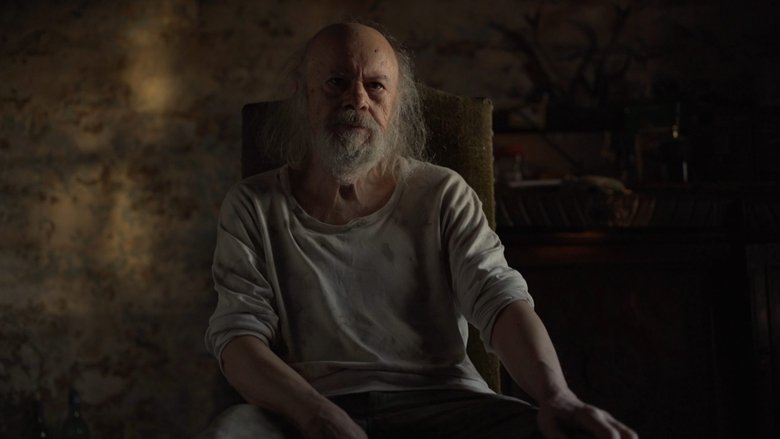
The villagers of El Dorado, Argentina, shy away from doctors. Then again, they hardly need one. They have almost as many cures for ailments and illnesses as there are residents in the village. 65 year old Jorge can also cure the most dreaded ailment of them all, the much feared espanto.

The story of community in the Deep South that is forced to deal with the struggles of ignorance, hypocrisy and oppression.

Routine Pleasures, Slow Cinema.