
Africa Uncensored (1971)
Documentary film making at its best as it narrates very exotic and esoteric rituals of the primitive peoples of Africa.
Documentary film making at its best as it narrates very exotic and esoteric rituals of the primitive peoples of Africa.
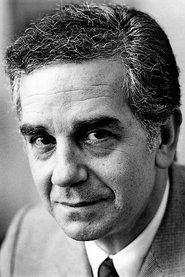 Riccardo CucciollaNarrator
A disturbing documentary about true murders and real death.

When a Mongolian nomadic family's newest camel colt is rejected by its mother, a musician is needed for a ritual to change her mind.
Women from three separate Ju/'hoan bands have gathered at a mangetti grove at !O to play an intense game in which under-tones of social and personal tensions become apparent.
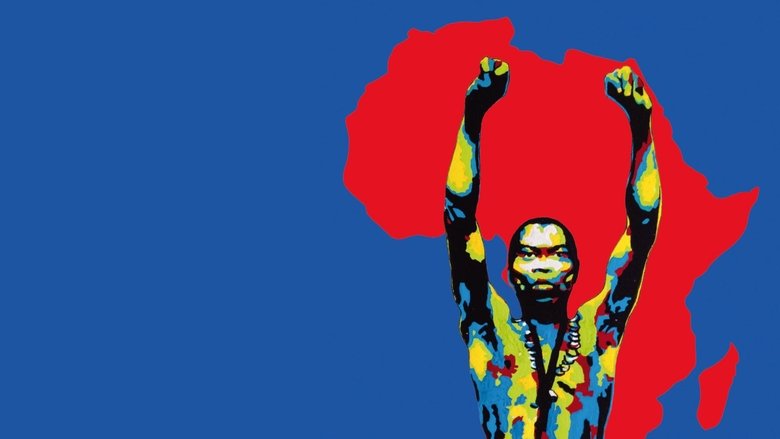
Fela Anikulapo Kuti created the musical movement Afrobeat and used it as a political forum to oppose the Nigerian dictatorship and advocate for the rights of oppressed people. This is the story of his life, music, and political importance.

At America's elite MIT, a Ghanaian alum follows four African students as they strive to graduate and become agents of change for their home countries Nigeria, Rwanda, Tanzania, and Zimbabwe. Over an intimate, nearly decade-long journey, all must decide how much of America to absorb, how much of Africa to hold on to, and how to reconcile teenage ideals with the truths they discover about the world and themselves.
The James Brown Story
In the same vein as Meri's other documentations, this one takes advantage of the glasnost policy to discuss the social and ecologic impact of the Russian oil industry on the natives and the lands they inhabit.
This 1944 black and white silent film provides brief glimpses of the lifestyle among Kenya's white/European settlers during the Second World War.

The film follows the rugby season of Uitenhage prop forward Zama Takayi - who plays for Progress Rugby club, the club that amalgamated the black clubs of the Uitenhage area in the early 90’s.
Edeltraut Hertel - a midwife caught between two worlds. She has been working as a midwife in a small village near Chemnitz for almost 20 years, supporting expectant mothers before, during and after the birth of their offspring. However, working as a midwife brings with it social problems such as a decline in birth rates and migration from the provinces. Competition for babies between birthing centers has become fierce, particularly in financial terms. Obstetrics in Tanzania, Africa, Edeltraud's second place of work, is completely different. Here, the midwife not only delivers babies, she also trains successors, carries out educational and development work and struggles with the country's cultural and social problems.

A mockumentary detailing the history of the Swedish rock band Ghost.
This video research is based on a trip to Morocco in July 2005, during which the director documented irregular migration transiting through Morocco, as well as their control. This geographical project focuses on the main migratory axes: Oujda, entry point for migrants in Morocco; Tangier, from where migrants can try to cross the strait or the fences of Ceuta; Rabat, organization space; and Laayoune, the closest point to the Canaries. The video questions the nature and meaning of these extraterritorial enclaves that structure the Moroccan territory.
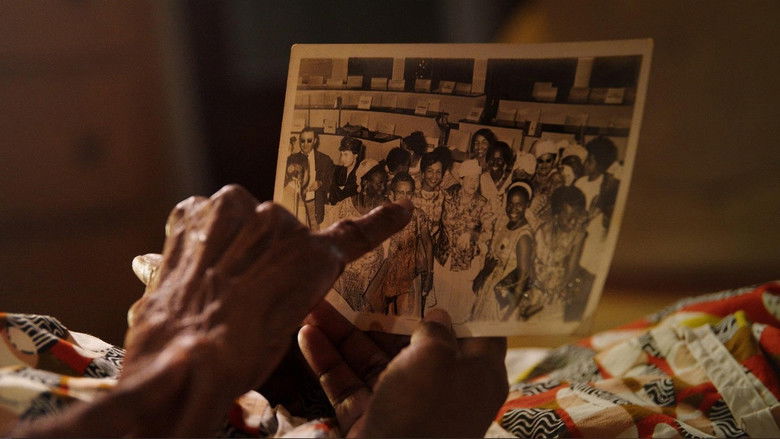
The story of a pioneer, Germaine Le Goff (1891-1986). After World War I, the Breton teacher left Douarnenez for adventure, with a journey that led her to Senegal. In 1938, she founded and directed a teacher training college in Rufisque, near Dakar, the first for primary school teachers in Africa.
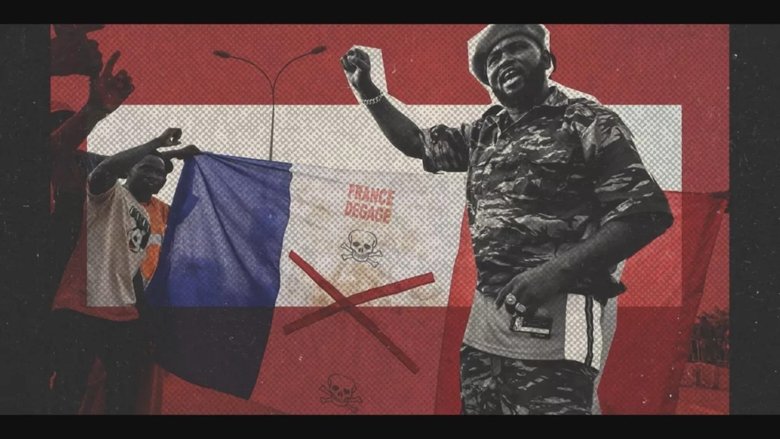
At a time when French flags are being burned and French embassies targeted, this documentary delves into the growing disaffection between French-speaking Africa and the former colonial power. Through the voices of African leaders, pan-African activists, and committed young people, the film questions the persistence of a relationship marked by the aftermath of colonization, the opaque agreements of "Françafrique," and a military presence deemed paternalistic.
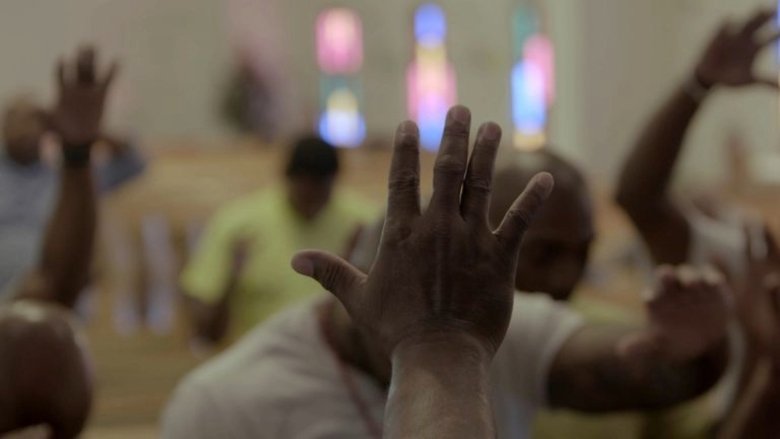
Sacred explores cultural and religious ritual as it relates to life’s cycles: birth, adolescence, marriage, aging and other key passages of life.
An ethnographic documentary following four Ju/’hoansi (!Kung) men during a multi-day giraffe hunt in the Kalahari Desert, filmed during the Smithsonian–Harvard Peabody expedition of 1952–53.
A compilation of accidents, disasters, death, mayhem, and human feats caught on tape.
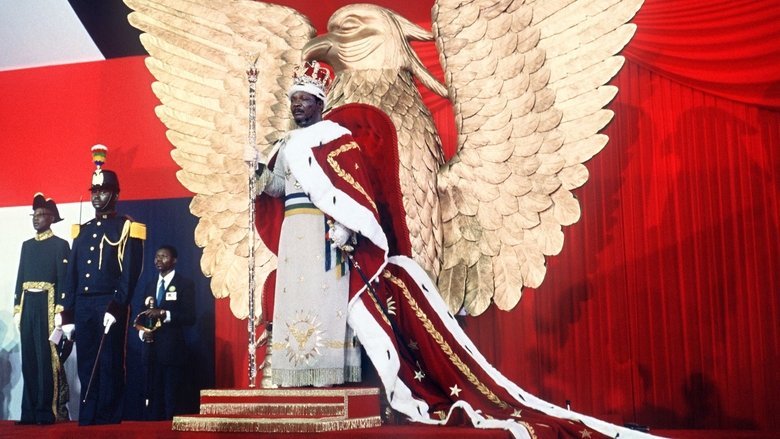
Peter Westerveld, artist and visionary, doesn’t want institutions to resolve the problems linked to earth’s problems. Growing up in Africa, he witnessed the advance of the desert and dedicated himself to finding solutions for the ongoing erosion and desertification of the land. The film follows Peter and the NGO working with him to realise his project; to build contour trenches that capture and store rain water under the surface and replenish the desert land.