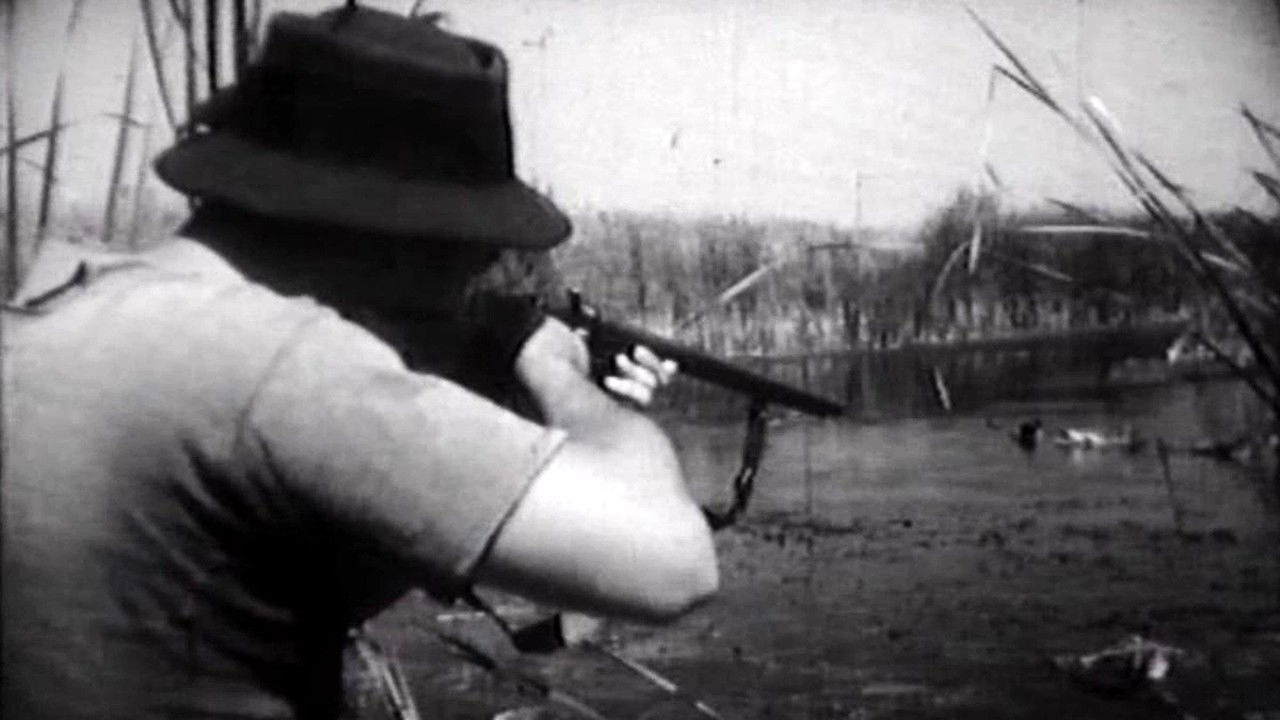
Flight Above the Marshes (1956)
A magnificient poem of the tragic love between two wild ducks. The suicidal sacrifice of the male for his female, we do not witness a hunting scene, but a real tragedy of the birds Romeo and Juliet.
A magnificient poem of the tragic love between two wild ducks. The suicidal sacrifice of the male for his female, we do not witness a hunting scene, but a real tragedy of the birds Romeo and Juliet.
 Vicko RasporThe narrator (voice)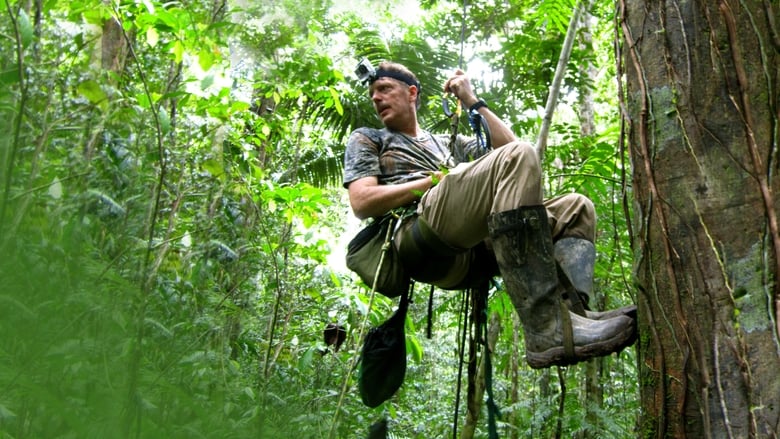
Tim Laman a photographer for National Geographic and ornithologist Ed Scholes have been traveling to some of the most remote jungles the world has to offer in search of observing and photographing all 39 species of tropical bird. This particular group of birds are entitled as the “Birds of Paradise” and can be found in some of the last truly wild locations of New Guinea.
Sir David Attenborough narrates a documentary about the Kea, the world's only alpine parrot. Playful and destructive, it attacks cars, starts landslides and terrorises New Zealand ski resorts but behind the bad behaviour there's a sharp mind at work. David tries to play chess with a kea and discovers how its cheeky character is the key to its survival.
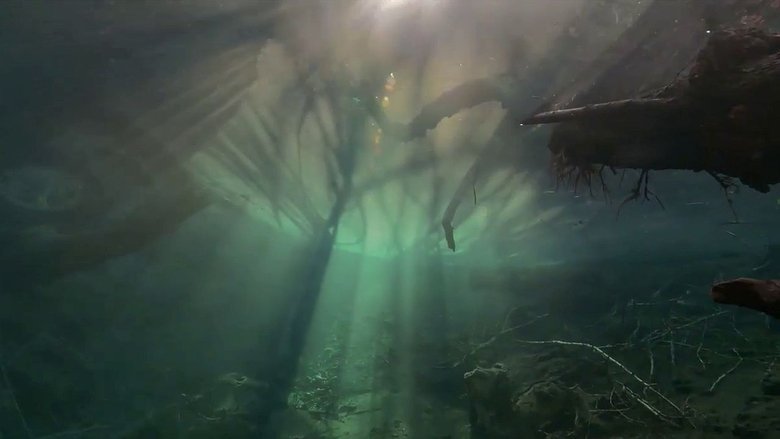
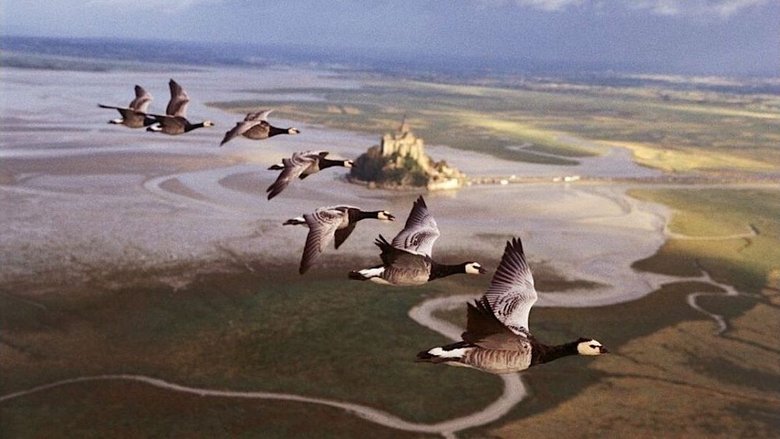
This documentary follows various migratory bird species on their long journeys from their summer homes to the equator and back, covering thousands of miles and navigating by the stars. These arduous treks are crucial for survival, seeking hospitable climates and food sources. Birds face numerous challenges, including crossing oceans and evading predators, illness, and injury. Although migrations are undertaken as a community, birds disperse into family units once they reach their destinations, and every continent is affected by these migrations, hosting migratory bird species at least part of the year.
Head to southern Louisiana with filmmaker Matthew Wilkinson to soak up one of the country's best-kept musical secrets: Lil' Band o' Gold, a group of seasoned musicians who churn out an eclectic blend of country, R & B and zydeco known as swamp pop. This lively documentary follows blues-rock legend C.C. Adcock as he scours the marshes and prairies of Acadiana to assemble a supergroup of diverse personalities, backgrounds and musical styles.
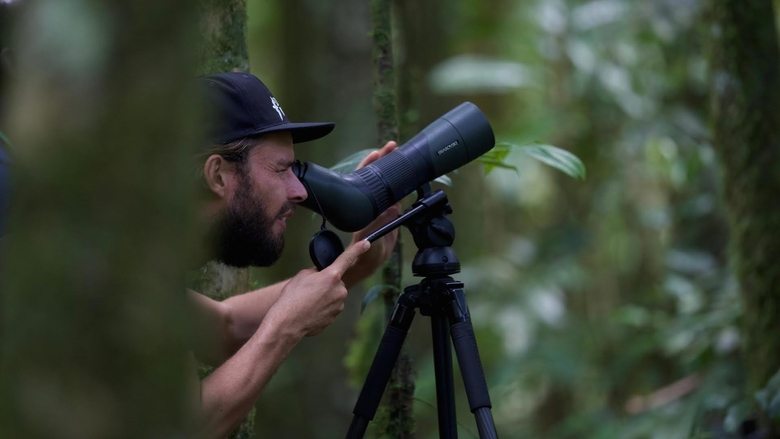
In 2016, Dutch birdwatcher Arjan Dwarshuis traveled the world to spot as many birds as possible in the span of one year, with the goal to break the big year world record (6042 species, set by Noah Strycker in 2015).
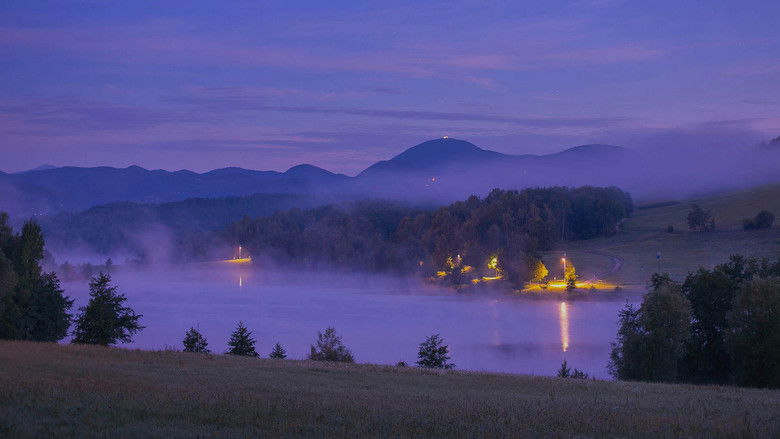
An excellent display of how humans can rehabilitate and restore an area where a heavy industry polluted the water so severely that it was unsuitable to sustain any kind of life. A a film showing how birds returned to an environment once devastated by industry. The lakes around the northern Slovenian town of Velenje, placed in the Central Europe, are geographic center of the film. They emerged as the land above the lignite mines subsided and the depressions were filled with water. The mines started operating at the end of the 19th century. In the mid 20th century a power plant was built that caused a severe pollution of the lake waters to the extent of the lakes not being fit for any kind of life. As a consequence many birds moved from these parts. After a long ecological restoration that started in the mid 1980s, life returned to the water. Gradually the birds returned as well, including some there were previously never observed in this area.
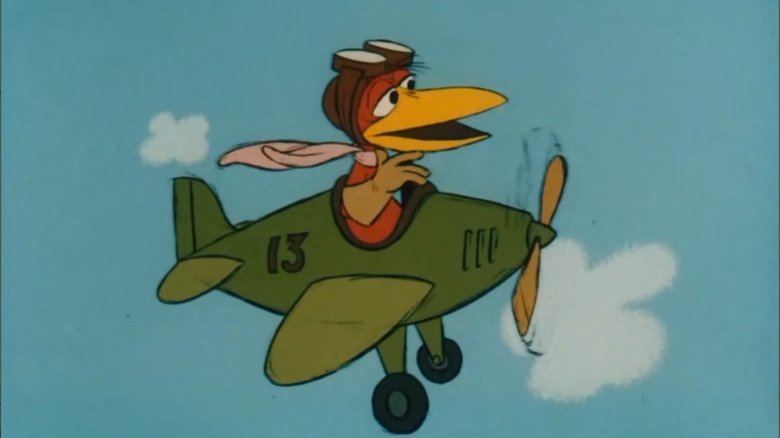
Part cartoon and part documentary, this film offers a humorous look at birds and the ways people perceive them.
This documentary records the journey undertaken by Jacques Cousteau, his 24-member team, and an NFB film crew to explore the Grand Banks of Newfoundland, one of the world's richest fishing areas. They discover shipwrecks, film icebergs and observe beluga whales, humpback whales and harp seals. The film also includes a fascinating sequence showing Calypso divers freeing a calf whale entrapped in a fishing net.
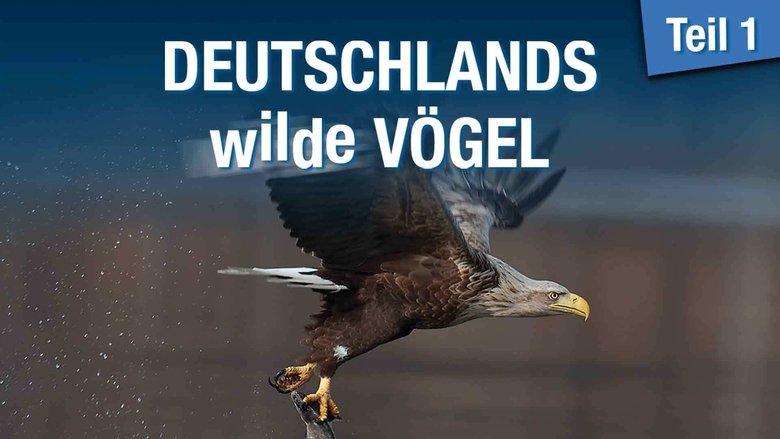
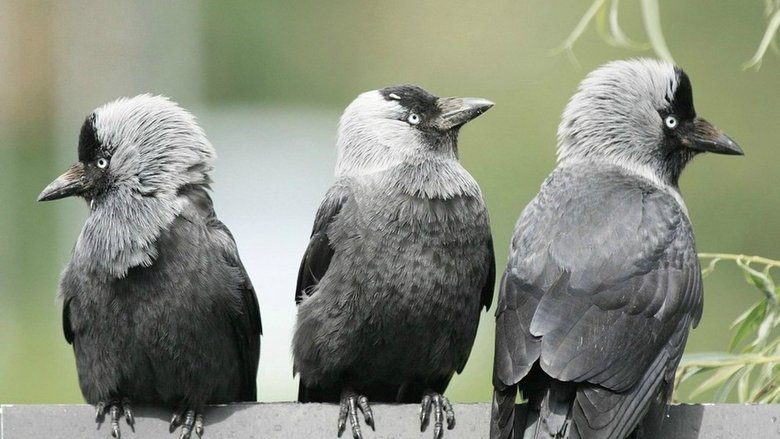
With a combination of wild observations and specially designed tests, this film will guide us through the latest research on bird intelligence, a journey which will re-define the meaning of ‘bird-brained’.
This is the true account of one of the most surprising and remarkable love stories in the history of New York. It begins in 1993, when a young man from Belgium looking to change his life has an unexpected encounter in Central Park. He meets a hawk. Not just any hawk, but a wild Redtail, a fierce predator that has not lived in the City for almost a hundred years. Compelled to follow this extraordinary creature, he buys a video camera and sets out to track the hawk.
David Attenborough has a passion for birds' eggs. These remarkable structures nurture new life, protecting it from the outside world at the same time as allowing it to breathe. They are strong enough to withstand the full weight of an incubating parent and weak enough to allow a chick to break free. But how is an egg made? Why are they the shape they are? And perhaps most importantly, why lay an egg at all? Piece by piece, from creation to hatching, David reveals the wonder behind these miracles of nature.
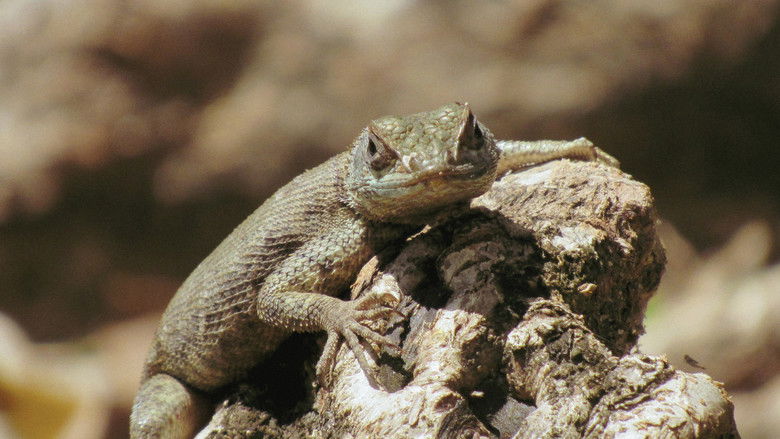
A group of artists settle in a swamp on the banks of the Indre River. Meanwhile, a voice describes a utopian world.
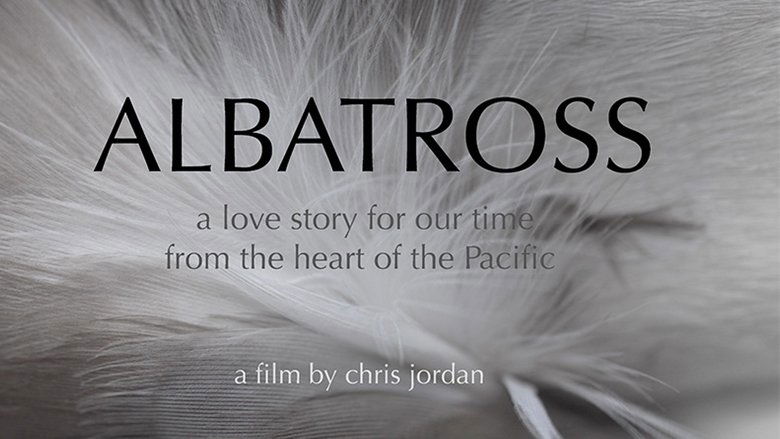
A powerful visual journey into the heart of a gut-wrenching environmental tragedy, while delivering a profound message of healing and renewal.
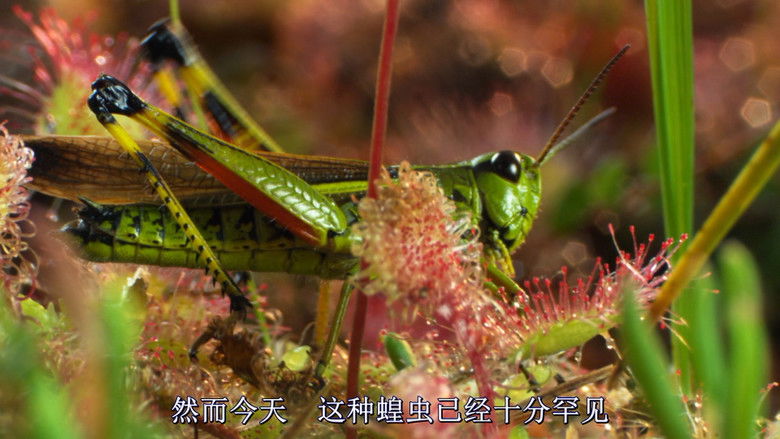
Jan Haft is without doubt a nature filmmaker with a gifted knack for the very special regions of the world. A few years ago, in Das grüne Wunder - Unser Wald, he dedicated himself to the place that all Germans long for, and in his new film he explores a similarly mythologically and historically charged topography, which is nevertheless much less present than the murmur of the forests. It is about the mainly northern European moorland landscapes and their rich and unique flora and fauna, whose magic he traces in an opulent visual arc of exquisite beauty.
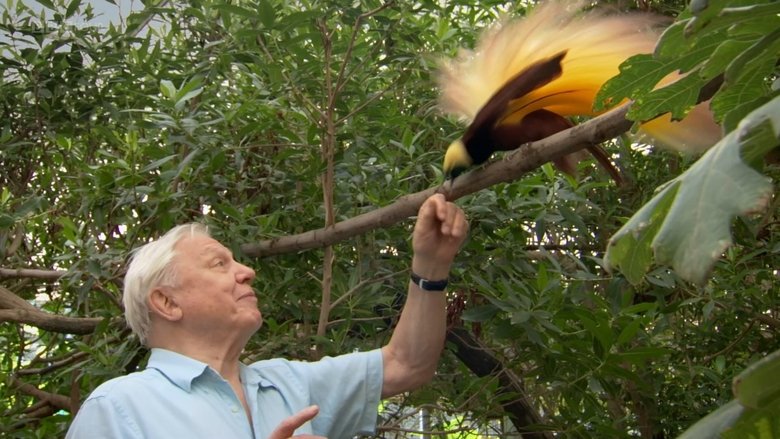
David Attenborough tells the remarkable story of how these " birds of paradise " have captivated explorers , naturalists, artists, filmmakers and even royalty.
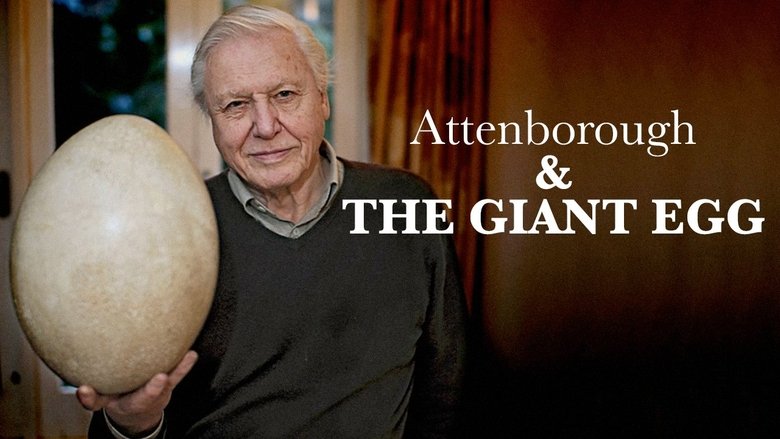
David Attenborough returns to the island of Madagascar on a very personal quest. In 1960 he visited the island to film one of his first ever wildlife series, Zoo Quest. Whilst he was there, he acquired a giant egg. It was the egg of an extinct bird known as the 'elephant bird' - the largest bird that ever lived. It has been one of his most treasured possessions ever since. Fifty years older, he now returns to the island to find out more about this amazing creature and to see how the island has changed. Could the elephant bird's fate provide lessons that may help protect Madagascar's remaining wildlife? Using Zoo Quest archive and specially shot location footage, this film follows David as he revisits scenes from his youth and meets people at the front line of wildlife protection. On his return, scientists at Oxford University are able to reveal for the first time how old David's egg actually is - and what that might tell us about the legendary elephant bird.
Huge electric sign operated by photo cell animation; freshwater fauna propagated by Carolina Biological, sold and used for research; pickup and delivery of airmail in flight with small planes.