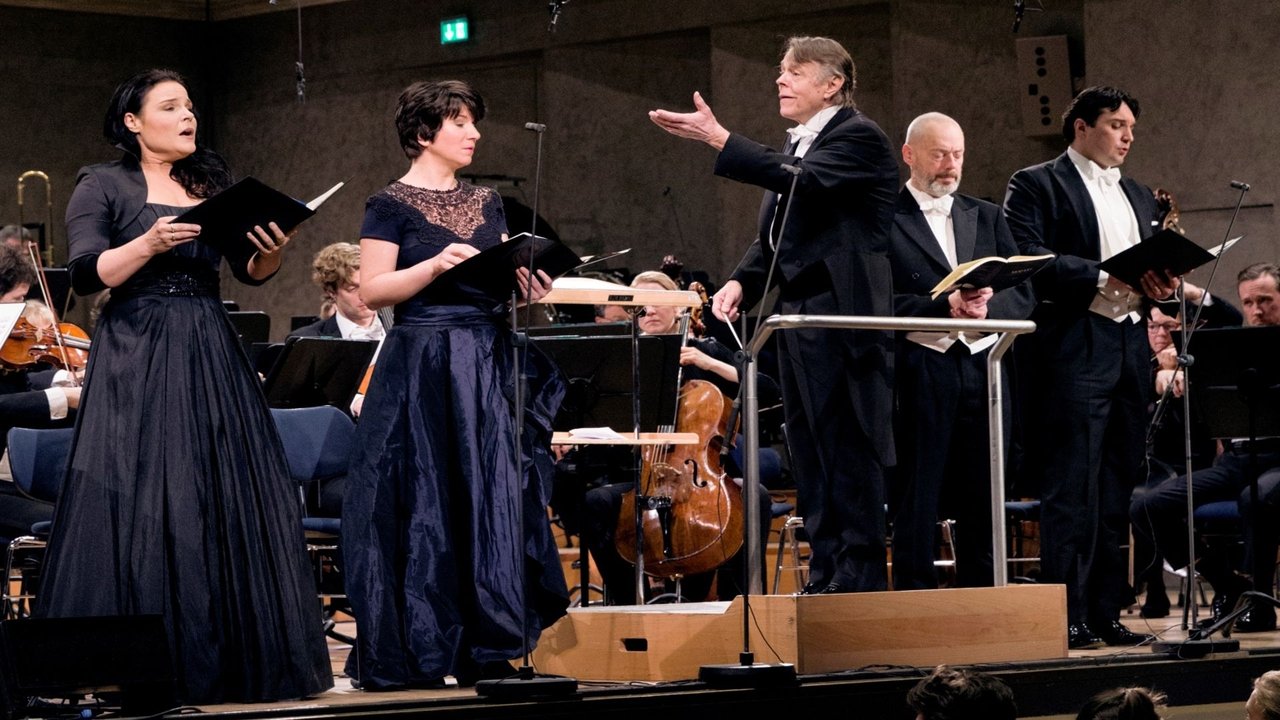
Top billed cast
 Mariss JansonsHimself
 Genia KühmeierHerself
 Elisabeth KulmanHerself
 Mark PadmoreHimself
 Adam PlachetkaHimself
Similar to Mozart: Requiem KV 626 – Chor und Symphonieorchester des Bayerischen Rundfunks, Mariss Jansons
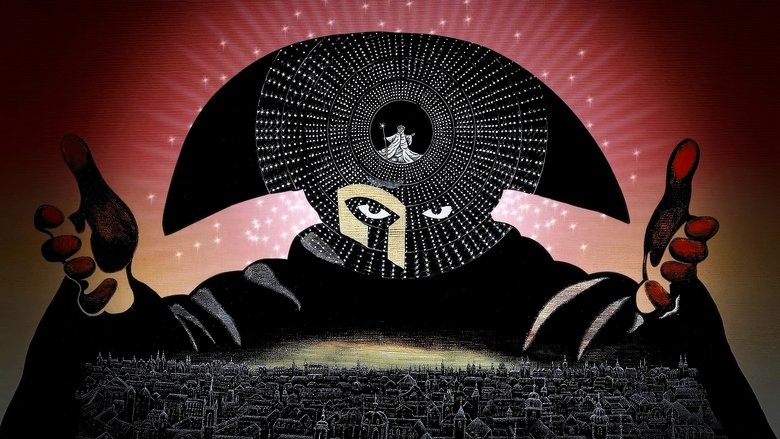
Amadeus (1984)
Disciplined Italian composer Antonio Salieri becomes consumed by jealousy and resentment towards the hedonistic and remarkably talented young Salzburger composer Wolfgang Amadeus Mozart.
Pierre Boulez Saal – Opening Concert (2017)
Contents Boulez: Initiale /Boulez Ensemble (chamber ensemble) Schubert: Der Hirt auf dem Felsen, D965 (Von Chezy / Muller) Anna Prohaska (soprano), Jörg Widmann (clarinet), Daniel Barenboim (piano) Mozart: Piano Quartet No. 2 in E flat major, K493 Daniel Barenboim (piano), Michael Barenboim (violin), Yulia Deyneka (viola), Kian Soltani(cello) Berg: Chamber Concerto for Piano and Violin with 13 Wind Instruments Michael Barenboim (violin), Karim Said (piano), Boulez Ensemble
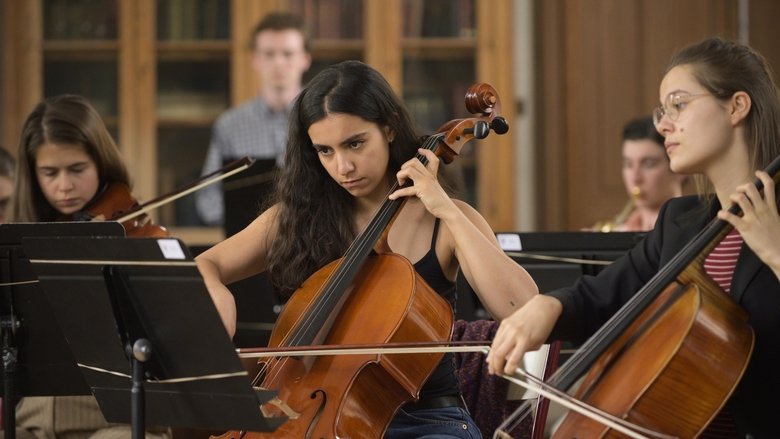
Divertimento (2023)
Zahia Ziouani, 17, dreams of becoming a conductor, while her twin sister Fettouma hopes to be a professional cellist. They want to make classical music accessible to everyone and create their own orchestra.

Beethoven privat (2020)
To mark Beethoven's 250th birthday, the documentary sheds light on the composer's private side, linking his writings with his music in an original way. Beethoven's many letters and notes tell of his temperament, his love affairs, his humanism and his struggles, especially with the early onset of deafness.
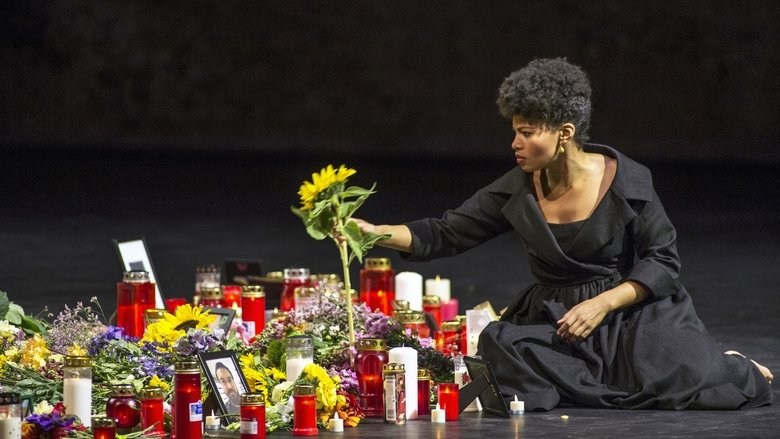
Mozart: La clemenza di Tito (2017)
How do we live together in an age of conflict? How do you heal a divided and angry people? In their 2017 production of Mozart’s La clemenza di Tito, Peter Sellars and Teodor Currentzis examine these questions through the story of a warrior-emperor who brings peace to his divided land and pardons his own would-be assassins. Written under a time crunch (legend has it that it was written in only 18 days, although it is likely an exaggeration) during the last year of Mozart’s life, the opera is based on a libretto written more than half a century earlier by Pietro Metastasio. It was commissioned for the coronation of Leopold II as King of Bohemia, and received its first public performance at the Estates Theatre in Prague on September 6, 1791.
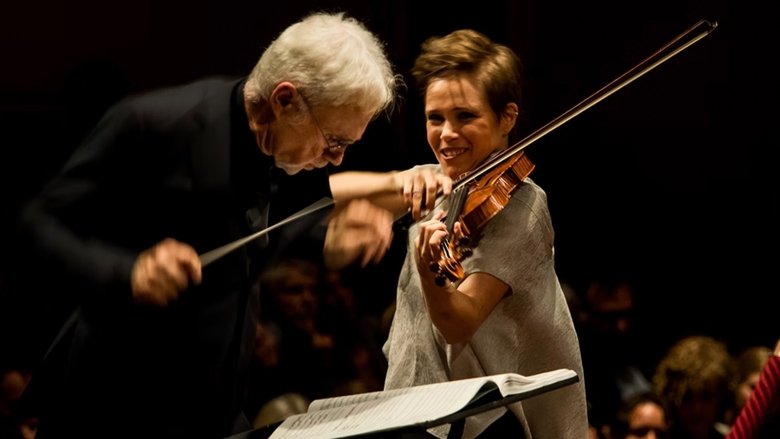
John Adams conducts John Adams (2015)
Like many of John Adams’ operas, Doctor Atomic is based on recent world historical events—here, the effusive Robert Oppenheimer, “father of the atomic bomb,” anxiously awaits the bomb’s first test in Los Alamos, New Mexico. Adams adapted the work into a symphony, comprising its three main acts. In the second half of the program, Adams conducts his 2015 violin concerto, Scheherazade.2, which restages the tale of the One Thousand and One Nights heroine as a strong woman navigating a patriarchial society, incarnated by the solo violin part. The work was composed specifically for Canadian-American virtuoso Leila Josefowicz and co-commissioned by the Royal Concertgebouw Orchestra, who perform it to perfection. The evening then closes out with Tromba Lontana, an orchestral fanfare written to mark the 150th anniversary of Texas’s independence from Mexico in 1836.
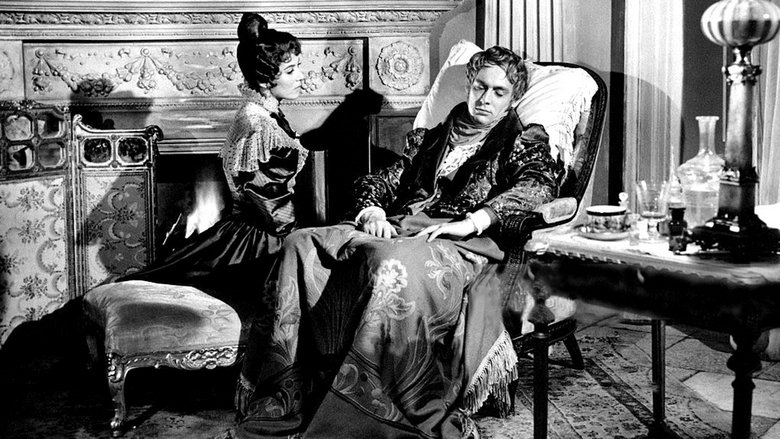
House of Ricordi (1954)
The film covers a hundred years in the lives of the Ricordi family, the Milan publishing house of the title, and the various composers and other historic personalities, whose careers intersected with the growth of the Ricordi house. It beautifully draws the parallel between the great music of the composers, the historic and social upheavals of their times, as well as the "smaller stories" of the successive generations of Ricordi.

Beyond the Universe (2022)
While waiting for a kidney transplant, a young pianist finds an unexpected connection with her doctor — and the courage to fulfill her musical dreams.
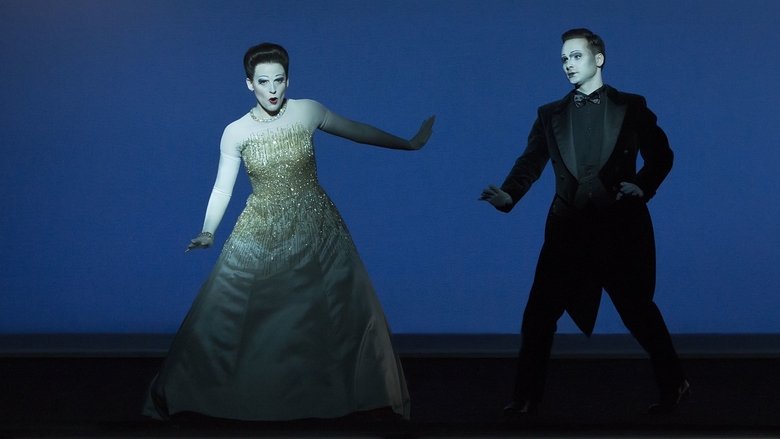
Verdi: La Traviata (2016)
Giuseppe Verdi based his famous opera on the novel “The Lady of the Camellias” by Alexandre Dumas. Robert Wilson’s production of Violetta Valéry’s tragic fate is his first work at the State Theater of Linz, Austria, one of the most modern operatic stages in Europe by architect Terry Pawson. After the run in Linz, the production was transferred to the Opera House in Perm, Russia, where the production was conducted by Teodor Currentzis. In 2017, the work received a “Golden Mask”, the most prestigious Russian theater award, in three categories (Teodor Currentzis, Best Conductor; Nadezhda Pavlova, Best Female Singer; Robert Wilson, Best Lighting Design).

Beethoven: The Symphonies (2013)
Conductor: Claudio Abbado. Orchestra/Ensemble: Berlin Philharmonic Orchestra. 1.Symphony no 1 in C major, Op. 21 2. Symphony no 2 in D major, Op. 36 3. Symphony no 3 in E flat major, Op. 55 "Eroica" 4. Symphony no 4 in B flat major, Op. 60 5. Symphony no 5 in C minor, Op. 67 6. Symphony no 6 in F major, Op. 68 "Pastoral" 7. Symphony no 7 in A major, Op. 92 8. Symphony no 8 in F major, Op. 93 9. Symphony no 9 in D minor, Op. 125 "Choral"
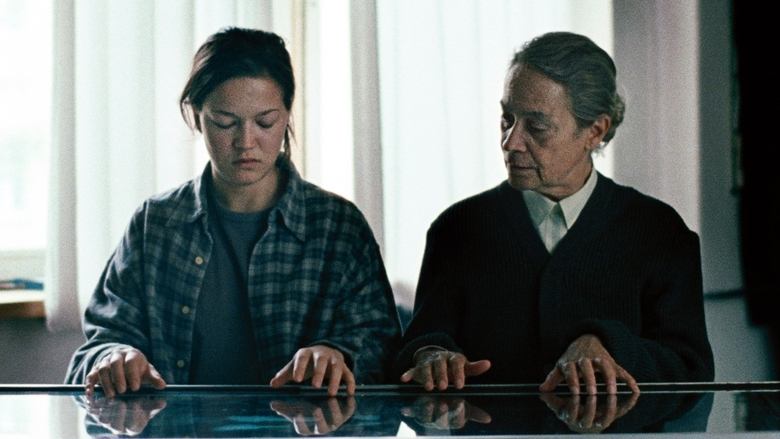
Four Minutes (2006)
Jenny is young. Her life is over. She killed someone. And she would do it again. When an 80-year-old piano teacher discovers the girl’s secret, her brutality and her dreams, she decides to transform her pupil into the musical wunderkind she once was.
Not Mozart: Letters, Riddles and Writs (1991)
Letters, Riddles and Writs is a one act opera for television by Michael Nyman broadcast in 1991.
Maestro
Set against the backdrop of a 1960s jungle seaport in tropical Australia and the rich concert halls of wintry Vienna, talented eighteen year old pianist Paul Crabbe moves to an exotic outpost of far Northern Australia. There, he is forced to study under the only piano teacher his father can find – the eccentric, enigmatic Herr Keller, a Viennese refugee with a shadowed past. Living above a dilapidated hotel in the dripping heat of this seaport, Keller is known to the locals as 'Maestro', a broken, elegant drunkard. But who is he? Does he come from a lineage of great European pianists, or is he a fraud?
The Nutcracker (1977)
The Nutcracker is Mikhail Baryshnikov's breathtaking and critically acclaimed Emmy-nominated production. This spectacular performance is danced by the magnificent team of Baryshnikov, one of the greatest classical dancers of the century, and Gelsey Kirkland, both showcased at the peak of their careers, with members of the American Ballet Theatre.
What Difference Does It Make? (2014)
A documentary that explores the challenges that a life in music can bring.
Requiem Sonata (2015)
A doctor with a talent for playing the piano finds artistic inspiration in hospital patients and composes her last melody.

The Life and Loves of Beethoven (1937)
Lyrical biography of the classical composer, depicted as a romantic hero, an accursed artist.
Die Zauberflöte (1971)
Wolfgang Amadeus Mozart's Magic Flute is undoubtedly one of the most multi-layered, profound, complicated, and therefore also most difficult to stage works in the entire opera repertoire. In terms of genre, it can only be understood if it is seen as a mixture of four things: a philosophically profound drama of ideas with countless encryptions, a naïve fairy tale, a bawdy comedy, and a crude Punch and Judy show. It is based on the intersection of the traditions of Baroque magic opera, Italian buffa, and Viennese Singspiel, where all manner of wonders are conceivable and permissible. Peter Ustinov's production appeals to all those who love a primarily fairy-tale-like interpretation; the atmosphere is traditional and conventional. An outstanding ensemble of singers has been assembled.