
Decease (2000)
Spring comes every year and brings us hope for recovery and development. But time is inexorable and fleeting. Not for everyone will come next spring ...
Spring comes every year and brings us hope for recovery and development. But time is inexorable and fleeting. Not for everyone will come next spring ...
 Anastasiya ShkirskayaБабушка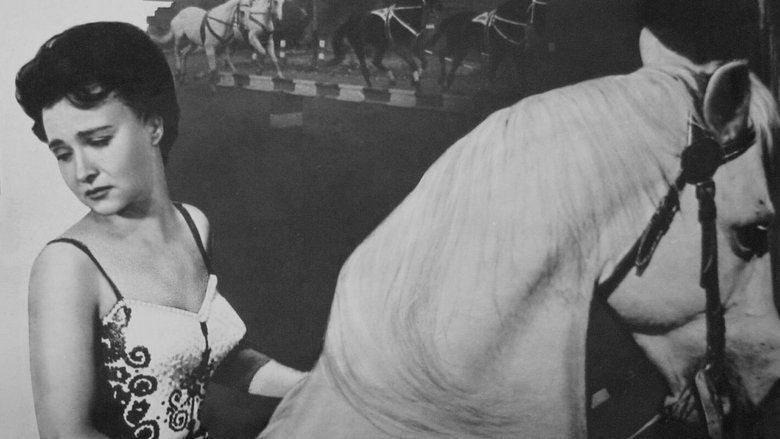
In one of the occupied European cities, the commandant of the garrison gathers a troupe of circus performers. Coming from different countries, they are in the humiliating position of people forced to serve their enslavers. Many of them, recruited from camps and workhouses, were quite content with their lot. Only after a chain of subsequent events, the artists raise an uprising. Unarmed people are not able to resist the arrived guards. They die, but at the cost of their lives they regain their lost human dignity.
"Danse serpentine" (Gaumont #588) is part of the "Miss Lina Esbrard. Danseuse cosmopolite et serpentine" series of 4 films, and should not be confused with "Danse excentrique" (Gaumont #587), "Danse fantaisiste" (Gaumont #589) or "La Gigue" (Gaumont #590).

Set during the 16th-century Spanish occupation of Flanders, the story concentrates on the fiercely patriotic Mark Van Ryke (Colman). Donning the guise of "Leatherface," a swashbuckling masked avenger, Van Ryke performs his derring-do on behalf of the Prince of Orange (Nigel de Brulier). Naturally, Van Ruke considers beautiful Spanish aristocrat Donna Leonora de Vargas (Vilma Banky) to be a bitter enemy, and the feeling is mutual. To no one's surprise, however, Van Ryke and Donna Leonara eventually fall in love (hence the title). The pulse-pounding climax finds Van Ryke riding hell-for-leather through a rainstorm to warn the Flemish troops about the Spaniards' plans to burn the city of Ghent to the ground. Two Lovers was based on Madame Orczy's novel Leatherface, and adapted for the screen by Alice Duer Miller.

A cinematic portrait of the homeless population who live permanently in the underground tunnels of New York City.

"Notorious" is the story of Christopher Wallace. Through raw talent and sheer determination, Wallace transforms himself from Brooklyn street hustler (once selling crack to pregnant women) to one of the greatest rappers of all time: The Notorious B.I.G. Follow his meteoric rise to fame and his refusal to succumb to expectations - redefining our notion of "The American Dream."

Down-on-his-luck veteran Tsugumo Hanshirō enters the courtyard of the prosperous House of Iyi. Unemployed, and with no family, he hopes to find a place to commit seppuku—and a worthy second to deliver the coup de grâce in his suicide ritual. The senior counselor for the Iyi clan questions the ronin’s resolve and integrity, suspecting Hanshirō of seeking charity rather than an honorable end. What follows is a pair of interlocking stories which lay bare the difference between honor and respect, and promises to examine the legendary foundations of the Samurai code.
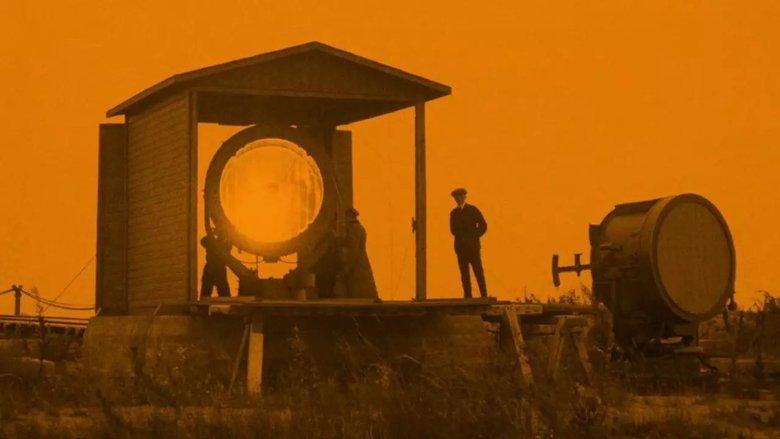
A documentary from Erkki Karu, one of the earliest pioneers of Finnish cinema: This government-produced propaganda film introduces the nature, sports, military, agriculture and capital of Finland.
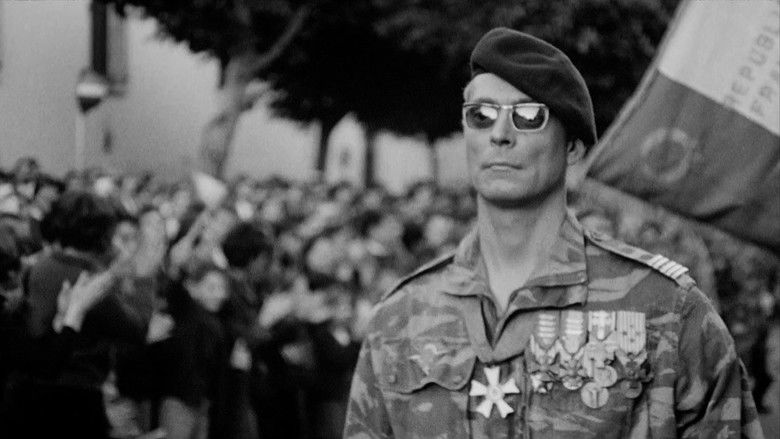
Paratrooper commander Colonel Mathieu, a former French Resistance fighter during World War II, is sent to Algeria to reinforce efforts to squelch the uprisings of the Algerian War. There he faces Ali la Pointe, a former petty criminal who, as the leader of the Algerian Front de Liberation Nationale, directs terror strategies against the colonial French government occupation. As each side resorts to ever-increasing brutality, no violent act is too unthinkable.
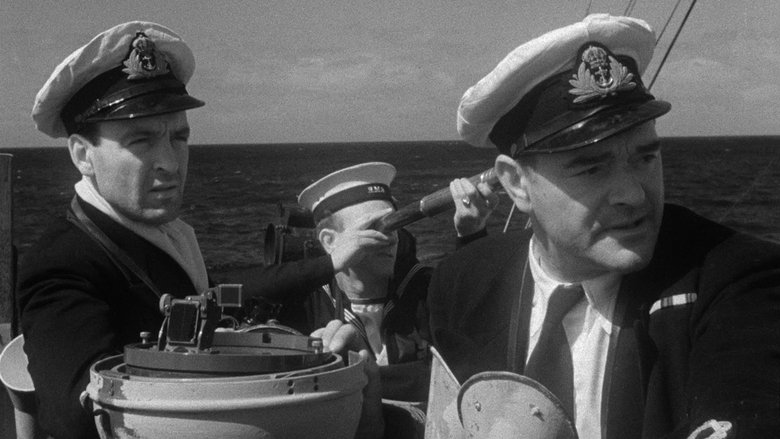
At the start of World War II, Cmdr. Ericson is assigned to convoy escort HMS Compass Rose with inexperienced officers and men just out of training. The winter seas make life miserable enough, but the men must also harden themselves to rescuing survivors of U-Boat attacks, while seldom able to strike back. Traumatic events afloat and ashore create a warm bond between the skipper and his first officer
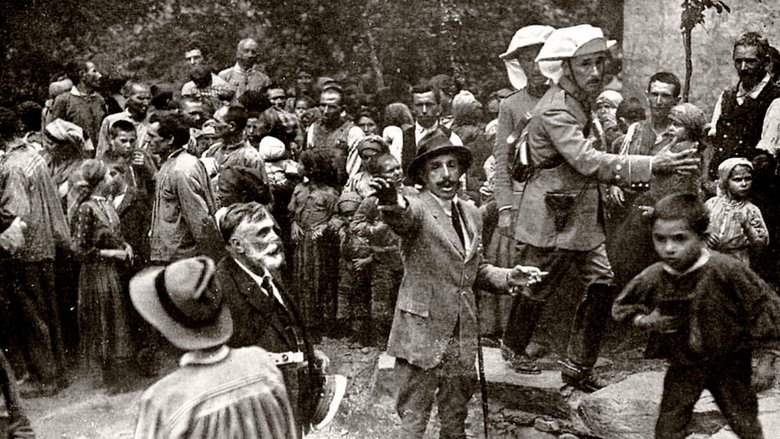
An account of the journey that King Alfonso XIII of Spain made to the impoverished shire of Las Hurdes, in the province of Cáceres, in the region of Extremadura, in 1922.
Because she is being blamed by her father, the young Viking Freydis feels responsible for her mother’s death and develops a profound psychosis. She then embarks on a journey to Hel, the goddess of the dead, in order to revive her mother, and thus finally manages to free herself from her father’s blame.
A big hearted community celebrates life by fronting up to death. Set against the stunning backdrop of the industrial seaside town of Port Kembla, a feisty and resilient community group have determined to take back the responsibility that most of us leave to someone else — to care for their own dead. Scattered throughout are stories that cut to the core revealing why this small band have decided to take on a practice that for most is taboo. As their plans for community-based funerals gather momentum one of their own is diagnosed with a life-threatening illness. Tender is at once a heartbreakingly beautiful and beautifully funny glimpse of an extraordinary community taking on one of the most essential challenges of human life … its end.
The film examines the death of the anarchist Giuseppe Pinelli, who fell from the fourth floor of the police headquarters in Milan December 15, 1969, after being stopped following the Piazza Fontana bombing.
A brief portrait of famous and brave bullfighter Manuel Benítez el Corbobés; an account on still photos of his triumphs and failures.
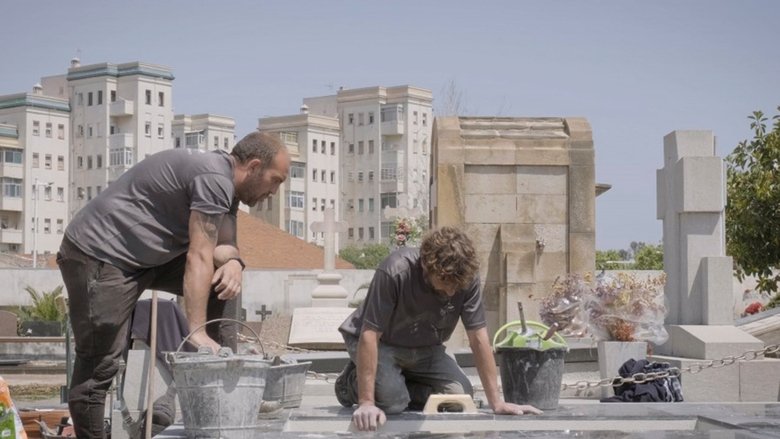
A documentary that invites the viewer to immerse themselves in a intimate and thoughtful walk through Poblenou Cemetery in Barcelona, better know as "El Santet", to see what is happening at its surrounding areas and, especially, inside: work, buildings, people watching over those who are no longer here, cemetery workers... A trip through a space that is closer than we think.
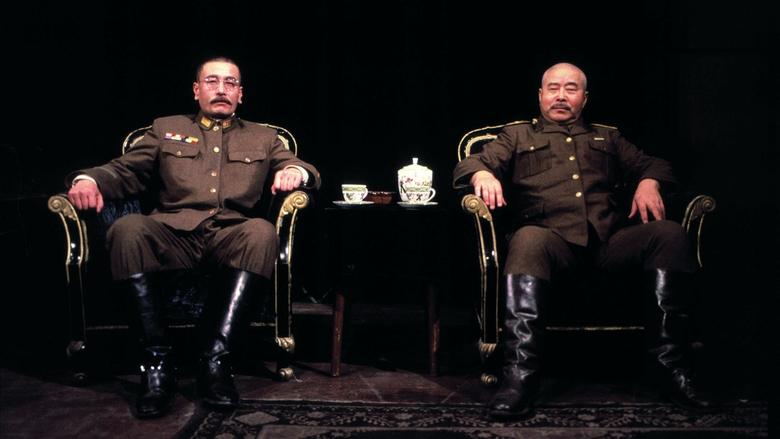
Japanese troops round up Chinese and Russian prisoners of war and take them to unit 731, where they're horribly tortured and experimented on to test new biological weapons.
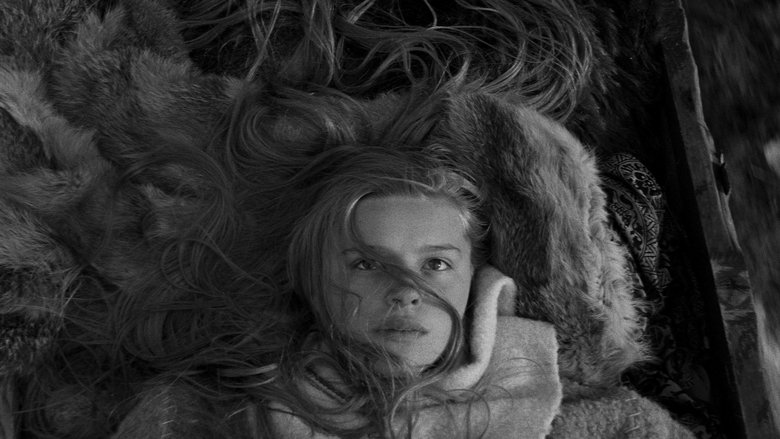
Mikolás and his brother Adam end up with a young German hostage of noble blood during a robbery. While their clan prepares for the wrath of the German king, Mikolás is sent to pressure his neighbor Lazar into a defense pact. Persuasion fails and he abducts Lazar's daughter Marketa on the eve of her initiation as a nun in an act of vengeance.

A cameraman wanders around with a camera slung over his shoulder, documenting urban life with dazzling inventiveness.
An experimental project made up of 10 minute silent portraits with 60+ participants.
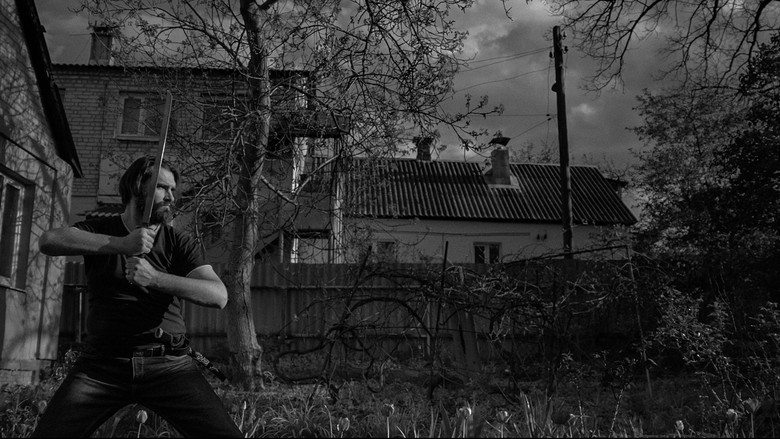
Viktor, who was born deaf, worships the figure of the samurai warrior. When bombs start falling on his countryside home in Kharkiv, his quasi-romantic obsession with war is put to the test.