
Canadian Carnival (1955)
Carnival time in Quebec, Canada, is also time for racing with sled-dogs, horse-drawn sleighs, hockey, curling the carving of ice-statues, obstacle races by youngsters, fireworks, and also the selection of a Carnival Queen.
Carnival time in Quebec, Canada, is also time for racing with sled-dogs, horse-drawn sleighs, hockey, curling the carving of ice-statues, obstacle races by youngsters, fireworks, and also the selection of a Carnival Queen.
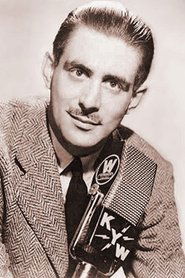 Peter RobertsNarrator (voice)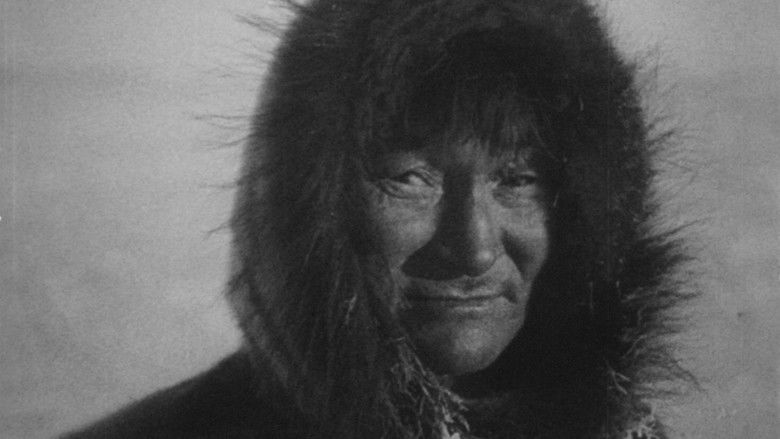
This pioneering documentary film depicts the lives of the indigenous Inuit people of Canada's northern Quebec region. Although the production contains some fictional elements, it vividly shows how its resourceful subjects survive in such a harsh climate, revealing how they construct their igloo homes and find food by hunting and fishing. The film also captures the beautiful, if unforgiving, frozen landscape of the Great White North, far removed from conventional civilization.
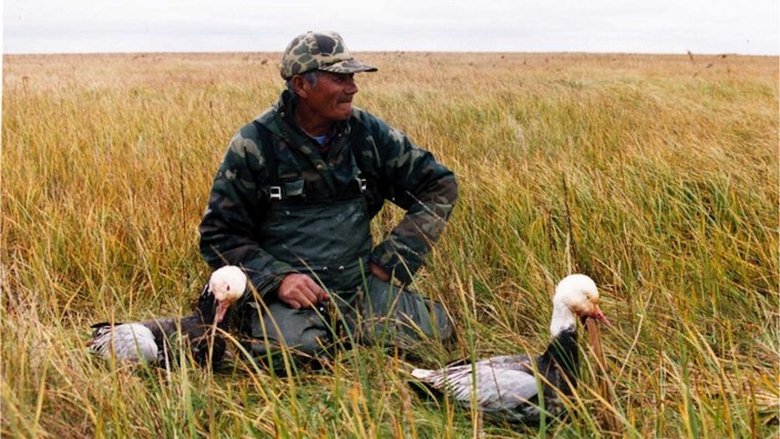
This documentary focuses on the goose hunt, a ritual of central importance to the Cree people of the James Bay coastal areas. Not only a source of food, the hunt is also used to transfer Cree culture, skills, and ethics to future generations. Filmmaker Paul M. Rickard invites us along with his own family on a fall goose hunt, so that we can share in the experience.
A stationary camera, looking diagonally across a racetrack toward the infield, records the horses as they race past. Once they are out of view and the race is over, police officers run onto the infield. The crowd moves around.
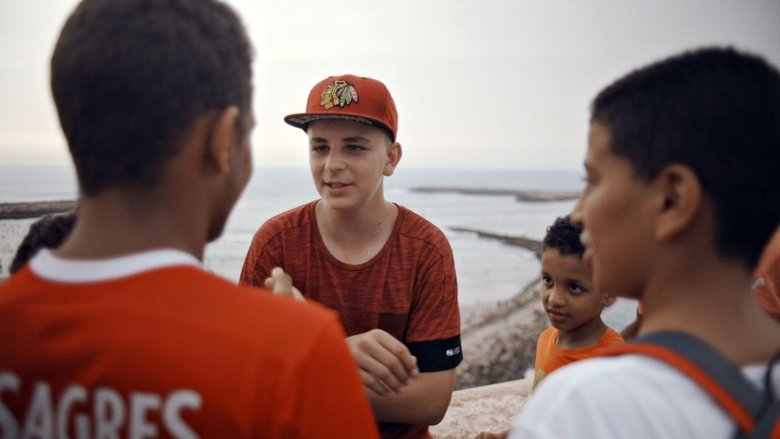
When the junior ice hockey team from the small town of Náchod, in the Czech Republic, sets off in a bus to Morocco to play the away game in an exchange programme, the players and their coach expect an easy victory and a cultural shock: “bring ear plugs”, the coach suggests them with a touch of undisguised condescendence, so as not to hear the call to prayer early in the morning. Both on and off the ice, Rozálie Kohoutová and Tomáš Bojar’s camera focuses on a few teenagers and their exchanges, simultaneously funny and cruel, in a clumsy English.

They call him "the Great One" and this is the first time ever he has told the many stories behind his greatest accomplishments and moments. Hosted by hockey personality John Davidson and Wayne's good friend, Keifer Sutherland, sports fans take a journey into the man that is Wayne Gretzky.

Nine years after the disappearance of Cédrika Provencher, Claude Poirier returns to the scene of the crime. With the help of lawyer Guy Bertrand, former minister Jacques Dupuis and witnesses of the events surrounding Cédrika's disappearance and the discovery of her skull, Poirier reveals all he knows about this sadly popular story.
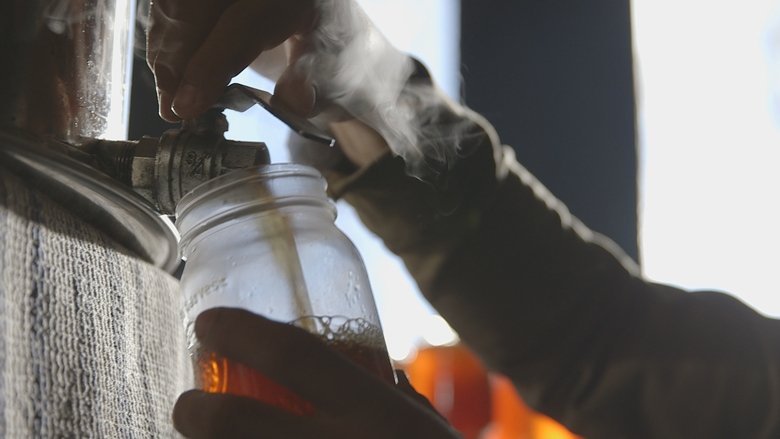
Focused on an inspiring and touching dialogue between Gilles Vigneault and Fred Pellerin, the documentary tells the story of Quebec by digging deep into an ancestral tradition etched into our cultural DNA: the production of maple syrup.
This short film takes the viewer on a tour through the world of harness racing and show horses.
Follows the Edmonton Oilers through the 1986-87 NHL Hockey season, as they battle towards their third Stanley Cup.

Shortly after the collapse of the Soviet Union, the Pittsburgh Penguins and the famed Red Army hockey team formed a joint venture that redefined what was possible in the new Russia. Eccentric marketing whiz, Steve Warshaw, is sent to Moscow and tasked to transform the team into the greatest show in Russia, attracting some of the biggest names in Hollywood and advertising along the way. He takes the viewer on a bizarre journey highlighting a pivotal moment in U.S.-Russian relations during a lawless era when oligarchs made their fortunes and multiple murders went unsolved.
This short film retraces the life of Herman Smith Johannsen – the man who introduced the sport of cross-country skiing to Canadians. From past to present, his life story is portrayed through pictures from sports newsreels, Norwegian archives and his family album. The film catches up with him at both the Canadian Ski Marathon, where he is the honoured guest, and on a return trip to his native Norway.
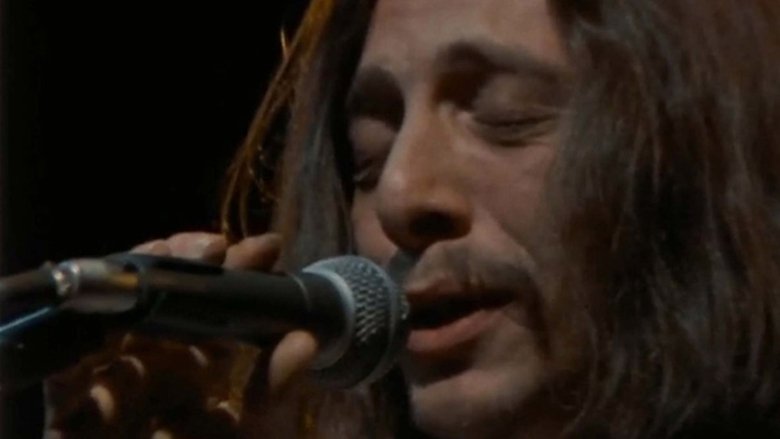
Through concerts and interviews, folk-progressive group Harmonium takes Quebec culture to California. This documentary full of colour and sound, filmed in California in 1978, recounts the ups and downs of the journey of the Quebec musical group Harmonium, who came to feel the pulse of Americans and see if culture, their culture, can succeed in crossing borders.
In-depth look at the twilight years, spent training apprentices, of temple builder Nishioka Tsunekazu, who was called the "devil" as he devoted his life to temple architecture. His insistence on the gargantuan timescale of linking life to the next millennium emerges from people who knew him. Remarkable as well for showing the unknown backstage of temple architecture. Nishioka, known as "the last temple carpenter," handled the major Showa-era repairs of Horyuji temple, and in 1990 was at the scene of the reconstruction work for Yakushi temple.
The TNO (Unorganized Territory) Lac-Boisbouscache is a 150 square kilometer public forest located in the Lower St. Lawrence region of Quebec, Canada. Through the eyes of the forest's residents and users, the film paints a portrait of a territory that has long been coveted by private groups with diverse interests. Boisbouscache is a story of dispossession based on current commercial uses combined with the absence of any political will.