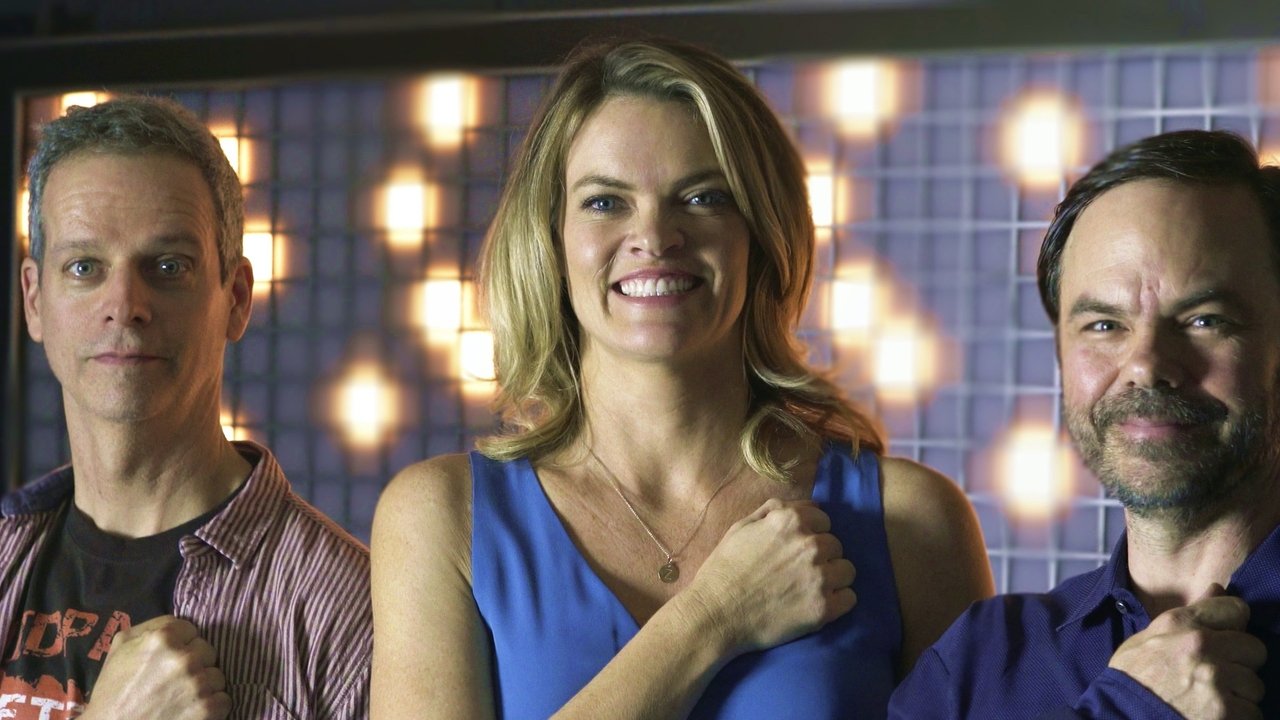
Never Surrender: A Galaxy Quest Documentary (2019)
A feature-length documentary about the film Galaxy Quest and its legacy, celebrating its milestone 20th anniversary.
A feature-length documentary about the film Galaxy Quest and its legacy, celebrating its milestone 20th anniversary.
 Tim AllenSelf
 Greg BerlantiSelf
 Enrico ColantoniSelf
 Sigourney WeaverSelf
 Mark JohnsonSelf
 Damon LindelofSelf
 Daryl MitchellSelf
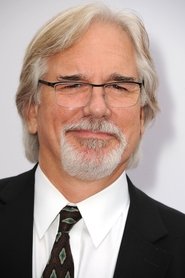 Dean ParisotSelf
 Wil WheatonSelf
 Justin LongSelf
A short documentary about the Making Of Hitchcock's "Shadow of a Doubt" (1943).
Documentary on the making of Gus Van Sant's "Psycho."
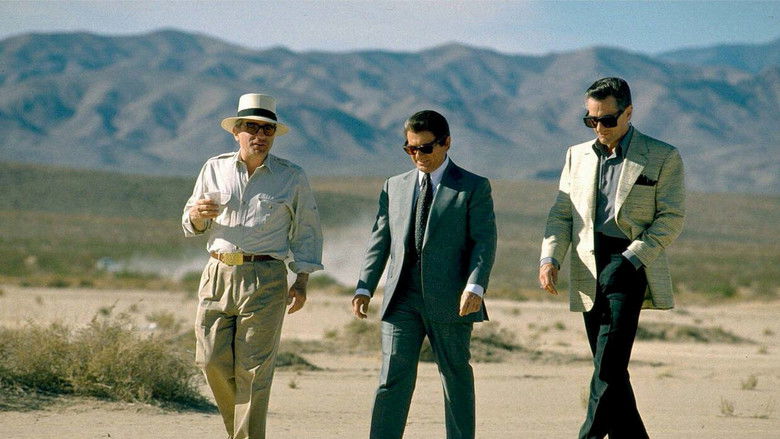
A four-part making-of documentary about Scorcese’s 1995 Vegas crime epic Casino featured in physical media releases and split into sections on the Story, the Cast and Characters, the Look and After the Filming.

Documentary following researchers as they try to take the first-ever picture of a black hole. They must travel the globe to build a revolutionary telescope that spans planet Earth.
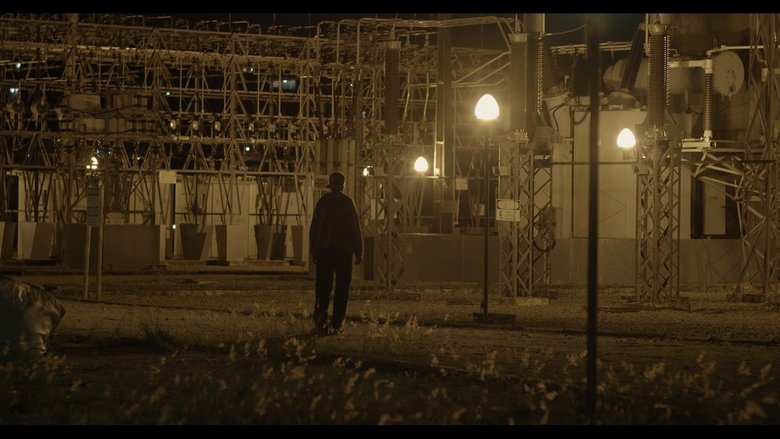
One night seven years ago, Rafael came home after work and discovered that people he did not know had come looking for him. He immediately fled, without looking back. From that moment on, his life changed, as if that night had never ended. One evening, around an improvised fire near a factory, he decides to confide his journey to a stranger. Rafael’s intimate account meets the collective testimony of an entire nation oppressed by poverty, police repression and institutional corruption.

Spanish actress Charo López finds it hard to talk about herself; but she only needs to start reminiscing to discover that her life has been truly exceptional. The story of a legendary actress told by herself.

Due to the increasing privatization of basic public services in Spain, companies such as BB Serveis are accused of misappropriating several million euros of public money intended to finance care for the elderly and other dependent persons.
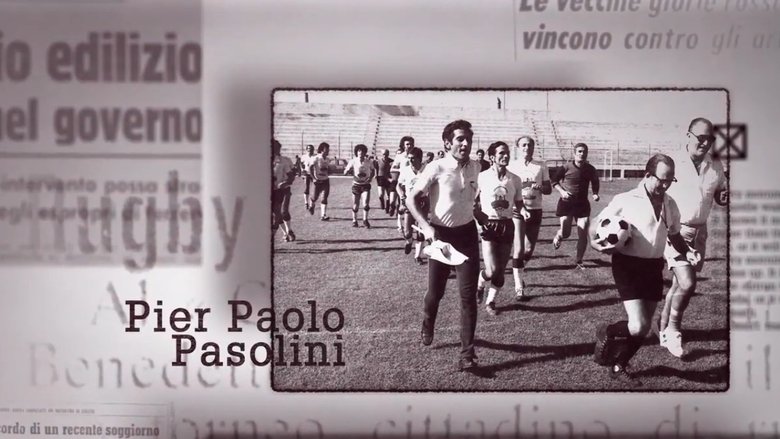
On September 14, 1975, Pier Paolo Pasolini played his last game of football, before his death, in San Benedetto del Tronto. “The last match of Pasolini” starts from a pretext of a football game, to tell a historical period that was fundamental for the whole of Italy, with its contradictions and tragedies, through an apparently playful vision of Pasolini, but that allows us to understand better the importance of the Italian poet and director.
Handbook of Movie Theaters’ History is a documentary about the history, the development in the present days and the future of movie theaters in the city of Turin, Italy. It mixes the documentary language with comedy and fiction, and is enriched by interviews to some of the most important voices of Turin cinematography. The film follows the evolution of movie theaters by enlightening its main milestones: the pre-cinema experiences in the late 19th Century, the colossals and the movie cathedrals of the silent era, the arthouse theaters, the National Museum of Cinema, the Torino Film Festival, the movie theaters system today and the main hypothesis about its future.

Originally founded as Freedman’s Town after the Civil War, The Fourth Ward is one of the oldest and most culturally significant black communities in Houston, Texas. In the 1970s, the city along with big business interests planned to redevelop the Fourth Ward in order to revitalize the dilapidated real estate and freshen the image of downtown Houston. The price of progress in this case would be the removal of many poor black families. The film explores a complex series of encounters with elected city officials, businessmen and the people of Fourth Ward in order to better understand how a city like Houston works. Who makes the decisions about where resources are spent and so determines the growth and wealth of the community.

A behind-the-scenes account that explores the film's production in detail, including intriguing footage from the lengthy rehearsal process. Appropriately enough, the documentary opens with Aronofsky and others explaining why the film can't be described.
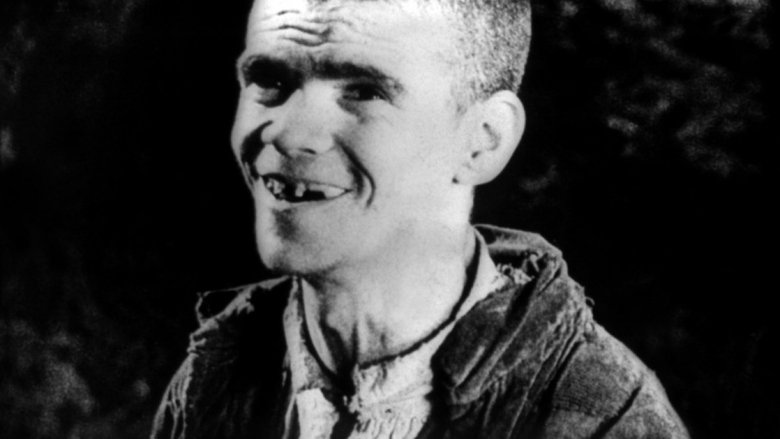
An exploration —manipulated and staged— of life in Las Hurdes, in the province of Cáceres, in Extremadura, Spain, as it was in 1932. Insalubrity, misery and lack of opportunities provoke the emigration of young people and the solitude of those who remain in the desolation of one of the poorest and least developed Spanish regions at that time.
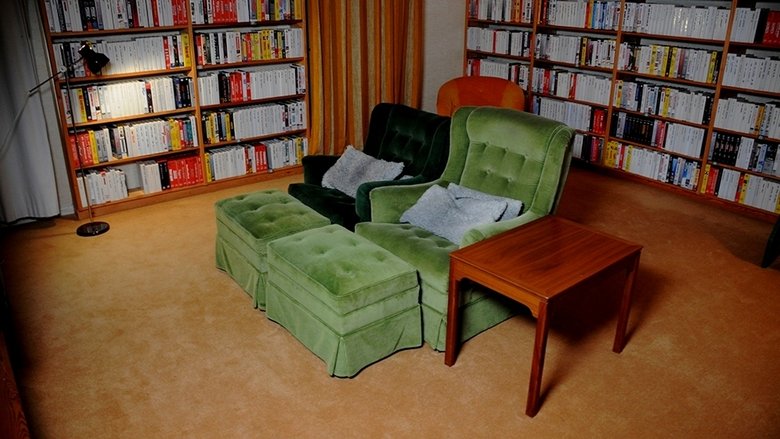
In the sixties, Swedish filmmaker Ingmar Bergman (1918-2007) built a house on the remote island of Fårö, located in the Baltic Sea, and left Stockholm to live there. When he died, the house was preserved. A group of very special film buffs, came from all over the world, travel to Fårö in search of the genius and his legacy. (An abridged version of Bergman's Video, 2012.)
Arguing that advertising not only sells things, but also ideas about the world, media scholar Sut Jhally offers a blistering analysis of commercial culture's inability to let go of reactionary gender representations. Jhally's starting point is the breakthrough work of the late sociologist Erving Goffman, whose 1959 book The Presentation of the Self in Everyday Life prefigured the growing field of performance studies. Jhally applies Goffman's analysis of the body in print advertising to hundreds of print ads today, uncovering an astonishing pattern of regressive and destructive gender codes. By looking beyond advertising as a medium that simply sells products, and beyond analyses of gender that tend to focus on either biology or objectification, The Codes of Gender offers important insights into the social construction of masculinity and femininity, the relationship between gender and power, and the everyday performance of cultural norms.
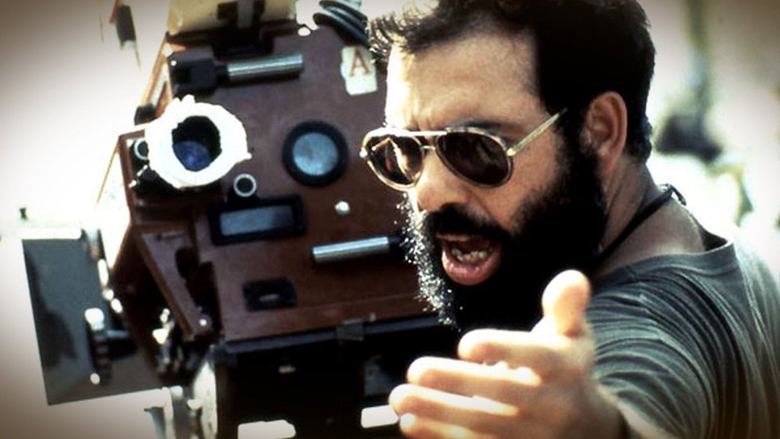
A chronicle of the production problems — including bad weather, actors' health, war near the filming locations, and more — which plagued the filming of Apocalypse Now, increasing costs and nearly destroying the life and career of Francis Ford Coppola.
A detailed history of documentary filmmaking in the US and the UK from 1929 to 1945. The first part, Working for Change, focuses on 1929-1941 and the social movements of the times, The Great Depression, The New Deal, and the awakening of the Leftwing in the UK. The second part, The Strategy of Truth, focuses on 1933-1946 and explores the role of film as propaganda during World War II, and the different forms it took in the US, the UK, and Germany.

How did Marilyn Monroe become one of the greatest sex symbols of all time? What drove a prudish little Californian girl, who was not especially pretty nor exceptionally talented, to become this incredibly striking platinum blonde superstar? How did she become the icon capable of balancing innocence with raw sensuality, whilst continuing to captivate the masses to this day? How did she achieve this? And what price did she pay?
A behind-the-scenes look at the creative process behind Juzo Itami's "Minbo no Onna" a.k.a. "Minbo: the Gentle Art of Japanese Extortion".
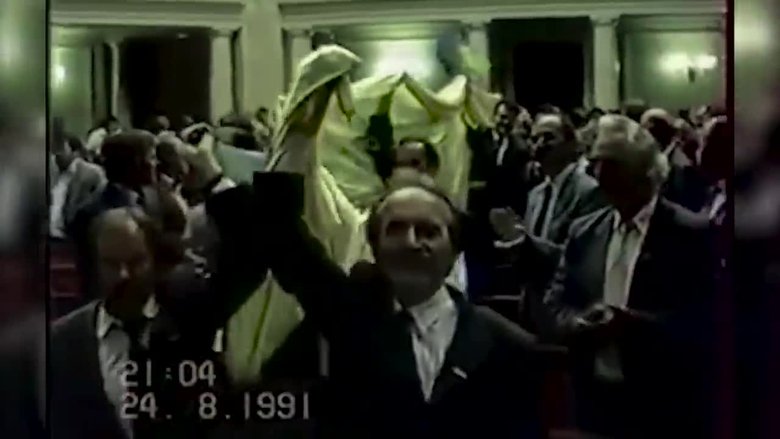
A film about the collective psychological traumas of Ukrainians.