
Me & Bruce & Art (1967)
Bay Area filmmakers and Canyon Cinema co-founders Ben Van Meter and Bruce Conner were invited to L.A. to talk about Underground Film on the Art Linkletter Show.
Bay Area filmmakers and Canyon Cinema co-founders Ben Van Meter and Bruce Conner were invited to L.A. to talk about Underground Film on the Art Linkletter Show.
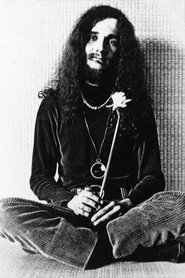 Ben Van MeterHimself (voice)
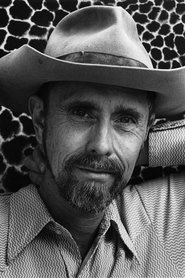 Bruce ConnerHimself
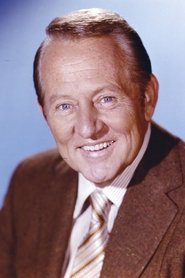 Art LinkletterHimself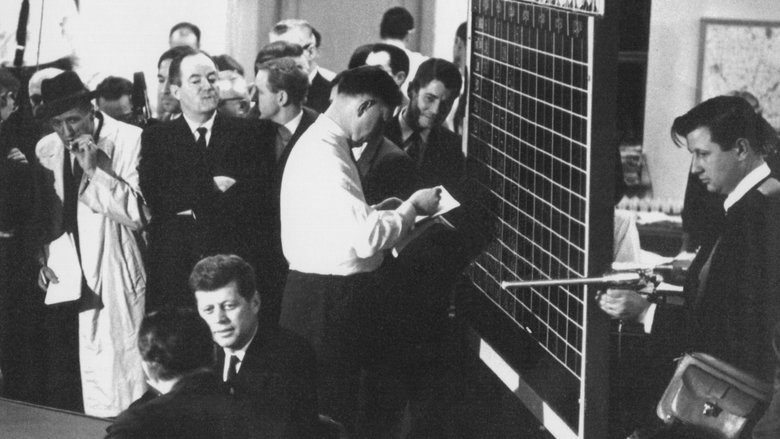
Primary is a documentary film about the primary elections between John F. Kennedy and Hubert Humphrey in 1960. Primary is the first documentary to use light equipment in order to follow their subjects in a more intimate filmmaking style. This unconventional way of filming created a new look for documentary films where the camera’s lens was right in the middle of what ever drama was occurring. Preserved by the Academy Film Archive in partnership with The Film Foundation in 1998.
This fascinating making-of documentary investigates the controversy and political atmosphere surrounding the production of Salt of the Earth, movingly chronicling the filmmakers' defiance of the blacklist. (BAM) Preserved by the Academy Film Archive in 2015.
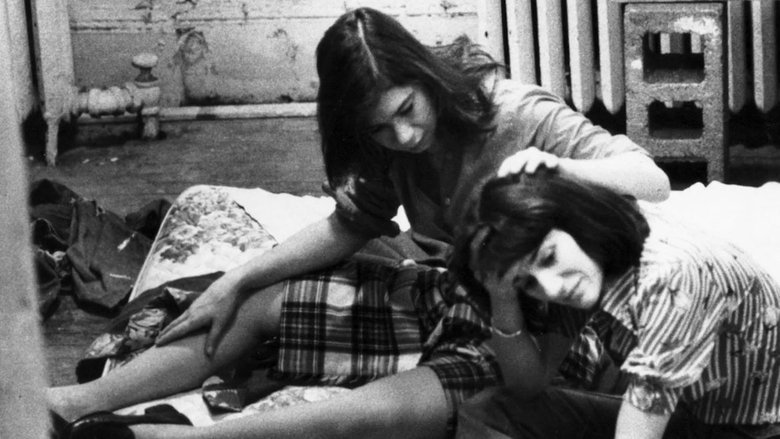
Mixing narrative and documentary, the film retells a 16 year old girl's experience of a date rape.
Albert and David Maysles (Gimme Shelter) directed this 53-minute documentary about movie tycoon Joseph E. Levine (1963). Preserved by the Academy Film Archive in 2012.
A lyrical recreation of Lightnin’ Hopkins’ decision at age eight to stop chopping cotton and start singing for a living. Preserved by the Academy Film Archive in 2013.
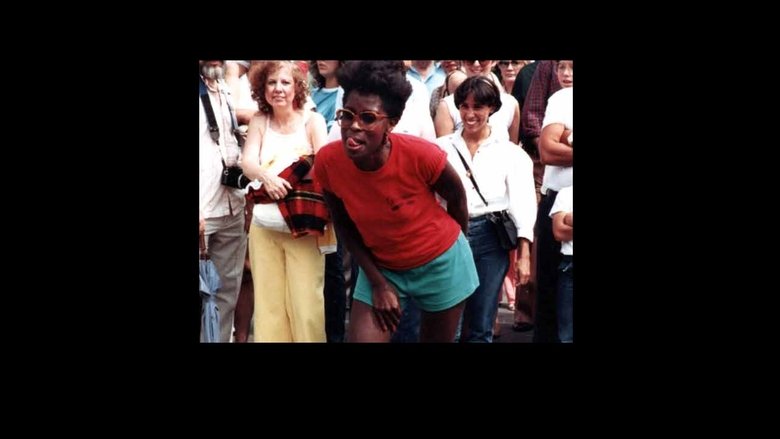
A documentary about four African-American comediennes set in 1984. Restored in 2021 by the Academy Film Archive.
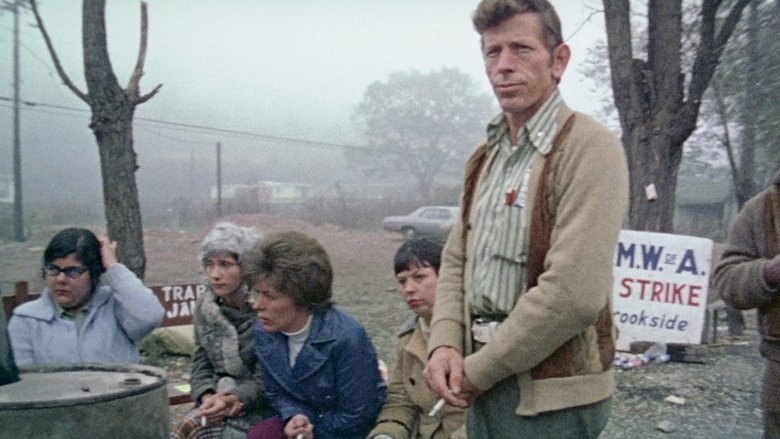
This film documents the coal miners' strike against the Brookside Mine of the Eastover Mining Company in Harlan County, Kentucky in June, 1973. Eastover's refusal to sign a contract (when the miners joined with the United Mine Workers of America) led to the strike, which lasted more than a year and included violent battles between gun-toting company thugs/scabs and the picketing miners and their supportive women-folk. Director Barbara Kopple puts the strike into perspective by giving us some background on the historical plight of the miners and some history of the UMWA. Preserved by the Academy Film Archive in partnership with New York Women in Film & Television in 2004.
A direct-cinema portrait of Indianapolis 500 driver Eddie Sachs, filmed before, during, and after the 1960 race as he competes from pole position. Using pioneering mobile camera and sound techniques, the film captures the psychological intensity of racing and the personal cost of high-speed competition.
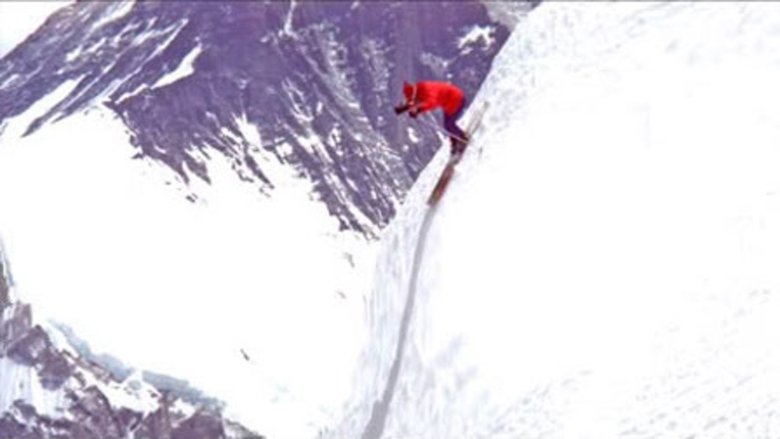
This Oscar-winning documentary tells the story behind Japanese daredevil Yuichiro Miura's 1970 effort to ski down the world's tallest mountain.
This short focuses on the job of the costume designer in the production of motion pictures. The costume designer must design clothing that is correct for the film historically and geographically, and must be appropriate for the mood of the individual scene. We see famed costume designer Edith Head at work on a production. The Costume Designer was part of The Industry Film Project, a twelve-part series produced by the film studios and the Academy. Each series episode was produced to inform the public on a specific facet of the motion picture industry. Preserved by the Academy Film Archive in 2012.
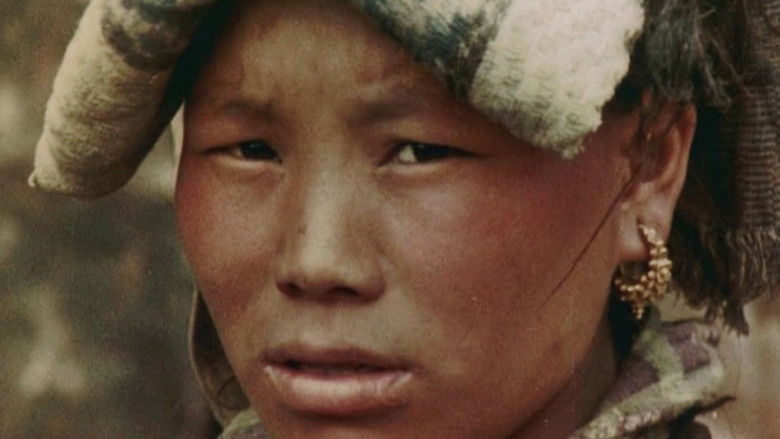
Satyajit Ray's poetic documentary was commissioned by the Chogyal (King) of Sikkim at a time when he felt the sovereignty of Sikkim was under threat from both China and India. Ray's documentary is about the sovereignty of Sikkim. The film was banned by the government of India when Sikkim merged with India in 1975. The ban was finally lifted by the Ministry of External Affairs in September 2010. Preserved by the Academy Film Archive in 2007.
Follows a crusading lawyer as he embarks on a campaign to save an African-American man, Paul Crump, from the electric chair. Preserved by the Academy Film Archive in partnership with The Film Foundation in 2007.
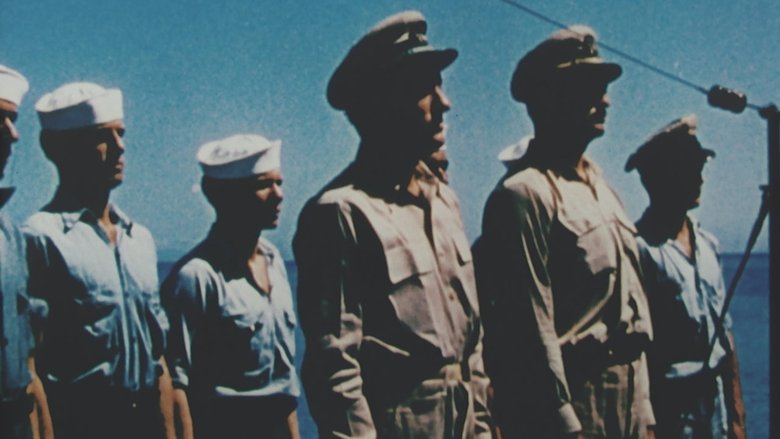
The Japanese attack on Midway in June 1942, filmed as it happened. Preserved by the Academy Film Archive, in partnership with Twentieth Century Fox Film Corporation, in 2006.
A film's art director is in charge of the set, from conception to construction to furnishing. This short film walks the viewer through art directors' responsibilities and the demands on their talents. They read a script carefully and design a set to capture the time and place, the social strata, and the mood. They must be scholars of the history of architecture, furnishings, and fashion. They choose the colors on a set in anticipation of the lighting and the mood. Their work also sets styles, from Art Deco in the 20's to 30s modernism. Then it's on to the next project. Preserved by the Academy Film Archive in 2012.
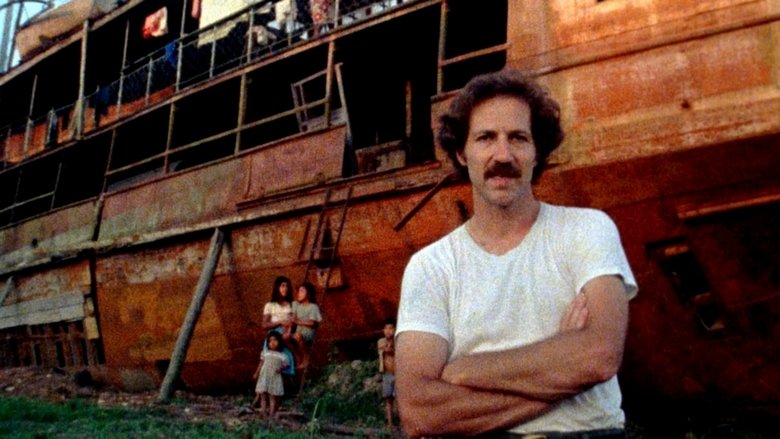
The Amazon rain forest, 1979. The crew of Fitzcarraldo (1982), a film directed by German director Werner Herzog, soon finds itself with problems related to casting, tribal struggles and accidents, among many other setbacks; but nothing compared to dragging a huge steamboat up a mountain, while Herzog embraces the path of a certain madness to make his vision come true.
A description and enactment of the discovery of gold by James Marshall, and the role played by John Sutter. Preserved by the Academy Film Archive.
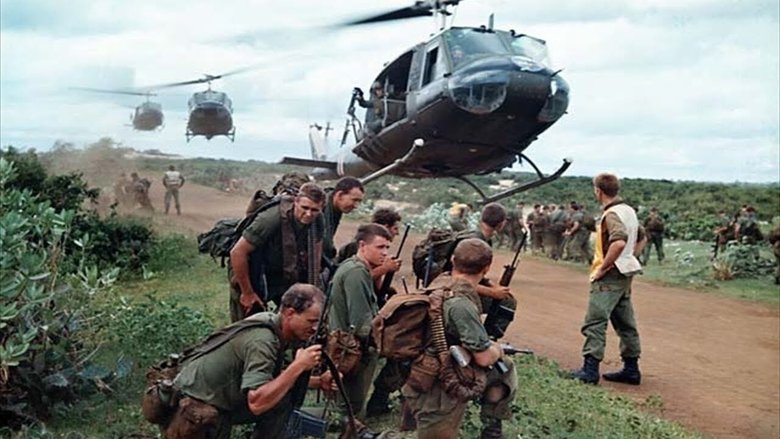
Many times during his presidency, Lyndon B. Johnson said that ultimate victory in the Vietnam War depended upon the U.S. military winning the "hearts and minds" of the Vietnamese people. Filmmaker Peter Davis uses Johnson's phrase in an ironic context in this anti-war documentary, filmed and released while the Vietnam War was still under way, juxtaposing interviews with military figures like U.S. Army Chief of Staff William C. Westmoreland with shocking scenes of violence and brutality.
A documentary on the Wilmington 10, 9 afro-Americans and 1 white woman who were unjustly imprisoned. 4K digital restoration by the Academy Film Archive released in 2021.
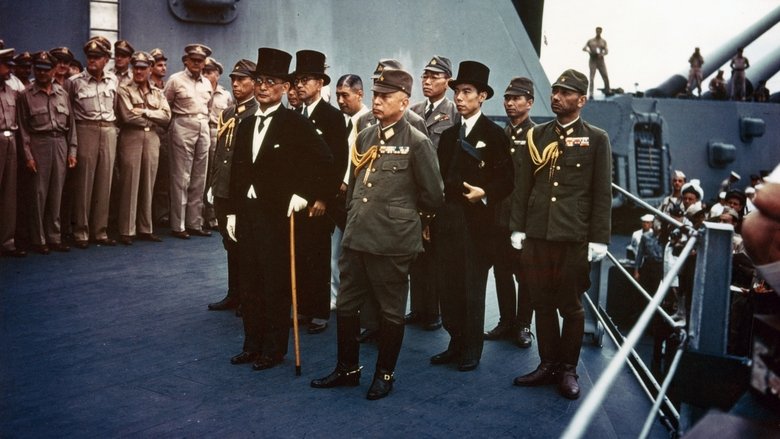
Produced by the Army Pictorial Service, Signal Corps, with the cooperation of the Army Air Forces and the United States Navy, and released by Warner Bros. for the War Activities Committee shortly after the surrender of Japan. Follow General Douglas MacArthur and his men from their exile from the Philippines in early 1942, through the signing of the instrument of surrender on the USS Missouri on September 1, 1945. Preserved by the Academy Film Archive in 2013.
The Town was a short propaganda film produced by the Office of War Information in 1945. It presents an idealized vision of American life, shown in microcosm by Madison, Indiana. It was created primarily for exhibition abroad, to provide international audiences a more well-rounded view of America, and was therefore produced in more than 20 translations. Preserved by the Academy Film Archive in 2012.