
Sunseed (1973)
This documentary explores the growing American interest in the 1970s in Eastern religions and philosophy. The teachings and lifestyles of ten spiritual teachers and their followers are presented without voice-over narration.
This documentary explores the growing American interest in the 1970s in Eastern religions and philosophy. The teachings and lifestyles of ten spiritual teachers and their followers are presented without voice-over narration.
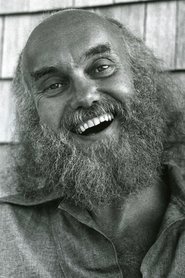 Ram Dass
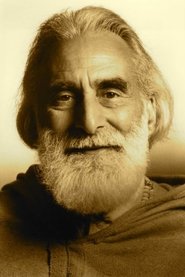 Vilayat Inayat KhanYogi BhajanSwami Muktananda
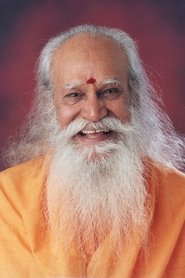 Swami SatchidanandaSant Kirpal Singh
Scott Mills travels to Uganda where the death penalty could soon be introduced for being gay. The gay Radio 1 DJ finds out what it's like to live in a society which persecutes people like him and meets those who are leading the hate campaign.
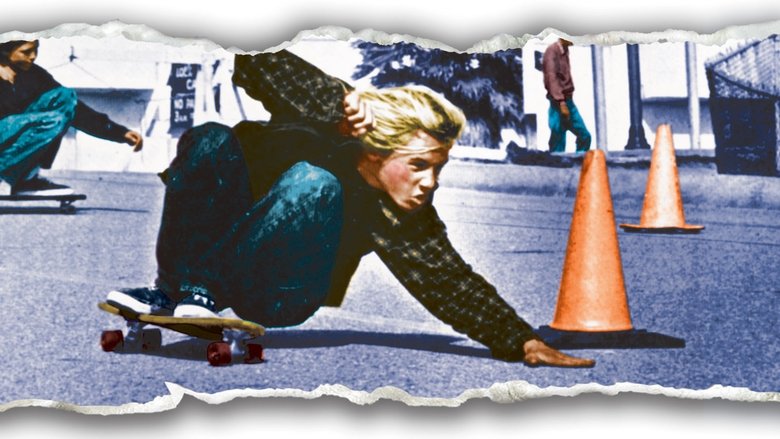
This award-winning, thrilling story is about a group of discarded kids who revolutionized skateboarding and shaped the attitude and culture of modern day extreme sports. Featuring old skool skating footage, exclusive interviews and a blistering rock soundtrack, DOGTOWN AND Z-BOYS captures the rise of the Zephyr skateboarding team from Venice's Dogtown, a tough "locals only" beach with a legacy of outlaw surfing.
The fourth generation in his family to be born intersex, Jewish Rabbi Levi was assigned the female gender at birth and grew up thinking he was sick and defective. "In the Image of God" tells the story of his struggles and transitions, culminating today in a life as a religious leader and an LGBTQI+ activist living happily in Los Angeles with his wife.
Richard Feynman was a scientific genius with - in his words - a "limited intelligence". This dichotomy is just one of the characteristics that made him a fascinating subject. The Pleasure of Finding Things Out exposes us to many more of these intriguing attributes by featuring an extensive conversation with the acclaimed Nobel Prize winner. During the course of the interview, which was conducted in 1981, Feynman uses the undeniable power of the personal to convey otherwise challenging scientific theories. His colorful and lucid stories make abstract concepts tangible, and his warm presence is sure to inspire interest and awe from even the most reluctant student of science. His insights are profound, but his delivery is anything but dry and ostentatious.
Investigates the central ideas of Marshall McLuhan using pictorial techniques and including his own comments. Examines the reaction of others to his views and points out that his interest is the impact of electronic technology on the contemporary world.
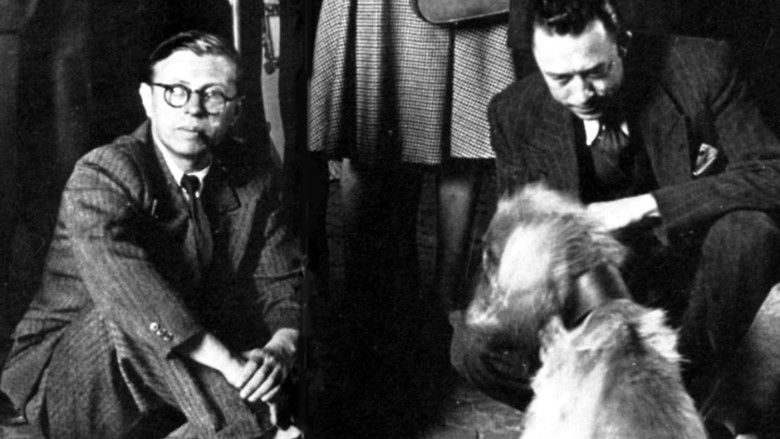
Sartre and Camus, the two most world-famous, 20th century, French writers, form a legendary and inseparable couple. The two extraordinary thinkers propelled the figure of the politically engaged writer into the limelight.
Documentary will explore how Kenny Gamble, Leon Huff and Thom Bell – together known as "The Mighty Three" – founded the record label Philadelphia International Records and helped craft a signature sound heard in a catalog of over 3,500 songs.

Fela Anikulapo Kuti created the musical movement Afrobeat and used it as a political forum to oppose the Nigerian dictatorship and advocate for the rights of oppressed people. This is the story of his life, music, and political importance.
An hour long interview with Slovenian philosopher Slavoj Žižek made by Russia Today for his 70th birthday. In this documentary Žižek answers questions from the public in regards to politics and ideology, gender and sex, philosophy and psychoanalysis, hardcore pornography and sexual liberation in the West, in his usual style of polemics and comedy.
The Way of the Heart is the story of a spiritual master who brought the wisdom of Sufism to the West in 1910. Today the message of love, harmony, and beauty that Hazrat Inayat Khan gave to a troubled world is more urgently needed than ever. Award-winning filmmaker Mischa Scorer weaves a tapestry of music, sound, and compelling images together with the testimony of many contemporary Western Sufis to evoke the magical atmosphere of a consummate mystic.
The James Brown Story
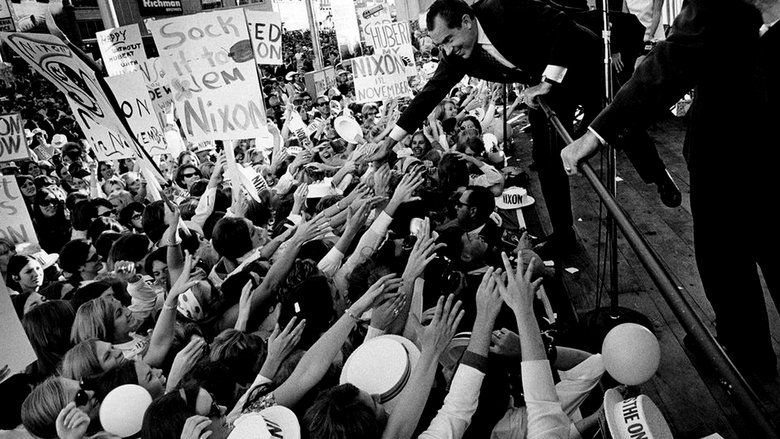
A retrospective on the great election battles of the past in the United States: the Kennedy-Nixon debate in 1960, the first ever to be televised; the Republican campaign of 1972, which proved to be the starting point for the Watergate scandal; and the electoral strategy of Barack Obama in 2008, the first election to fully exploit the potential of the Internet.
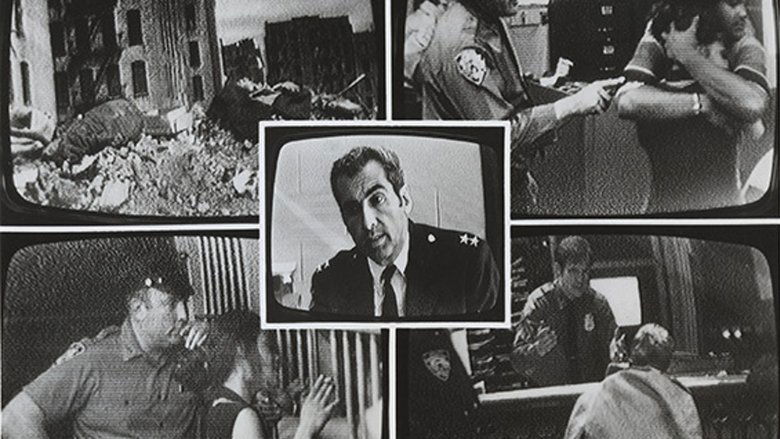
Filmmakers Alan and Susan Raymond spent three months in 1976 riding along with patrol officers in the 44th Precinct of the South Bronx, which had the highest crime rate in New York City at that time.
Explores the influence of propaganda on religion during Hitler's reign as well as his representation as the new Messiah.
King of the Jews is a film about anti-Semitism and transcendence. Utilizing Hollywood movies, 1950's educational films, personal home movies and religious films, the filmmaker depicts his childhood fear of Jesus Christ. These childhood recollections are a point of departure for larger issues such as the roots of Christian anti-Semitism.
Documentary about three men from Kentucky who claim to have discovered an Old Testament relic for 69-cents at a Madison, Tennessee Goodwill superstore. The men believe that they have found the mysterious Urim and Thummim in the form of a stone cup that allows its users to communicate with God and see visions.

A 16 year old girl recalls the last moments of her summer vacation, spent with friends in the Laurentians north of Montreal. She reminisces about their talks on life, death, love, and God. Shot in direct cinema style, working from a script that left room for the teenagers to improvise and express their own thoughts, the film sought to capture the immediacy of the youths presence their bodies, their language, their environment.
A documentary based on the book Umbanda no Brasil by the scholar Mata e Silva, who is interviewed by the director. The book studies the Brazilian religion known as spiritism, a syncretism of African beliefs and magical rites, Indian beliefs and images, and Catholic symbols.
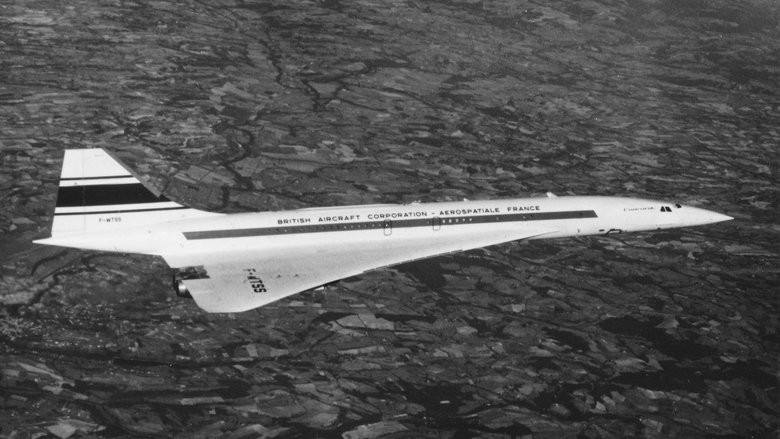
Fifty years ago, on Sunday, 2 March 1969, Concorde flew for the first time. Starting from this inaugural flight, the film goes back in time to the origin of the conception of Concorde.
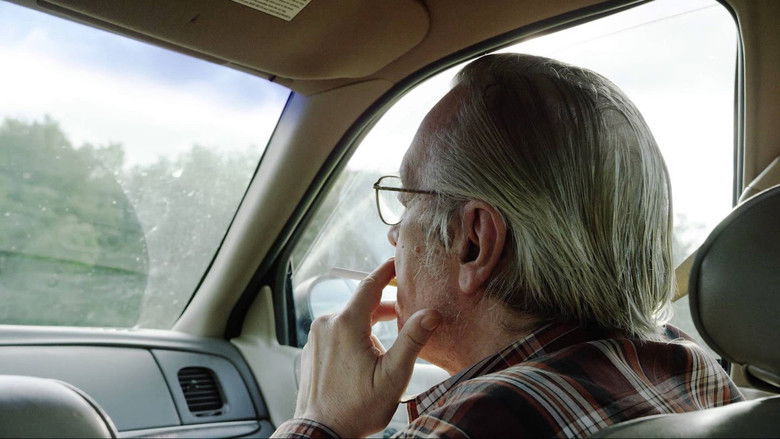
Brazilian philosopher Olavo de Carvalho's thinking, presented through his presence, his daily work routine and his family life in Virginia (USA).