
Similar to Les fils de la terre
Holstein (1978)
A portrait of a small Ontario town, this film introduces its audience to the people of Holstein by filming them in the old-fashioned general store, the blacksmith's shop and the town granary. Old-time residents reminisce, while old-fashioned sleighs travel down the main road bordered by beautiful old frame houses.
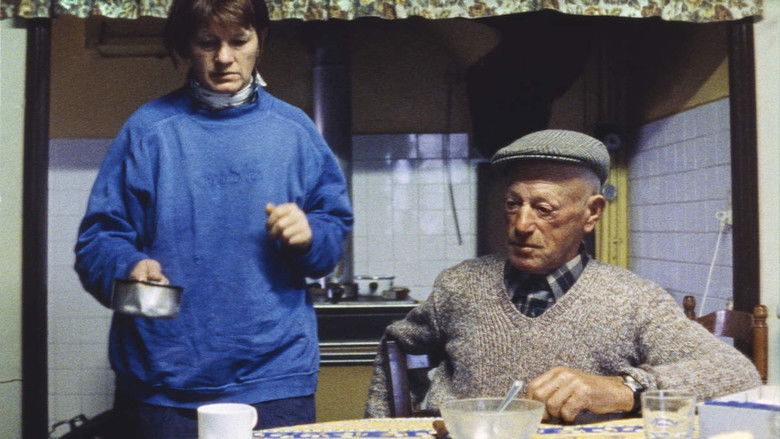
Profils paysans : l'approche (2001)
The first of a documentary serie about rural France.
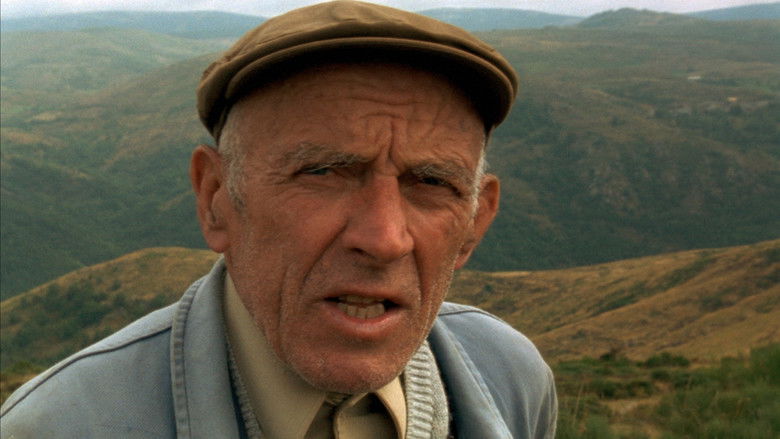
Profils paysans : le quotidien (2005)
Second documentary of a trilogy produced on the long term (together with Profils paysans: l'approche (2001) and Profils paysans: La vie moderne (2008)), showing the simple lives of farmers in contemporary Southern France.
Documenti su Giuseppe Pinelli (1970)
The film examines the death of the anarchist Giuseppe Pinelli, who fell from the fourth floor of the police headquarters in Milan December 15, 1969, after being stopped following the Piazza Fontana bombing.
$avvy (2021)
$avy investigates the historical, cultural, and societal norms around women and money.

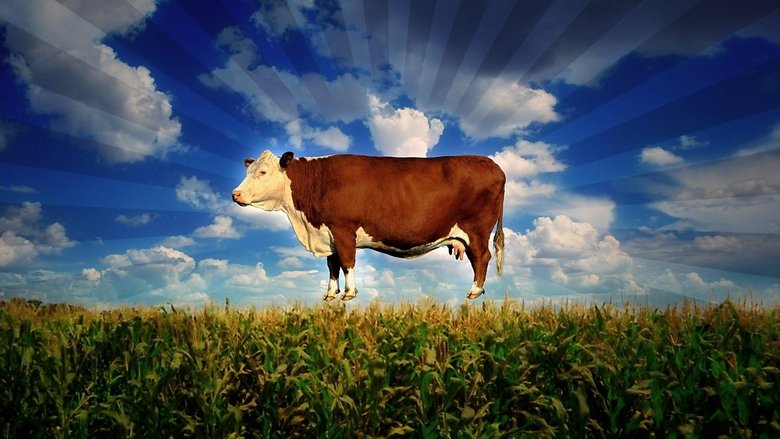
Food, Inc. (2008)
Documentary filmmaker Robert Kenner examines how mammoth corporations have taken over all aspects of the food chain in the United States, from the farms where our food is grown to the chain restaurants and supermarkets where it's sold. Narrated by author and activist Eric Schlosser, the film features interviews with average Americans about their dietary habits, commentary from food experts like Michael Pollan and unsettling footage shot inside large-scale animal processing plants.
In Excess: The Death of Michael Hutchence (1999)
Documentary from the UK's Channel 4 investigating the death of INXS lead vocalist Michael Hutchence, which exclusively revealed information presented to the coroner in a police report which had not been made public at the official hearing - and explores the rumor which suggested that Hutchence died accidentally while engaged in a bizarre sex act. The documentary also features his last partner Paula Yates speaking on British television for the first time about what she believed led to the death of her lover. She talks candidly about their sex life, his passion for adventure and how the birth of their daughter turned the rock and roll wild man into a devoted father. Yates was not satisfied with the coroner's verdict and felt strongly that further investigation into the events of that night were crucial to both her and her daughter's future well-being.
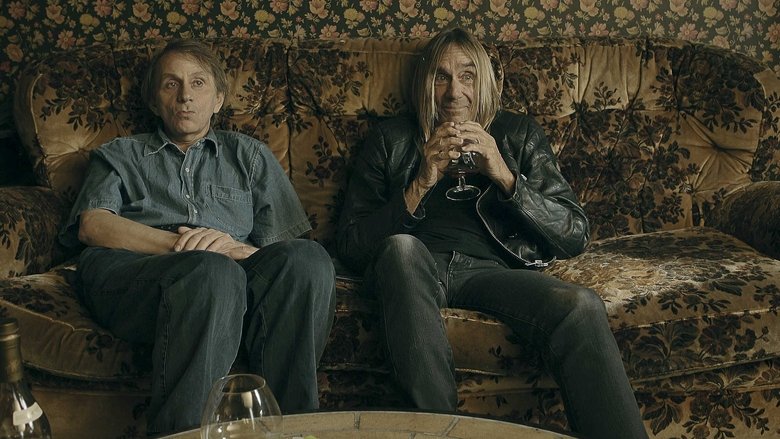
To Stay Alive: A Method (2016)
Iggy Pop reads and recites Michel Houellebecq’s manifesto. The documentary features real people from Houellebecq’s life with the text based on their life stories.
West of England (1951)
The people, the scenery and the industrial traditions of the Stroud valley and the growth of the woollen industry.
Debt (2004)
DEBT is the story of a frantic pursuit: the search for the responsible for the televised cry of hunger of Barbara Flores, an eight-year-old Argentinean girl. Buenos Aires, Washington, the IMF, the World Bank and Davos; corruption and the international bureaucratic lack of interest.

After Death (2023)
Based on real near-death experiences, the afterlife is explored with the guidance of New York Times bestselling authors, medical experts, scientists and survivors who shed a light on what awaits us.
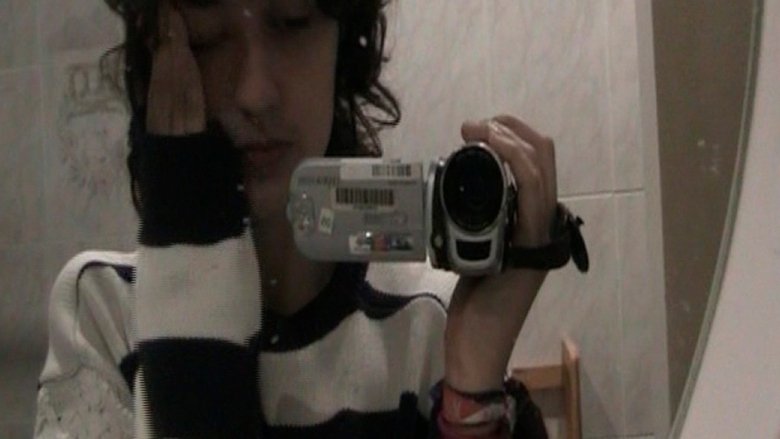
The Thinnest Line (2022)
A fist-person story of the director of the documentary, who talks about the loneliness that entails living with an eating disorder and her vision now thar she is entering into adulthood.
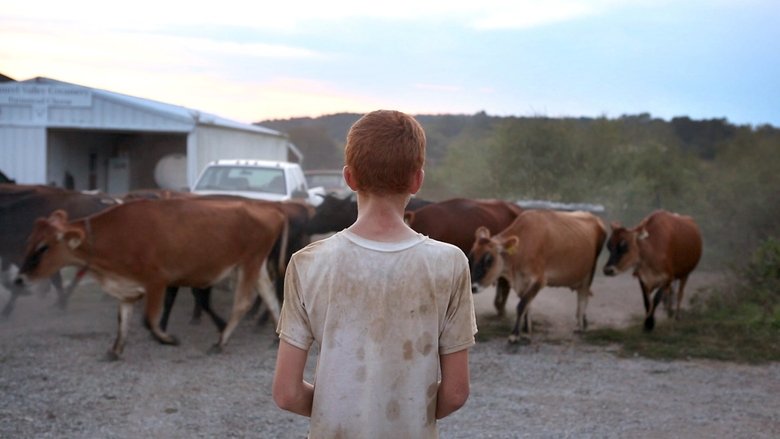
Farmsteaders (2018)
Clear-eyed and intimate, Farmsteaders follows Nick Nolan and his young family on a journey to resurrect his late grandfather’s dairy farm as agriculture moves toward large-scale farming. A study of place and persistence, Farmsteaders points an honest and tender lens at everyday life in rural America, offering an unexpected voice for a forsaken people: those who grow the food that sustains us.
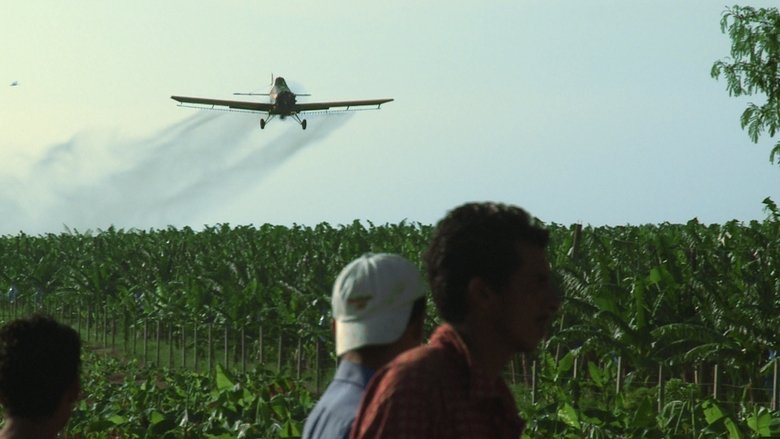
Bananas!* (2009)
Juan “Accidentes” Dominguez is on his biggest case ever. On behalf of twelve Nicaraguan banana workers he is tackling Dole Food in a ground-breaking legal battle for their use of a banned pesticide that was known by the company to cause sterility. Can he beat the giant, or will the corporation get away with it?
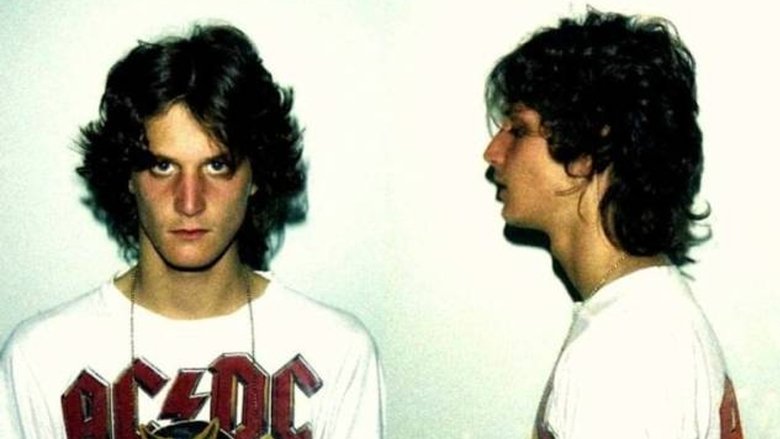
Satan in the Suburbs (2000)
Satan in the Suburbs tells the shocking story of a grisly ritualistic murder in the quiet bedroom community of Northport, Long Island in the summer of 1984. The killing, it soon emerged, was linked to a teen satanic cult. Perhaps more disturbing than the details of the murder itself was the revelation of a conspiracy of silence among the town's teenagers, many of whom had been aware of the, e killing in the two weeks before an anonymous call finally tipped off local police. 17- year-old Ricky Kasso was arrested and confessed to the crime; five days later, he hung himself in his holding cell. Kasso's friend Jimmy Troiano also. confessed, but was acquitted after jurors learned that he was beaten by local police. The murder shocked the local community and reverberated nationally, with some uninformed observers rushing to scapegoat rock music as the cause.
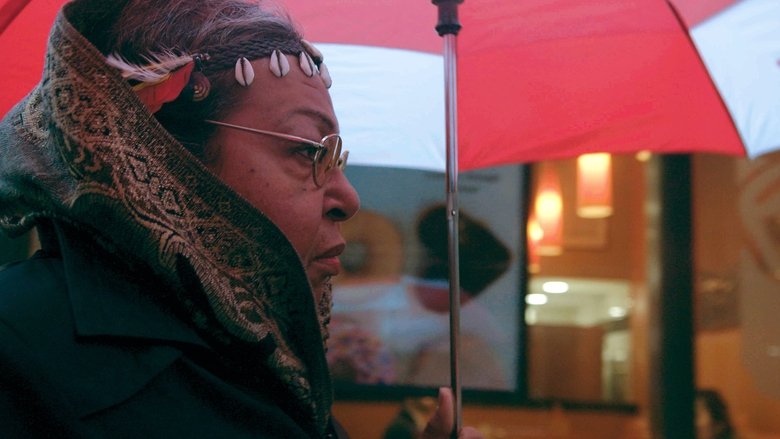
The Death and Life of Marsha P. Johnson (2017)
Describing herself as a 'street queen,' Johnson was a legendary fixture in New York City’s gay ghetto and a tireless voice for LGBT pride since the days of Stonewall, who along with fellow trans icon Sylvia Rivera, founded Street Transvestites Action Revolutionaries (S.T.A.R.), a trans activist group based in the heart of NYC’s Greenwich Village. Her death in 1992 was declared a suicide by the NYPD, but friends never accepted that version of events. Structured as a whodunit, with activist Victoria Cruz cast as detective and audience surrogate, The Death and Life of Marsha P. Johnson celebrates the lasting political legacy of Johnson, while seeking to finally solve the mystery of her unexplained death.
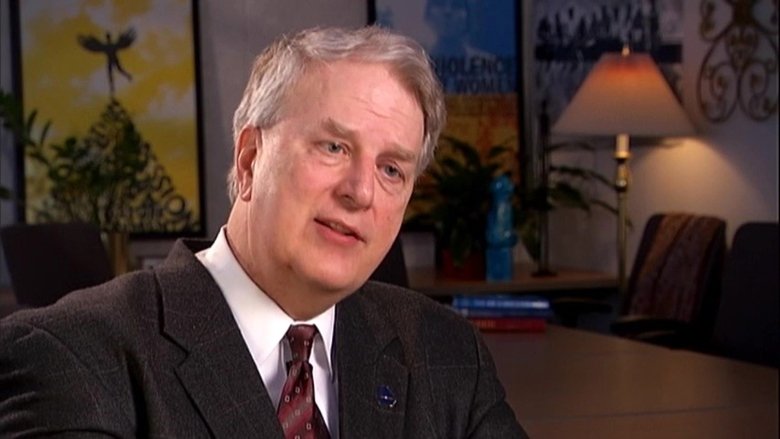
In Debt We Trust: America Before the Bubble Bursts (2007)
Emmy-winning journalist Danny Schechter investigates America's mounting debt crisis in this latest hard-hitting expose. The film reveals the unknown cabal of credit card companies, lobbyists, media conglomerates and the Bush administration itself who have colluded to deregulate the lending industry, ensuring that a culture of credit dependency can flourish. Schechter exposes the hidden financial and political complex that allows the lowest wage earners to indebt themselves so heavily that even house repossessions are commonplace.