
Subsolo (2013)
Sonia Guggisberg presents the documentary Subsolo, about the work interrupted in the 1970s below Avenida Paulista.
Sonia Guggisberg presents the documentary Subsolo, about the work interrupted in the 1970s below Avenida Paulista.
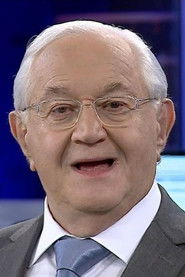 Boris CasoyHimself
 Celso FrancoHimselfJulio Cesar AraujoHimselfMino CartaHimself
A history of Bucharest, as seen in the light of the totalitarian architecture, having as leading idea the reality that the Power always exposes its purposes through architecture. After five decades of communism, the reality on thee Dark Ages is still waiting to be revealed, and architecture is one of the most obvious embodiments of the ideology to whom it was builtÉ It is not a movie about faults or about guilty peoples, but about official edifices of thee communist Romania and their story.
The construction of the Obelisco in Buenos Aires, Argentina.

A documentary focusing on the rebuilding projects in Berlin after the fall of the Berlin Wall.
Vladimir 518, uncompromising rapper, artist, stage designer and activist, is a rare phenomenon, who not only writes books, but publishes them as well. Today also a respected authority primarily on pre-1989 architecture, he has written not only a major publication on the subject, but also the story for two audiovisual works treating the same theme, which were shot by Jan Zajíček, renowned director of music videos. In addition to the recent TV series we have the eagerly anticipated feature-length film which, through its fascinating and impressive exploration of Czech and Slovak architecture of the latter half of the 20th century, offers exclusive insight into extraordinary buildings and unique individuals living below the Tatra Mountains. Karel Och (kviff.com)
An intimate portrait of Christopher Alexander, a critic of modern architecture on a lifelong quest to build harmonious, livable places in today’s world. The film tells the story of two projects – a spectacular high school in Japan and an innovative homeless shelter in California. For Alexander, feelings come first, users are deeply engaged and process is paramount. We discover what happens when an architect’s unconventional method collides with standard practices in his profession.
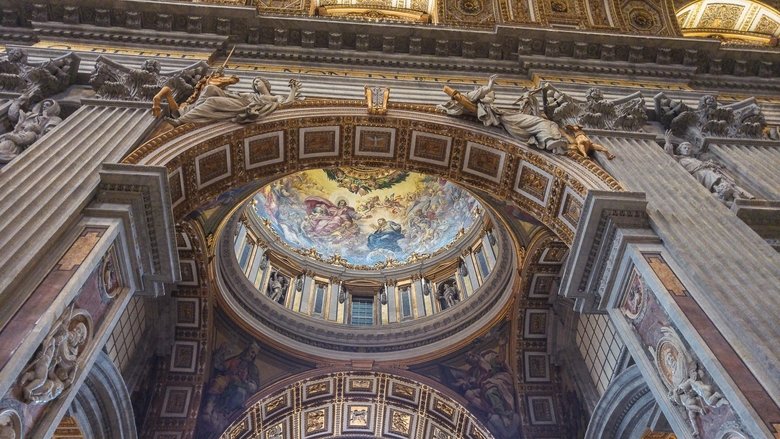
What started as a simple tomb became over a 2,000 years history the universal seat of Christendom and is today one of the most visited museum in the world with invaluable collections of Arts, Manuscripts, Maps. Using spectacular 3D modelisation and CGI to give viewers as never before a true understanding of the history of this architectural masterpiece and its extensions, the film will also use animation to tell relevant historical events. This heritage site reveals new untold secrets with the help of historians deciphering the Vatican’s rich archives and manuscripts collection and following the restorations at work (newly discovered frescoes by Raphael) and recent excavations. A story where Religion, Politics, Arts and Science meet to assert religious authority and serve as a spiritual benchmark.
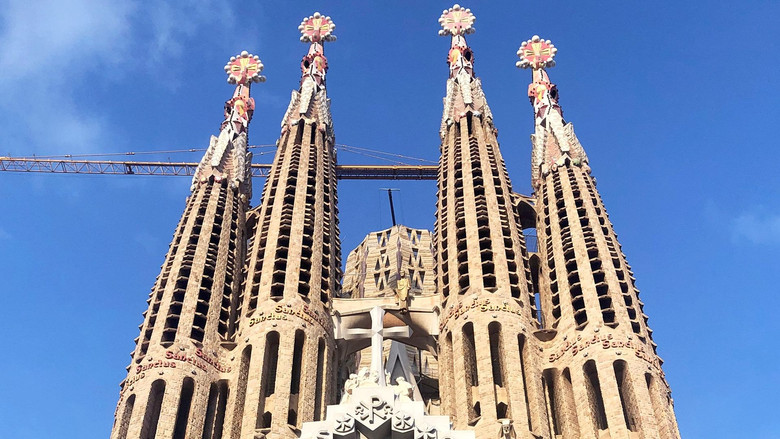
Combining real footage, archival footage, fiction and 3D modeling, this unseen documentary traces the history of this spectacular and unfinished work.
In the same vein as Meri's other documentations, this one takes advantage of the glasnost policy to discuss the social and ecologic impact of the Russian oil industry on the natives and the lands they inhabit.
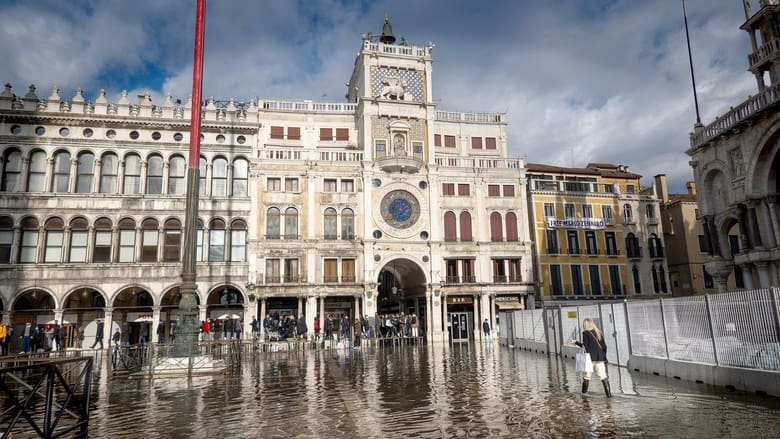
Rising sea levels and sinking land threaten to destroy Venice. Leading scientists and engineers battling the forces of nature to try to save this historic city for future generations. Discover the innovative projects and feats of engineering currently underway, including a hi-tech flood barrier, eco-projects to conserve the lagoon, and new efforts to investigate erosion beneath the city.
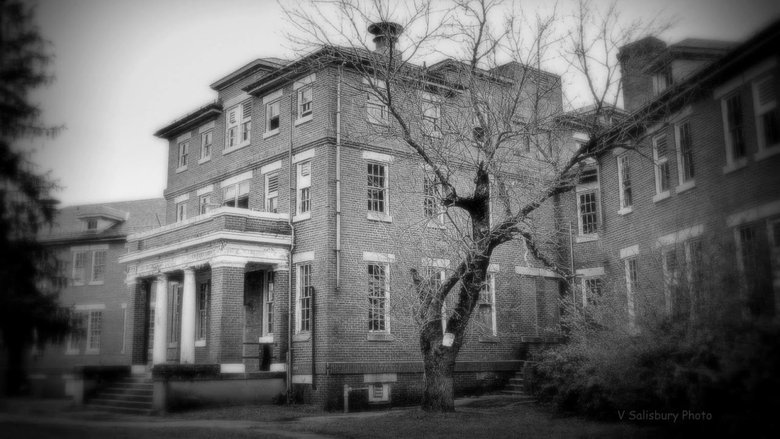
Crownsville Hospital: From Lunacy to Legacy is a feature-length documentary film highlighting the history of the Crownsville State Mental Hospital in Crownsville, MD.
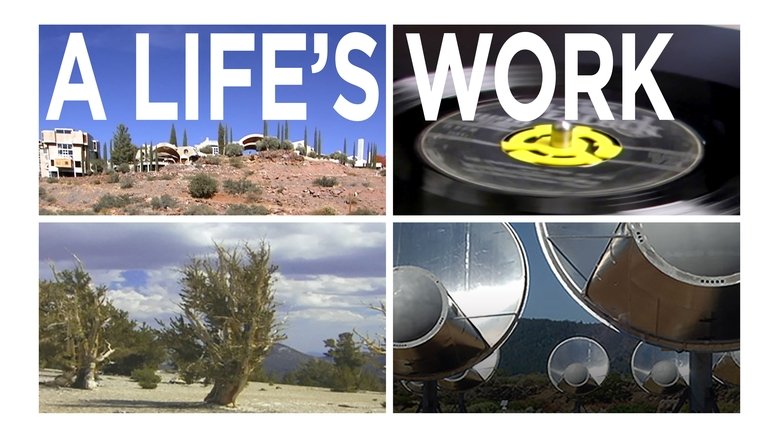
What’s it like to dedicate your life to work that won’t be completed in your lifetime? Fifteen years ago, filmmaker David Licata focused on four projects and the people behind them in an effort to answer this universal question.
World-renowned Drag Queen Miz Cracker helps a Texas family that’s experiencing strange occurrences after renovating their 1892 home. As a lover of the paranormal, can Miz Cracker solve their ghost problem and help them coexist peacefully with the spirits?
In 1967, de Andrade was invited by the Italian company Olivetti to produce a documentary on the new Brazilian capital city of Brasília. Constructed during the latter half of the 1950s and founded in 1960, the city was part of an effort to populate Brazil’s vast interior region and was to be the embodiment of democratic urban planning, free from the class divisions and inequalities that characterize so many metropolises. Unsurprisingly, Brasília, Contradições de uma Cidade Nova (Brasília, Contradictions of a New City, 1968) revealed Brasília to be utopic only for the wealthy, replicating the same social problems present in every Brazilian city. (Senses of Cinema)
This documentary follows 200 days in the life of contemporary artist Hiroshi Sugimoto— a leading presence in the world of modern art. He is the winner of many prestigious awards and his photographs are sold for millions of yen at overseas auctions. The film shows the sites of the Architecture series shot in southern France, the huge installation art work at 17th Biennale of Sydney, his new work Mathematics at Provence, his art studio while working on Lightning Fields, and more. It thoroughly pursues the question Sugimoto's works pose - "living in modern times, what are these works trying to tell us?" A thrilling look into the world of Hiroshi Sugimoto.
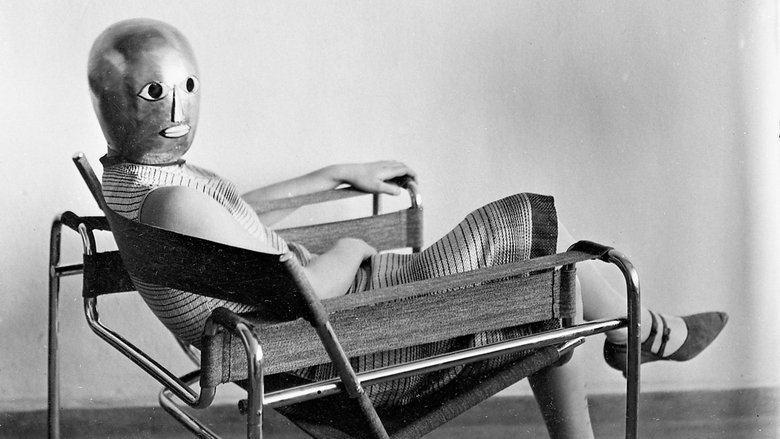
In 1919 an art school opened in Germany that would change the world forever. It was called the Bauhaus. A century later, its radical thinking still shapes our lives today. Bauhaus 100 is the story of Walter Gropius, architect and founder of the Bauhaus, and the teachers and students he gathered to form this influential school. Traumatised by his experiences during the Great War, and determined that technology should never again be used for destruction, Gropius decided to reinvent the way art and design were taught. At the Bauhaus, all the disciplines would come together to create the buildings of the future, and define a new way of living in the modern world.
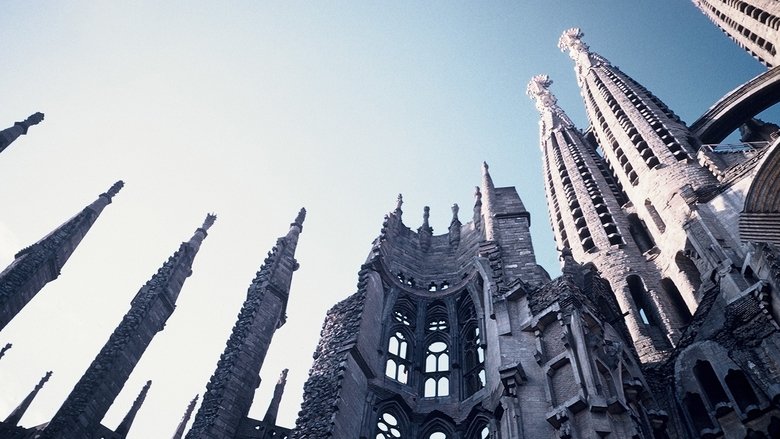
Catalan architect Antonio Gaudí (1852-1926) designed some of the world's most astonishing buildings, interiors, and parks; Japanese director Hiroshi Teshigahara constructed some of the most aesthetically audacious films ever made. With camera work as bold and sensual as the curves of his subject's organic structures, Teshigahara immortalizes Gaudí on film.
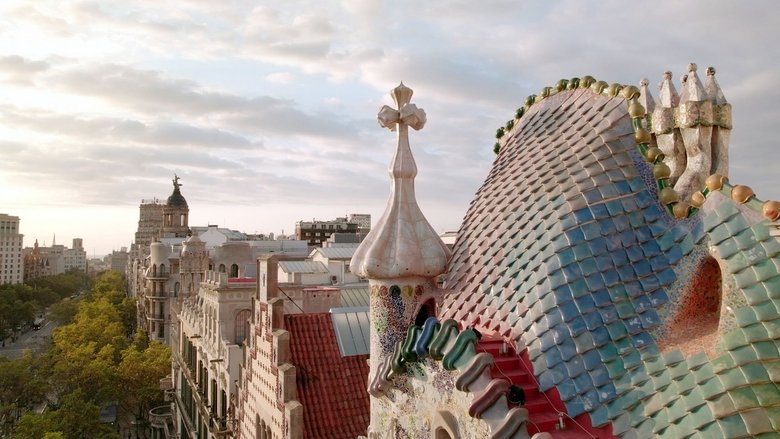
In Barcelona, the Casa Batlló alone sums up the genius of Antoni Gaudí. During the exhibition devoted to it by the Musée d'Orsay, we take a guided tour of this eccentric, colorful residence, completed in 1906.