
Mengele, the hunt for a Nazi criminal (2017)
He was one of the most notorious Nazi war criminals, infamous for his assassination attempts on twins. But at the end of World War II, he simply disappeared...
He was one of the most notorious Nazi war criminals, infamous for his assassination attempts on twins. But at the end of World War II, he simply disappeared...
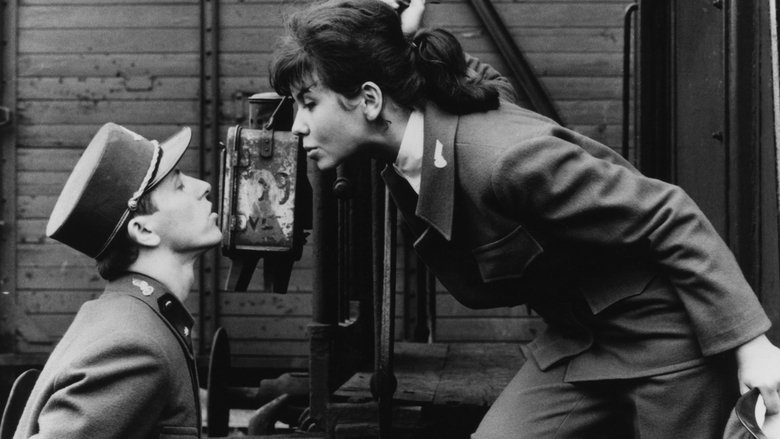
At a village railway station in occupied Czechoslovakia, a bumbling dispatcher’s apprentice longs to liberate himself from his virginity. Oblivious to the war and the resistance that surrounds him, this young man embarks on a journey of sexual awakening and self-discovery, encountering a universe of frustration, eroticism, and adventure within his sleepy backwater depot.
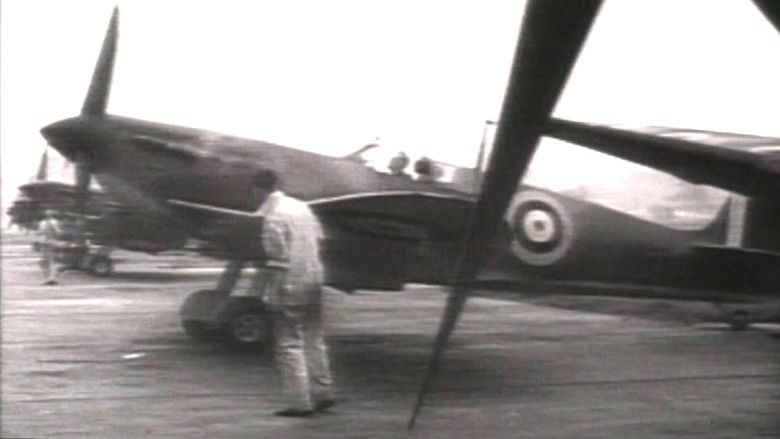
Three part documentary of the history of the Royal Air Force during World War Two. They combine actual Air Ministry films and period newsreel footage with interviews of surviving members of the air force. The first part covers the period from the 'phoney war', the invasion of Poland and the early bombing raids on enemy shipping, through to the attacks on France. Aircraft featured include the Blenheim and Wellington bombers, the Sunderland flying boat, Spitfires and Hurricanes and the opposing ME109.
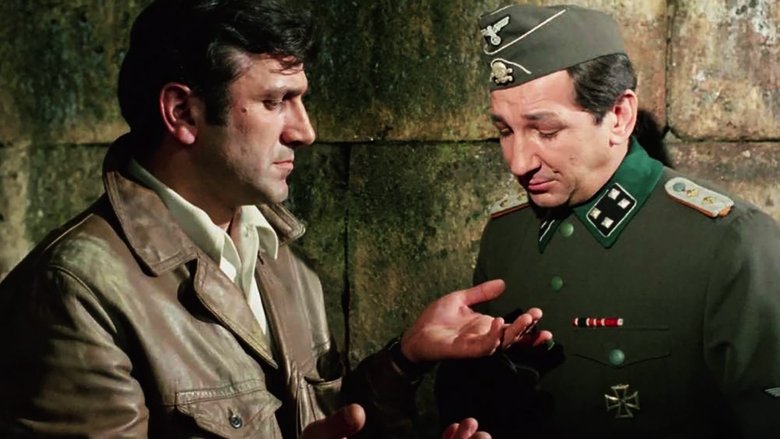
In order to check the German offensive, Partizans send an elite team of explosive experts to blow up a strategically important bridge. Besides being heavily guarded, that bridge is almost indestructible and the only man who knows weak spots in the construction is the architect who built it. He is, however, reluctant to cooperate because he doesn't want to see his masterpiece destroyed.

To mark Beethoven's 250th birthday, the documentary sheds light on the composer's private side, linking his writings with his music in an original way. Beethoven's many letters and notes tell of his temperament, his love affairs, his humanism and his struggles, especially with the early onset of deafness.
Interview with the female cast of The Evil Dead and lead Bruce Campbell.
The story of Dr. George Washington Carver (1864-1943), black educator and horticulturist. He is perhaps most well known for developing over 140 products from all parts of the peanut plant, including the shells and husks. He also developed products based on sweet potatoes and soybeans, and developed a cotton hybrid that was named after him.
A short documentary about the Making Of Hitchcock's "Shadow of a Doubt" (1943).
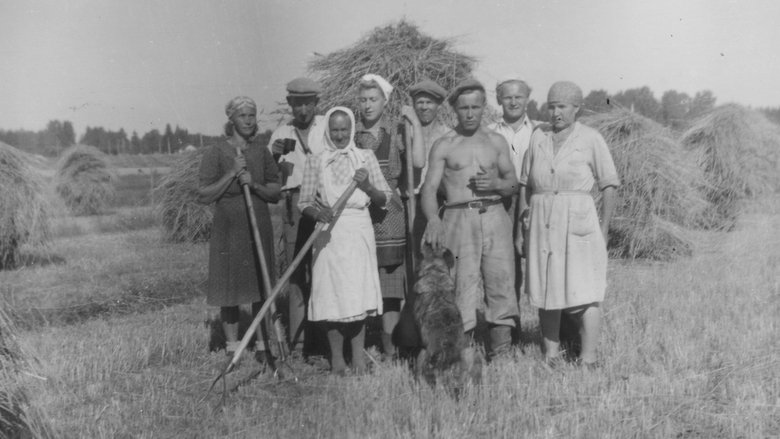
The Unknown Woman is a documentary film scripted and directed by Elina Kivihalme. It depicts the reality of Finnish agriculture and forestry during the war years, when the home front relied entirely upon the work and endurance of the women. All farm work, caring for the children, woodcutting and other forestry operations were undertaken by the civilians, as the men in their prime were on the front.
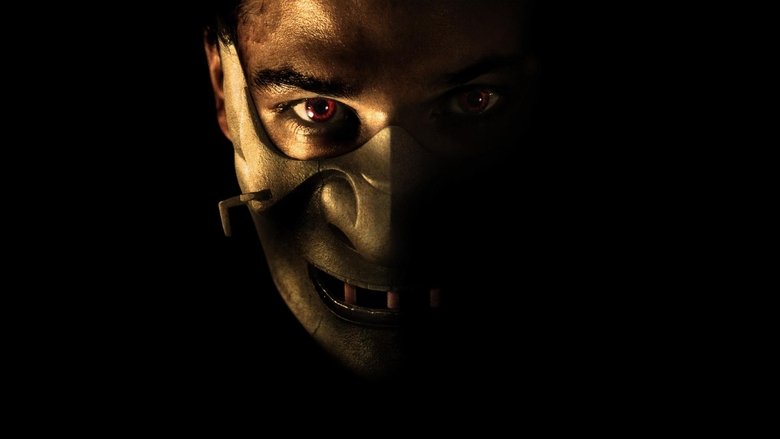
The story of the early, murderous roots of the cannibalistic killer, Hannibal Lecter – from his hard-scrabble Lithuanian childhood, where he witnesses the repulsive lengths to which hungry soldiers will go to satiate themselves, through his sojourn in France, where as a medical student he hones his appetite for the kill.
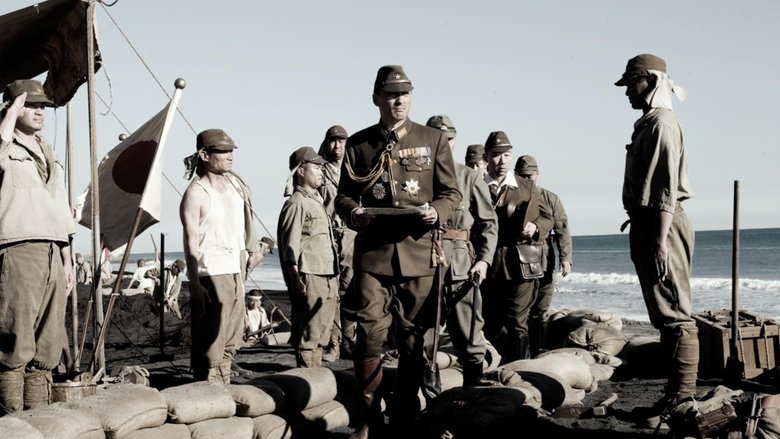
The story of the battle of Iwo Jima between the United States and Imperial Japan during World War II, as told from the perspective of the Japanese who fought it.

How do you brave acute mountain sickness? We talk to researchers, doctors and mountaineers about a syndrome whose mechanisms are still poorly understood.
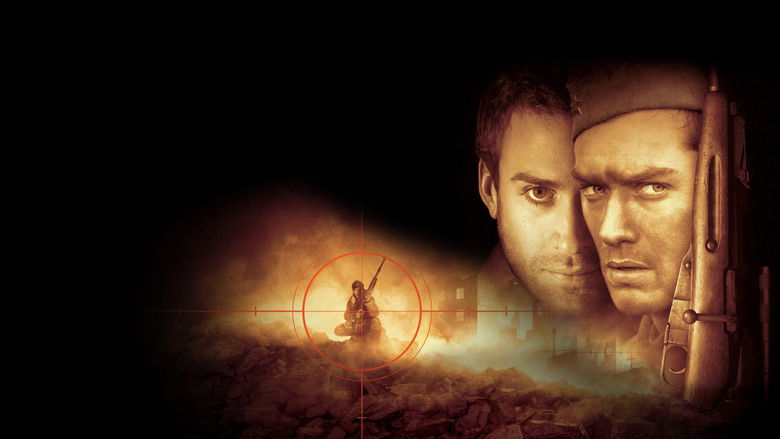
A Russian and a German sniper play a game of cat-and-mouse during the Battle of Stalingrad in WWII.
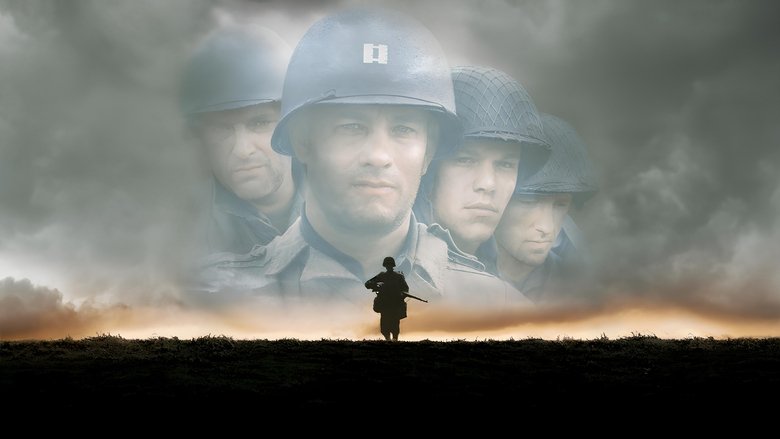
As U.S. troops storm the beaches of Normandy, three brothers lie dead on the battlefield, with a fourth trapped behind enemy lines. Ranger captain John Miller and seven men are tasked with penetrating German-held territory and bringing the boy home.

In 1983, in Berlin, an American member of the secret service puts himself at the service of the GDR. This fascinating documentary tells the story of his life as a "passer-murailles". In 1983, American soldier Jeffrey M. Carney betrayed his country and defected to the East. At the time, he was working in Berlin for the NSA (National Security Agency), which intercepts Soviet airspace communications. But his patriotism and fervor for Reagan had waned: he felt underestimated by his colleagues and had discovered his homosexuality, for which he could be expelled from the army. One night of drinking, the young man crosses the demarcation line at Checkpoint Charlie with the aim of never returning...
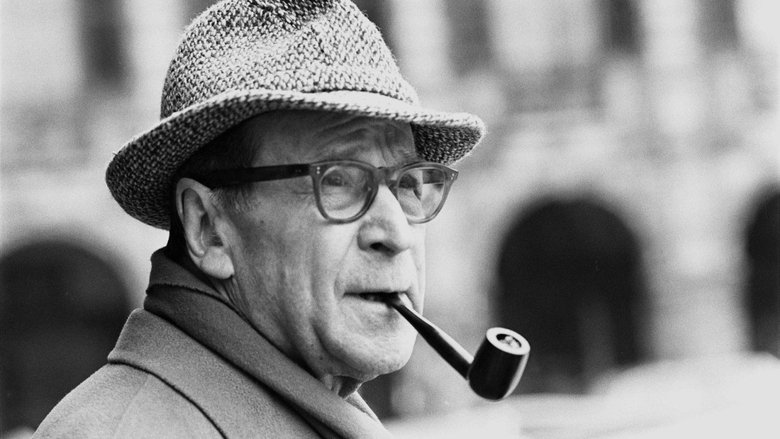
Why did Simenon, a novelist who contributed so much to the seventh art, like to say that he hated the cinema? Because he could never become a director? Because, claustrophobic, he was unable to lock himself in a projection room? Clearly, there is an affair between the writer and the cinema and Georges Simenon is the main protagonist. An investigation that is more than ever topical as Patrice Leconte has announced his plan to adapt an investigation by the famous Inspector Maigret.
Canada: A People's History - Episode 14: 1940 to 1946 CE. Canada comes of age in the anguish of World War II, with soldiers on the beaches at Dieppe and women in the industrial work force back home. The country's military role, and the domestic, social and political consequences of the war are traced through poignant stories of Canadians on both sides of the Atlantic. The horrific global conflict steals the innocence of a generation... but brings hope for a new future.
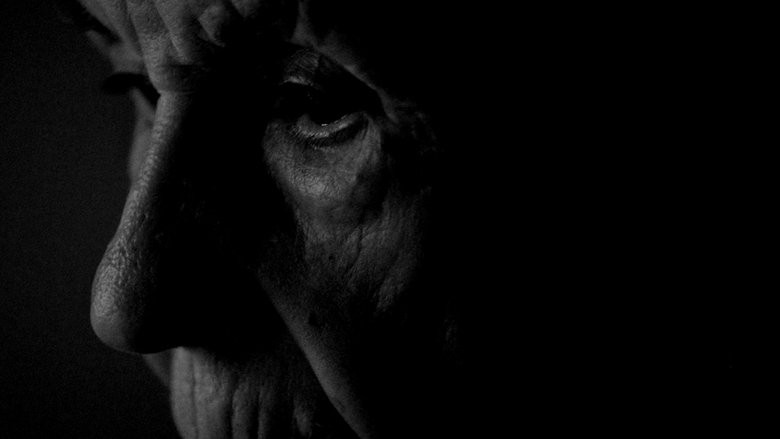
Benjamina Miyar Díaz (1888-1961) led an unusual life in her house on calle del Agua in Corao, Asturias, at the foot of the Picos de Europa mountain range in northern Spain: she was a photographer and watchmaker for more than forty years, but she also fought in her own humble and heroic way against General Franco's dictatorship.

A never before seen look at the meteoric rise of Derrick Rose, the young Chicago superstar that was suddenly derailed by devastating injuries and unrealistic expectations for a hometown hero.