
Roman Kemp: Our Silent Emergency (2021)
Roman Kemp: Our Silent Emergency is a deeply personal and candid film following Roman as he explores the mental health and suicide crisis affecting young men in the UK.
Roman Kemp: Our Silent Emergency is a deeply personal and candid film following Roman as he explores the mental health and suicide crisis affecting young men in the UK.
 Roman KempHimself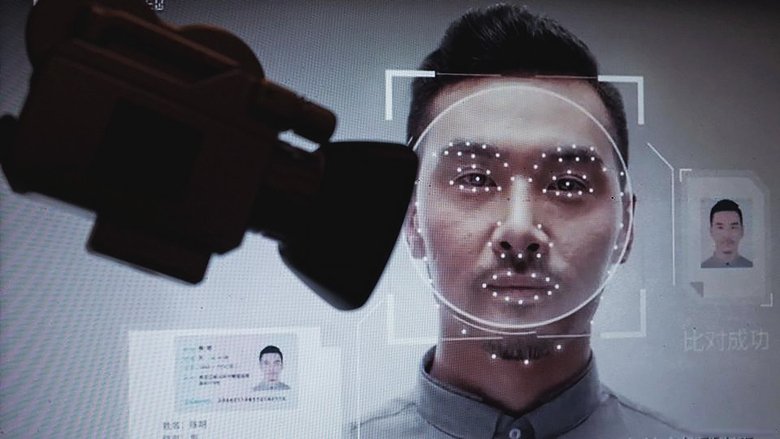
Are the face and voice mirrors of the soul? This documentary reveals in detail their impact on our immediate perception of others and recounts astonishing experiments on our psyche.
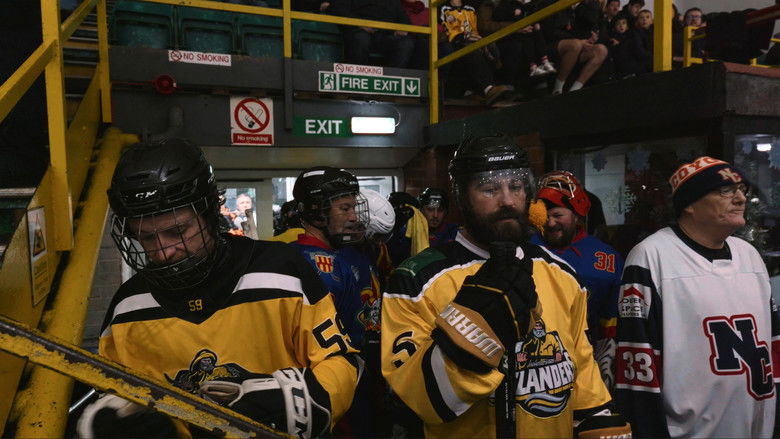
A small community of passionate ice hockey players from around the North East of England reflect on mental health, fellowship, and loss, as they share a last game with their lost teammate and celebrate his passion for the sport.
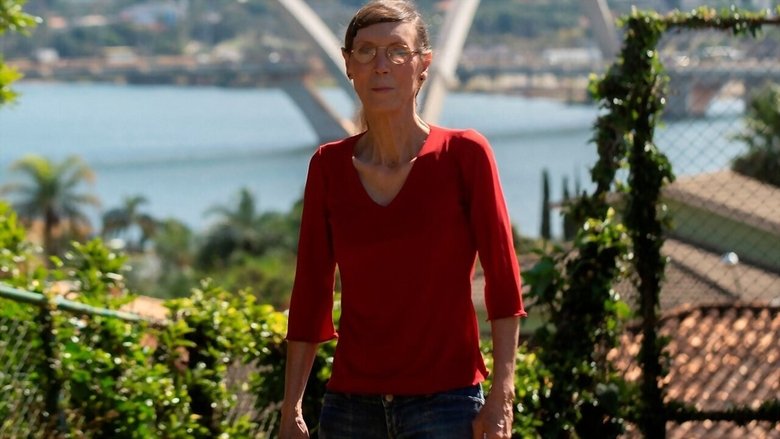
Maria Luiza da Silva is the first transgender in the history of the Brazilian Armed Forces. After 22 years of work in the military, she retired due to disability. The film explores the complex barriers she faced and her path of affirmation as a trans, military and Catholic woman.

Originally founded as Freedman’s Town after the Civil War, The Fourth Ward is one of the oldest and most culturally significant black communities in Houston, Texas. In the 1970s, the city along with big business interests planned to redevelop the Fourth Ward in order to revitalize the dilapidated real estate and freshen the image of downtown Houston. The price of progress in this case would be the removal of many poor black families. The film explores a complex series of encounters with elected city officials, businessmen and the people of Fourth Ward in order to better understand how a city like Houston works. Who makes the decisions about where resources are spent and so determines the growth and wealth of the community.
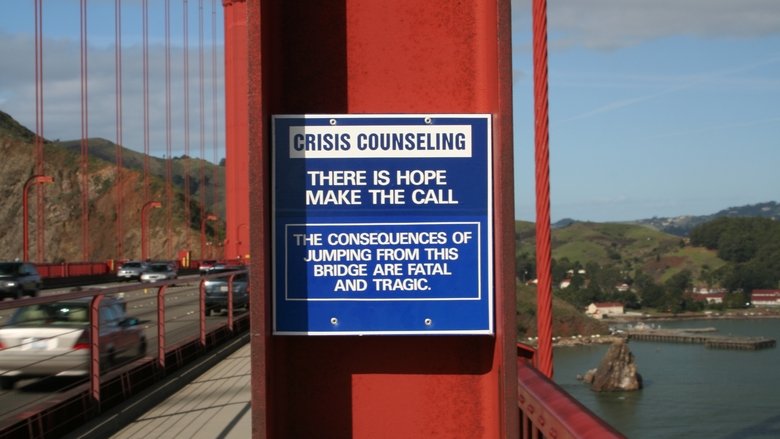
The Bridge is a controversial documentary that shows people jumping to their death from the Golden Gate Bridge in San Francisco - the world's most popular suicide destination. Interviews with the victims' loved ones describe their lives and mental health.
Zuzia, a very sensitive teenager with an artistic talent, is struggling with a drug addiction. Her brother, the film director, decides to take a closer look at the family to understand what might have caused this difficult situation.
The life of a female weaver is thrown onto the socio-political canvas of pre-war and post-war communist Poland through the use of expressive allegorical and symbolic imagery in this imaginative take on the documentary form.
Two friends faced with an internal conflict struggle to find a way of communication.
Ghyslain Raza, better known as the “Star Wars Kid,” breaks his silence to reflect on our hunger for content and the right to be forgotten in the digital age.
Incarcerated participants in a mental health experiment watch videos of sunset-soaked beaches, wildflowers and forests on loop, prompting them to reflect on isolation and wilderness. Equal parts meditation and provocation, Blue Room identifies the damage done by withholding access to the outdoors and how we are all prisoners when the essential human need for communion with nature is denied.
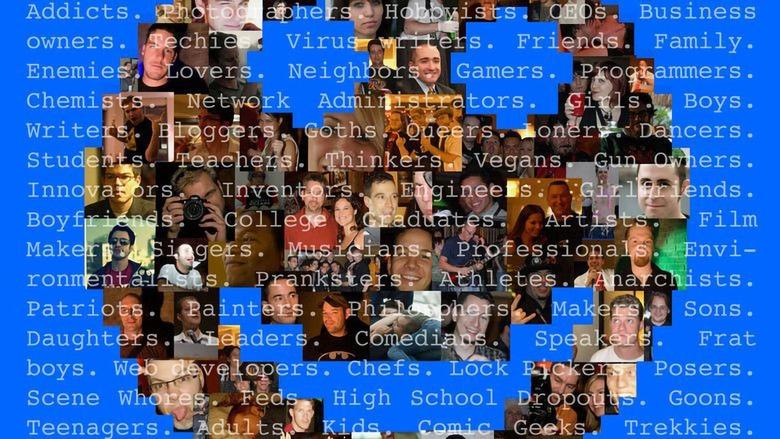
A portrait of the hacking community. In an effort to challenge preconceived notions and media-driven stereotypes Hackers Are People Too lets hackers speak for themselves and introduce their community to the public.
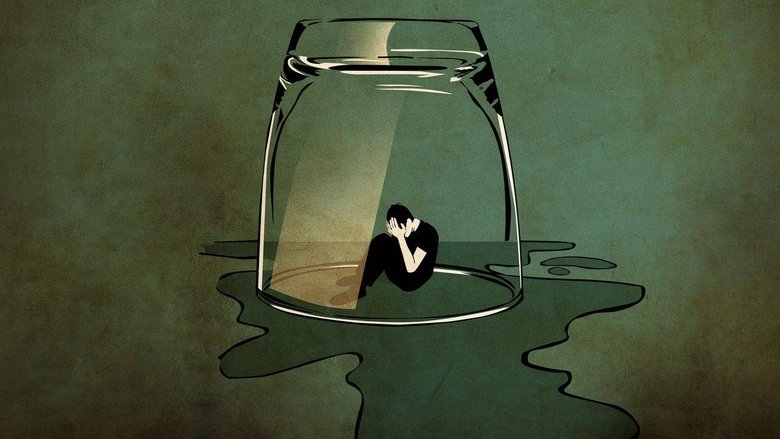
Are you a risky drinker? Nearly 70% of American adults drink alcohol and nearly 1/3 of them engage in problem drinking at some point in their lives. Produced with The National Institute of Alcohol Abuse and Alcoholism (NIAAA), Risky Drinking is a no-holds-barred look at a national epidemic through the intimate stories of four people whose drinking dramatically affects their relationships.

From the moment we got engaged and set a wedding date, we began thinking about the reasons we chose one another. What was so special about this relationship that we decided to spend our lives together? Would our love be the same if we were born in another time or at another place? What is love exactly? Driven by those questions, we decided to embark on a one year journey around the world to research whether love, one of the highest values in our lives, is universal, or it is completely conditioned by the circumstances around us.
A documentary following the civil rights movement and how the media, in particular the burgeoning TV, was used to fight for equality in the 1960s. From Selma to Charlottesville, we also see how modern activists use today's technology to continue fighting injustice today.
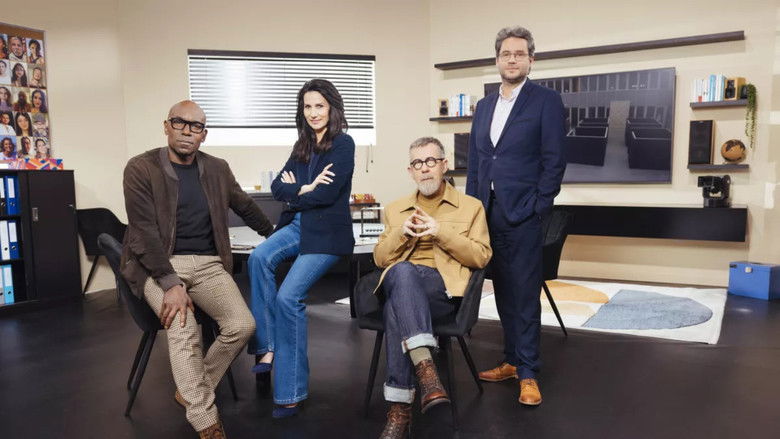
In this unprecedented primetime program, 50 volunteers take part in experiments without knowing that the aim of the program is to understand the unconscious mechanisms that can lead us to discriminatory behavior. Because if they knew, it would bias the results of the experiments.
This documentary follows the lives of several extraordinary people who have been diagnosed with social anxiety disorder. Through personal interviews, viewers learn about the symptoms, emotions, and challenges these people face and about the treatments available to help people on their road to recovery.
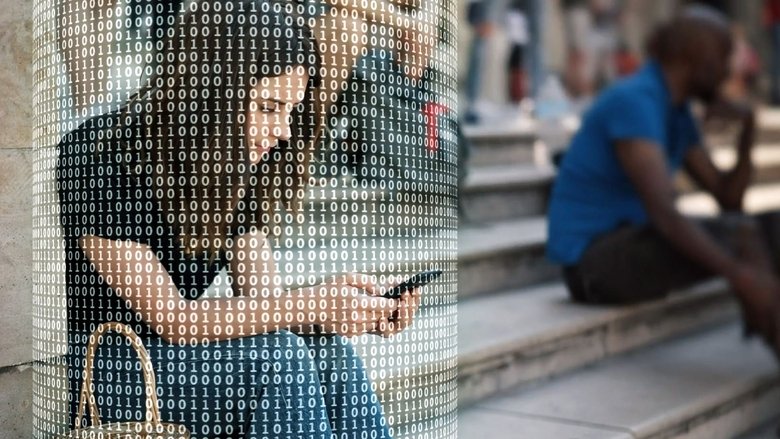
Documentary and reflection about the effects of technology.
Dare to Dream was directed by Marianne Jenkins, a film student from Goldsmiths' College, University of London, in 1990. It looks at the history of anarchism in the UK and beyond, as well as the state of the movement in the tumultuous year the poll tax uprising finally led to the resignation of Thatcher. Among the anarchist heavyweights interviewed are Albert Meltzer, Vernon Richards, Vi Subversa, Philip Sansom, Clifford Harper and Nicholas Walter, as well as a host of lesser known but equally committed dissidents. The film also features the miners strike and class struggle, squatting and social centres such as Bradford's 1in12 club, animal rights and feminism.
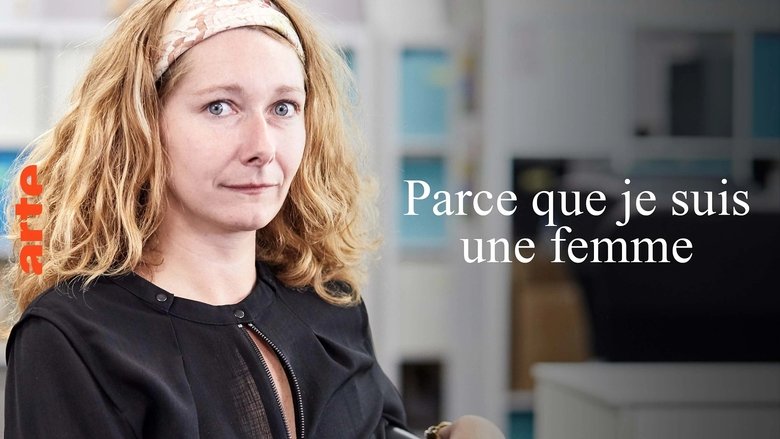
Women are sexually insulted and threatened by men every day. Experts around the world are registering an anti-feminist backlash that seems to be on the verge of becoming socially acceptable. Particularly affected: women in publicly visible positions – such as politicians, actresses or entrepreneurs. Who is behind the attacks and what are the motives?