
Rogério Sganzerla Send His Message to Brazil (1991)
In this short film, Ivan Cardoso records Brazilian film director Rogério Sganzerla sending a message to Brazil.
In this short film, Ivan Cardoso records Brazilian film director Rogério Sganzerla sending a message to Brazil.
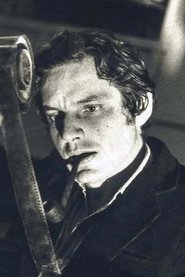 Rogério SganzerlaHimself
PLURAL is a journey through the intricate construction of identity. Guilherme Terreri and Rita Von Hunty unfold to explore the fluid boundaries of the integral self and human expression.
Helena Ignez is one of the main female figures of Brazilian cinema. She developed a new style of acting. Nowadays, she directs independent films. The documentary tells some of the History of Brazilian cinema, its political context and Helena's trajectory.
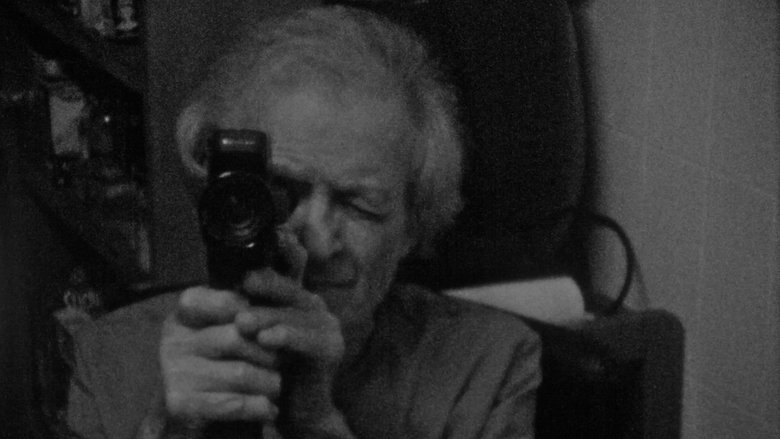
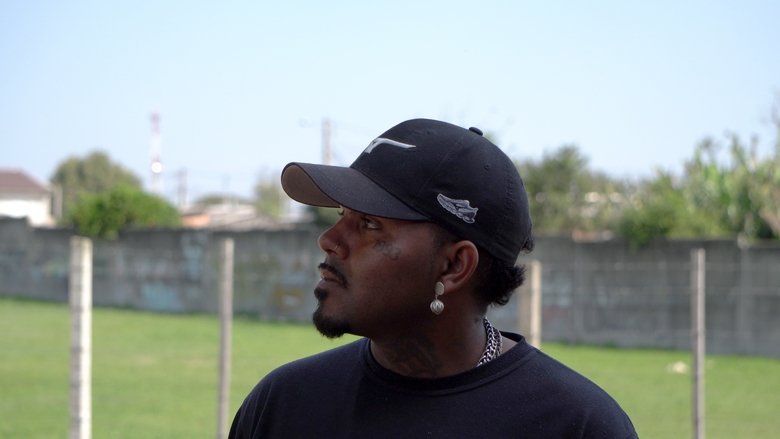
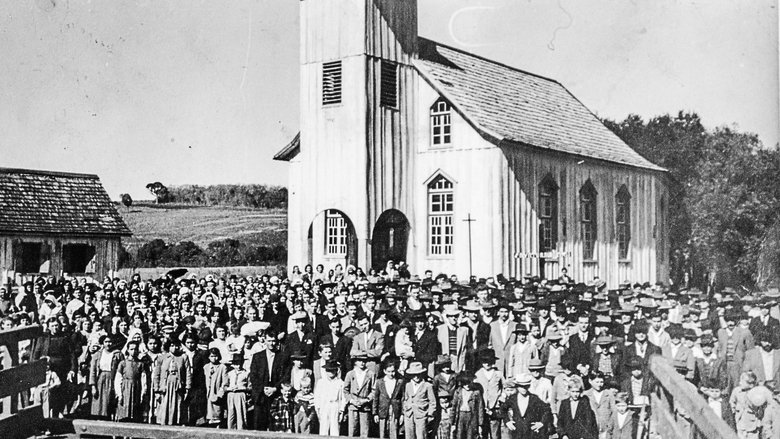
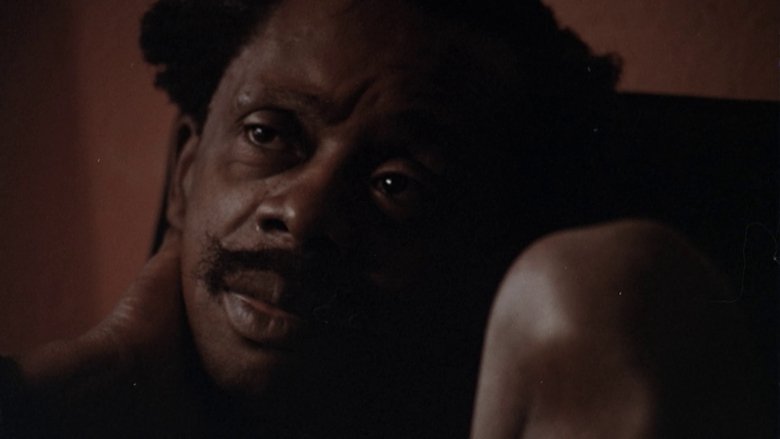
A beautifully told story using archival footage to explore the life of Grande Otelo, a groundbreaking Black Brazilian actor. Overcoming poverty and racism, he built a stellar career, facing controversy yet using it to challenge prejudice.
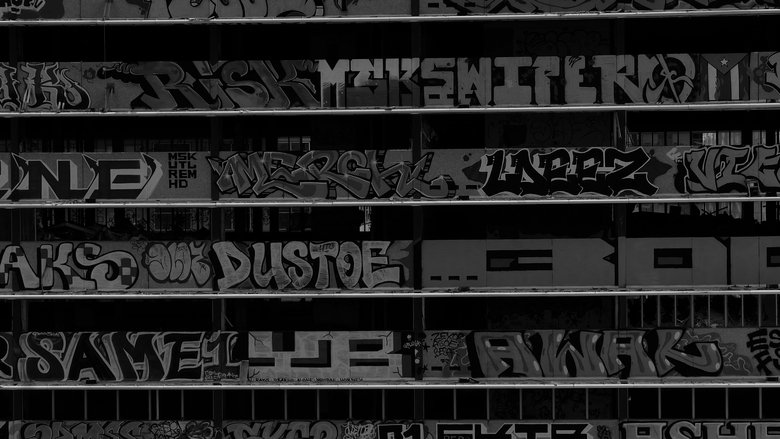
"The Pig and the Society," symbolizes the stark contrast between the excesses of wealth and the plight of those left behind. It invites viewers to reflect on their perceptions and prejudices, challenging them to see beyond the surface and understand the systemic issues perpetuating homelessness.

Denise, Hannah and Leticia are three ordinary women with extraordinary stories to tell. As transgender people, they talk about the challenges of finding their true identities within an intolerant and prejudiced society.
"Impressões" rescues the history of the Brazilian press since 1808, when the "Correio Brasiliense" clandestinely reached Rio de Janeiro after being edited in London by Hipólito José da Costa, and spans until 1986. It's the first documentary to depict the history of the Brazilian journalistic press.
Documentary about Brazilian actress Sandra Bréa.
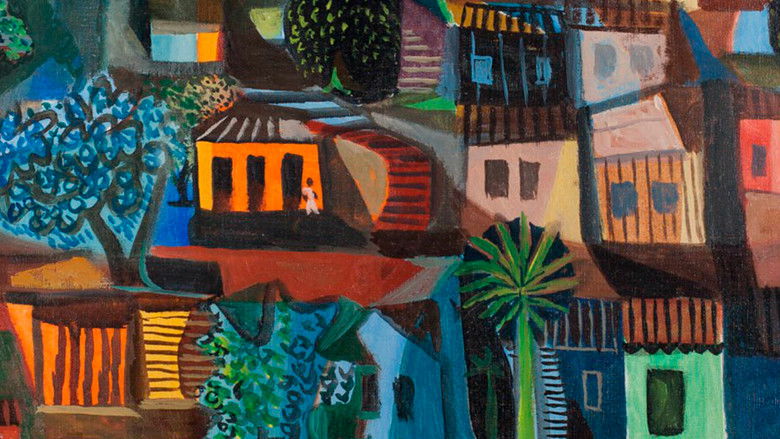
This controversial film from director Glauber Rocha records the funeral of his friend, major Brazilian painter Emiliano Di Cavalcanti.
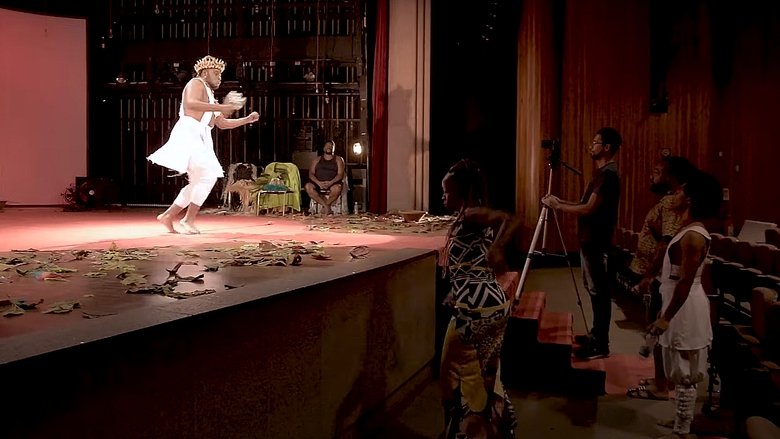
This documentary accompanies the journey of artists who exalt and celebrate ancestry and the orishas in their work. It also offers a manifesto against one of the biggest problems facing Brazil: religious racism. The feature brings together stories from music, theater, fashion, dance and the visual arts to promote reflection on the power and importance of black representation, art and diversity
In honor of the 45th anniversary of the film A dama do lotação (1978) directed by Neville D'Almeida, based on the work of Nelson Rodrigues and starring Sonia Braga and a great cast. A dama do lotação (1978) continues to be one of the highest-grossing films in Brazilian cinema. In fragments, Sonia Braga tells what it was like to play the lady.

For this behemoth, Bressane took his opera omnia and edited it in an order that first adheres to historical chronology but soon starts to move backwards and forward. The various pasts – the 60s, the 80s, the 2000s – comment on each other in a way that sheds light on Bressane’s themes and obsessions, which become increasingly apparent and finally, a whole idea of cinema reveals itself to the curious and patient viewer. Will Bressane, from now on, rework The Long Voyage of the Yellow Bus when he makes another film? Is this his latest beginning? Why not, for the eternally young master maverick seems to embark on a maiden voyage with each and every new film!
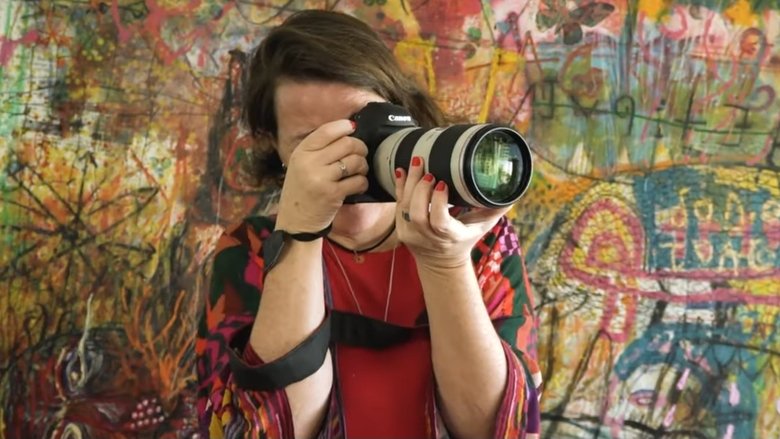
The documentary presents an overview of Vladimir Carvalho's cinematographic career, from the very beginning, as a co-writer of “Aruanda” (1960), directed by Linduarte Noronha, to the present day. With Vladimir himself as the main narrator and illustrated by scenes from his films, the documentary also features interviews with Gilberto Gil, Orlando Senna, Arnaldo Carillo, Dácia Ibiapina, Fernando Duarte, Sérgio Moriconi, among others.