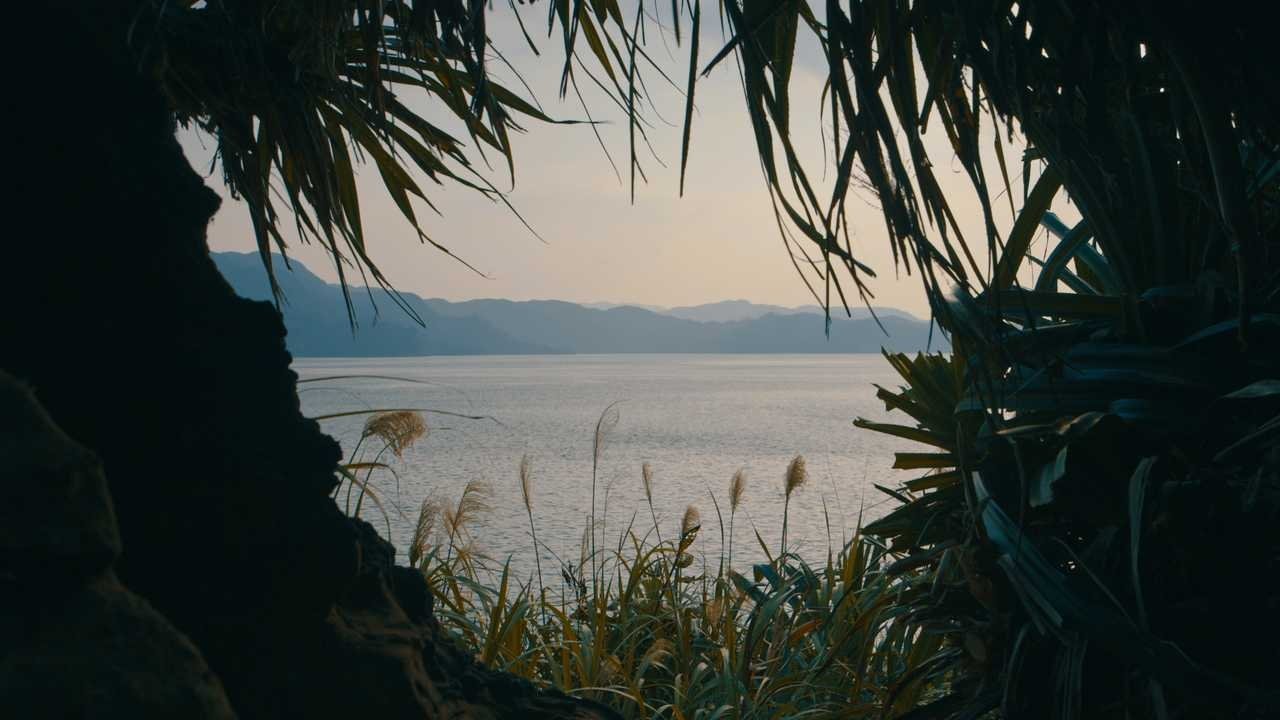
Green Jail (2021)
The film follows the last 4 years life of Grandma Hashima, the last existent from colonial Taiwan, who knows the secrets of "Green Jail," the notorious coal mine before World War II on Iriomote Island, Okinawa, Japan.
The film follows the last 4 years life of Grandma Hashima, the last existent from colonial Taiwan, who knows the secrets of "Green Jail," the notorious coal mine before World War II on Iriomote Island, Okinawa, Japan.
 Yoshiko HashimaYoshiko HashimaLouis Leslie KimuraLouis Leslie Kimura
Short Croatian documentary by Ante Babaja that centers around the everyday lives of elderly Yugoslav women.
In the final hours of the Pacific War, Okinawa was the destination for Korean men conscripted as “military laborers” and Korean women taken as “comfort women.” Little is known about the number of casualties or their experiences. In 1989, Park Soonam started to track down the survivors of the Battle of Okinawa to record their testimonies. In 1990, Park visits Korea in search of former “military laborers” who had survived Okinawa and repatriated to Korea. The survivors vividly recount their experiences of their compatriots’ murder and about the “comfort women” to the Zainichi Korean female director. The film zeroes in on the murder of Korean “military laborers” and the presence of “comfort women” in Okinawa via testimonies of former Japanese soldiers.
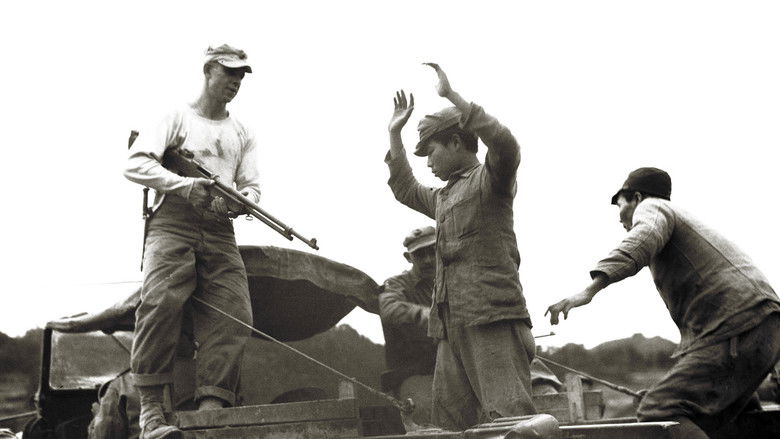
The greatest taboo of the Battle of Okinawa were Guerrilla units composed of boy soldiers. Until now, not even the Japanese people knew the full scope of these secret troops, and survivors have been afraid to share their tragic details. Okinawa became the bulwark to protect the Japanese mainland toward the end of World War II. After the Americans landed, a violent battle ensued resulting in the loss of over 200,000 lives – many of them civilian. This documentary uncovers Japan’s deepest secrets concerning the Battle of Okinawa, and also sounds alarms about modern Japan’s recent steps toward remilitarization.
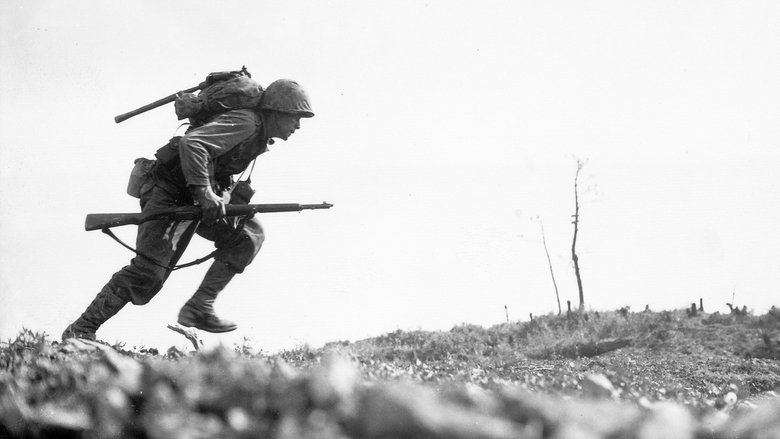
By mid-1945, Hitler is dead and the war has ended in Europe. Halfway around the world, however, the fighting is still going strong on a small island in the Pacific. Okinawa was the site of the last battle of the last great war of the 20th century, with a casualty rate in the tens of thousands. Through it all, military cameramen risked their lives to film the conflict, from brutal land combat to fierce kamikaze attacks at sea. See the footage they captured and experience this intense battle the way the soldiers saw it -- in color.

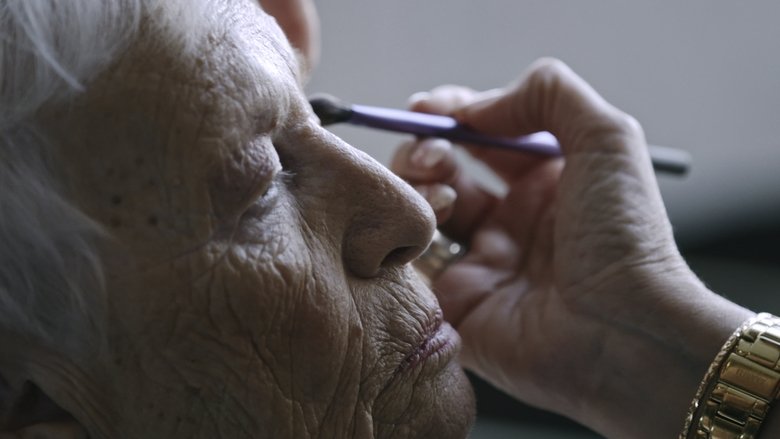
Every year since 2011, a unique beauty contest has been taking place in Haifa. The contestants are female survivors of the Holocaust. In the midst of this flashy spectacle, their personal traumas remain as deep as ever. There are many things about this contest that are controversial: it is organized by the right Zionist organization, the International Christian Embassy Jerusalem, and the dubious contest itself rises the public indignation of various speakers, including other survivors.

Acclaimed documentarian John Walker catches the legendary Cape Breton Miner’s singing group The Men of the Deeps just as the last mines on the island are shut down. Featuring ravishing cinematography of Cape Breton, and plenty of music, Men of the Deeps is a deeply touching portrait of a culture that still survives despite the ultimate end of an industry, and a tribute to the men and the songs that kept things moving on the Island for almost two hundred years.
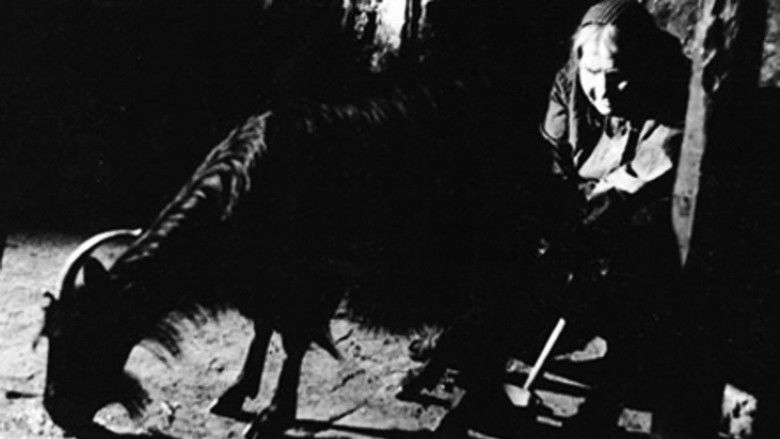
About an elderly woman in a country house, spending time with her only companion, a goat.
Little is known about the figure of Isabel Santaló, an old artist, today fallen into oblivion. But occasionally some visitors come to her flat. Through them and the voice of Antonio López (Dream of Light, Víctor Erice), the only painter who remembers her, we shape a multifaceted film. This is a cinematic portrait, which well into the film takes a surprising turn. A film that reflects on memory and oblivion, art and the creative process; posing the question of what it means to be an artist and a woman.
Coal miners are dying from the resurgence of an epidemic that could have been prevented. FRONTLINE and NPR’s joint investigation revealed the biggest disease clusters ever documented, and how the industry and the government failed to protect miners.
The documentary features the British miners and their family experiences told through songs, poems, pictures and words.

In April 2023, SU-METAL (vocal, dance), MOAMETAL (scream, dance), and MOMOMETAL (scream, dance) entered a new stage as the new BABYMETAL, and since then, they have embarked on their largest-ever world tour, "BABYMETAL WORLD TOUR 2023-2024," visiting 25 countries including Japan. The 98 performances, excluding festivals and guest act appearances, recorded a total audience of over 280,000 people.
A film documenting life in Okinawa under the domination of American military bases
Battering, breading, frying – Berta has prepared thousands of schnitzels in her old cast-iron pan over the years. This 83-year-old landlady’s life on the family farm with adjoining guest house in the Upper Palatinate has been marked by constant hard work. A life that her granddaughters Monika and Hannah never wanted to lead. Now, the deeply indebted farm is on the brink of collapse. Despite having an academic background and contrary to her intentions, Monika, in her early thirties, decides to give up her modern life and save the family business. The two women join forces and give themselves a year to sort out the farm’s problems.
Standing Army, directed by Enrico Parenti and Thomas Fazi, is an award-winning documentary film about the global network of U.S. military bases, the impact that these have on local populations, and the military-industrial complex that lies behind it.
On April 1, 1945, the United States military launched its invasion of the main island of Okinawa, the start of a battle that was to last 12 weeks and claim the lives of some 240,000 people. This film depicts the Battle through the eyes of Japanese and American soldiers who fought each other on the same battlefield, along with Okinawa civilians who were swept up in the fighting. The film also depicts the history of discrimination and oppression forced upon Okinawa by the American and Japanese governments. Carrying up to the current controversy over the construction of a new base at Henoko, the film explores the root causes of the widespread disillusionment and anger expressed by many Okinawans. This ambitious documentary was directed by the American John Junkerman, long-term resident of Japan and Oscar-nominated documentary filmmaker. Okinawa: The Afterburn is a heartfelt plea for peace and an expression of deep respect for the unyielding spirit of the Okinawa people.
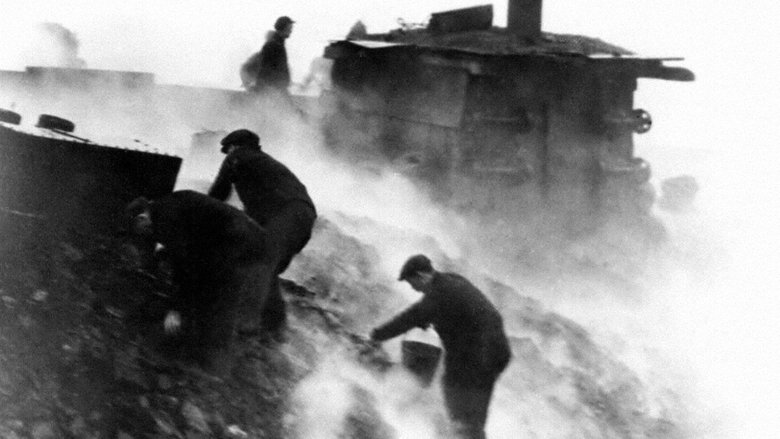
Henri Storck and Joris Ivens’ landmark of social documentary, blending staged scenes with locals and on-the-spot reportage to depict the 1932 miners’ strike in Belgium’s Borinage—evictions, hunger, and police repression—transforming outrage into a call for solidarity.
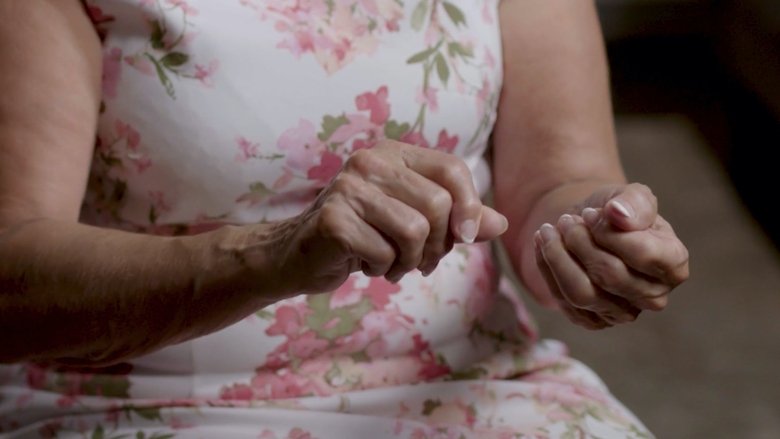
A dash of youth, a pinch of age, and an unrecorded recipe: Mudder's Hands is a charming documentary conversation about arthritis, centered around the tradition of baking Newfoundland raisin bread.
Director Miho Niikura examines the modern practice of tee (Okinawan karate), and its attractiveness to Westerners—some of whom travel thousands of miles to study the venerable martial art in its birthplace, Okinawa.

Lisa Larson is one of Sweden’s most beloved ceramicists, known for her round, playful animal and child figures. But when director Emilia Ekman Larson digs up her grandmother’s 30-year-old discarded sculptures, she can’t help but wonder why they look so sorrowful.