
APA (2021)
Children play amidst cycles of thunder and violence.
Children play amidst cycles of thunder and violence.
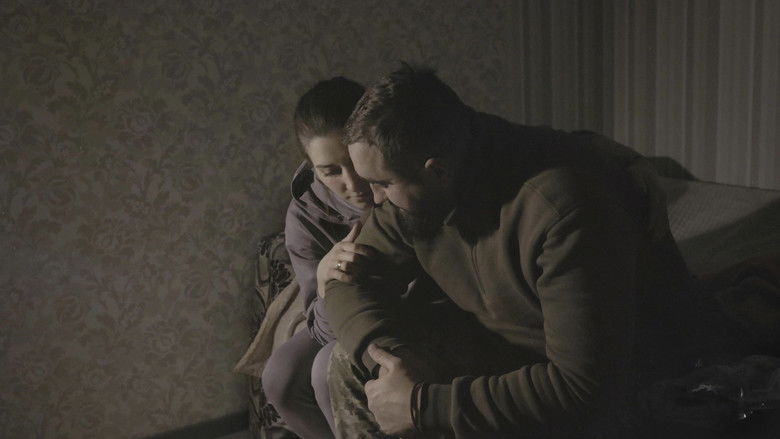
The residents of Bucha, Ukraine, are rebuilding their city from the rubble after surviving the horrors of Russian occupation. A newly married couple, a schoolgirl, a city official, and an elderly housewife have all endured the painful experiences of war, yet they manage to hold onto hope and solidarity. But how do you rebuild in the wake of growing trauma, especially with war still raging in your country? As time hopes for a peaceful life fade, they must grapple with mounting tensions within their communities. Shot over a three-year period, the film is a follow-up to When Spring Came To Bucha, as five protagonists navigate the complex terrain of inner conflicts, trauma, and a longing for justice, posing questions about the future of a society at war.
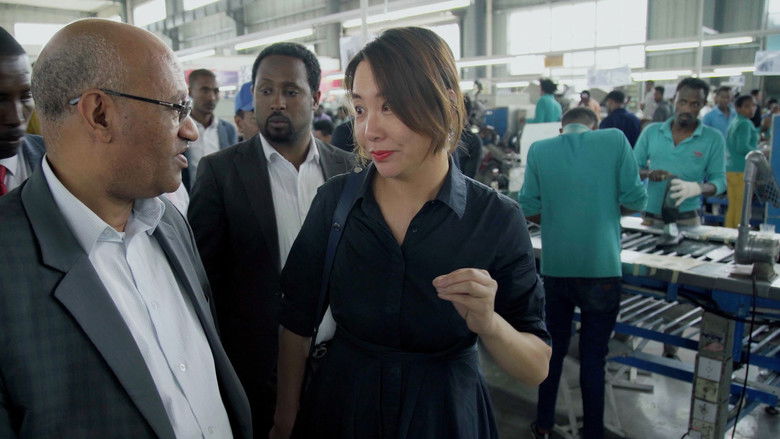
When a massive Chinese factory complex attempts a high-stakes expansion in rural Ethiopia, three women in search of prosperity have their faith in industrialization tested to the limit. Filmed over four years with singular access, Made in Ethiopia lifts the curtain on China’s historic but misunderstood impact on Africa, and explores contemporary Ethiopia at a moment of profound crisis. The film was awarded the Jury Special Mention at Tribeca Festival.
On the brink of social collapse, the city of Los Angeles is full of protests in favor of immigrants and against deportations under the administration of Trump. On the border with Mexico, thousands of people try to cross every day.

For more than thirty years, and through his television program, Fred Rogers (1928-2003), host, producer, writer and pianist, accompanied by his puppets and his many friends, spoke directly to young children about some of life's most important issues.
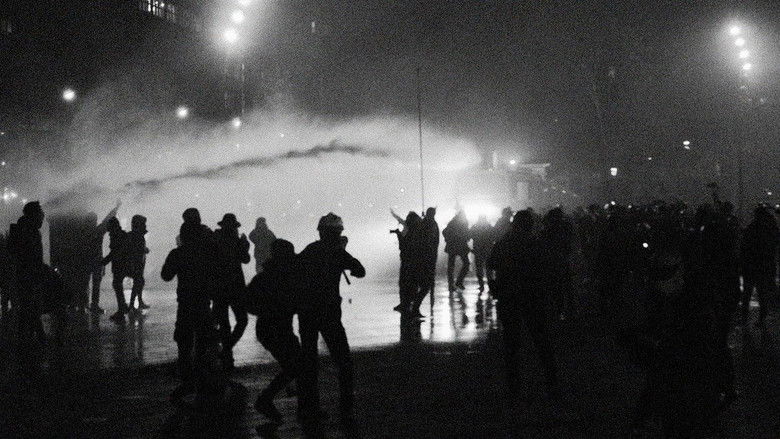
A furious, iconoclastic attack on power and the media in a modern France where Islamophobia has become mainstream and inequality is growing from the suburbs to the boulevards.
A trip behind and beneath the street-level skin of the city on the hidden paths of industrial history and once-and-future transit.
After twenty years, Wiam Al Zabari starts a conversation with his father. Why did they flee from Iraq? Why was that never discussed? Will he be able to let go of the past and embrace a Dutch future?
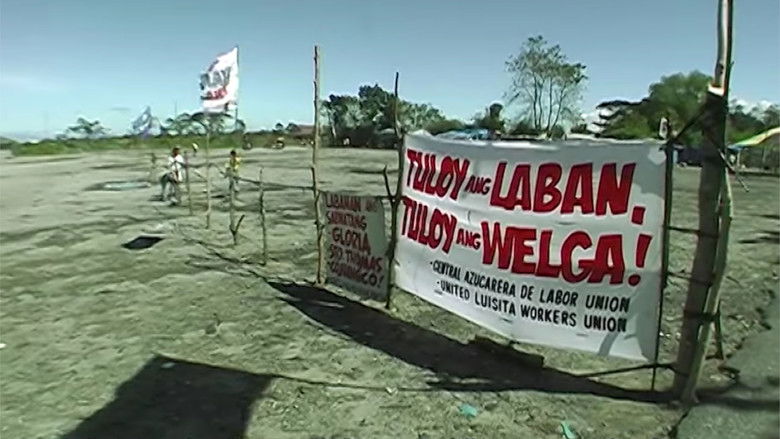
A documentary on the struggle of millworkers, farmworkers, and people of Hacienda Luisita, Philippines.

"Until one day... when the first shot was fired, everyone had to leave their homes." – In 1975, Ema was awaiting the arrival of her first child, in Angola. However, her tranquility was abruptly interrupted by a force that pulled her from her comfort and changed her life forever.

Benedict Arnold is not the villain of American history most people were taught to believe. New facts and never before presented material illuminate his heroic contributions to the American Revolution and explains his later change of allegiance.
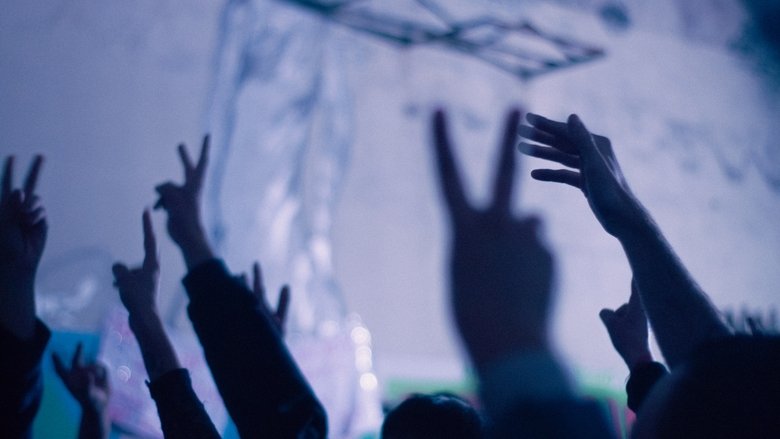
Through archival footage and testimonies from professors, students, staff, and graduates, the documentary traces the history of the National University of Arts, focusing on the Audiovisual Department, while critically addressing the impact of the current government's underfunding of education and cultural institutions in Argentina.
Hope is an intimate portrait of a military family fractured by the invisible wounds of war. At its heart is Catherine, a decorated soldier and mother who returns from deployment profoundly changed—emotionally withdrawn, plagued by guilt, and struggling with addiction. Her daughter, Hope, once protected by her mother's strength, becomes a witness to her unraveling, forced to mature too quickly amid the chaos of relocation, strained family bonds, and a lack of institutional support. As Catherine battles to reintegrate, her marriage collapses, and the military’s absence of post-deployment care deepens her isolation. Her husband leaves, her daughter grows distant, and Catherine is left with the crushing realization that service came at a cost no one prepared her for.
Documentary showing that "gun control" has historically been used to disarm citizens and make them helpless before governments commit genocide. Dramatically covers major genocides in the Soviet Union, Germany, Uganda, Rwanda, China, Turkey, and other countries.Shows how "gun control" in the U.S. has been used to victimize blacks, Indians, children, women, and others.Combines gut-level emotional appeal and fast-paced, powerful graphics with a cool statement of historic facts and quotes from the relevant laws. - Written by Claire Wolfe
When Russian armed forces invaded Ukraine, Moldovans raced to the borders to assist refugees, offering warm food, rides, and shelter. At the same time, a group of Moldovan filmmakers formed an ad-hoc film collective to document the unwavering efforts of volunteers and the fate of refugees through multifaceted lenses. Despite these acts of solidarity, a segment of the population's Soviet nostalgia fuels a growing fear that the country could be drawn into the war.
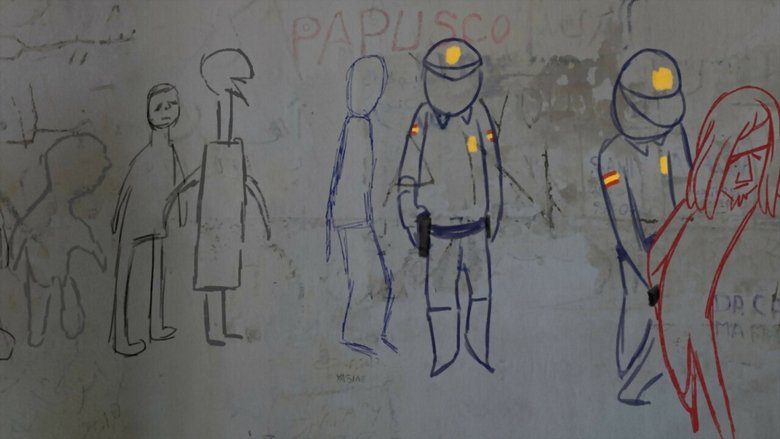
A reflection on the concept of invisibility, narrated by women who clean public spaces in Mexico City. Combining documentary, fiction and still photography, the film is an intimate mosaic of testimonies and experiences that highlight the precariousness of work in the cleaning industry, in a world where subcontracting rules.
A partnership between the Government of Mali and an American agricultural investor may see 200-square kilometers of Malian land transformed into a large-scale sugar cane plantation. Land Rush documents the hopes, fears, wishes, and demands of small-scale subsistence farmers in the region who look to benefit, or lose out, from the deal.
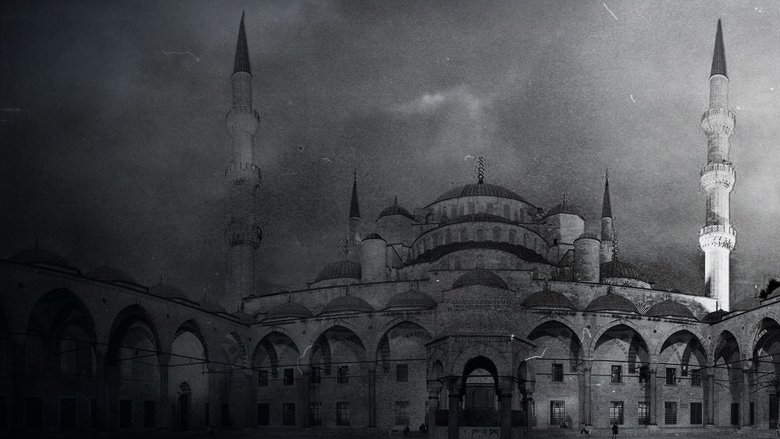
A documentary on how British double-dealing during the First World War ignited the conflict between Arab and Jew in the Middle East. The bitter struggle between Arab and Jew for control of the Holy Land has caused untold suffering in the Middle East for generations. It is often claimed that the crisis originated with Jewish emigration to Palestine and the foundation of the state of Israel. Yet the roots of the conflict are to be found much earlier – in British double-dealing during the First World War. This is a story of intrigue among rival empires; of misguided strategies; and of how conflicting promises to Arab and Jew created a legacy of bloodshed which determined the fate of the Middle East.
The Stanford prison experiment was a landmark psychological study of the human response to captivity, in particular, to the real world circumstances of prison life, and the effects of imposed social roles on behaviour. It was conducted in 1971 by a team of researchers led by Philip Zimbardo of Stanford University.
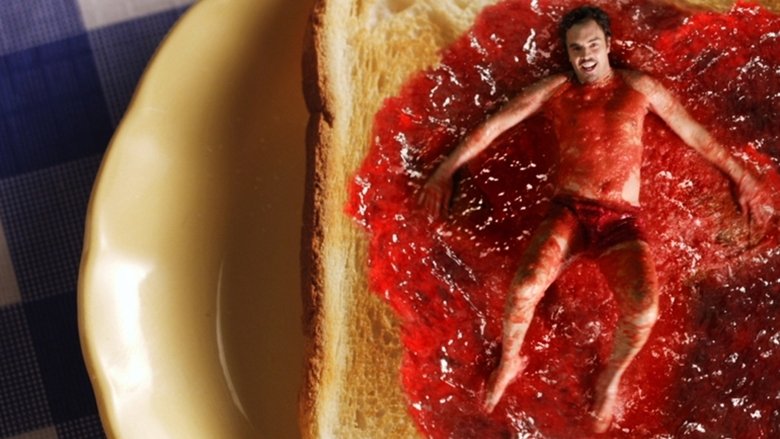
One man's journey to discover the bitter truth about sugar. Damon Gameau embarks on a unique experiment to document the effects of a high sugar diet on a healthy body, consuming only foods that are commonly perceived as 'healthy'. Through this entertaining and informative journey, Damon highlights some of the issues that plague the sugar industry, and where sugar lurks on supermarket shelves.