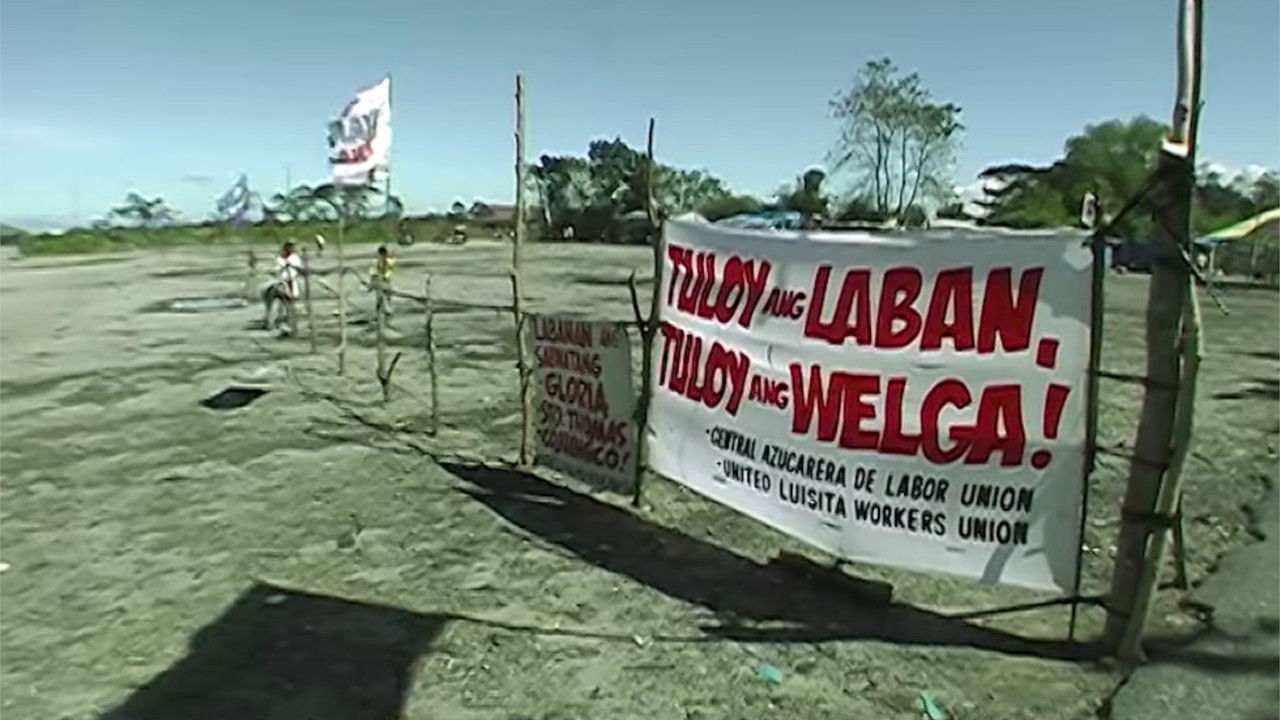
Sa Ngalan ng Tubo (2005)
A documentary on the struggle of millworkers, farmworkers, and people of Hacienda Luisita, Philippines.
A documentary on the struggle of millworkers, farmworkers, and people of Hacienda Luisita, Philippines.
 Jewel MarananNarrator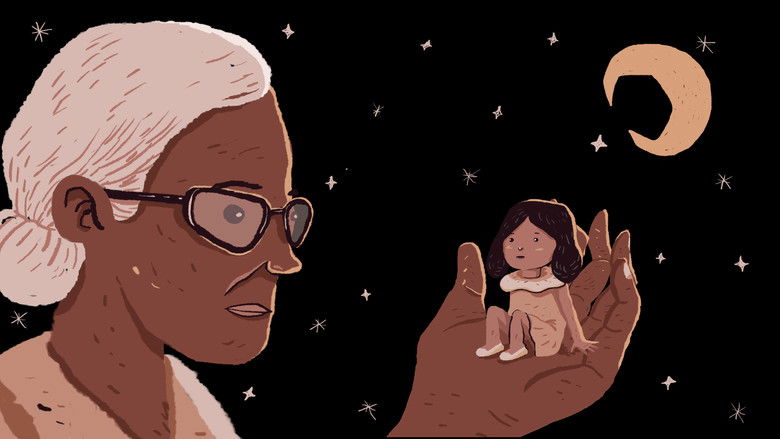
Indonesia, 1965: hundreds and even thousands of people are arrested without warrant. Some did come back, the others lost without trace. Svet, one of the survivors of the Indonesian dark history recounts the memory she had of her father, whom she believes to be responsible for the 1965 tragedy.
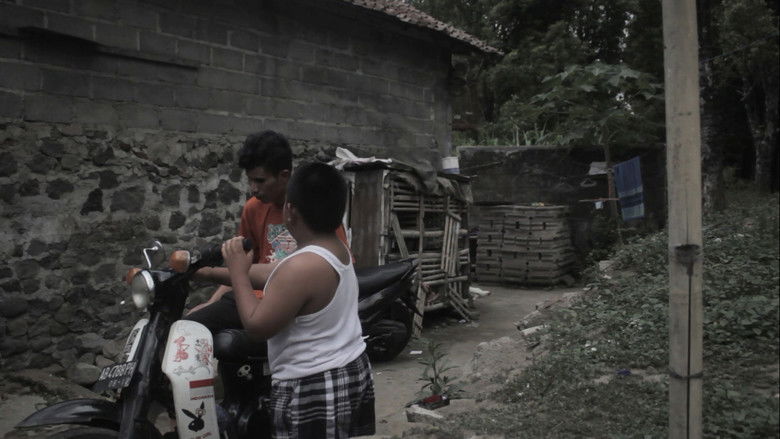
Joko Supriyanto is a high school student in Yayasan Pendidikan Anak Luar Biasa (Special Needs Education Foundation) Cepogo, Boyolali--a foundation that facilitates education for the children with special needs. Joko has visual impairment that disables him to see normally.

Tells a story about a blurry photo of a woman who works in the media industry in Indonesia. This movie has several perspectives. One point of view is of a woman who works in a media and the other is about the sexual minority, people who aren’t allowed to appear on television due to their sexuality.
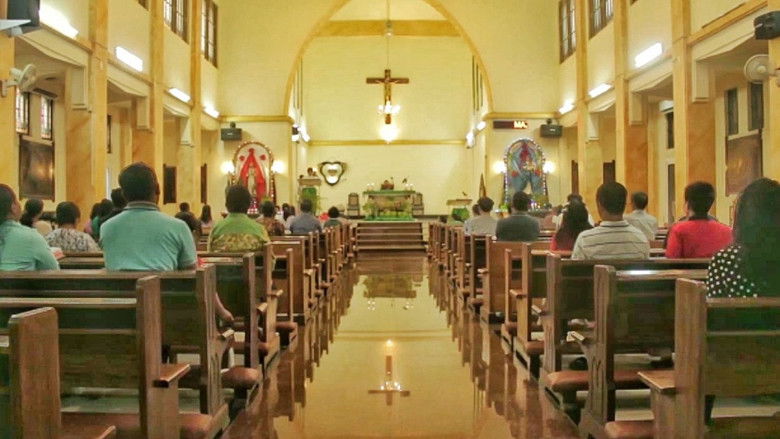
Vena, a Catholic, lives in the Muslim-majority region Aceh. Vena wears veil in her daily life and befriends many Muslim friends. Nevertheless, how can she be herself and adapt as a minority at the same time? Family plays an important role in her life.
In light of jailed activist Umar Khalid withdrawing his petition from the Supreme Court amid repeated adjournments, journalist Ravish Kumar captures the contours of Delhi in a video letter addressed to him. What comes out is a critical piece reflecting on the cowardice and the deafening silence of Delhi on the whole matter.
The film is a controversy on democracy. Is our society really democratic? Can everyone be part of it? Or is the act of being part in democracy dependent to the access on technology, progression or any resources of information, as philosophers like Paul Virilio or Jean Baudrillard already claimed?
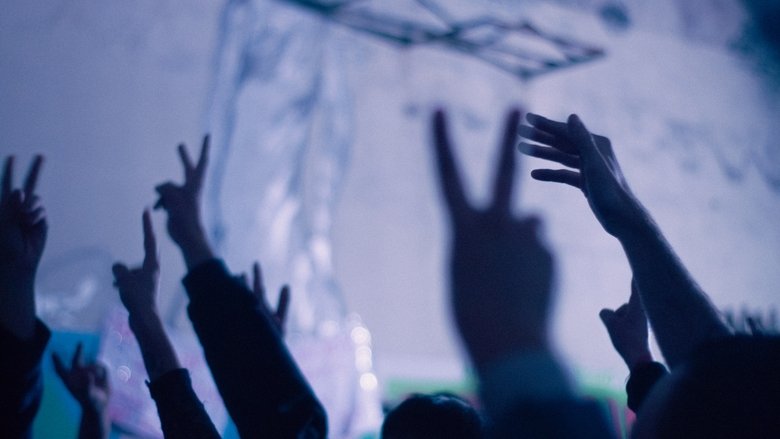
Through archival footage and testimonies from professors, students, staff, and graduates, the documentary traces the history of the National University of Arts, focusing on the Audiovisual Department, while critically addressing the impact of the current government's underfunding of education and cultural institutions in Argentina.
Children play amidst cycles of thunder and violence.
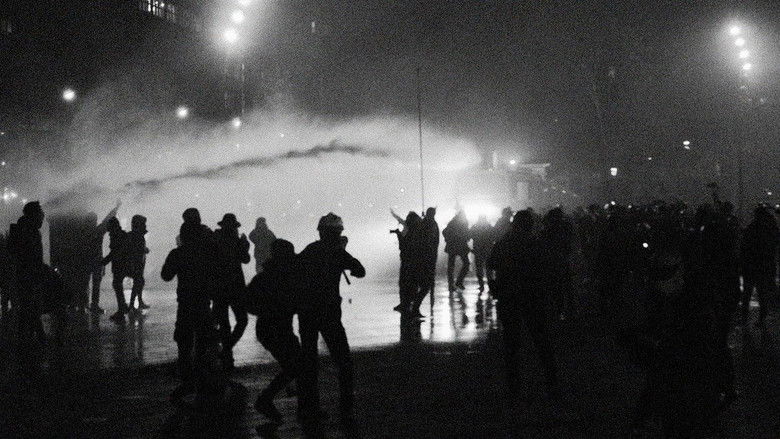
A furious, iconoclastic attack on power and the media in a modern France where Islamophobia has become mainstream and inequality is growing from the suburbs to the boulevards.
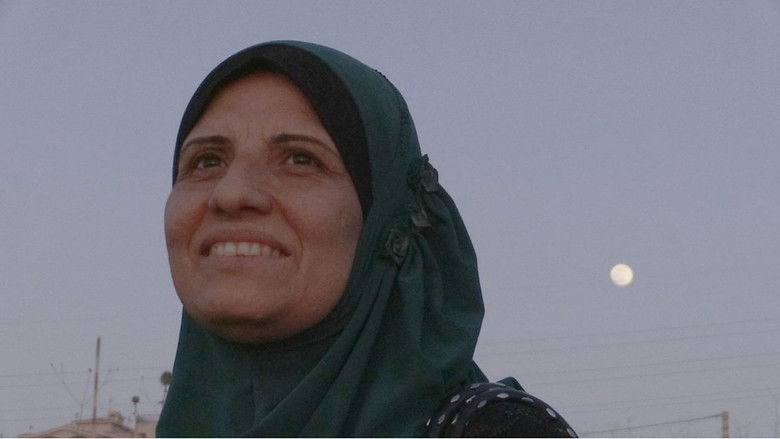
While millions of birds migrate freely in the skies above, Fadia, a Palestinian refugee stranded in Lebanon, yearns for the ancestral homeland she is denied. When a chance meeting introduces her to the director, Sarah, she challenges her to find an ancient mulberry tree that once grew next to her grandfather’s house in historic Palestine, a tree that stands witness to her family’s existence.
Documentary showing that "gun control" has historically been used to disarm citizens and make them helpless before governments commit genocide. Dramatically covers major genocides in the Soviet Union, Germany, Uganda, Rwanda, China, Turkey, and other countries.Shows how "gun control" in the U.S. has been used to victimize blacks, Indians, children, women, and others.Combines gut-level emotional appeal and fast-paced, powerful graphics with a cool statement of historic facts and quotes from the relevant laws. - Written by Claire Wolfe
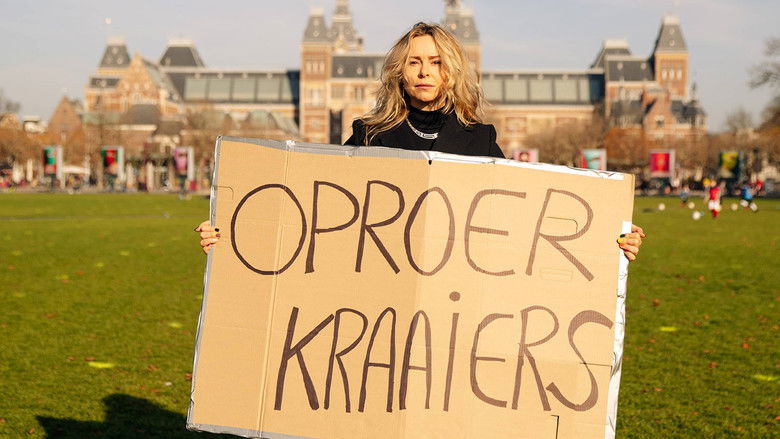
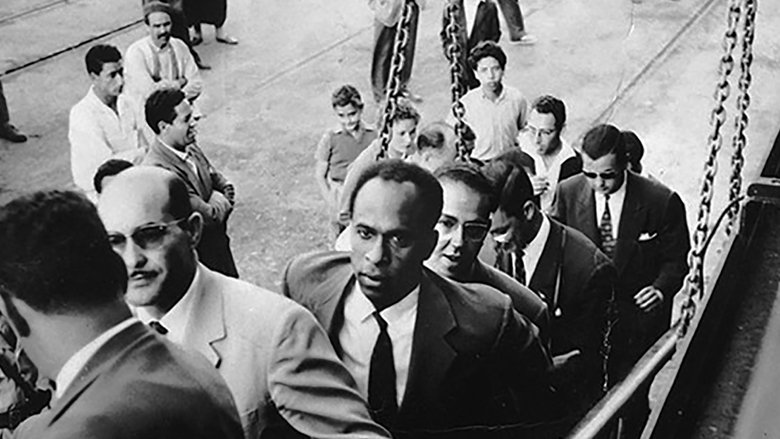
Frantz Fanon alone embodies all the issues of French colonial history. Martinican resistance fighter, he enlisted, like millions of colonial soldiers, in the Free Army out of loyalty to France and the idea of freedom that it embodies for him. A writer, he participated in the bubbling life of Saint-Germain with Césaire, Senghor and Sartre, debating tirelessly on the destiny of colonized peoples. As a doctor, he revolutionized the practice of psychiatry, seeking in the relations of domination of colonial societies the foundations of the pathologies of his patients in Blida. Activist, he brings together through his action and his history of him, the anger of peoples crushed by centuries of colonial oppression. But beyond this exceptional journey which makes sensitive the permanence of French colonialism in the Lesser Antilles at the gates of the Algerian desert, he leaves an incomparable body of work which has made him today one of the most studied French authors across the Atlantic.
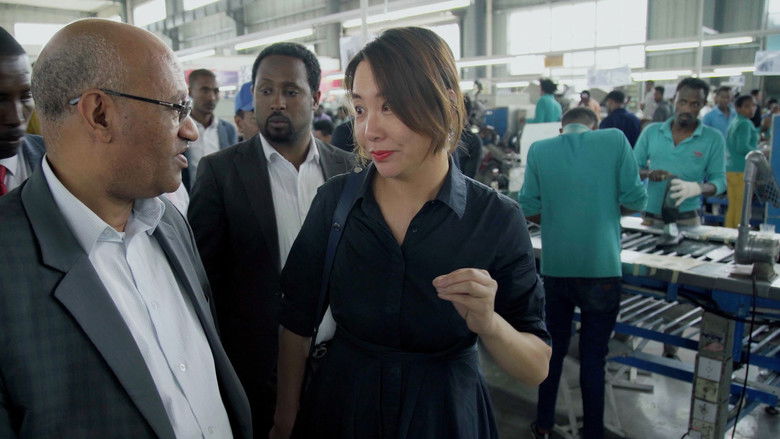
When a massive Chinese factory complex attempts a high-stakes expansion in rural Ethiopia, three women in search of prosperity have their faith in industrialization tested to the limit. Filmed over four years with singular access, Made in Ethiopia lifts the curtain on China’s historic but misunderstood impact on Africa, and explores contemporary Ethiopia at a moment of profound crisis. The film was awarded the Jury Special Mention at Tribeca Festival.
On the brink of social collapse, the city of Los Angeles is full of protests in favor of immigrants and against deportations under the administration of Trump. On the border with Mexico, thousands of people try to cross every day.
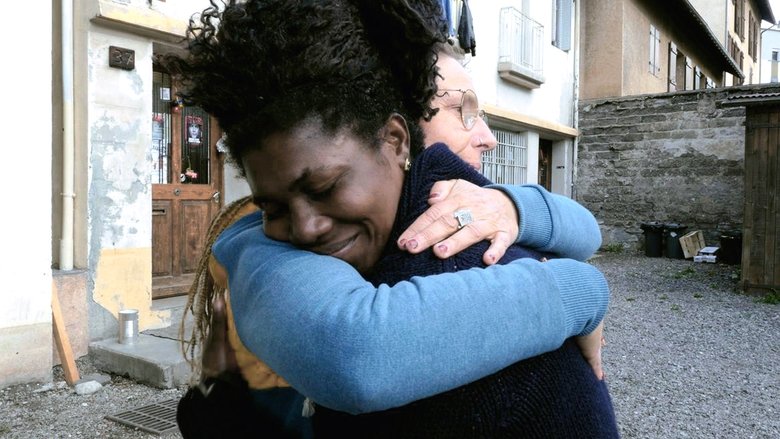
In the Briançonnais mountains, in France, men and women on the roads of exile find the courage to cross the passes on foot, risking their lives. Arrived at the end of a long journey, exhausted, they do not know if they could settle down somewhere to start their life over. It is this transitional time that "The Adventure" tells. Ossoul, the Sudanese poet, Mamadou, survivor of an icy night at the Col de l'Échelle, Charlotte, Mother Courage and others are gradually getting back on their feet and settling to embark on a new life. Filmed over three years, "L'Aventure" is a story of resilience, friendships and revealed emotions. The portraits are drawn and deepened until everyone can recognize themselves in the other, put themselves in their place and understand them.
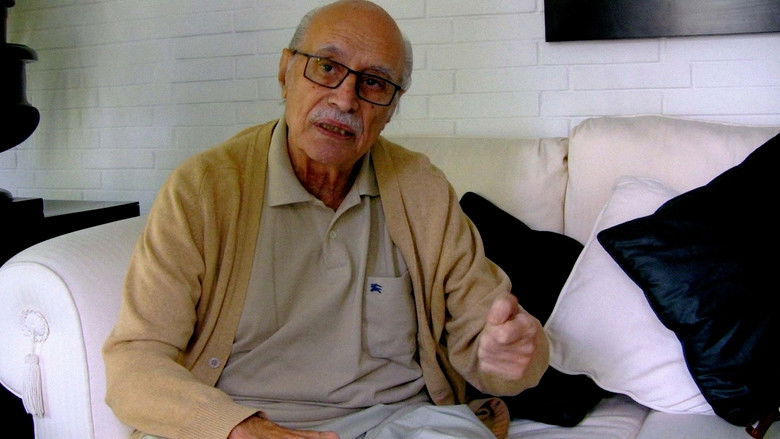
Spanish jurist and republican thinker Antonio García-Trevijano (1927-2018) expounds his political thought and reflects on the recent political history of Spain.
A documentary film about Comanche activist LaDonna Harris, who led an extensive life of Native political and social activism, and is now passing on her traditional cultural and leadership values to a new generation of emerging Indigenous leaders.