
The More We Are Together (1969)
A portrait of Eric Lyons and Span, under the scrutiny of Ian Nairn, as well as the residents of their estates.
A portrait of Eric Lyons and Span, under the scrutiny of Ian Nairn, as well as the residents of their estates.
Robert CushmanSelf - Narrator (voice)Eric LyonsSelfIan NairnSelf - Locations Commentator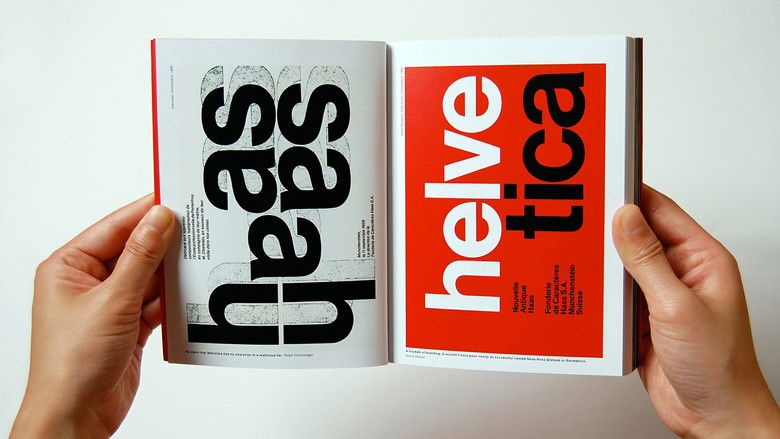
Helvetica is a feature-length independent film about typography, graphic design and global visual culture. It looks at the proliferation of one typeface (which will celebrate its 50th birthday in 2007) as part of a larger conversation about the way type affects our lives. The film is an exploration of urban spaces in major cities and the type that inhabits them, and a fluid discussion with renowned designers about their work, the creative process, and the choices and aesthetics behind their use of type.
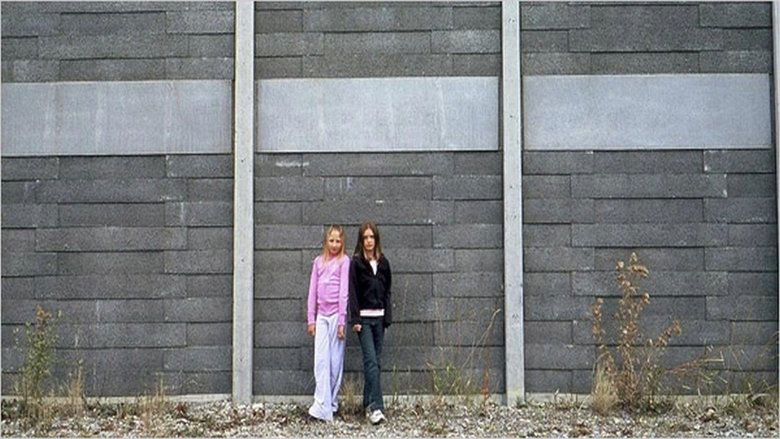
Since the end of World War II, one of kind of urban residential development has dominate how cities in North America have grown, the suburbs. In these artificial neighborhoods, there is a sense of careless sprawl in an car dominated culture that ineffectually tries to create the more organically grown older communities. Interspersed with the comments of various experts about the nature of suburbia
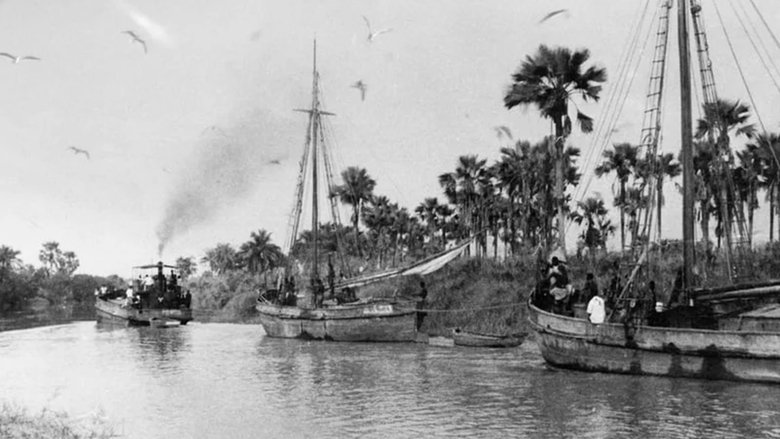
Angolan director and screenwriter Pocas Pascoal reminds us that it’s time for a change, proposing through this film a look at colonialism, capitalism, and their impact on global biodiversity. We observe that the destruction of the ecosystem goes back a long way and is already underway through land exploitation, big game hunting, and the exploitation of man by man.
Since World War II North Americans have invested much of their newfound wealth in suburbia. It has promised a sense of space, affordability, family life and upward mobility. As the population of suburban sprawl has exploded in the past 50 years Suburbia, and all it promises, has become the American Dream. But as we enter the 21st century, serious questions are beginning to emerge...
A panorama of scenic beauty unfolds as the newspaper delivery man works his run along Sydney's northern beaches of Newport and the Palm Beach area.
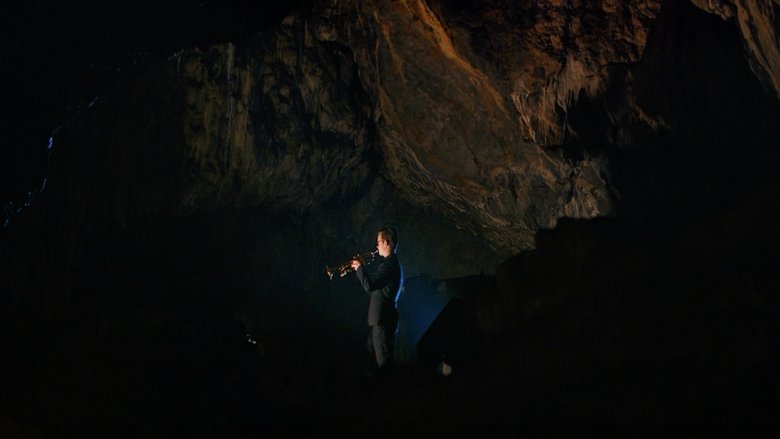
The Unanswered Ives is the first film about Charles Ives (1874-1954), an American modernist composer, one of the first American composers of international renown. The 60-minute documentary sheds light on Ives' life and work in all its facets and inconsistencies. American singer and composer Frank Zappa included Charles Ives in a list of influences that he presented in the liner notes of his debut album Freak Out! (1966). Ives continues to influence contemporary composers, arrangers and musicians. Planet Arts Records released Mists: Charles Ives for Jazz Orchestra. Ives befriended and encouraged a young Elliott Carter. In addition, Phil Lesh, bassist of the Grateful Dead, has described Ives as one of his two musical heroes.
From the series "The Modern World: Ten Great Writers", this playful documentary introduces James Joyce's most famous work "Ulysses". It includes fantastic adaptations to film from passages of the novel. It also includes excerpts from a book written by Joyce's friend, the artist Frank Budgen, entitled "James Joyce and the making of Ulysses". Amongst those interviewed is author Anthony Burgess.
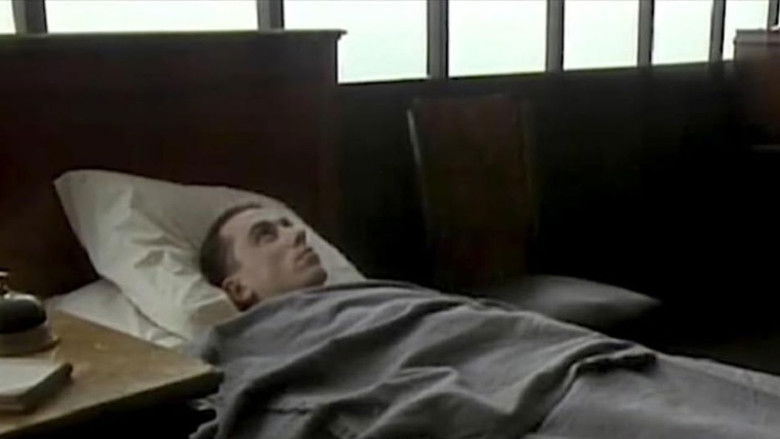
BBC documentary about Franz Kafka played by GREEK TV in 1990. This documentary is one of the ten films of “The Modern World: Ten Great Writers (1988)”.
Iceland's first non-narrative full-feature film's focus is set on presenting Iceland in a way it has never been presented before, using various elements of high-end cinematography. There are places everyone knows, but there are also thousands of well hidden places. To find these locations one has to be adventurous or a local, and to capture them right, one has to be creative and extremely patient.
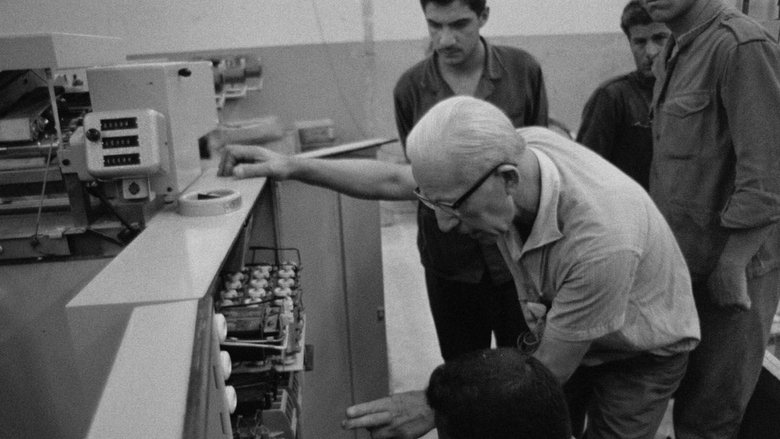
The film is a reportage showing the help of workers from the GDR in the industrial reconstruction of Syria. We witness the friendly relationship between workers from both countries, who are jointly involved in the construction of the cotton spinning mill in Homs. In impressive pictures the exoticism of the environment and the mentality of the Syrian hosts is shown. At the same time it becomes clear that the workers from the GDR become 'ambassadors of the GDR' through their collegial behaviour and good work.
With more than 300 days a year, the sun dominates this country so much that it’s even shining from their flag. It’s a barren land, sometimes it’s like it’s from another planet but still familiar. It is land of contrasts and colours with wide landscapes and fascinating deserts. Influenced by various cultures during colonization and now reborn from the shadows of Apartheid in 1990, Namibia gives a beautiful collage of culture, language, art, music and food. Everyone who loves an adventure should travel to Namibia, the precious corner of our world full of incredible natural wonders. The experience of endless landscapes and an unparalleled blaze of colour make Namibia unforgettable. NAMIBIA – THE SPIRIT OF WILDERNESS invites you on a trip whose fascination will never let you go: From the Namib Desert over the breath-taking Fish River Canyon to the spectacular Etosha National Park where you will see wild elephants, antelopes, giraffes, zebras and lions.
A Eurovision singer, Iceland's strongest woman, a male model, a plumber who wants to direct movies. They all work in the shopping mall that this documentary focuses on ... most of them want to get out, even just to the bigger mall down the road.
Rubén tries to describe the color blue as "The color of dreams, of art, of the ocean and of the firmament", thereby unleashing half a century of poetry.
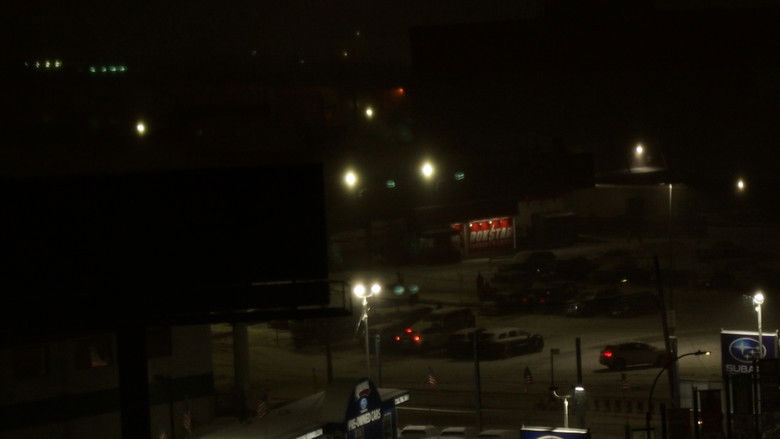
it was snowing in new york.
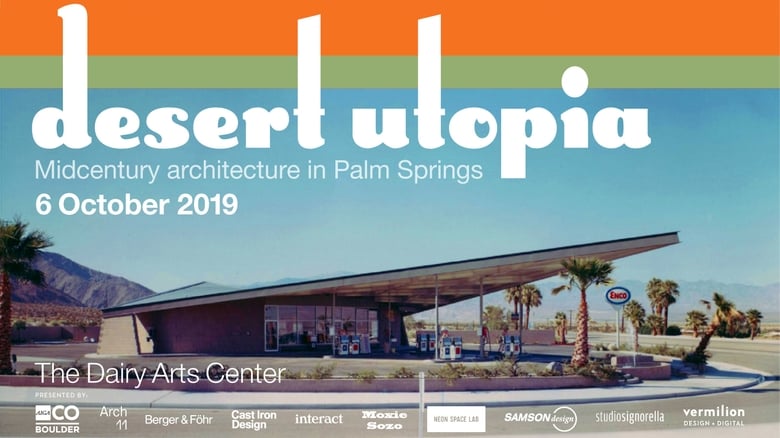
Southern California’s Coachella Valley, including the communities of Palm Springs, Palm Desert, Desert Hot Springs, boasts hundreds of extraordinary midcentury modern homes, public buildings and commercial structures. Modern designers such as William F. Cody, Albert Frey, William Krisel, John Lautner, Richard Neutra, R.M. Schindler, Donald Wexler, E. Stewart Williams left their collective mark on this desert paradise. Desert Utopia: Mid-Century Architecture in Palm Springs traces the history of modern architecture in Palm Springs from the first bold forays into modernist design to the preservation challenges facing the region today. Director Jake Gorst’s film features rare archival images and footage as well as interviews with historians, homeowners and the architects who helped create this mecca of modernism.
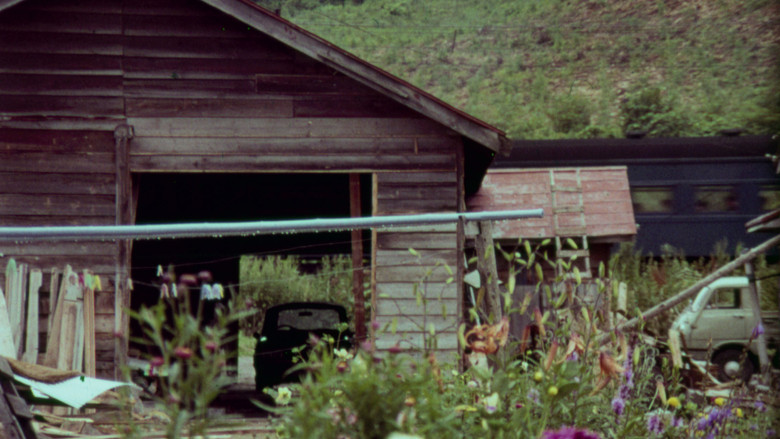
AKA Serial Killer documents the social upheaval and political oppression that roiled Japan in the 1960s, profiling a nineteen-year-old serial killer Norio Nagayama. An indictment of media sensationalism, the film humanizes the young man by situating his crimes in the larger context of his environment.
Architect Todd Saunders’s buildings on Fogo Island, Newfoundland embrace the excitement of being on the edge of nature and contemporary design while fulfilling the goal of doing ‘new things with old ways’. Saunders and commissioner, Zita Cobb, provide a personal account of the ideas and traditions that inspire this bold and socially ambitious architectural venture. Gorgeously photographed over the Island’s seven seasons, the film is a flowing, visual narrative that unfolds over time as the principal stage of the project, the Fogo Island Inn, approaches completion.
A history of the work of Merce Cunningham.
A short documentary on the River Ouse, following it downstream from Lewes to Newhaven, meditating on the surrounding area.
In a remote area of northern Spain, the wind has a name: Tramuntana. Tramuntana takes what it wants—clothes, trees, boats, and the people of the landscape who live with the endless threat of being carried away by its force. This film is a lyrical portrait of this furious wind, woven from the stories passed down by local villagers.