
Samsara (2011)
Filmed over nearly five years in twenty-five countries on five continents, and shot on seventy-millimetre film, Samsara transports us to the varied worlds of sacred grounds, disaster zones, industrial complexes, and natural wonders.
Filmed over nearly five years in twenty-five countries on five continents, and shot on seventy-millimetre film, Samsara transports us to the varied worlds of sacred grounds, disaster zones, industrial complexes, and natural wonders.
 Ni Made Megahadi PratiwiDancer: Valinese Tari Legong Dancers, IndonesiaPuti Sri Candra DewiDancer: Valinese Tari Legong Dancers, IndonesiaPutu Dinda PratikaDancer: Valinese Tari Legong Dancers, IndonesiaMarcos LunaTattoo Daddy: USAHiroshi IshiguroProfessor and Robot Clone: JapanOlivier De SagazanMan At Desk: FranceLadyboys of Cascade BarDancers: ThailandKikumaruGeisha: JapanCrisanto NeireLead Singer: Cebu Provincial Detenton Center, PhilippinesRobert HenlineUS Army Veteran: USA (as Staff Sergeant Robert Henline)
Part two of Leni Riefenstahl's monumental examination of the 1938 Olympic Games, the cameras leave the main stadium and venture into the many halls and fields deployed for such sports as fencing, polo, cycling, and the modern pentathlon, which was won by American Glenn Morris.
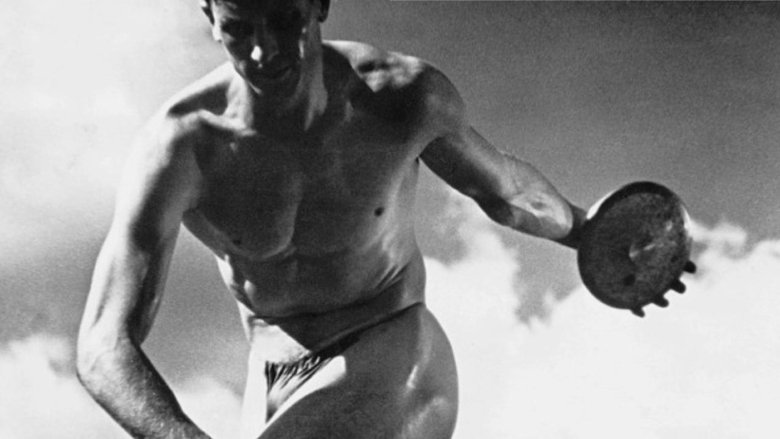
Starting with a long and lyrical overture, evoking the origins of the Olympic Games in ancient Greece, Riefenstahl covers twenty-one athletic events in the first half of this two-part love letter to the human body and spirit, culminating with the marathon, where Jesse Owens became the first track and field athlete to win four gold medals in a single Olympics.
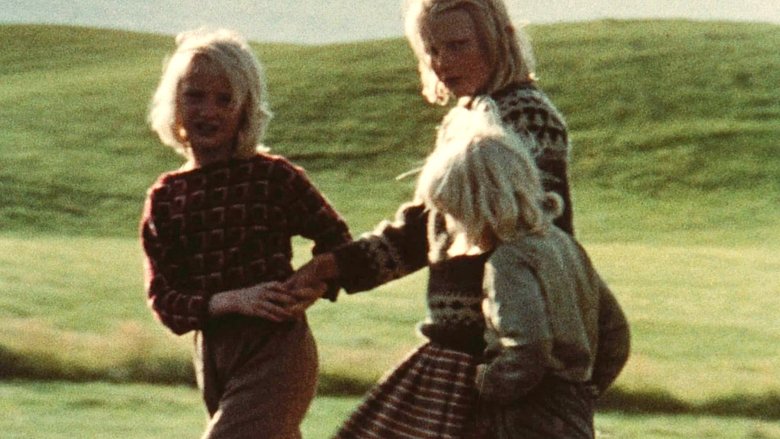
A woman narrates the thoughts of a world traveler, meditations on time and memory expressed in words and images from places as far-flung as Japan, Guinea-Bissau, Iceland, and San Francisco.
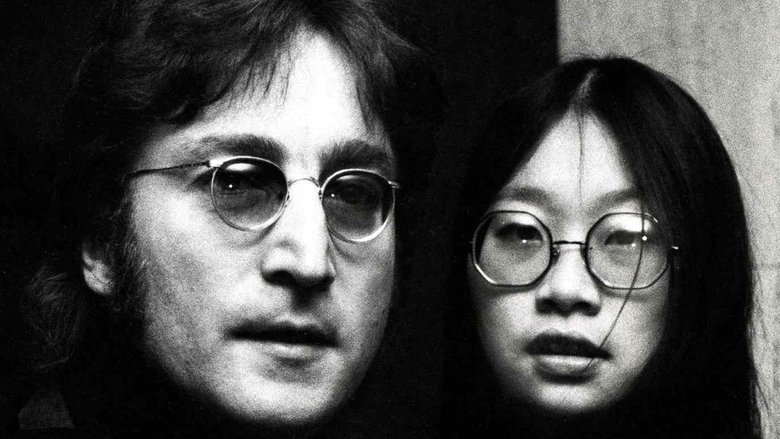
May Pang lovingly recounts her life in rock & roll and the whirlwind 18 months spent as friend, lover, and confidante to one of the towering figures of popular culture, John Lennon, in this funny, touching, and vibrant portrait of first love.
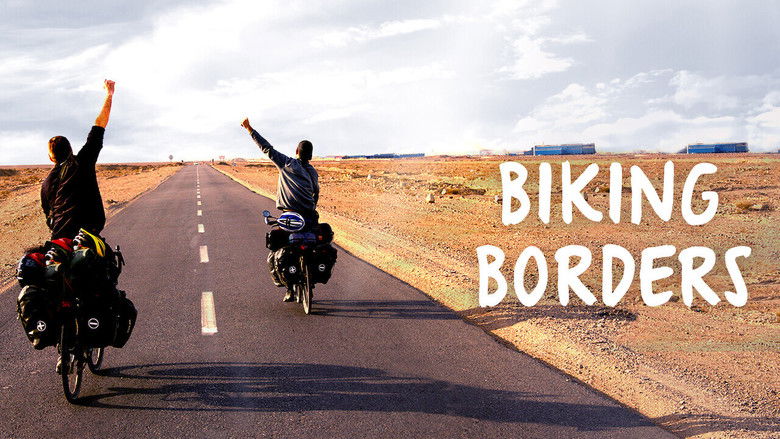
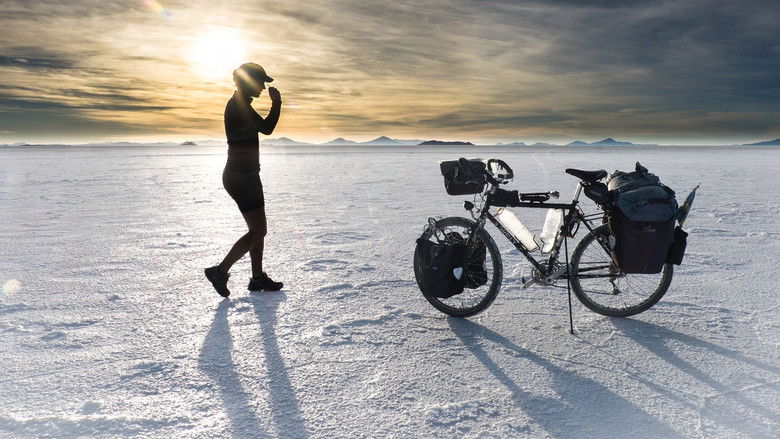
Best friends Max and Nono bike from Berlin to Beijing, collecting donations to build a school for a unique fundraising adventure in this documentary.
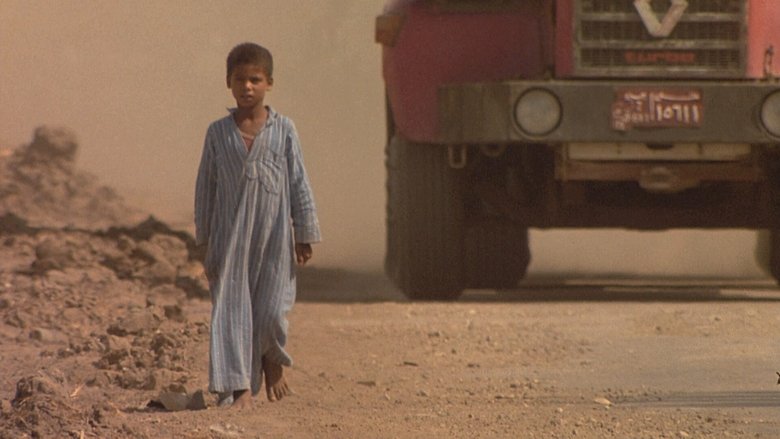
An exploration of technologically developing nations and the effect the transition to Western-style modernization has had on them.
A real-time reconstruction of time-lapse photographs taken on board the International Space Station by NASA’s Earth Science & Remote Sensing Unit. The film is scored with musical selections from three albums by Phaeleh (producer Matt Preston): Lost Time, Illusion of the Tale, and Somnus. The music directly influenced the choice of material used in the film. The film's duration is approximately the length of time it takes ISS to orbit the Earth once: 92 minutes and 39 seconds. Meditate on the beauty of our planet.
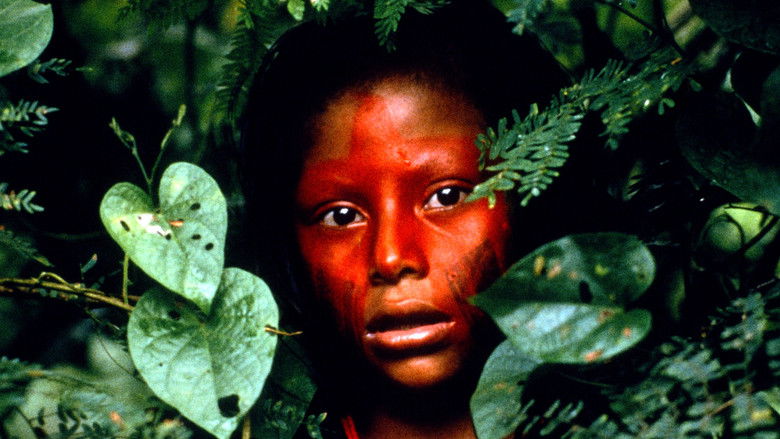
A paralysingly beautiful documentary with a global vision—an odyssey through landscape and time—that attempts to capture the essence of life.
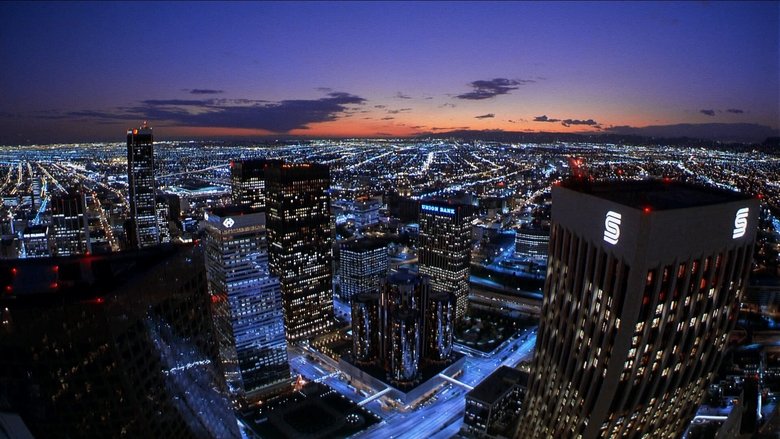
Carefully picked scenes of nature and civilization are viewed at high speed using time-lapse cinematography in an effort to demonstrate the history of various regions.
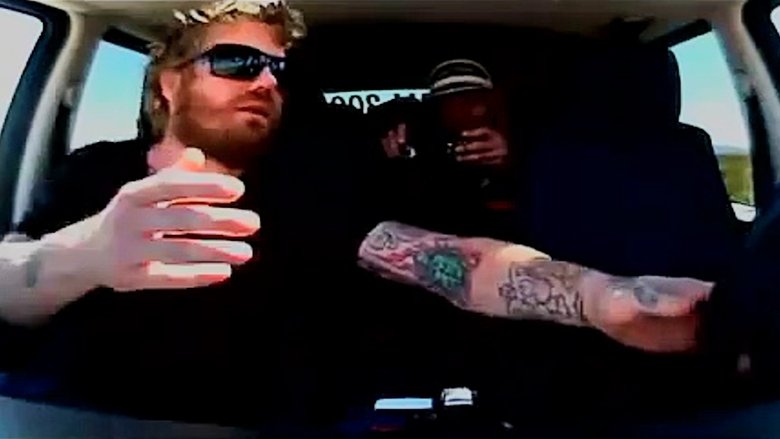
A group of professional skateboarders and their friends take part in the Gumball 3000 rally, an 8 day race around the world from London to Los Angeles.

A visual montage portrait of our contemporary world dominated by globalized technology and violence.
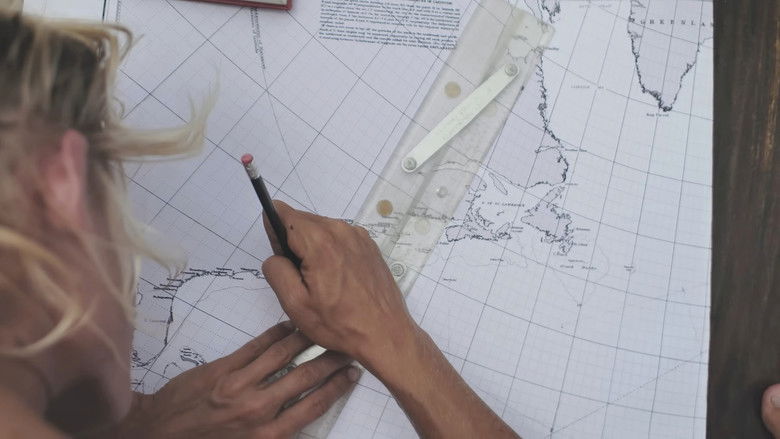
Shot over the course of 30 days at sea, filmmaker Alizé Jireh documents the group’s voyage across the North Atlantic—from moments of stillness and calm to the chaos of storms and setbacks. With an observational approach and an eye for the emotional and physical rhythms of life at sea, Jireh captures not just the external landscape, but the internal shifts that come with navigating the vast unknown.
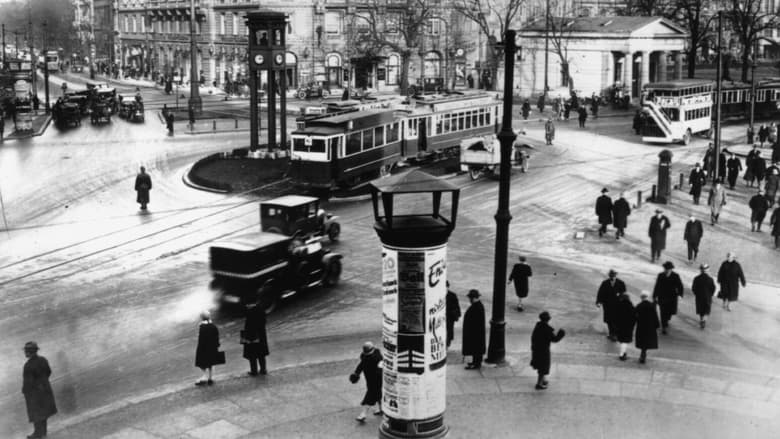
A day in the city of Berlin, which experienced an industrial boom in the 1920s, and still provides an insight into the living and working conditions at that time. Germany had just recovered a little from the worst consequences of the First World War, the great economic crisis was still a few years away and Hitler was not yet an issue at the time.
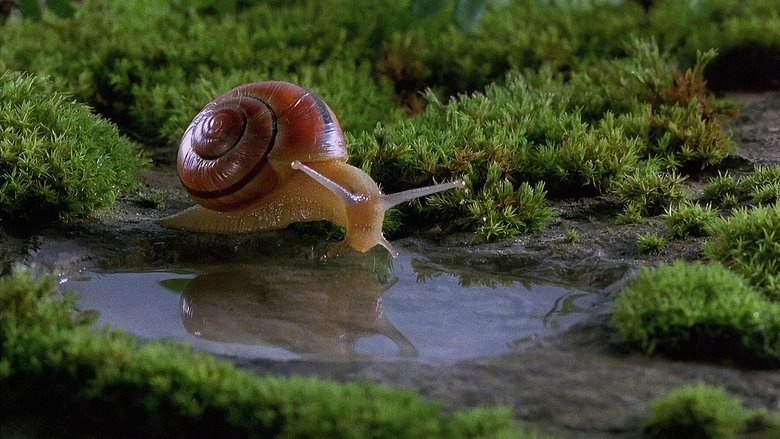
A documentary of insect life in meadows and ponds, using incredible close-ups, slow motion, and time-lapse photography. It includes bees collecting nectar, ladybugs eating mites, snails mating, spiders wrapping their catch, a scarab beetle relentlessly pushing its ball of dung uphill, endless lines of caterpillars, an underwater spider creating an air bubble to live in, and a mosquito hatching.
After the sunset, a man wonders between the edges of the highways gathering edible roadkill animals.
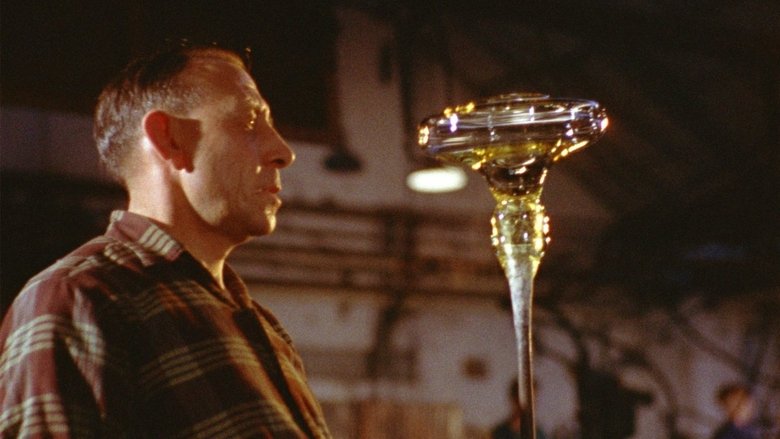
This short documentary, shot in the glass factories of Leerdam and Schiedam, demonstrates how glass blowers do their work. But thanks to the superbly edited ballet of working hands and the sequence of mechanical motions of the engines, is it especially a cinematic tour de force. That the industry can’t do without man’s involvement is shown in the scene where we hear the voice of Haanstra himself counting the bottles on the conveyor belt, until one bottle breaks…
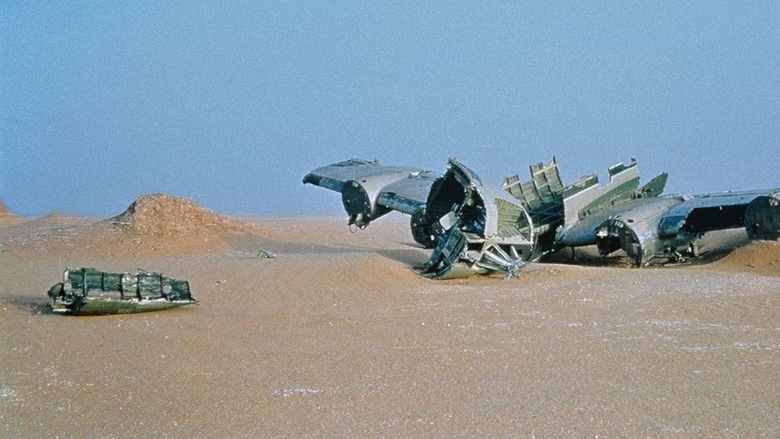
Shot under extreme conditions and inspired by Mayan creation theory, the film contemplates the illusion of reality and the possibility of capturing for the camera something which is not there. It is about the mirages of nature—and the nature of mirage.
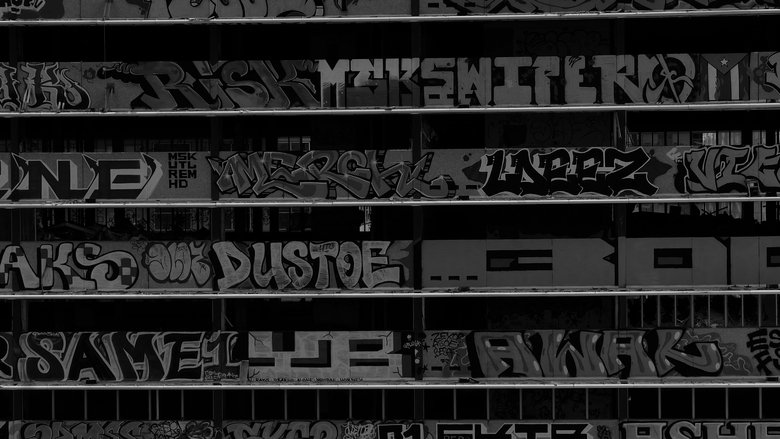
"The Pig and the Society," symbolizes the stark contrast between the excesses of wealth and the plight of those left behind. It invites viewers to reflect on their perceptions and prejudices, challenging them to see beyond the surface and understand the systemic issues perpetuating homelessness.
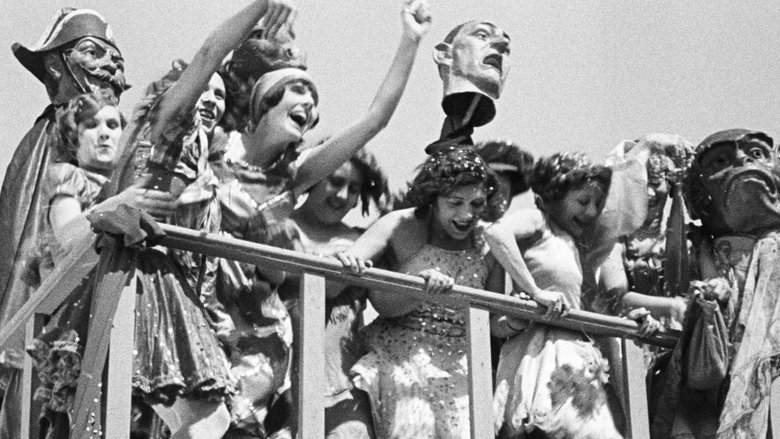
What starts off as a conventional travelogue turns into a satirical portrait of the town of Nice on the French Côte d'Azur, especially its wealthy inhabitants.