
GONE (2022)
As development encroaches on a farming community, they struggle with the loss of their heritage and land.
As development encroaches on a farming community, they struggle with the loss of their heritage and land.
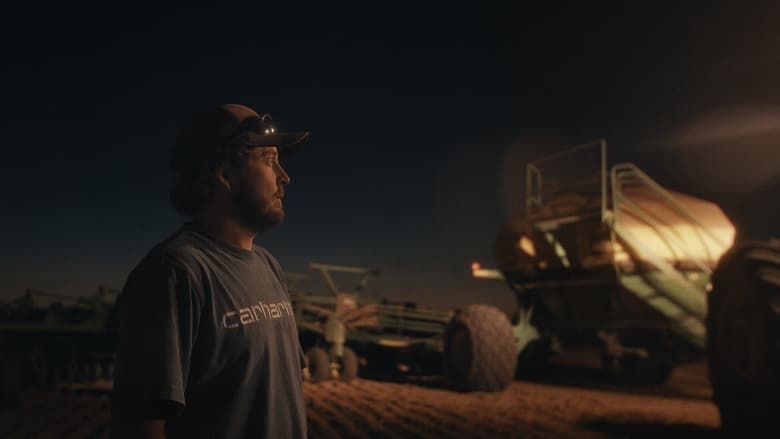
Is there a mental health crisis in agriculture in Colorado? Farming and ranching has become increasingly difficult over the years. An industry that is typically viewed as romantic, hardworking, and "salt-of-the earth" is actually a job full of tremendous stress outside of anyone's control. Combine that with the enormous generational pressure to continue the family farm, and you have a large group of people that are suffering silently. How do we take care of those that are taking care of us?
The construction of the Obelisco in Buenos Aires, Argentina.
An intimate portrait of Christopher Alexander, a critic of modern architecture on a lifelong quest to build harmonious, livable places in today’s world. The film tells the story of two projects – a spectacular high school in Japan and an innovative homeless shelter in California. For Alexander, feelings come first, users are deeply engaged and process is paramount. We discover what happens when an architect’s unconventional method collides with standard practices in his profession.
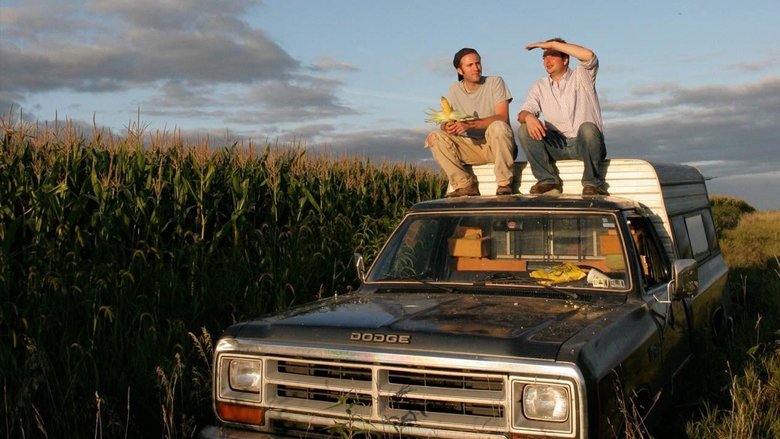
King Corn is a fun and crusading journey into the digestive tract of our fast food nation where one ultra-industrial, pesticide-laden, heavily-subsidized commodity dominates the food pyramid from top to bottom – corn. Fueled by curiosity and a dash of naiveté, two college buddies return to their ancestral home of Greene, Iowa to figure out how a modest kernel conquered America. With the help of some real farmers, oodles of fertilizer and government aide, and some genetically modified seeds, the friends manage to grow one acre of corn. Along the way, they unlock the hilarious absurdities and scary but hidden truths about America’s modern food system in this engrossing and eye-opening documentary.
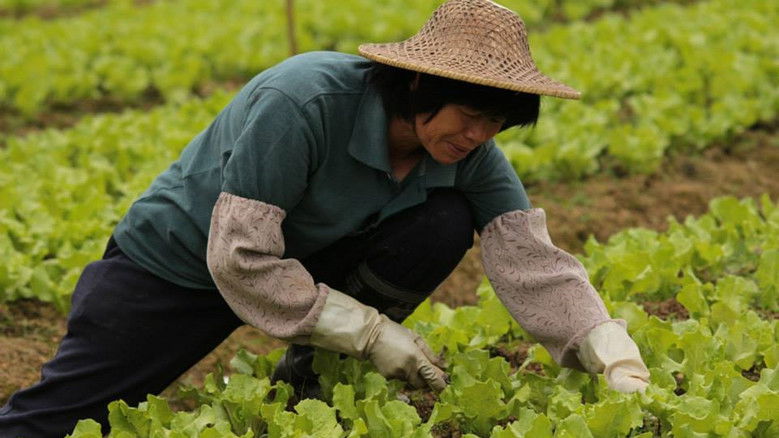
In such a difficult situation in Hong Kong agriculture, to local farmers, before expecting a good harvest, they have to first overcome the problems caused by agricultural policy implementation, land policy and urban development in Hong Kong. This film is about three middle-aged local organic farmers and their farming stories: A peasant leader, who faces political infiltration in organization, decides to quit and focuses on his farming; a rural woman who fights against North East New Territories development plan and taking care of her sick husband at the same time, decides to combine family life with her home farming; a sixty years old truck driver who decides to have a career change, trying to live a fearless and free life as a farmer.
This film recreates the true story of Tom Sukanen, an eccentric Finnish immigrant who homesteaded in Saskatchewan in the 1920s and 1930s. Sukanen spent ten years building and moving overland a huge iron ship that was to carry him back to his native Finland. The ship never reached water.
Since World War II North Americans have invested much of their newfound wealth in suburbia. It has promised a sense of space, affordability, family life and upward mobility. As the population of suburban sprawl has exploded in the past 50 years Suburbia, and all it promises, has become the American Dream. But as we enter the 21st century, serious questions are beginning to emerge...
"At the beginning of the 19th century there is no Chicago. There was a fort that was set on fire by Indians shortly thereafter. Later, the turbulent expansion of a settlement began, which became a center for the immigrant workforce, traditional industry, slaughterhouses, and, in 1941, armaments for war. The Windy City on Lake Michigan is the fastest changing city in the world. This 35mm Arriflex film time-lapse footage is annotated with classic techno cuts and information about the tunnels under Chicago, the slaughterhouses, organized crime, Sears & Roebuck catalogs and other peculiarities of this strange city."
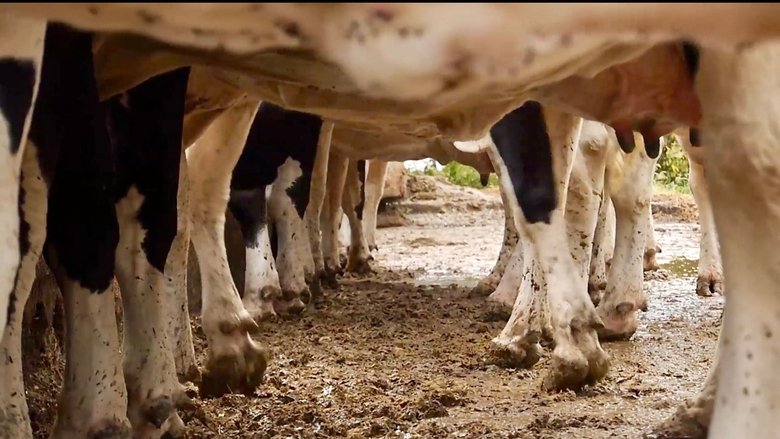
Cows With No Name is almost a diary, filmed one day at a time, of each stage of this process, documenting the operation of the farm with critical and incisive humour. But it is also an intimate documentary. By filming scenes of daily life on the family farm, around the kitchen table during meals, or in front of the TV in the evening while everyone falls asleep on the sofa, more personal questions are raised: the farmer’s connection to his herd, or even the handover that Hubert has chosen not to ensure.
How safe is the future of the world’s food? This documentary explores a growing crisis in world agriculture. Plant breeding has created today’s crops, which are high yielding but vulnerable to disease and insects. To keep crops healthy, breeders tap all the genetic diversity of the world’s food plants. But that rich resource is quickly being wiped out. (NFB)
Shot in Southern England over the course of six weeks by a crew of three American filmmakers, CircleSpeak offers a nuanced look at the passions and beliefs of the people immersed in the crop circle phenomenon during the season of 2001. This feature-length documentary presents interviews with serious “researchers”, self-proclaimed “hoaxers”, local farmers and villagers who are all, in one way or another, involved in this strange and compelling summer spectacle taking place year after year.
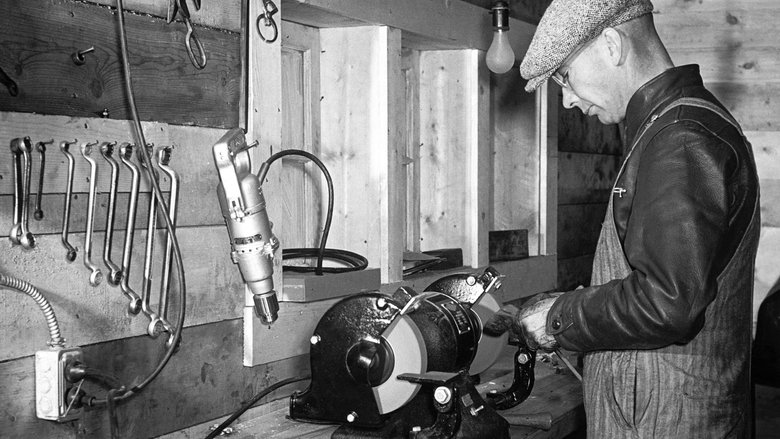
A farming community organizes to obtain hydro power under Manitoba's rural electrification plan. Energetic canvassing wins over those hesitant to share, for the good of all, the initial expense. The abundant return in comfort, convenience, efficiency and financial advantage is described in concluding sequences.
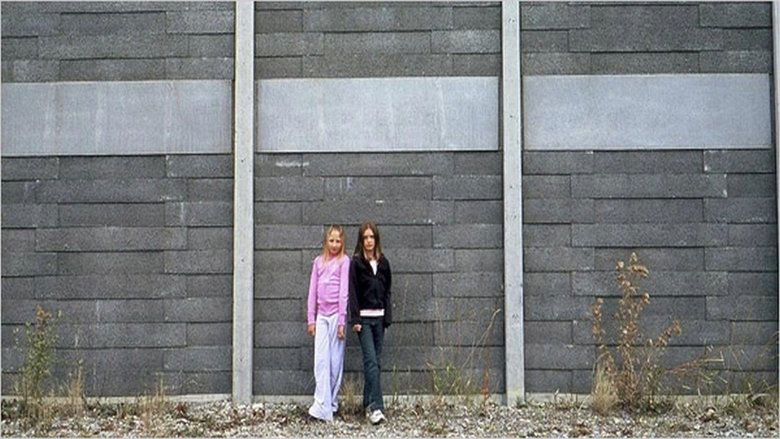
Since the end of World War II, one of kind of urban residential development has dominate how cities in North America have grown, the suburbs. In these artificial neighborhoods, there is a sense of careless sprawl in an car dominated culture that ineffectually tries to create the more organically grown older communities. Interspersed with the comments of various experts about the nature of suburbia
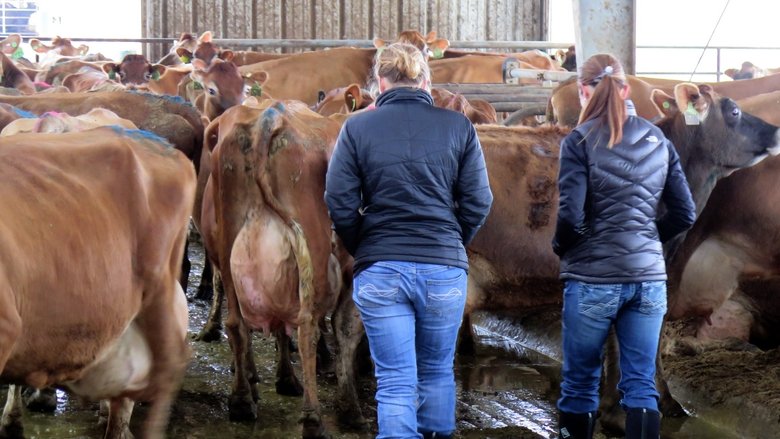
As the global economics of dairy farming has winnowed out most small and medium-sized dairies, the surviving farmers confront pressures to intensify production, even as they find that getting bigger presents new problems.
Sepp Holzer explains some of the innovative, labour-saving agricultural techniques he applies at his farm in the Eastern Alps of Salzburg, Austria.
A partnership between the Government of Mali and an American agricultural investor may see 200-square kilometers of Malian land transformed into a large-scale sugar cane plantation. Land Rush documents the hopes, fears, wishes, and demands of small-scale subsistence farmers in the region who look to benefit, or lose out, from the deal.
Indigenous farmers in Peru, Nicaragua, Italy, France, Australia and New Zealand share their intimacy with the land and the seeds they have nurtured for generations; global corporations attempt to 'own' the intellectual property of seeds.
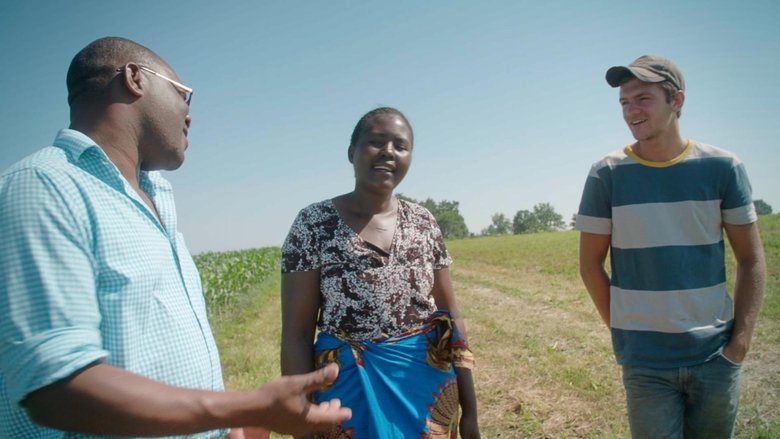
Anita Chitaya has a gift: she can help bring abundant food from dead soil, she can make men fight for gender equality, and maybe she can end child hunger in her village. Now, to save her home in Malawi from extreme weather, she faces her greatest challenge: persuading Americans that climate change is real. Traveling from Malawi to California to the White House, she meets climate sceptics and despairing farmers. Her journey takes her across all the divisions that shape the USA: from the rural-urban divide, to schisms of race, class and gender, and to the American exceptionalism that remains a part of the culture. It will take all her skill and experience to help Americans recognise, and free themselves from, a logic that is already destroying the Earth.
Turlock, chronicles the story of over 50,000 animals left to starve to death in Turlock California in February 2012. Faced with the largest animal neglect case in US history, ANIMAL PLACE, a sanctuary for farmed animals, puts everything on the line in an effort to save as many lives as possible. Through the emotional darkness of witnessing tremendous cruelty and neglect, rescuers find light in the fragile beings they are able to save. Produced by First Spark Media, Animal Place and a grant from The Pollination Project, the film delves into the reality of animal farming and raises questions about how we view non-human animals in our society today.
Rotterdam 2040 is a film about the city’s future, departing from the principle of Gyz La Rivière that you can’t look ahead without considering your past (something that hasn’t always been Rotterdam’s strongest feature). At high speed, La Rivière reconstructs the history of Rotterdam from the time before the bombings until now, and expands the developments to the year 2040 (100 years after the bombing and the 700th anniversary of the city). La Rivière made a specific choice to expose his personal vision, which is sometimes radical or a little absurd. So no experts and no talking heads, but an assault of old and new imagery, held together by La Rivière as the narrator of the film. Although Rotterdam 2040 deals with architecture and urban renewal, it is actually a film about people. The subjective experience of the city by its (future) occupants mainly determines the parade of architectural blunders and suggestions for the future. All tongue-in-cheek of course.