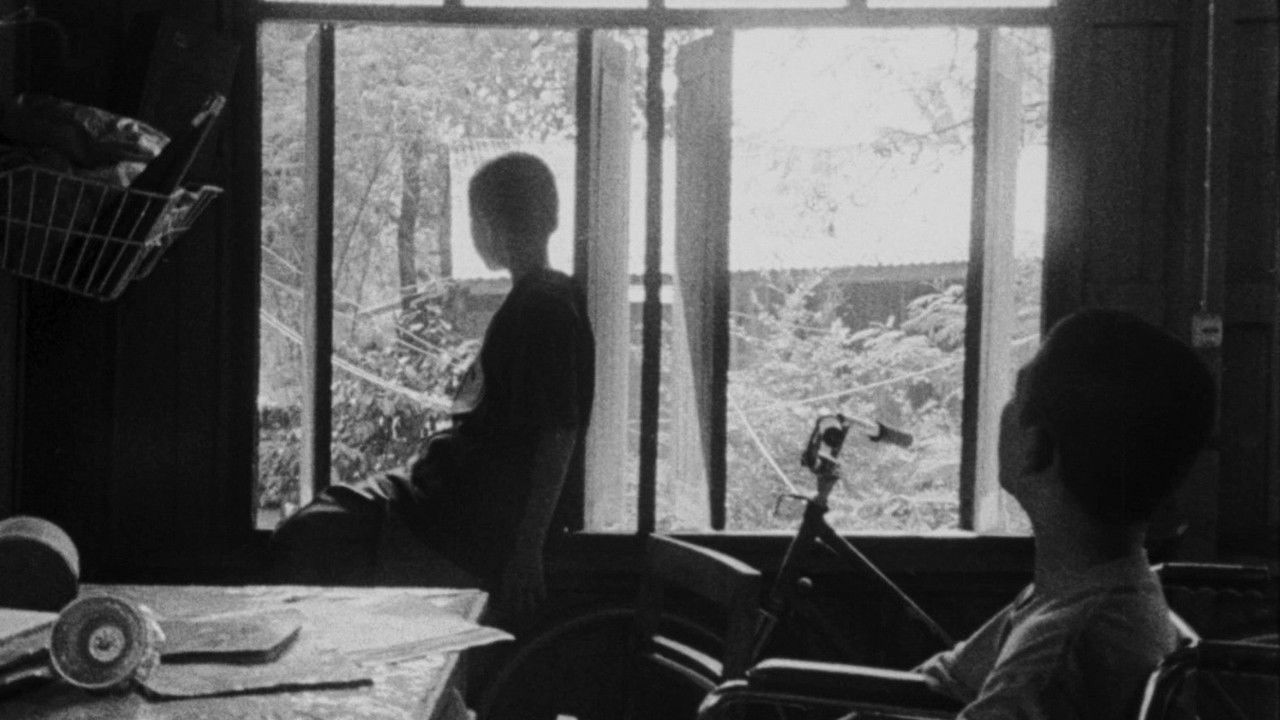
Mysterious Object at Noon (2000)
A camera crew travels through Thailand asking villagers to invent the next chapter of an ever-growing story.
A camera crew travels through Thailand asking villagers to invent the next chapter of an ever-growing story.
 Duangjai HiransriDogfahr 1
 Somsri PinyopolDogfahr 2Kannikar NarongDogfahr 3To Hanudomlapr
 Kongkiat KhomsiriJaruwan TechasatiernDoctorThanit NiyomprasitCrippled Boy 2Chakree DuangklaoNeighbour
A short documentary about the Making Of Hitchcock's "Shadow of a Doubt" (1943).
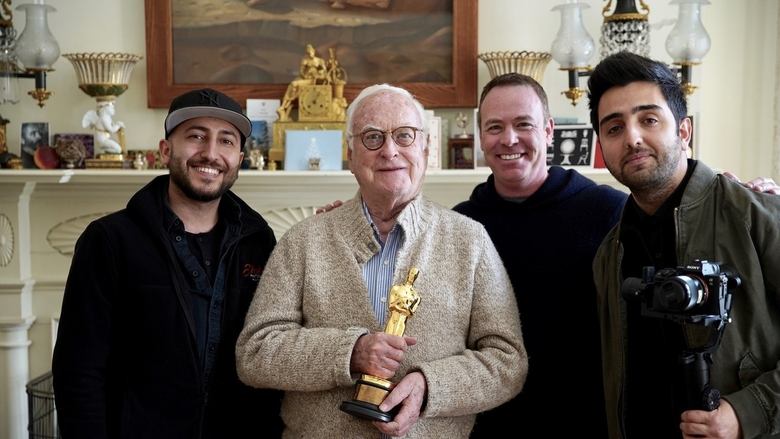
The first definitive feature documentary to lend new and compelling perspectives on the partnership, both professional and personal, of director James Ivory, producer Ismail Merchant, and their primary associates, writer Ruth Prawer Jhabvala and composer Richard Robbins. Footage from more than fifty interviews, clips, and archival material gives voice to the family of actors and technicians who helped define Merchant Ivory’s Academy Award-winning work of consummate quality and intelligence. With six Oscar winners among the notable artists participating, these close and often long-term collaborators intimately detail the transformational cinematic creativity and personal and professional drama of the wandering company that left an indelible impact on film culture.
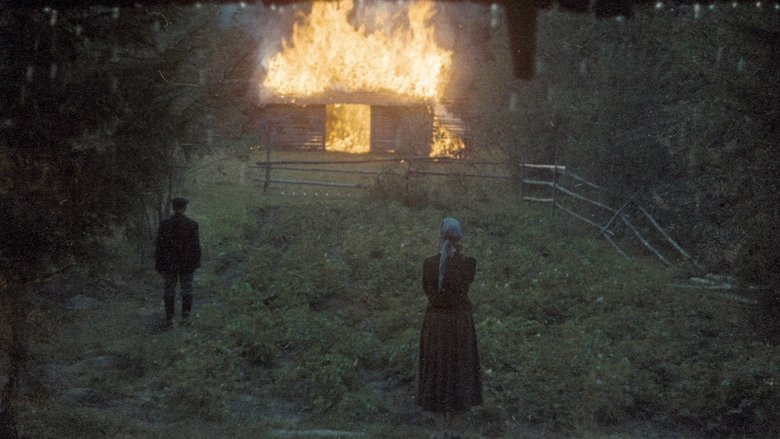
A dying man in his forties recalls his childhood, his mother, the war and personal moments that tell of and juxtapose pivotal moments in Soviet history with daily life.
A film crew hijacks their company's current production and improves it behind the director's back.
Boon is a cop working in the Bangkok Narcotics Control Board. His father just happens to be the officer in charge and is a senior police general. He and other cops go on a raid to catch some relatively small amphetamine dealers. During the raid the dealers shoot at the police while fleeing. They are shot dead on the spot. However he sees what appears to be a "pregnant woman" who runs off and Boon gives chase. When he catches up, he corners "her" but as "she" is pregnant he cannot bring himself to pull the trigger and "she" escapes. He is sent undercover and told to pose as a gay while finding out if any drug dealing is going on in a nightclub where it is suspected the kingpins are based. He falls in love with a singer there who is the daughter of the boss he is supposed to be watching. When he eventually finds out they are indeed major dealers can he do his duty or will he fail due to his new love and whose side will she be on when she finds out everything?
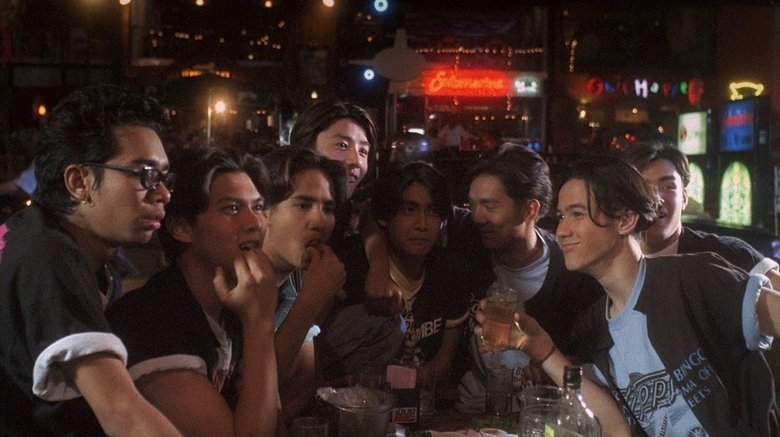
In 1977, there's a fight between soldiers and communists in a village along the border. Sak, a teacher in the village, loses his wife and his young daughter but his son is saved by Pew who later adopts him and changes his name to Tin.
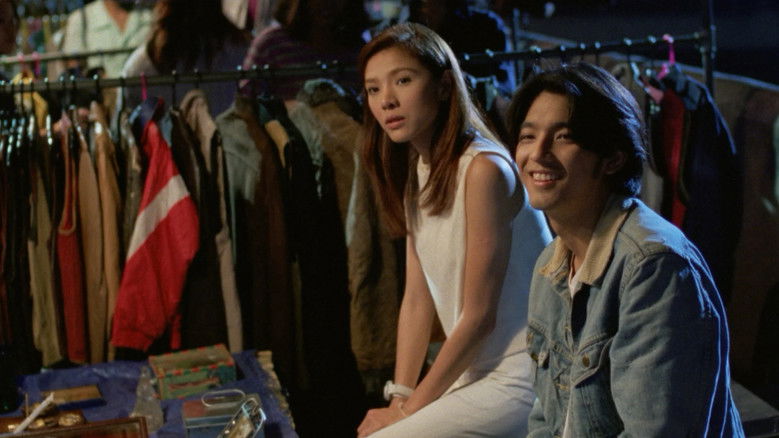
Love always plays a trick, like as a love story of Pim. She determines to be the greatest superstar and Thana, a rich man who encourages her to catch that dream. Meanwhile, she is still in love with Nai, a poor man, who always loves her.
Actors Anne Dorval, Suzanne Clément, Monia Chokri, Gaspard Ulliel, Vincent Cassel, Niels Schneider and Melvil Poupaud discuss working with the young Canadian director Xavier Dolan, who has conquered the hearts of both cinema lovers and prestigious festival juries with his films. To French actress Nathalie Baye, he seems very experienced despite his young age, while Cannes Director Thierry Frémaux says he may be insolent, but everyone agrees he is passionate, creative, a perfectionist and... in a hurry.
A chronological look at the creative life of Luchino Visconti (1906-1976). It examines his theatricality, role in the neorealist movement, use of melodrama, and relation to decadence. It touches on the impact of a fabulously wealthy childhood, his writing for "Cinema," his politics, his work with Renoir, his appreciation of Thomas Mann, and his deep knowledge of literature and the arts. Visconti moves constantly between film and the theater, staging plays provocatively, working with Maria Callas at La Scala, and shooting films in theaters. Clips from his films and interviews with actors, crew members, and critics provide details for this portrait of creativity.
Handbook of Movie Theaters’ History is a documentary about the history, the development in the present days and the future of movie theaters in the city of Turin, Italy. It mixes the documentary language with comedy and fiction, and is enriched by interviews to some of the most important voices of Turin cinematography. The film follows the evolution of movie theaters by enlightening its main milestones: the pre-cinema experiences in the late 19th Century, the colossals and the movie cathedrals of the silent era, the arthouse theaters, the National Museum of Cinema, the Torino Film Festival, the movie theaters system today and the main hypothesis about its future.
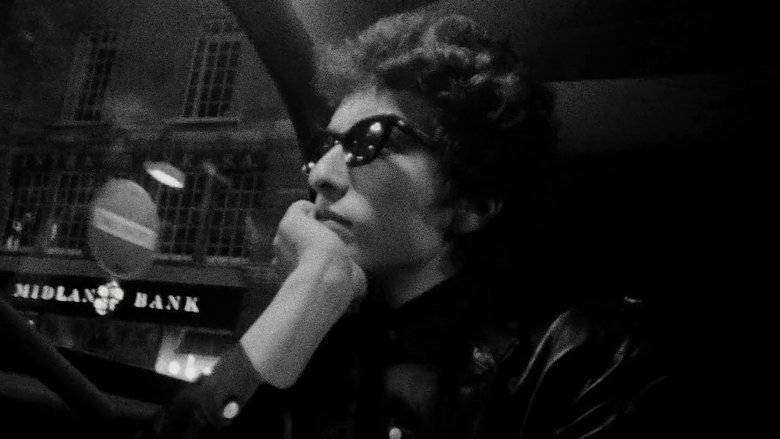
In this wildly entertaining vision of one of the twentieth century’s greatest artists, Bob Dylan is surrounded by teen fans, gets into heated philosophical jousts with journalists, and kicks back with fellow musicians Joan Baez, Donovan, and Alan Price.
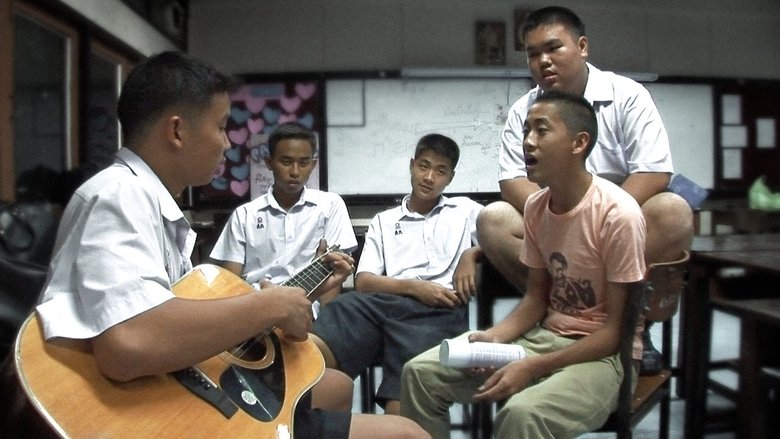
In this documentary, four boys spend their senior year of high school studying for college-entrance exams that only one in five students will pass.
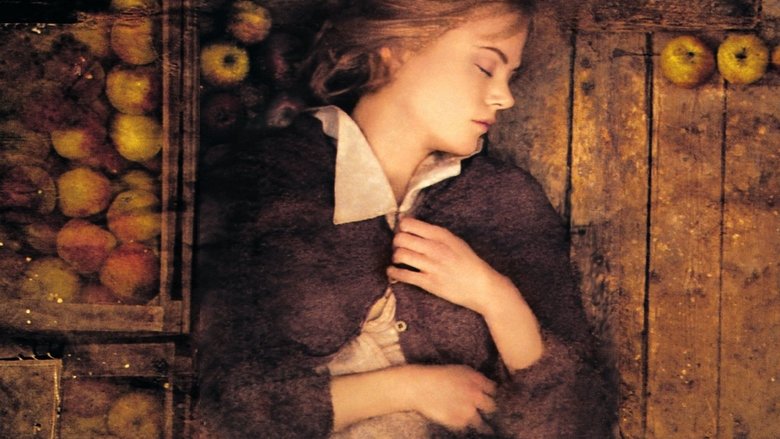
A woman on the run from the mob is reluctantly accepted in a small Colorado community in exchange for labor, but when a search visits the town, she learns that their support has a price.
Dangling from a high window, a young non-binary person is on the cusp of life and death. Flashes of film, literature, art (paintings) and cultural history pass them by, as if to tell a message. A postmodern treatise on connection to culture and the past.

A teenager leaves his classmates and heads home for the evening. Feeling frustrated and lonely, he sends a neutral text-message to a friend. From this point, this one-man DV experimental film presents a real-time exchange of incoming and outgoing messages, depicting a digital-era study of text-message relationships. Letter is the directorial debut of Japanese artist, filmmaker, and scholar Sasaki Yusuke when he was only 17. The film screened at the 2004 International Film Festival Rotterdam and won the Grand Prix at Image Forum Festival Tokyo in 2003. Sasaki holds a doctoral degree from the Tokyo University of the Arts and is currently a lecturer at Tottori University.
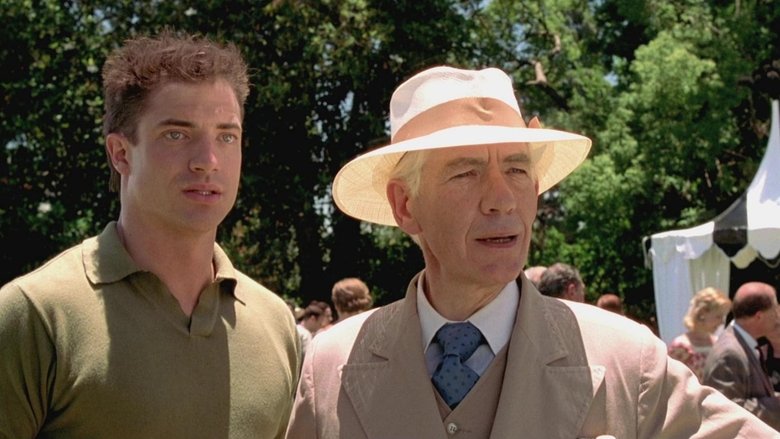
It's 1957, and James Whale's heyday as the director of "Frankenstein," "Bride of Frankenstein" and "The Invisible Man" is long behind him. Retired and a semi-recluse, he lives his days accompanied only by images from his past. When his dour housekeeper, Hannah, hires a handsome young gardener, the flamboyant director and simple yard man develop an unlikely friendship, which will change them forever.
Five young Europeans (German, English, and Irish) try to find answers to life's questions in India and Thailand.
A Senegalese storyteller travels to Belgium and observes the lives of African expatriates in Europe. Dreams and struggles great and small are explored.
A detailed history of documentary filmmaking in the US and the UK from 1929 to 1945. The first part, Working for Change, focuses on 1929-1941 and the social movements of the times, The Great Depression, The New Deal, and the awakening of the Leftwing in the UK. The second part, The Strategy of Truth, focuses on 1933-1946 and explores the role of film as propaganda during World War II, and the different forms it took in the US, the UK, and Germany.
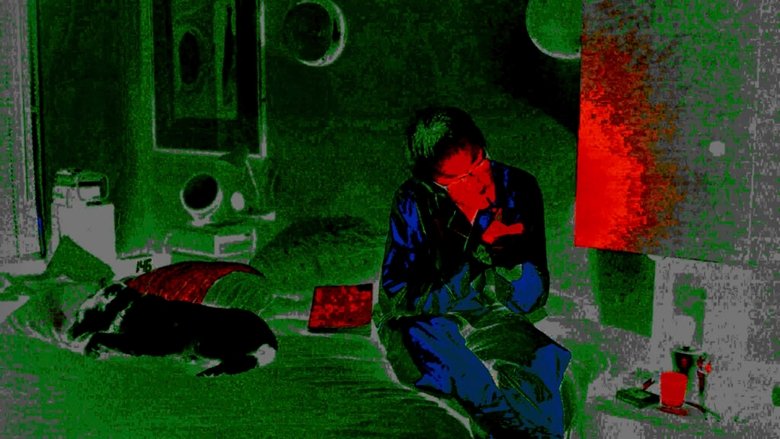
This free-form film is a self-portrait, which revisits more than 40 years of the author’s filmography and questions the major stations of his life, while capturing the political tremors of the time.