
Similar to São Paulo: Uma Cidade Segregada
Saigon, U.S.A. (2004)
Since the fall of Saigon in 1975, Vietnamese refugees have built the largest Vietnamese community outside of Vietnam, in Orange County, California. In 1999, "Little Saigon" burst onto the national stage when a store owner displayed a poster of Ho Chi Minh, triggering protests by Vietnamese Americans struggling to reconcile their past demons with their present lives. Saigon, U.S.A. uses this moment to examine this community's changing identity and growing empowerment.
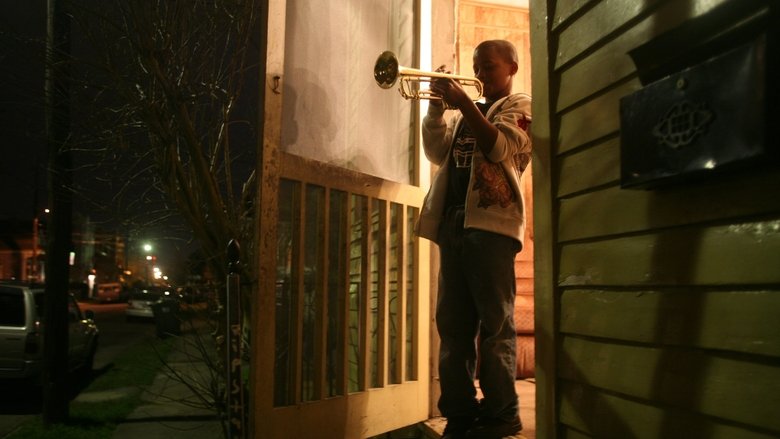
The Whole Gritty City (2013)
Young members of 3 New Orleans school marching bands grow up in America's most musical city, and one of its most dangerous. Their band directors get them ready to perform in the Mardi Gras parades, and teach them to succeed and to survive.
Unarmed Verses (2017)
Toronto filmmaker Charles Officer profiles the young people of Villaways Park, a housing project on brink of historic change.
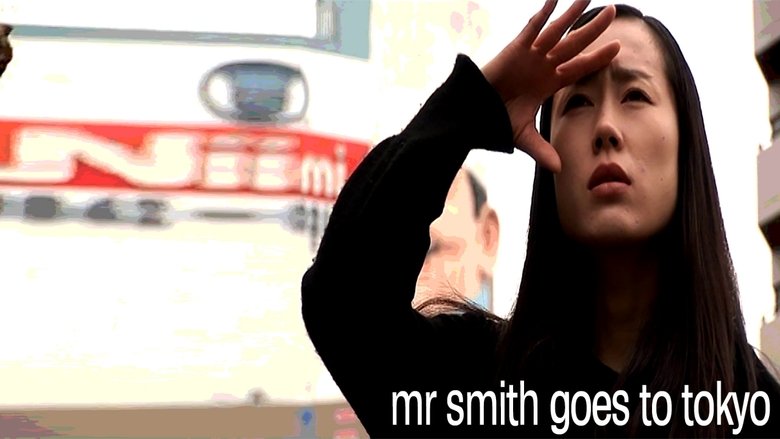
Mr. Smith Goes to Tokyo (2009)
When Tomoko finds some messages for a 'Mr Smith' on a lost mobile phone, she finds herself on an 'Alice in Wonderland' journey through Tokyo's boulevards and back alleys. From the tyranny of symmetry in soaring office blocks - to buildings that look like space-ships, this creative documentary shows us the city's soul.
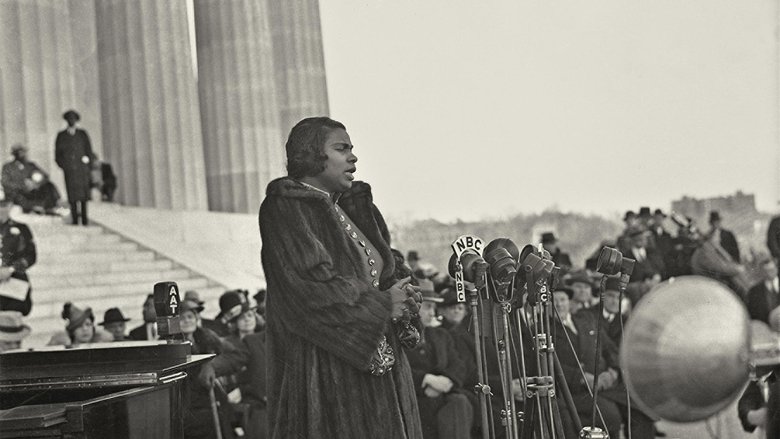
Voice of Freedom (2021)
On Easter Sunday, 1939, contralto Marian Anderson stepped up to a microphone in front of the Lincoln Memorial. Inscribed on the walls of the monument behind her were the words “all men are created equal.” Barred from performing in Constitution Hall because of her race, Anderson would sing for the American people in the open air. Hailed as a voice that “comes around once in a hundred years” by maestros in Europe and widely celebrated by both white and black audiences at home, her fame hadn’t been enough to spare her from the indignities and outright violence of racism and segregation.
This is How the Obelisk Was Born (1936)
The construction of the Obelisco in Buenos Aires, Argentina.
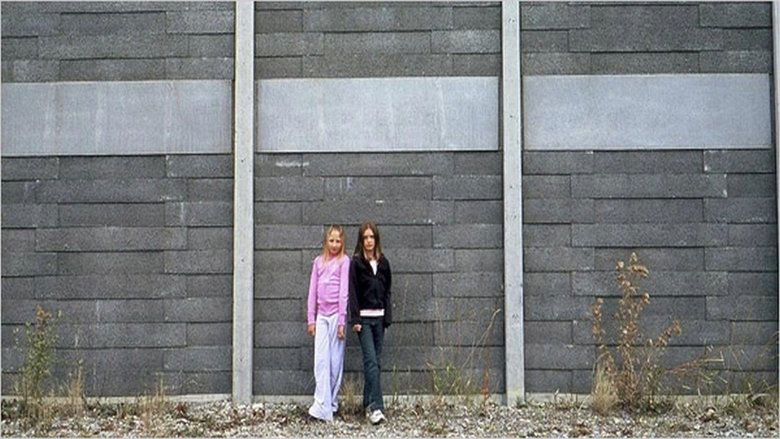
Radiant City (2007)
Since the end of World War II, one of kind of urban residential development has dominate how cities in North America have grown, the suburbs. In these artificial neighborhoods, there is a sense of careless sprawl in an car dominated culture that ineffectually tries to create the more organically grown older communities. Interspersed with the comments of various experts about the nature of suburbia
Universam Grochów (2018)
Universam Grochów was a now-defunct shopping and service mall that emerged in the 1970s in Warsaw's Praga-Południe district. This department store functioned as a shopping center and a hub for the social life of right-bank Warsaw. At the end of 2016, the iconic building was demolished. The film captures the final moments of the enterprise, with long-term and dedicated employees guiding us through its corridors. Their approach to work and economic model make Universam a living museum and a phenomenon at the intersection of urban planning and sociology. We also see the significant void left in the local community by the building's demolition.
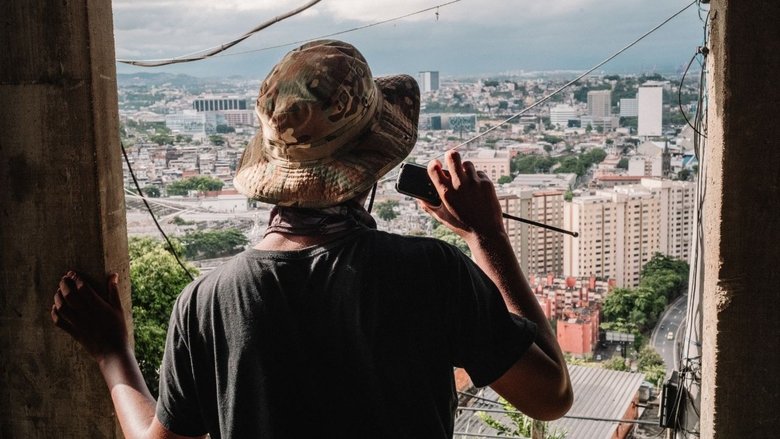
Favela Government
Brazil's "Red Command" drug cartel is considered a plague by the government. But for the people of the favelas they control, Red Command *is* the government. They’re the de facto leadership of the area. The gang has taken over the role of the authorities in their shanty towns, where the state has long abandoned them. Away Days got special access to the Rio favelas, hanging out out with young foot-soldiers, speaking to commanders, and seeing how civilians live between the gangs and the equally violent police militias.
Little White Lie (2014)
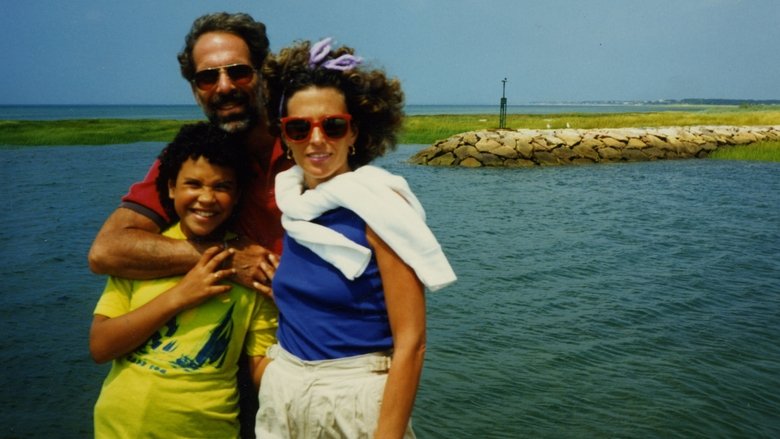
Lacey Schwartz grew up in a typical upper-middle-class Jewish household in Woodstock, NY, with loving parents and a strong sense of her Jewish identity - despite the open questions from those around her about how a white girl could have such dark skin. She believes her family's explanation that her looks were inherited from her dark-skinned Sicilian grandfather. But when her parents abruptly split, her gut starts to tell her something different. At age of 18, she finally confronts her mother and learns the truth: her biological father was not the man who raised her, but a black man named Rodney with whom her mother had had an affair.

Tall Poppy: A Skater's Story (2021)
A child who just loved to skate from the age of eight, Poppy Starr Olsen became the number one female bowl skater in Australia at 14 and went on to take out bronze at the XGames at 17 - the ultimate competition in the world of skateboarding. The same year, skateboarding was announced as an official additional sport category at the Tokyo 2020 Olympics. Now faced with the opportunity to represent Australia on the world stage Poppy grapples with the transition from skater to athlete and the pressure of competition mounts in a way it has never done before.
Skin of Glass (2026)
A poetic and personal cinematic meditation on displacement and loss, SKIN OF GLASS follows filmmaker Denise Zmekhol’s journey after discovering that her late father's most celebrated work as an architect, a modernist glass skyscraper in the heart of São Paulo, Brazil, has become occupied by hundreds of homeless families.
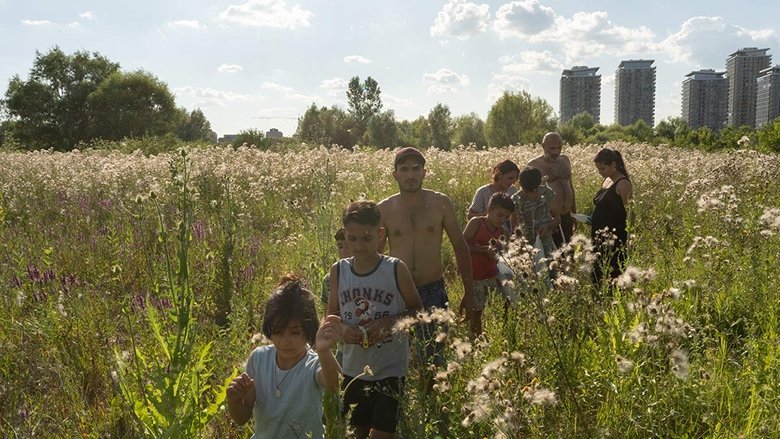
Acasă, My Home (2020)
In the wilderness of the Bucharest Delta, nine children and their parents lived in perfect harmony with nature for 20 years – until they are chased out and forced to adapt to life in the big city.
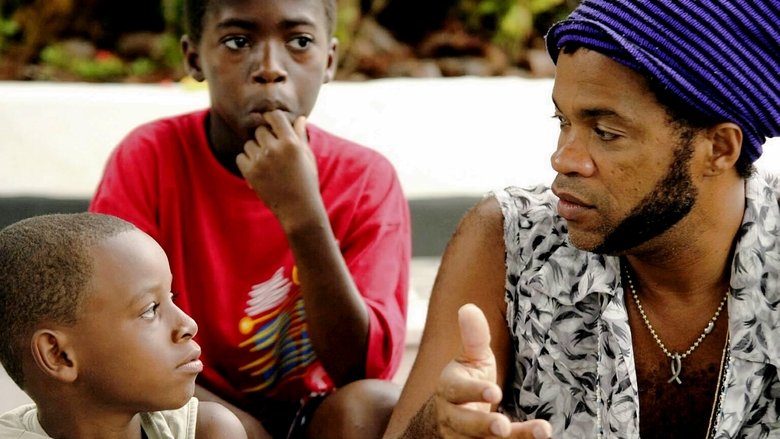
The Miracle of Candeal (2004)
The story of the Candeal favela in Salvador de Bahia, Brazil, where musician Carlinhos Brown carries out social and cultural initiatives that protect and enrich the lives of its inhabitants every day.
City by the Sea, or how to survive in Venice (1970)
Yannick Bellon's documentary paints a portrait of a city torn between the problem of unsanitary housing, pollution corroding walls and statues, and the recurring and increasing floods—all consequences of human activity. Faced with job shortages and rampant speculation, the overarching question arises of how industries can coexist with the city of Venice. Allowing them to develop risks destroying it; driving them out risks turning it into a museum, causing its inhabitants, and thus its soul, to leave.
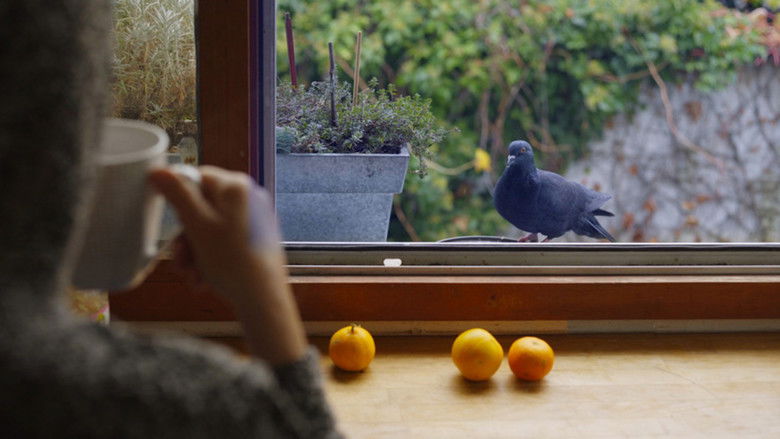
Mes voisins sauvages (2024)
You don't have to travel to faraway countries to observe wildlife, because the fauna of the big city also provides surprises every day. Contrary to expectations, many bird, mammal and insect species have adapted to the concrete jungle. They have become experts of the urban space. “My Wild Neighbors” takes a poetic look at the lives of animals in the city.
Smell of Diesel (2026)
The documentary portrays the collective traumas of the militarization of Rio de Janeiro’s favelas occupied by the Armed Forces during the mega sporting events. Through voices from within the favelas, the film documents the struggle for justice and reparation for victims of human rights violations.
Napalm - the sound of the industrial city (2013)
Directed by journalist Ricardo Alexandre, the documentary tells the story of the Napalm nightclub, responsible for the new wave and post-punk generation in Sao Paulo. Mixing live shows, cutting-edge DJing and videos in its "modern" internal television system, the venue quickly became a meeting point for young people who shaped the grayer side of Brazilian rock in the 80s.
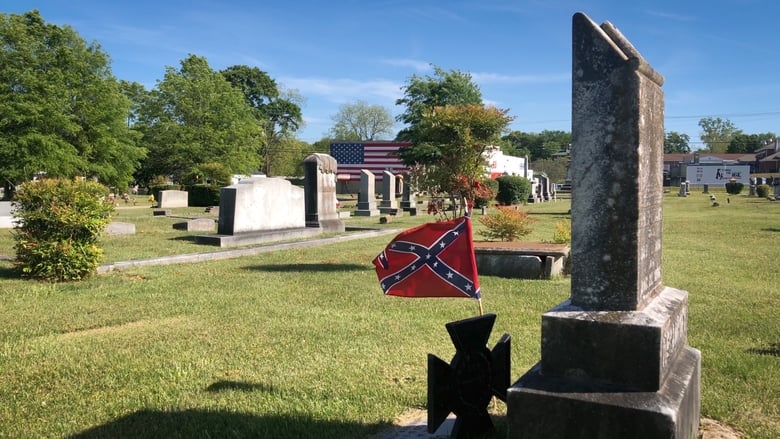
UNSPOKEN (2022)
An intimate insider’s journey to uncover buried truths and explore how the community in Monroe, Georgia has been impacted by the 1946 quadruple lynching and decades of racial injustice, shattering a code of silence that has distanced neighbor from neighbor for generations.