
Inori (2012)
Director Pedro came to Japan in April 2011, started shooting in the village Totsukawa of Nara Prefecture. He, as Himotoku, began to spin the story with his camera instead of a brush…
Director Pedro came to Japan in April 2011, started shooting in the village Totsukawa of Nara Prefecture. He, as Himotoku, began to spin the story with his camera instead of a brush…
Sakae HukuiTetsuo YanaseShigehumi KotaniNoriko IkeoRyo IkeoYoshinisa MatsubaToshiko MatsubaTametoshi IbaMachiko IbaOkei MoriEdeltraut Hertel - a midwife caught between two worlds. She has been working as a midwife in a small village near Chemnitz for almost 20 years, supporting expectant mothers before, during and after the birth of their offspring. However, working as a midwife brings with it social problems such as a decline in birth rates and migration from the provinces. Competition for babies between birthing centers has become fierce, particularly in financial terms. Obstetrics in Tanzania, Africa, Edeltraud's second place of work, is completely different. Here, the midwife not only delivers babies, she also trains successors, carries out educational and development work and struggles with the country's cultural and social problems.
In Turkey far too many women are still unable to read and write, and all they see in their life span is being forced into early marriage and relegation to the home, where they look after extended families and more children than they can feed. The girls are portrayed in their homes, together with the strongest supporters of their emancipation through education: their mothers. Girls of Hope portrays five girls who struggle for their education and, despite all the difficulties, try to hold on to their hope for a better future.
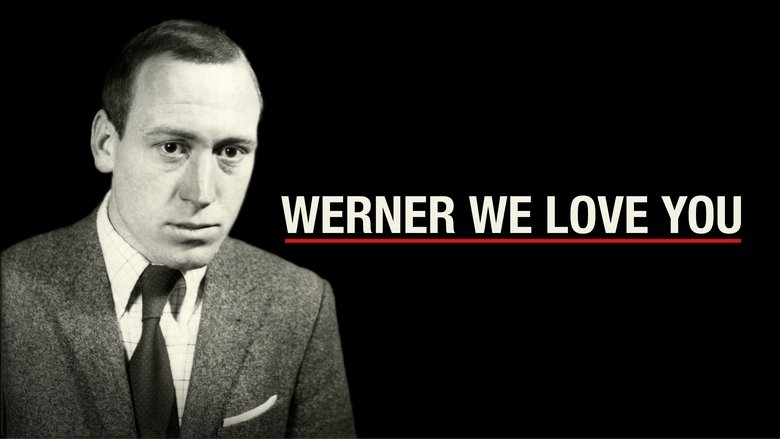
When Werner Herzog was still a child, his father was beaten to death before his eyes. His mother was overwhelmed with his upbringing and thereupon shipped him off to one of the toughest youth welfare institutions in Freistatt. This was followed by a career as a bouncer in the city's most notorious music club and an attempt to start a family. Today, the 77-year-old from Bielefeld lives with his dog Lucky in a lonely house in the country. Despite adverse living conditions, he has survived in his own unique and inimitable way.
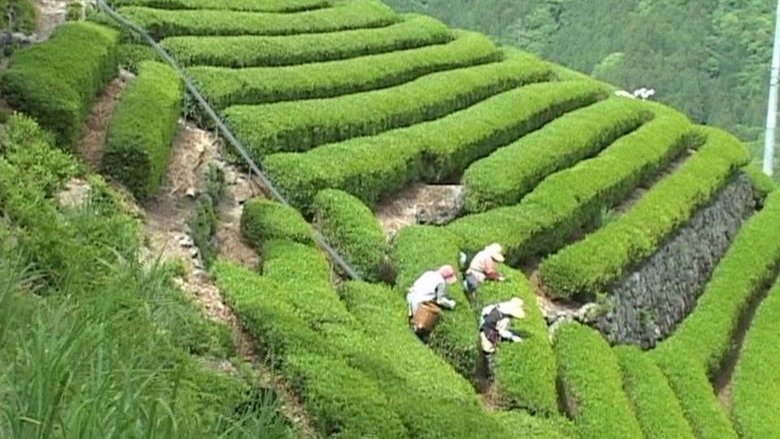
A documentary directed by Hori Teiichi who was a production assistant on the 1994 documentary Otentousama ga Hoshii and has worked in a wide variety of genres from pink films to ordinary theatrical releases. The lifestyle and scenery of Osawa, a village situated 740 meters up on the mountainous slopes of Hamamatsu city's northern region in Shizuoka Prefecture, are the focus of this first installment to the "Tenryu-ku" series. It straightforwardly captures the tea harvest in late May and the tea processing conducted in a factory while showcasing mist shrouded tea fields drummed by rain as well as the beauty of the glistening green of the tea leaf shoots.

Takes us to locations all around the US and shows us the heavy toll that modern technology is having on humans and the earth. The visual tone poem contains neither dialogue nor a vocalized narration: its tone is set by the juxtaposition of images and the exceptional music by Philip Glass.
Pseudo-ethnological documents about two villages which, without roads and electricity, "stopped existing".
Bikes for Africa is an entertaining, insightful and moving documentary following the life adventures of Hap Cameron and Mandy Todd, and their attempt to help implement a self sustainable bike workshop in rural Namibia with a container load secondhand donated bikes from Melbourne. The film investigates how a bicycle can fundamentally change the lives of rural Africans, and brings to focus the great works of two-wheeled charities Bicycles for Humanity and the Bicycling Empowerment Network Namibia.
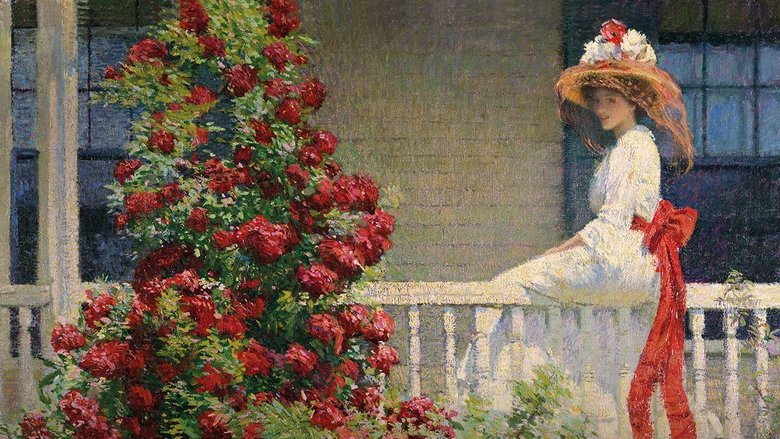
Taking its lead from French artists like Renoir and Monet, the American impressionist movement followed its own path which over a forty-year period reveals as much about America as a nation as it does about its art as a creative power-house. It’s a story closely tied to a love of gardens and a desire to preserve nature in a rapidly urbanizing nation. Travelling to studios, gardens and iconic locations throughout the United States, UK and France, this mesmerising film is a feast for the eyes. The Artist’s Garden: American Impressionism features the sell-out exhibition The Artist’s Garden: American Impressionism and the Garden Movement, 1887–1920 that began at the Pennsylvania Academy of the Fine Arts and ended at the Florence Griswold Museum, Old Lyme, Connecticut.

The story of community in the Deep South that is forced to deal with the struggles of ignorance, hypocrisy and oppression.
A portrait of a family living in a village in Masuria.
A group of educators led by Fernand Deligny are working to create contact with autistic children in a hamlet of the Cevennes.
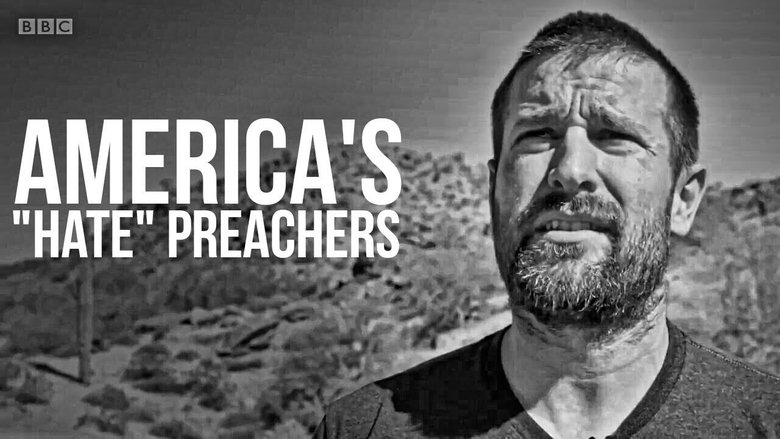
Director Hannah Livingston spends 6 months tracking two of America's most radical Christian hate groups - a notorious pastor from Arizona and a network of extremist preachers.
A partnership between the Government of Mali and an American agricultural investor may see 200-square kilometers of Malian land transformed into a large-scale sugar cane plantation. Land Rush documents the hopes, fears, wishes, and demands of small-scale subsistence farmers in the region who look to benefit, or lose out, from the deal.
Like Don Quixote, Zivan Pujic Jimmy fights for his annual punk festival. A film about failure, ambition, friendship and clinging to your dreams. Glavonic received much praise for this exceptional film that doesn't reveal what's fact and what's fiction.
A coming-of-age story about a filmmaker and his family as they struggle to adapt to both a changing world and a traditional one. Can the filmmaker's family accept that he is more interested choosing to document a famine that happened 50 years ago than choosing a wife? Will the family continue to farm their land and grow rice as they always have or sell it to developers? How can they adapt to life in modern China when the country itself is in the midst of identity crisis? The film explores these topics and more in a refreshingly original style that bridges the gap between documentary and narrative feature while providing a delightfully intimate portal into family life in modern China.
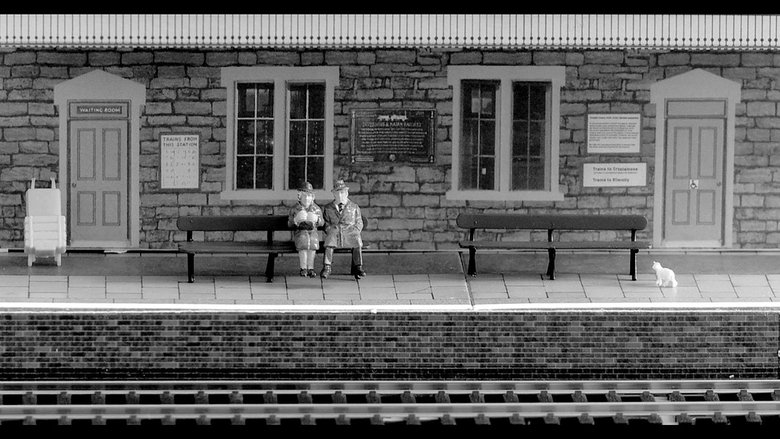
Routine Pleasures, Slow Cinema.
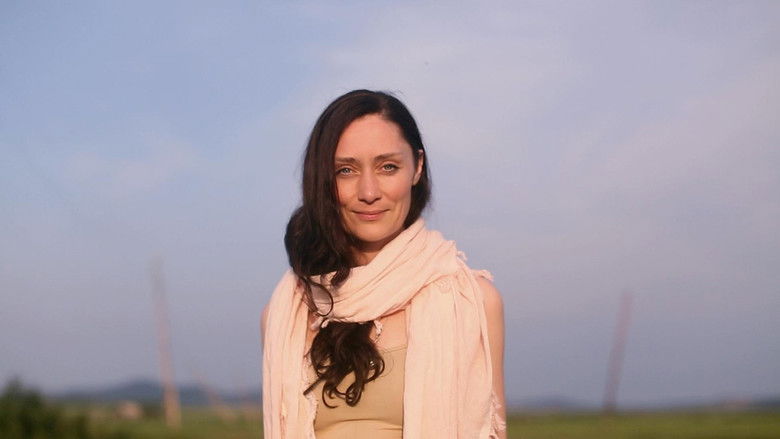
After 20 years of living in Berlin, the director Olga Delane goes back to her roots in a small Siberian village, where she is confronted with traditional views of relationships, life and love. The man is the master in the home; the woman’s task is to beget children and take care of the household (and everything else, too). Siberian Love provides unrivaled insights into the (love) life of a Siberian village and seeks the truth around the universal value of traditional relationships.
Argentine filmmaker Gerardo Vallejo, exiled in Spain, visits the Salamanca village of Cespedosa de Tormes, where his grandfather was born, and reconstructs the memories of his time with the locals.
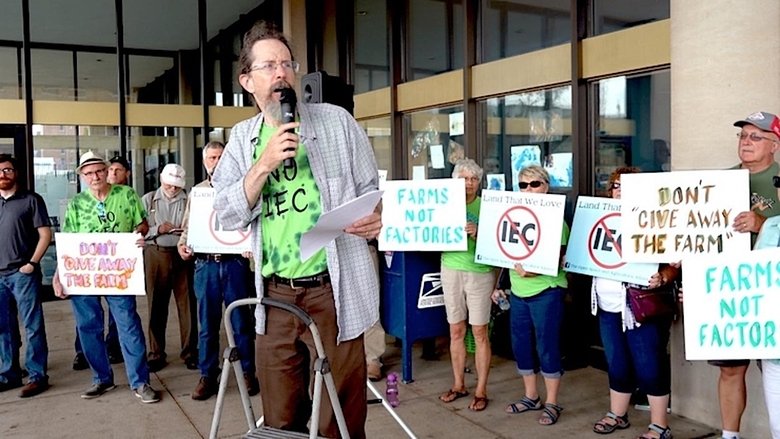
This documentary film follows farmers and activists fighting together to stop the Indiana Enterprise Center, a mega-sized industrial park planned west of South Bend, Indiana
This film illustrates the struggles of Canadian prairies women to achieve a more just and humane society within the farm movement and at large. During the early 1900s, women on the prairies looked for ways to overcome their isolation. Out of the resulting farm women's organizations grew a group of women possessing remarkable intellectual abilities, social and cultural awareness, and advanced worldviews.