
Turkish Professor at the Agricultural School (1905)
Early Balkan footage.
Early Balkan footage.
In 1980, Jack Shae and Allen Moore, two ethnographic filmmakers from Harvard University, moved their families to the island of Berneray in the Outer Hebrides. Over the course of 18 months they documented the everyday lives and struggles of the crofters they lived among, whom were even then a vanishing breed. The film is in English and Gaelic. This carefully observed documentary by filmmakers Jack Shae and Allen Moore is a poetic ethnographic film in the style of their mentor, Robert Gardner (“Dead Birds”). It follows the rhythm of life on a wind-swept island in the Outer Hebrides through the four seasons and in the filmmakers’ observation of the day-to-day struggles of a vanishing society we see the deep-time legacy of their kind. The film is in English and Gaelic.
A cinematic portrait of farmer and writer Wendell Berry. Through his eyes, we see both the changing landscapes of rural America in the era of industrial agriculture and the redemptive beauty in taking the unworn path.
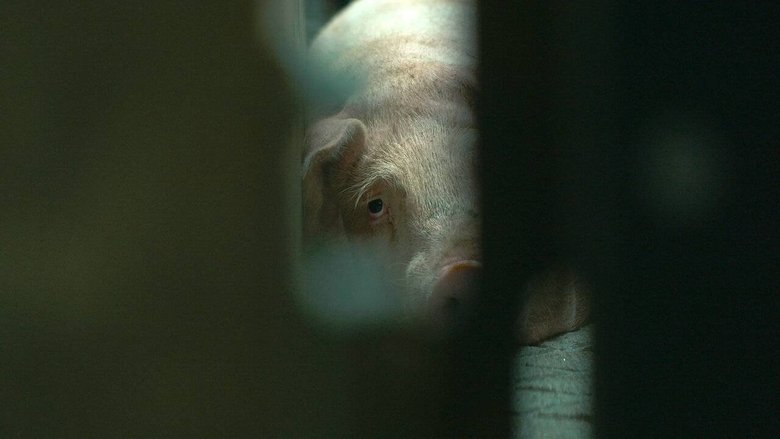
How did it come about that we no longer see living beings in farm animals, but objects? Every year, 70 billion farm animals are slaughtered for consumption around the world. 80 percent are kept on large farms. They live crammed together in overcrowded stables, are fattened and finally slaughtered without ever having been in nature. In less than two generations, intensive husbandry has become established worldwide. Researches in Poland, the USA, Germany and Vietnam gets to the bottom of the system and those responsible. The meat industry is subsidized by the state. Corporations, governments and consumers tacitly support a deregulated and dehumanized economic system that makes unlimited consumption of animal products the norm - and with it, animal cruelty. The documentary film describes the triumph of industrial agriculture, in which the animal has to endure unimaginable suffering, becomes a commodity, a raw material that is always available and can be slaughtered and processed at will.
A story about the environmental conflict between GM soy growers and Maya Beekeepers in the Yucatán Peninsula of Mexico. It reflects on what the environment and economy could look like if bee health was considered as a criterion of sustainable development. The film explores the pre-colonial and ongoing relationship between Maya people and their environment, in particular the milpa agricultural system (and its main crop, maize), sacred sinkholes (called cenotes), and sacred stingless bees, the Melipona.
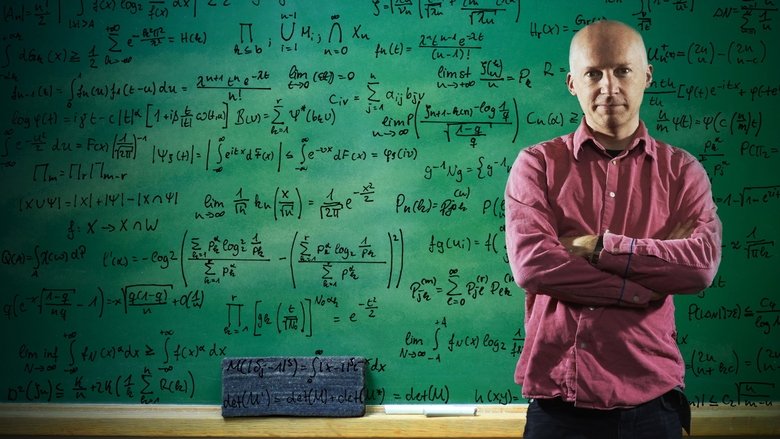
Without us noticing, modern life has been taken over. Algorithms run everything from search engines on the internet to satnavs and credit card data security - they even help us travel the world, find love and save lives. Mathematician Professor Marcus du Sautoy demystifies the hidden world of algorithms. By showing us some of the algorithms most essential to our lives, he reveals where these 2,000-year-old problem solvers came from, how they work, what they have achieved and how they are now so advanced they can even programme themselves.
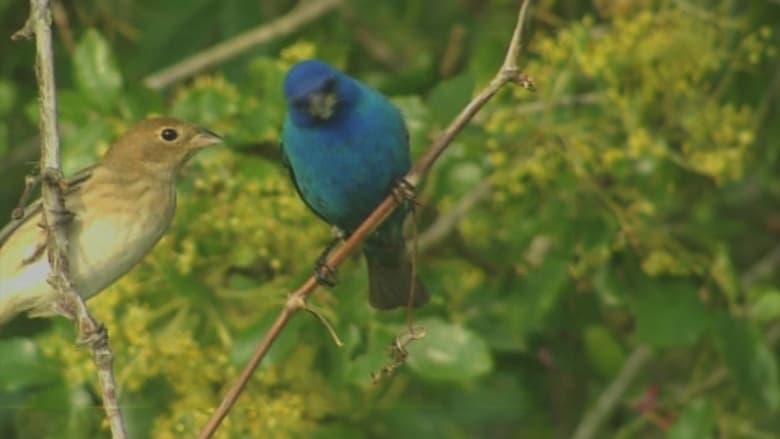
Documentary exploring economic and environmental connections between farmers in Latin America, coffee drinkers in the U.S., and the fate of migratory songbirds throughout the Americas. Illustrates how coffee drinkers in this and other developed countries hold in their hands the fate of farm families, farming communities, and entire ecosystems in coffee-growing regions worldwide.
The philanthropic foundation set up by US billionaire Bill Gates quietly co-finances experiments with genetically modified organisms (GMOs) in several African countries. In the age of philanthropic capitalism, billionaires "save the world" and make money in the process. But who is helped the most, ordinary Africans or the food industry?
In April 2013, a lecturer at the University of New Hampshire submitted a paper to the Annals of Mathematics. Within weeks word spread: a little-known mathematician, with no permanent job, working in complete isolation, had made an important breakthrough toward solving the Twin Prime Conjecture. Yitang Zhang's techniques for bounding the gaps between primes soon led to rapid progress by the Polymath Group, and a further innovation by James Maynard.
A look at the destruction that follows the breaking of long-neglected dikes and the measures being taken to prevent future problems.
This documentary exposes the massive public health dangers of genetically modified organisms (GMOs). The film features the world's leading scientists, physicians, professors, politicians, attorneys, and environmental activists who reveal the frightening truth surrounding the vast use of GMOs in our food supply. You'll see the deception and deep layers of corruption being perpetuated against the public at large by the world's largest and most powerful biotechnology companies, chemical companies, agricultural companies, and governments.
In this CBS News production broadcast on Thanksgiving 1960, Edward R. Murrow points out the plight of migrant farm workers in America. Topics range from the harsh living conditions, endless travel, low wages, and poor opportunities for their children.
A portrait of a small Ontario town, this film introduces its audience to the people of Holstein by filming them in the old-fashioned general store, the blacksmith's shop and the town granary. Old-time residents reminisce, while old-fashioned sleighs travel down the main road bordered by beautiful old frame houses.
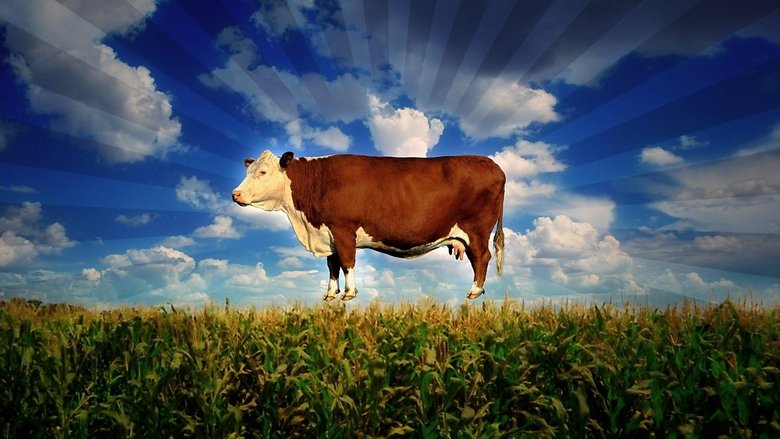
Documentary filmmaker Robert Kenner examines how mammoth corporations have taken over all aspects of the food chain in the United States, from the farms where our food is grown to the chain restaurants and supermarkets where it's sold. Narrated by author and activist Eric Schlosser, the film features interviews with average Americans about their dietary habits, commentary from food experts like Michael Pollan and unsettling footage shot inside large-scale animal processing plants.
The people, the scenery and the industrial traditions of the Stroud valley and the growth of the woollen industry.
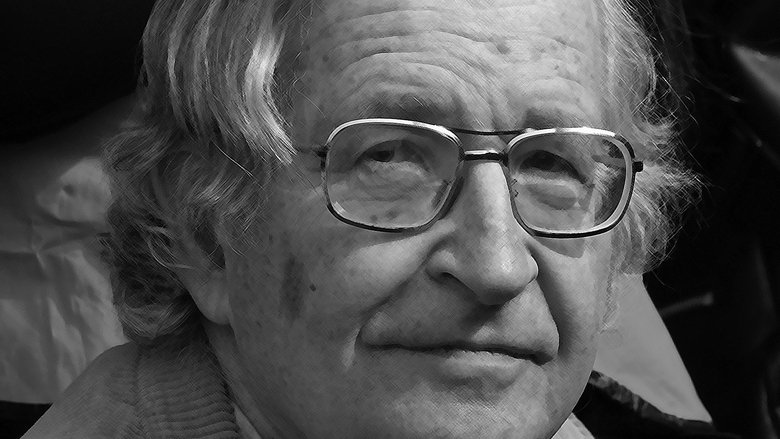
A film about the noted American linguist/political dissident and his warning about corporate media's role in modern propaganda.
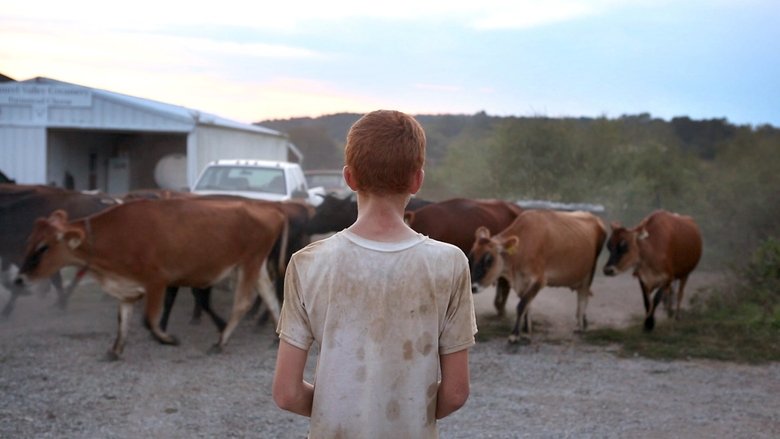
Clear-eyed and intimate, Farmsteaders follows Nick Nolan and his young family on a journey to resurrect his late grandfather’s dairy farm as agriculture moves toward large-scale farming. A study of place and persistence, Farmsteaders points an honest and tender lens at everyday life in rural America, offering an unexpected voice for a forsaken people: those who grow the food that sustains us.