
The Dikes (1955)
A look at the destruction that follows the breaking of long-neglected dikes and the measures being taken to prevent future problems.
A look at the destruction that follows the breaking of long-neglected dikes and the measures being taken to prevent future problems.
The story of Dr. George Washington Carver (1864-1943), black educator and horticulturist. He is perhaps most well known for developing over 140 products from all parts of the peanut plant, including the shells and husks. He also developed products based on sweet potatoes and soybeans, and developed a cotton hybrid that was named after him.
In the summer of 2000, federal fishery officers appeared to wage war on the Mi'gmaq fishermen of Burnt Church, New Brunswick. Why would officials of the Canadian government attack citizens for exercising rights that had been affirmed by the highest court in the land? Alanis Obomsawin casts her nets into history to provide a context for the events on Miramichi Bay.
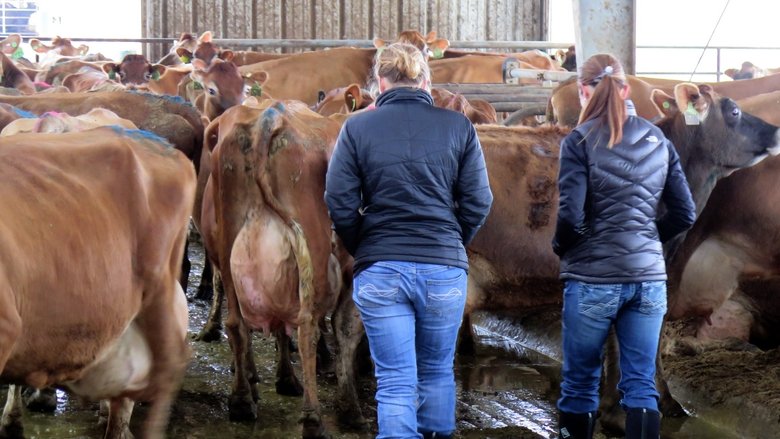
As the global economics of dairy farming has winnowed out most small and medium-sized dairies, the surviving farmers confront pressures to intensify production, even as they find that getting bigger presents new problems.
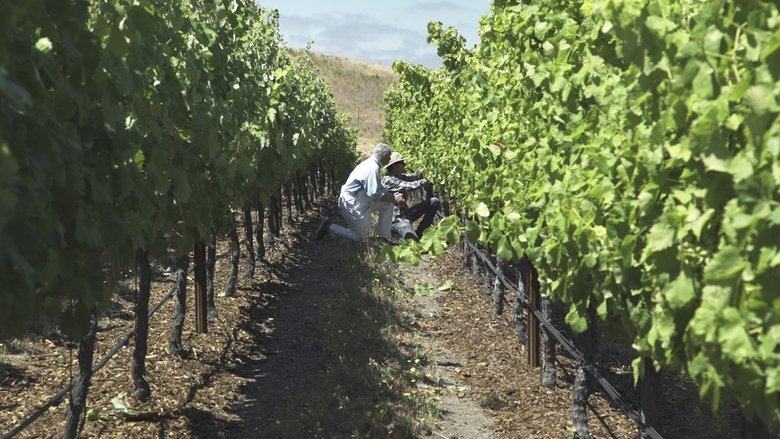
Merging sweeping wine country footage with insightful interviews, filmmaker Lori Miller showcases the dynamic natural wine movement that is transforming a growing number of Northern California vineyards.
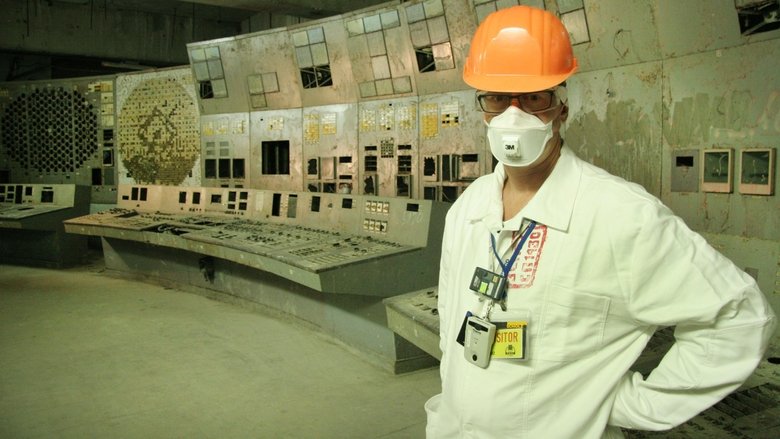
Documentary which follows the construction of a trailblazing 36,000-tonne steel structure to entomb the ruins of the nuclear power plant destroyed in the 1986 Chernobyl disaster.
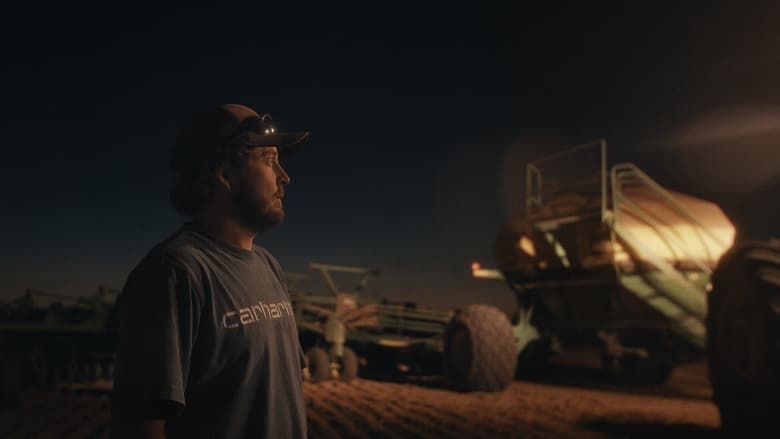
Is there a mental health crisis in agriculture in Colorado? Farming and ranching has become increasingly difficult over the years. An industry that is typically viewed as romantic, hardworking, and "salt-of-the earth" is actually a job full of tremendous stress outside of anyone's control. Combine that with the enormous generational pressure to continue the family farm, and you have a large group of people that are suffering silently. How do we take care of those that are taking care of us?
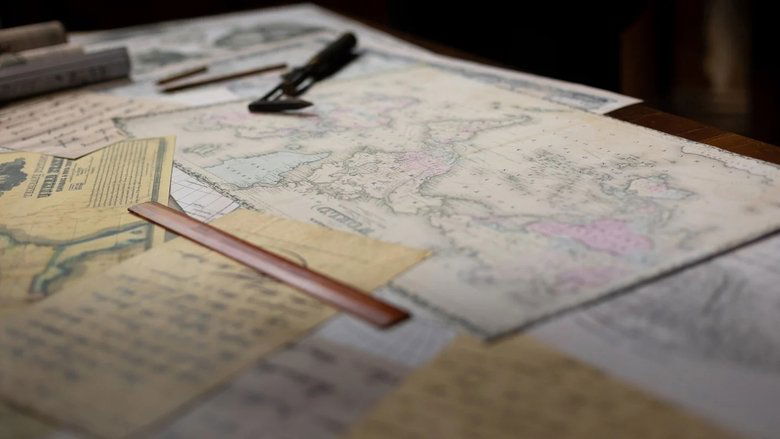
The first transatlantic communications cable, traversing the ocean floor from Valentia Island, County Kerry, to Newfoundland, Canada, 165 years ago was an 8 year endeavor that helped lay the foundation of the modern technology industry and explains the fragility of undersea cables today.
The drought in the American West is predicted to be the worst in 1,000 years. Join five Academy Award-winning filmmakers as they explore the environmental crisis of our time and how to fix it before it's too late.
The roller-coaster ride of the upstart transportation company, embodying the highs and lows of Silicon Valley.
William Shatner presents a light-hearted look at how the "Star Trek" TV series have influenced and inspired today's technologies, including: cell phones, medical imaging, computers and software, SETI, MP3 players and iPods, virtual reality, and spaceship propulsion.
This is a documentary about the fragile and complex marine ecosystem in the Bay of Fundy. The film traces relationships within the food chain - from tiny plankton to birds and seals and finally to whales and humans. The film is a plea for careful management of our ocean resource and was first telecast as part of CBC's Nature of Things series.

As clichés go, in 1999 the World as we knew it was about to change - and we'd been expecting it. Since childhood we'd been promised that the 21st century would bring us dramatic new technologies like flying cars and Utopian cities. Instead it bought us the smart-phone, social media, and virtual societies. And as it turns out these technologies began to transform society almost as dramatically as the moon colonies we'd been expecting. Now over a decade into the revolution, 'DSKNECTD' explores how digital communication technology is profoundly changing the way we interact and experience each other - for the good and for the bad.
Within the coming decades we will be able to create AIs with greater than human intelligence, bio-engineer our species and re-design matter through nanotechnology. How will these technologies change what it means to be human? Director Doug Wolens speaks with leading futurists, computer scientists, artificial intelligence experts, and philosophers who turn over the question like a Rubik’s Cube. Ultimately, if we become more machine-like, and machines more like us, will we sacrifice our humanity to gain something greater? Or will we engineer our own demise? THE SINGULARITY is a comprehensive and insightful documentary film that examines technology’s accelerating rate, and deftly addresses the resulting moral questions.
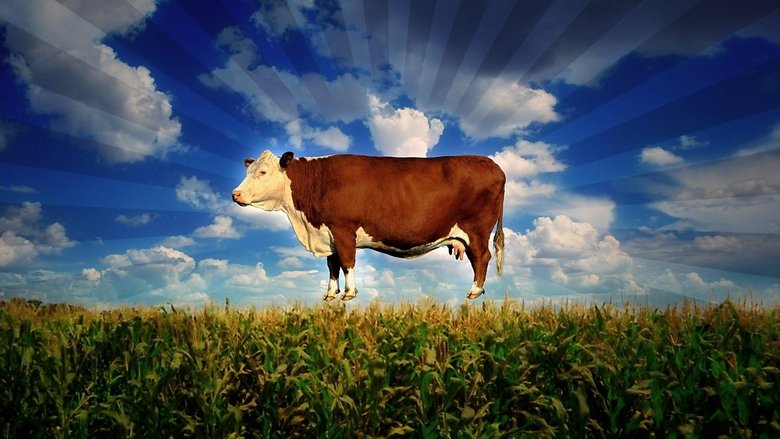
Documentary filmmaker Robert Kenner examines how mammoth corporations have taken over all aspects of the food chain in the United States, from the farms where our food is grown to the chain restaurants and supermarkets where it's sold. Narrated by author and activist Eric Schlosser, the film features interviews with average Americans about their dietary habits, commentary from food experts like Michael Pollan and unsettling footage shot inside large-scale animal processing plants.
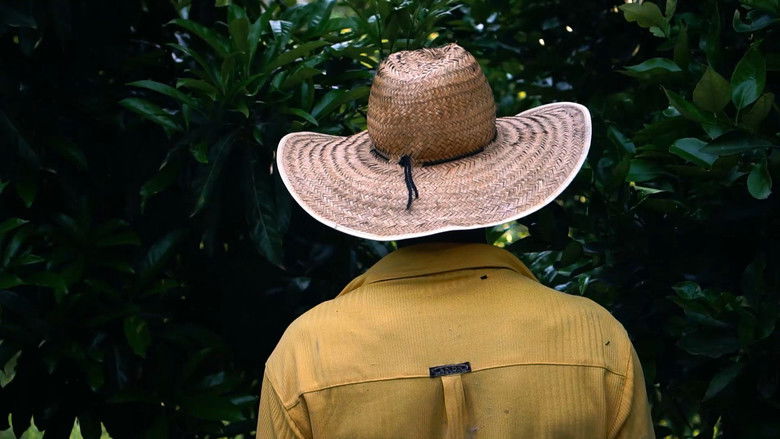
Brazil is one of the most dangerous countries for environmentalists. The rural community of Belisário holds the country's second largest bauxite reserve, right below one of the most bio-diverse areas in the world: the Atlantic Forest. The small community was shaken when the beloved Gilberto, a Franciscan Friar, received a death threat followed by the lines: "you've been talking against mining way too much". PT: O Brasil é um dos países mais perigosos do mundo para defensores do meio ambiente. Em Minas Gerais, a comunidade rural de Belisário abriga a segunda maior reserva de bauxita do país, em uma das áreas de maior biodiversidade do mundo: a Mata Atlântica. A tranquilidade do pequeno vilarejo foi abalada quando Frei Gilberto, um franciscano que dedica sua vida à preservação da natureza, recebeu uma ameaça de morte com o seguinte aviso: "você tem falado demais contra a mineração".
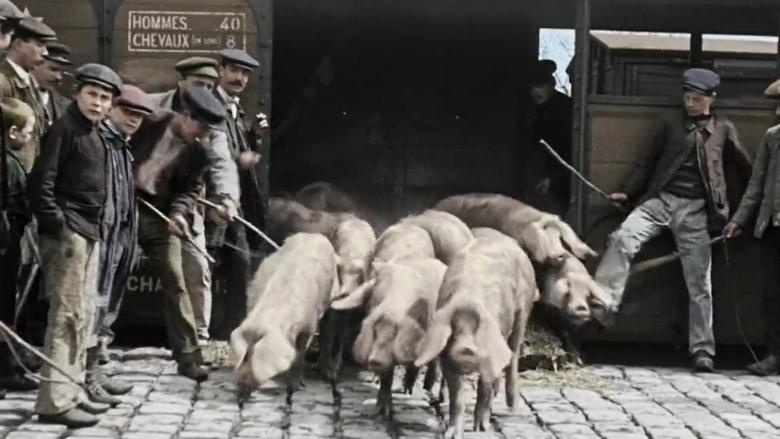
In barely a century, French peasants have seen their world profoundly turned upside down. While they once made up the vast majority of the country, today they are only a tiny minority and are faced with an immense challenge: to continue to feed France. From the figure of the simple tenant farmer described by Emile Guillaumin at the beginning of the 20th century to the heavy toll paid by peasants during the Great War, from the beginnings of mechanization in the inter-war period to the ambivalent figure of the peasant under the Occupation, From the unbridled race to industrialization in post-war France to the realization that it is now necessary to rethink the agricultural model and invent the agriculture of tomorrow, the film looks back at the long march of French peasants.
On a NASA research base in Silicon Valley, there's an organization that's changing the world ... Singularity University (SU). Created by renowned futurist Ray Kurzweil and entrepreneur Peter Diamandis, with support from NASA, Google, and others, the university brings in some of the smartest students from around the world, and gives them a crash course in the most powerful exponential technologies on the planet. The students are then given a challenge: create companies that will impact a billion people within ten years. The film follows the students and their companies over five years, as they use the support of scientists, astronauts and billionaires in their attempt to make a dent in the universe.
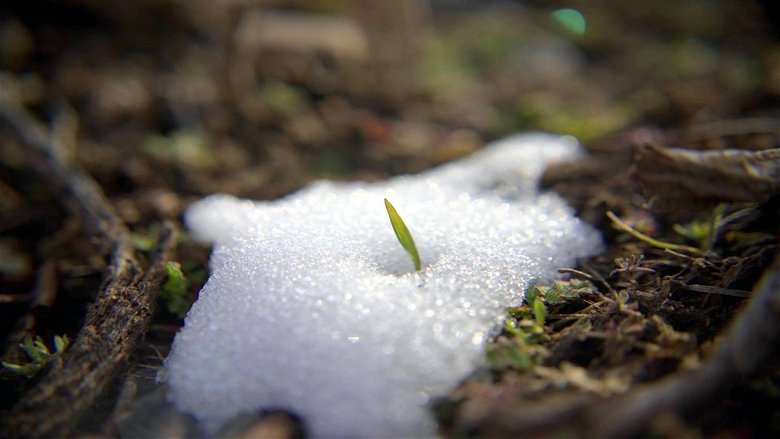
An exploration of a new paradigm of health, science, and medicine, based on the interconnections between us and nature.