
FEED ME (2021)
Filmmaker Connor Luke Simpson explores the underground-and often misunderstood-subculture known as feederism. A community where the fatter you are, the sexier you are.
Filmmaker Connor Luke Simpson explores the underground-and often misunderstood-subculture known as feederism. A community where the fatter you are, the sexier you are.
Connor Luke SimpsonSelf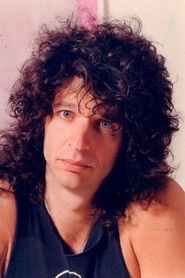 Howard SternSelf (archive footage)
 Tyra BanksSelf (archive footage)
 Trisha PaytasSelf (archive footage)
 Megyn KellySelf (archive footage)
 Tess HollidaySelf (archive footage)Donna SimpsonSelf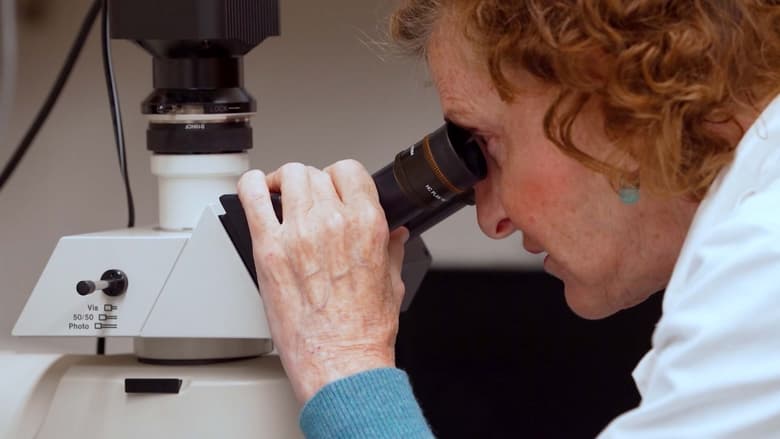
In an era of throw-away ease, convenience has cost us our well-being. Plastics have been found inside our bodies— in our colons, our brains, and even in mothers’ developing wombs. Scientists around the country are sounding the alarm, but without public buy-in, there is little that can be done. How much evidence do we need before we decide to take action?
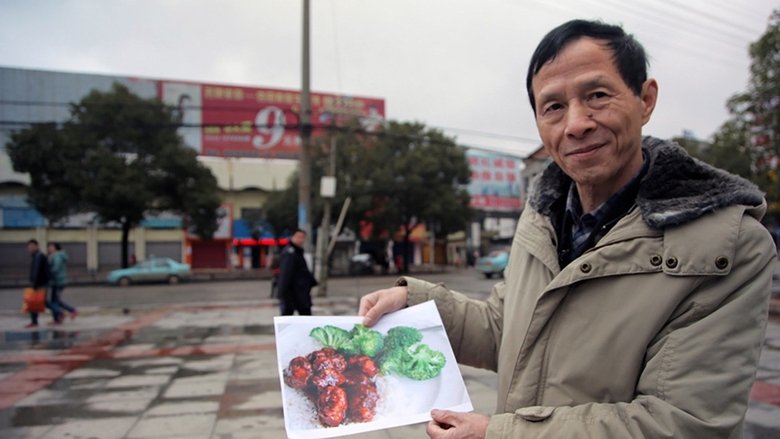
From New York City to the farmlands of the Midwest, there are 50,000 Chinese restaurants in the U.S., yet one dish in particular has conquered the American culinary landscape with a force befitting its military moniker—“General Tso’s Chicken.” But who was General Tso and how did this dish become so ubiquitous? Ian Cheney’s delightfully insightful documentary charts the history of Chinese Americans through the surprising origins of this sticky, sweet, just-spicy-enough dish that we’ve adopted as our own.
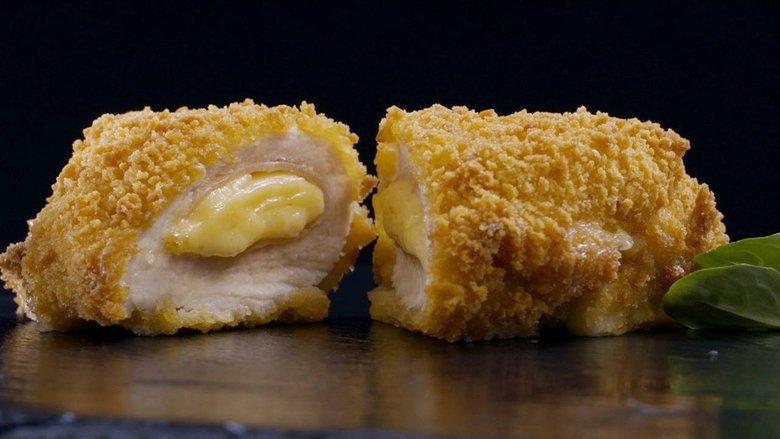
Industrial food production has provided the public with an abundance of food at very low prices. But with obesity and diabetes at record levels in Europe, there is clearly a problem with the food we eat. This documentary puts the spotlight on the agri-food industry and reveals how low-cost ultra-processed foods are really made.
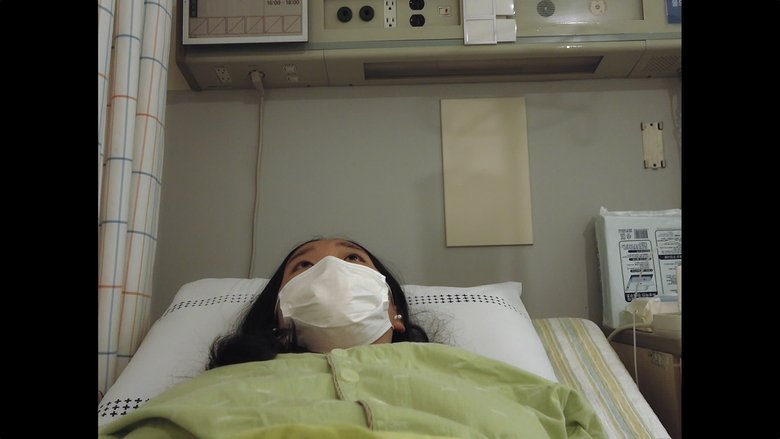
Huiju learned of her biopsy test results, but lied to her mum about them. Feeling guilty about the lie, she embarks on her journey to find cancer patients who have the same diagnosis as hers and learns about their experiences. After hearing their stories, she finds the courage to tell the truth to her mum.
A family gathering around what used to be an everyday activity.
The comparison of two rural families to demonstrate the need for proper hygiene and the consequences of its neglect.
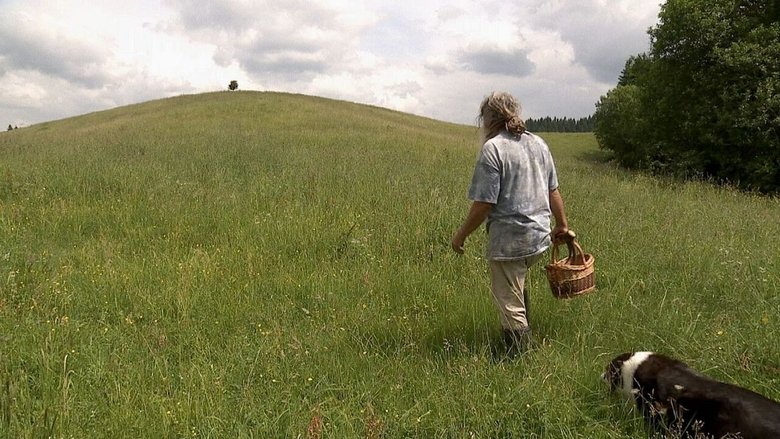
“I am a hypochondriac”, admits Rosa Von Praunheim, the icon of the gay movement, right at the beginning at the film. The director, who turned seventy in 2012, is afraid of cancer, and he actually suffers from glaucoma, with osteoarthritis in his big toe. Von Praunheim is interested in alternative medicine and goes on a foray into the scene.
With nutritionally-depleted foods, chemical additives and our tendency to rely upon pharmaceutical drugs to treat what's wrong with our malnourished bodies, it's no wonder that modern society is getting sicker. Food Matters sets about uncovering the trillion dollar worldwide sickness industry and gives people some scientifically verifiable solutions for curing disease naturally.
While the debate continues about GMOs, Roundup and other toxic pesticides, this powerful film shares remarkable stories of people who regain their health after discovering the secret ingredients in their food and making a bold commitment to avoid them.
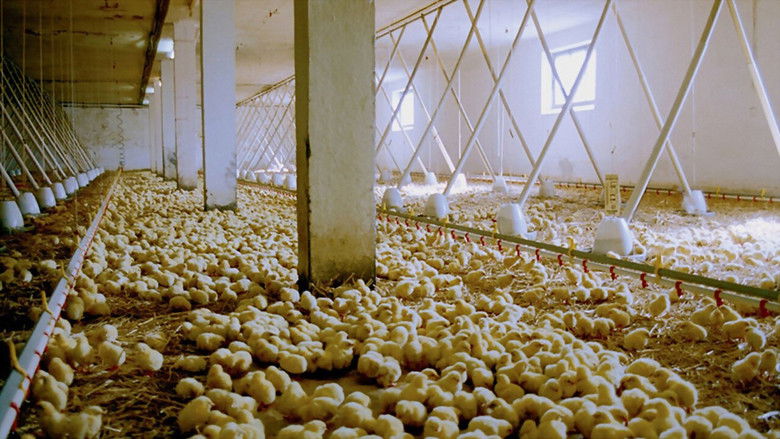
A documentary that exposes the shocking truths behind industrial food production and food wastage, focusing on fishing, livestock and crop farming. A must-see for anyone interested in the true cost of the food on their plate.
Beginning with a private, rolling party on board one of Hong Kong's iconic streetcars, travel journalist Rudy Maxa and former chef and now Washington, D.C. restaurateur Daisuke Utagawa lead viewers through on of the worlds most exciting cities. Hong Kong takes cuisine from around the world and makes it its own. Explore the cuisine as well as the mostly unknown, lush side of Hong Kong where hiking trails and beaches rule. Bangkok - In a city where the weather is always hot, it is natural that residents spend so much time eating outside. Street food rules the capital of Thailand, and no visitor should miss the opportunity to follow local custom. Utagawa and Maxa taste their way through the city while exploring the Klongs (canals) and temples that make Bangkok a visitors paradise.
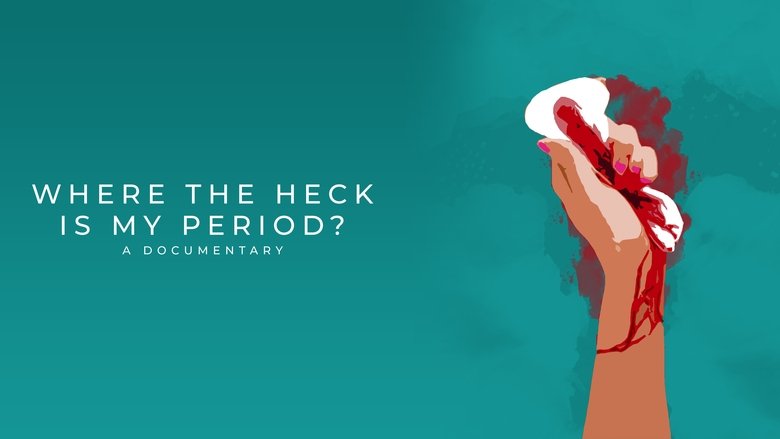
This documentary follows the journeys of 11 African women who struggle with polycystic ovarian syndrome. PCOS, a hormonal disorder that can cause irregular periods alongside unwanted physical symptoms, affects 1 in 10 women of childbearing age worldwide. This film highlights the struggles caused by the syndrome through interviews with gynecologists, pastors, public figures, and native African doctors.
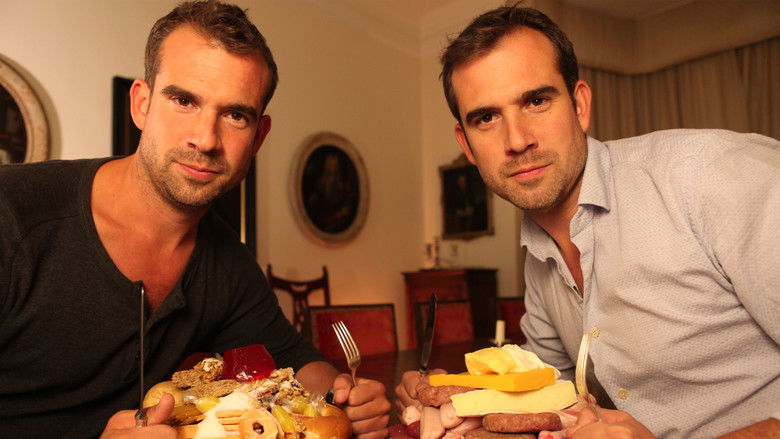
It is one of the hottest questions in nutrition, and probably filling your Facebook feed full of articles telling you what you should be eating. It’s a constant stream of differing opinions telling us we should be eating carbs and low fat, while others advise us we shouldn’t be eating any carbohydrates, it’s fat and protein you should be consuming. If only we were all robots. In this documentary, twin doctors Chris and Alexander Van Tulleken set out on a month-long experiment to see which diet really works, the high fat or the high sugar diet. But what they discover is both shocking and surprising, and what they find out about this on-going debate is that real enemy is in plain sight.

Ayi comes from a rural area of Eastern China and doesn’t have the residential permit that would allow her to work in Shanghai. Yet, she has been cooking in the streets for twenty years, in an old neighbourhood soon to be demolished. The film unveils the chaos of an ultra-modern city aiming to wipe out so-called substandard practices and to deport an unwanted population.

After years of overproduction, the Reagan administration unloads over 500 million pounds of surplus cheese on the American public in the 1980s. The pungent dairy product comes to be known as 'Government Cheese.'
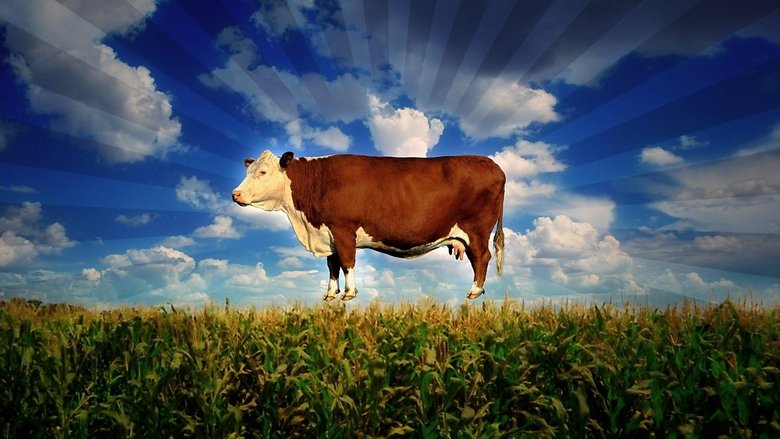
Documentary filmmaker Robert Kenner examines how mammoth corporations have taken over all aspects of the food chain in the United States, from the farms where our food is grown to the chain restaurants and supermarkets where it's sold. Narrated by author and activist Eric Schlosser, the film features interviews with average Americans about their dietary habits, commentary from food experts like Michael Pollan and unsettling footage shot inside large-scale animal processing plants.
A group of overweight teens try to turn their lives around at a fat camp in Pennsylvania.
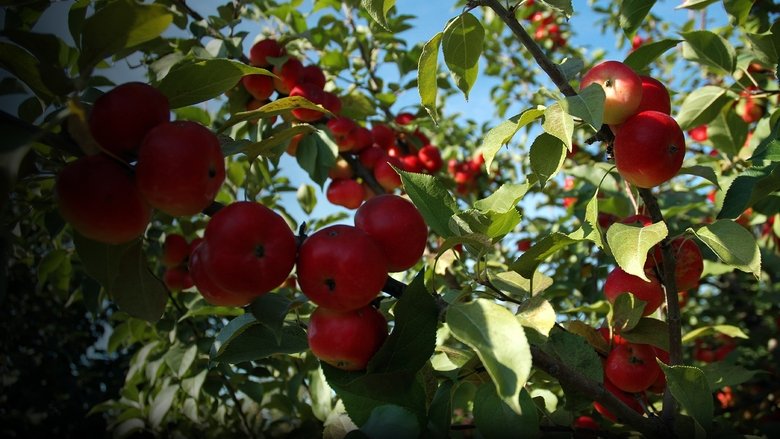
Featuring Michael Pollan and based on his best-selling book, this special takes viewers on an exploration of the human relationship with the plant world — seen from the plants' point of view. Narrated by Frances McDormand, the program shows how four familiar species — the apple, the tulip, marijuana and the potato — evolved to satisfy our yearnings for sweetness, beauty, intoxication.
Exploration of memories related to food and food making. Three women are preparing dishes personally meaningful to them, while the director's grandmothers recount the tales of what food and cooking meant for them throughout their lives.